
Font size
 Worksheets
Unit 9 Review: Levels of Organization & Circulatory System
Total questions: 69
Worksheet time: 1hrs 24mins

Which condition is a build up of fatty plaques on the wall of an artery?
Aneurysm
Anemia
Arteriosclerosis
Atherosclerosis
Which condition is described as a deficiency in RBCs ability to carry oxygen and/or hemoglobbin?
Atherosclerosis
Arteriosclerosis
Aneurysm
Anemia
What condition indicates a death of heart tissue?
Atherosclerosis
Stroke
Heart Attack
Hypertension
What is included in the circulatory system?
Select ALL that apply.
veins
capillaries
heart
arteries
What are the functions of the circulatory system?
Select ALL that apply.
carries oxygen and nutrients to cells
carries waste away from cells
fight infection
removes CO2 and brings in O2 when you breathe
What is the main function of the circulatory system?
secrete enzymes
digest proteins
produce hormones
transport materials

State one reason why blood at location B contains more oxygen than blood at location A.
because blood at location A goes to the lungs
because blood at location A comes from the lungs
because blood at location B comes from the lungs
because blood at location B goes to the lungs
The system that makes red blood cells.
nervous
circulatory
respiratory
skeletal
Match with the word that goes in the blank:
____ carry blood away from the heart.
Arteries
____ carry blood to body cells.
Capillaries
____ carry blood back to the heart.
Veins
Blood in the pulmonary arteries is ____ in oxygen.
low
Blood in the pulmonary veins is ____ in oxygen.
rich

Use the image to match the following:
A
Left Atrium
F
Right Atrium
H
Left Ventricle
J
Right Ventricle
G
Aorta
Right Atrium
Left Atrium
Superior Vena Cava
Tricuspid Valve
Right Pulmonary Artery
Left Pulmonary Veins
Inferior Vena Cava
Pulmonary Valve
Which side of the heart carries poorly oxygenated (deoxygenated) blood?
Right
Left
Which side of the heart carries highly oxygenated blood?
Right
Left
Which valve sits between the lower left chamber and large artery leading to the body
Pulmonary
Mitral
Aortic
Tricuspid
The function of the valves is to...
Allow for the contraction of the heart.
Prevent back-flow.
Oxygenate the blood.
Supply the myocardium with oxygen.

Blood flows in the following sequence in the heart: Superior vena cava/Inferior vena cava, right atrium, tricuspid valve, right ventricle, pulmonary valve, pulmonary artery, lungs, pulmonary vein, left atrium, mitral valve, left ventricle, aortic valve, aorta
True
False
The atriums are located below the ventricles.
True
False
There are four chambers in the heart.
True
False
On the right side of the heart the valve that separates the Right atrium to the Right ventricle
Mitral
Tricuspid
Pulmonary valve
Aortic valve

What makes up around 55% of the blood?
Plasma
Red Blood Cells
White Blood Cells
Platelets
What is the function (job) of the platelets?
To form clots (i.e. scabs) when you have cuts and grazes.
To transport oxygen to the muscles
To carry dissolved sugars.
To produce antibodies


What is D?
Red blood cell
White blood cell
Plasma
Platelet
What is C?
Red blood cell
White blood cell
Plasma
Platelet
What is B?
Red blood cell
White blood cell
Plasma
Platelet
What is A?
Red blood cell
White blood cell
Plasma
Platelet
Red blood cells
small, round cells that carry oxygen
White blood cells
large, irregular cells that fight disease
Platelets
tiny fragments that help to stop bleeding when you are cut

Match the following small blood vessels to their name.
vein
1
artery
2
capillary
3
Which vessel contains valves to prevent backflow?
Vein
Artery
Capillary
Which of these statements is correct?
Arteries carry blood towards the heart, veins carry blood towards the body
Arteries carry blood towards the body, veins carry blood towards the body
Arteries carry blood towards the body, veins carry blood towards the heart
Arteries carry blood towards the heart, veins carry blood towards the heart
Which vessel is being described?
"small vessels which form a large network around organs and tissues, taking substances needed and removing waste products"
Arteries
Veins
Capillaries
Which main artery in the heart do all other individual arteries stem from?
Aorta
Pulmonary
Renal
Femoral

A difference between veins and arteries is that veins have narrow lumens (diameters) and arteries have wide lumens (diameters)
True
False
What is the purpose of the valves located in veins?
To keep the vein open for blood to flow through
To keep blood flowing in one direction through the vein
To allow blood to flow in both directions within the vein
To allow the blood to flow back down to the lower parts of the body
What type of blood do the arteries usually carry?
Oxygenated Blood
Deoxygenated Blood
The thickest and strongest blood vessel is the
vein
artery
capillary
both veins and capillaries

Match the blood type with its description.
Type A
can receive transfusions of A and O
Type B
can receive transfusions of B and O
Type AB
universal recipient
Type O
universal donor
Click on the part of the diagram that represents an antigen.
What type of antigens can be found on the surface of RBC's when someone has blood type O?
A
B
AB
none
What antibodies can be found when someone has blood type A?
none
A
B
A and B
What are the four major blood groups?
A, B, O, and AO
AB-, O+, AB+, and O-
A, B, AB, and O
A, B, C and D
Which of the following is a true statement?
People with type AB blod can recieve blood from any blood group
People with type AB blood can donate blood to people with any blood type
People with type AB blood can donate and receive blood from any blood group
People with type AB blood can neither donate nor recieve blood from any blood group excep the AB group
How is your blood type determined?
It's completely random
You inherit it from you parents
It deptends on the environmnet in which you are born
You get it from the vaccines you recieve when you're an infant
What is the order of levels of organization of the body from SMALLEST to Largest
cell, organ, tissue, organ system, organism
organism, organ system, organ, tissue, cell
cell, organ, tissue, organ system, organism
cell, tissue, organ, organ systems, organism
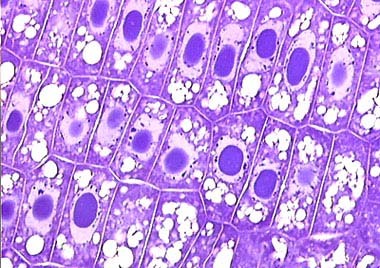
Plants also have ___________that are made up of different tissues working together.
leaves
organs
arms
roots
Animals have four basic types of tissue: nervous, epithelial, connective and?
skin
hair
muscle
teeth
Cells, tissues, organs, and organ systems, make up the structure of a?
single celled organism
multicellular organsim
Match the following...
Epithelial Tissue
Protection
Muscle Tissue
Movement
Nervous Tissue
Messaging between brain and body.
Connective
Connects all parts of the body.
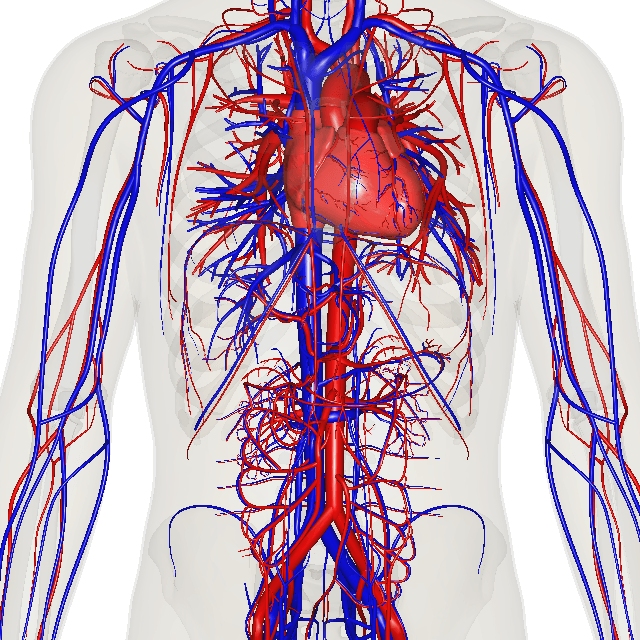
the brain, spinal cord, and the nerves work together. What do they combine to form?
an organ
a system
a cell
a tissue
How does an organ system differ from an organ?
An organ system is more complex and contains several organs
An organ system is not made up of cells like an organ is.
An organ system is only found in very large organisms.
An organ system is just one part of an organ.

