Wayground logo

Free Printable Worksheets

Font size

S
M
L
XL
Worksheets

Quarter 3 Review

Total questions: 80

Worksheet time: 42mins

Name
Class
Date
1.

molten rock below Earth’s surface

a)

extrusive igneous rock

b)

intrusive igneous rock

c)

lava

d)

magma

2.

molten rock that has erupted onto Earth’s surface

a)

extrusive igneous rock

b)

intrusive igneous rock

c)

lava

d)

magma

3.

rock formed from the cooling of molten rock below Earth’s surface (ex. granite)

a)

extrusive igneous rock

b)

intrusive igneous rock

c)

lava

d)

magma

4.

rock formed from the cooling of molten rock on Earth’s surface (ex. pumice)

a)

extrusive igneous rock

b)

intrusive igneous rock

c)

lava

d)

magma

5.

rock formed from sediments, organic remains, or chemical precipitates (ex. limestone)

a)

metamorphic rock

b)

sedimentary rock

c)

sediment

d)

soil

6.

rock that has been changed by heat and pressure (ex. marble)

a)

metamorphic rock

b)

sedimentary rock

c)

sediment

d)

soil

7.

A metamorphic rock is weathered and eroded. The sediments are lithified and compacted. It is now

a)

a metamorphic rock.

b)

an intrusive igneous rock.

c)

a sedimentary rock.

d)

an extrusive igneous rock.

8.

An extrusive igneous rock is forced deep underground where it is exposed to heat and pressure. It is now

a)

a metamorphic rock.

b)

an intrusive igneous rock.

c)

a sedimentary rock.

d)

an extrusive igneous rock.

9.

the process by which molten rock cools and hardens into solid rock

a)

lithification

b)

erosion

c)

crystallization

d)

melting

10.
the process of sediment being glued together
a)
compaction
b)
weathering
c)
erosion
d)
cementation
11.
What process is used to form sedimentary rocks?
a)
Lava cools and hardens to form a rock.
b)
Weathering, Erosion, Deposition, Compaction, Cementation
c)
Extreme heat and pressure from inside the Earth turn rocks into new rocks.
d)
Magma trapped under the Earth's surface cools and solidifies.
12.
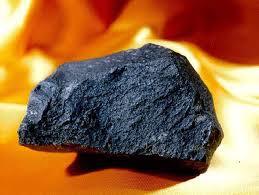
This rock was found near the mouth of a volcano. What type of rock is this?
a)
Sedimentary
b)
Igneous
c)
Metamorphic
13.
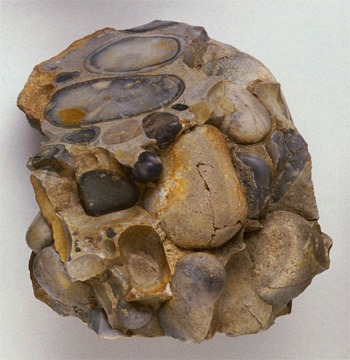
This rock was formed by smaller pieces of rock that settled at the bottom of a lake millions of years ago. What type of rock is this?
a)
Sedimentary
b)
Igneous
c)
Metamorphic
14.
Which type of rock results from melting and cooling of magma?
a)
Igneous
b)
Metamorphic
c)
Sedimentary
d)
Extrusive
15.
A metamorphic rock changes into an igneous rock by what two processes?
a)
Melting and cooling
b)
Extreme heat and pressure
c)
Compaction and cementation
d)
Weathering and erosion
16.
Each rock type can follow only one pathway of the rock cycle.
a)
True
b)
False
17.

The best answer for section "A" in the diagram

a)

metamorphic/melting

b)

compaction/cementation

c)

weathering/erosion

d)

heat/pressure

18.

The best answer for section "C" in the diagram

a)

metamorphic/melting

b)

compaction/cementation

c)

weathering/erosion

d)

heat/pressure

19.

The best answer for section "B"

a)

metamorphic/melting

b)

compaction/cementation

c)

weathering/erosion

d)

heat/pressure

20.

Which layer is composed mostly of iron?

a)

Z

b)

Y

c)

V

d)

X

21.

Which layer of Earth do scientists believe is most likely made of solid matter?

a)

Crust

b)

Mantle

c)

Outer Core

d)

Inner Core

22.

Which layer of the Earth is the thinnest?

a)

Crust

b)

Mantle

c)

Outer core

d)

Inner core

23.

A diagram of Earth's layers is provided. Which letter in the diagram identifies the layer scientists believe to be in a liquid state?

a)

Location A

b)

Location B

c)

Location C

d)

Location D

24.

Which of the following best describes Earth's asthenosphere?

a)

Liquid rock that can reach the surface

b)

Solid rock that is broken into plates

c)

Dense molten rock that moves the crust

d)

Metal rock at the center of the Earth

25.
What is the correct order (starting from the surface) of Earth's layers?
a)
crust, mantle, inner core, outer core
b)
mantle, outer core, inner core, crust
c)
inner core, outer core, mantle, crust
d)
crust, mantle, outer core, inner core
26.
How does temperature change as you move from the crust to the core?
a)
it gets cooler
b)
it gets hotter
c)
it stays the same
d)
the core is frozen
27.
Earth's inner core is
a)
a layer of hot rock
b)
a solid ball of iron and nickel
c)
a layer of liquid iron and nickel
d)
a layer of rock that forms Earth's outer skin
28.
Which layer of the earth is a pure liquid?
a)
crust
b)
mantle
c)
outer core
d)
inner core
29.
What layer is shown by letter A?
a)
Crust
b)
Mantle
c)
Outer core
d)
Inner core
30.
What layer is shown by letter B?
a)
Crust
b)
Mantle
c)
Outer core
d)
Inner core
31.
What layer is shown by letter C?
a)
Crust
b)
Mantle
c)
Outer core
d)
Inner core
32.
What layer is shown by letter D?
a)
Crust
b)
Mantle
c)
Outer core
d)
Inner core
33.

The lithosphere consists of the –

a)

upper mantle and the crust

b)

lower mantle and the outer core

c)

inner and outer core.

d)

crust and the entire mantle.

34.
Which of these is NOT a type of plate boundary?
a)
Convergent
b)
Divergent
c)
Bivergent
d)
Transform
35.
This is the process of warm liquids rising while cooler liquids sink.
a)
Convection
b)
Subduction
c)
Boiling
d)
Uplift
36.
This type of plate boundary is when two plates slide past each other.
a)
Convergent
b)
Transform
c)
Divergent
d)
Subductive
37.
This type of plate boundary is when two plates crash into each other.
a)
Convergent
b)
Transform
c)
Divergent
d)
Subductive
38.
This type of plate boundary is when two plates move apart.
a)
Convergent
b)
Transform
c)
Divergent
d)
Subductive
39.
This is when two plates converge but one slides under the other due to density.
a)
Uplift
b)
Subduction
c)
Trench
d)
None of the above
40.
This scientist built most of the evidence for continental drift.
a)
Alfred Wegener
b)
Sean Carroll
c)
Fred Calfred
d)
John Williams
41.
Which of these is a key piece of evidence of contiental drift?
a)
Continent shapes
b)
Fossil record
c)
Rock layers
d)
All of the above
42.

What are Tectonic plates?

a)

Large moving pieces on Earth's surface that are made of rock.

b)

where two plates divide

c)

The inner core of the earth

d)

where magma rises up and solidifies

43.

How do tectonic plates move?

a)

Wind

b)

Convection currents

c)

Water

44.

Ancient fossils have been placed on the map indicating where they were found.


The strongest evidence exists for which two continents to have been connected when Pangaea was present?

a)

South America and Africa

b)

North America and Africa

c)

Africa and Australia

d)

South America and Australia

45.

What type of boundary?

a)

convergent

b)

divergent

c)

transform

46.

What type of boundary is this?

a)

convergent

b)

divergent

c)

transform

47.

What type of boundary is this?

a)

convergent

b)

divergent

c)

transform

48.

The movement of tectonic plates is due to ____?

a)

convection currents in the mantle

b)

seafloor spreading

49.

What is this major plate?

a)

African

b)

South American

c)

Eurasian

50.

What is this major plate?

a)

North American

b)

Indo-Australian

c)

Eurasian

51.

What is this major plate?

a)

Eurasian

b)

North American

c)

Antarctic

52.

What is this major plate?

a)

Indo-Australian

b)

Pacific

c)

Eurasian

53.

What is this major plate?

a)

African

b)

South American

c)

Indo-Australian

54.

What is this major plate?

a)

North American

b)

Eurasian

c)

Pacific

55.

What is this major plate?

a)

Pacific

b)

Antarctic

c)

Indo-Australian

56.

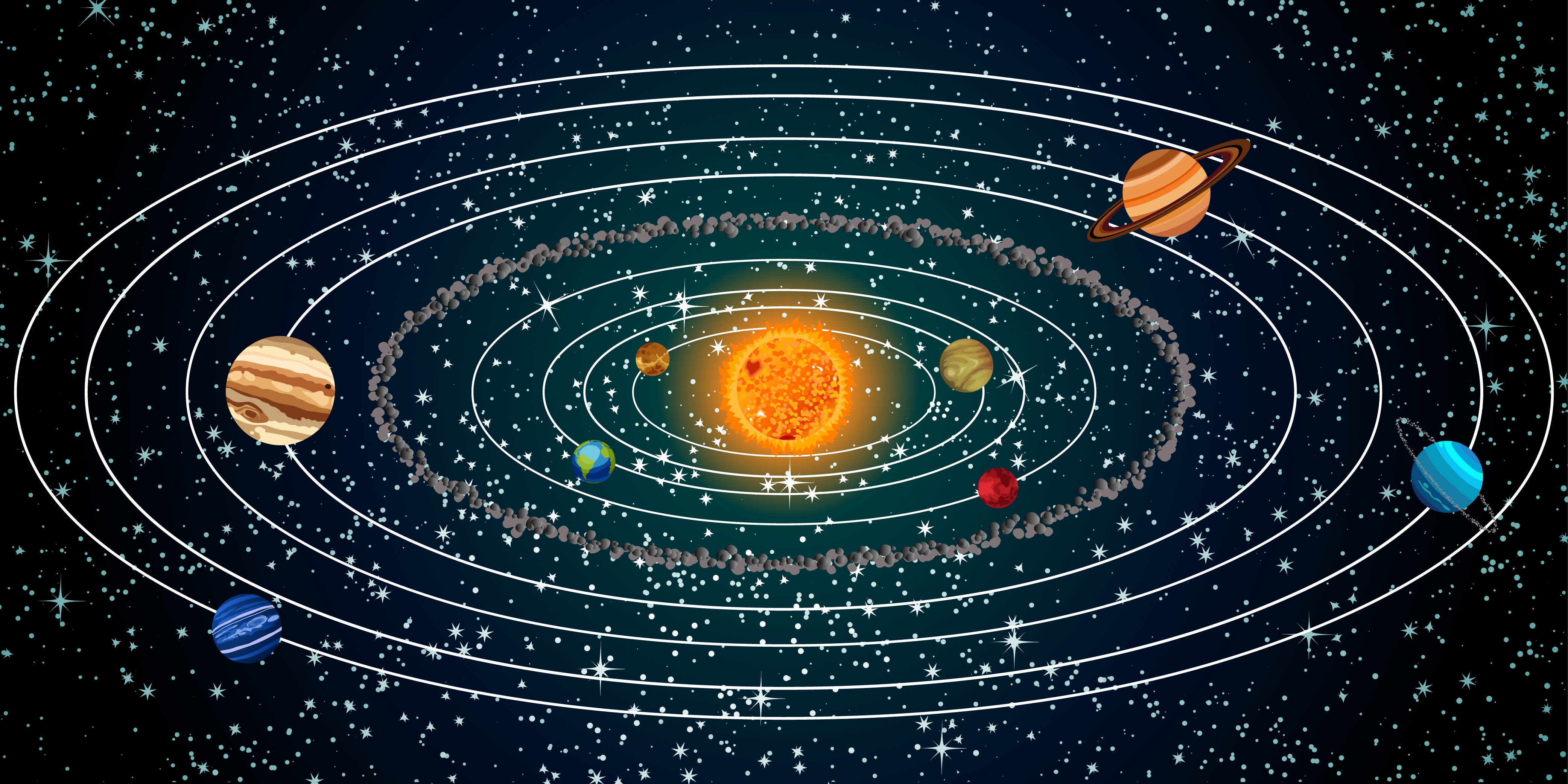
Which is the 3rd planet from the sun?

a)

Mars

b)

Jupiter

c)

Earth

d)

Venus

57.

Which is the 1st planet from the sun?

a)

Venus

b)

Earth

c)

Mercury

d)

Mars

58.

Which planet has rings?

a)

Saturn

b)

Earth

c)

Venus

d)

Mars

59.

What orbits Earth?

a)

Mars

b)

Sun

c)

Moon

d)

Mr. L

60.
Which of the following is true?
a)
Earth is the center of the solar system
b)
The sun orbits the earth
c)
Gravity exists only on Earth
d)
The sun is the center of the solar system
61.
How long is Earth's rotation?
a)
one day
b)
one year
c)
one decade
d)
one hour
62.
Why do planets orbit the sun (and not float around in space)?
a)
the moons are keeping them in place
b)
They were hit by an asteroid
c)
they were hit by a comet
d)
the sun's gravity keeps them in place
63.
How many planets are there?
a)
6
b)
7
c)
8
d)
9
64.
The Sun, eight planets, and thousands of stars make up the 
a)
outer planets
b)
inner planets
c)
solar system
d)
light years
65.
Which is the correct order of the inner planets?
a)
Jupiter, Saturn, Uranus, Neptune
b)
Mercury, Venus, Earth, Mars
c)
Mercury, Earth, Mars, Venus
d)
Jupiter, Mars, Uranus, Neptune
66.
Which keeps moons in their orbit?
a)
the gravitational pull of their planets
b)
The gravitational pull of the Sun
c)
the gravitational pull of asteroids
d)
the gravitational pull of other moons.
67.
It takes Earth _____________ to make one revolution or orbit around the Sun.
a)
365 days
b)
365 hours
c)
28 days
d)
24 hours
68.
What is a comet?
a)
rocky, metallic tiny planet that orbits the sun
b)
chunk of dirt and ices
c)
a mixture of gases
d)
a smaller chunk of stony matter, also known as a shooting star
69.
The spinning of the Earth on its axis that causes night and day.
a)
Rotate
b)
Revolve
70.
The moon appears to change shape because of _____.
a)
the Moon's revolution around Earth
b)
the seasons of the year
c)
the movement of stars in they sky
d)
Earth's rotation on its axis
71.
What causes Earth's seasons?
a)
the tilt of Earth's axis
b)
Earth's rotation
c)
the revolution of the Moon
d)
Earth's distance from the Sun
72.
It takes Earth _________ to make one complete rotation on its axis.
a)
24 hours
b)
365 days
c)
28 days
d)
24 days
73.
Asteroids are composed mostly of _________.
a)
ice
b)
dirt
c)
rock
d)
gas
74.

The greater mass a planet has,

a)

the greater the gravitational force it has

b)

the less gravitational force it has

c)

gravitational force does not depend on mass

75.

Which planet is the smallest?

a)

Mercury

b)

Venus

c)

Earth

d)

Mars

76.
What force keeps the planets orbiting the sun?
a)
Gravity
b)
Magnetism
c)
Electricity
d)
Friction
77.
Why would you weigh more on Jupiter than you do on Earth?
a)
Jupiter has more mass and more gravitational pull
b)
Jupiter has less mass and less gravitational pull
c)
You would not weigh more on Jupiter
d)
Jupiter has more mass and less gravitational pull
78.

Which object orbits object X?

a)

Object A

b)

Object B

c)

Object C

79.

What is an example of a tool astronomers use to make discoveries in space?

a)

telescopes

b)

rovers

c)

satellites

d)

martians

e)

space shuttle

80.

The planets orbit around the sun because the sun has the greatest ____________.

a)

weight

b)

diameter

c)

mass