wayground logo

Free Printable Worksheets

Font size

S
M
L
XL
Worksheets

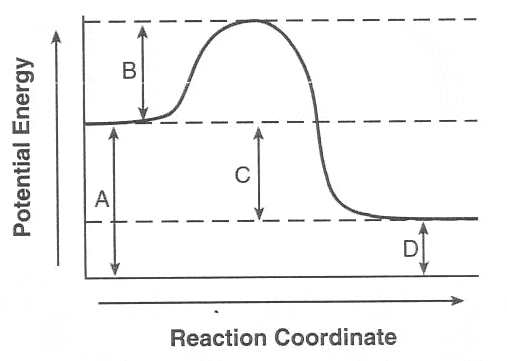
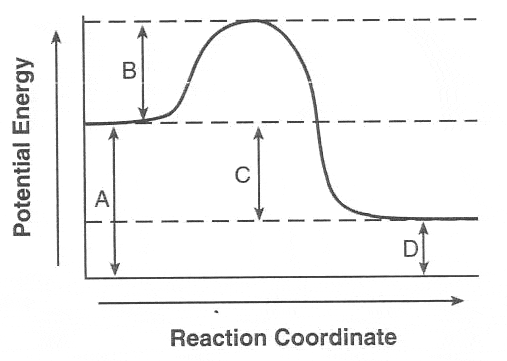
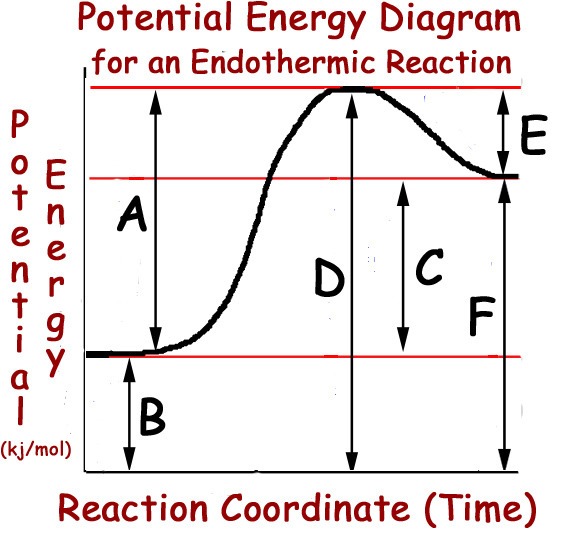
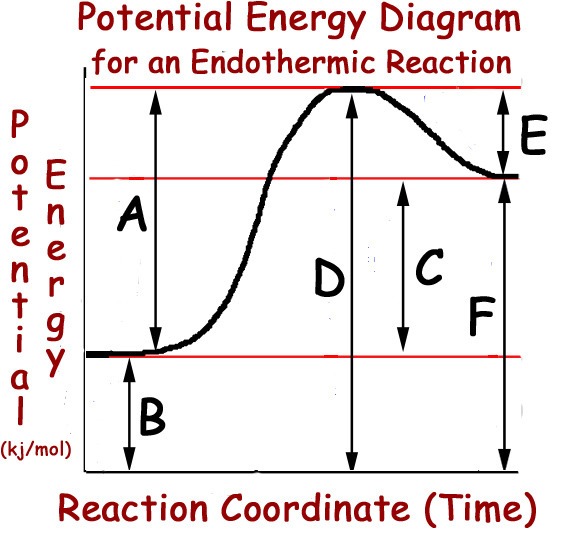
18.1.3 Potential Energy Diagram

Total questions: 124

Worksheet time: 2hrs 44mins
Name
Class
Date
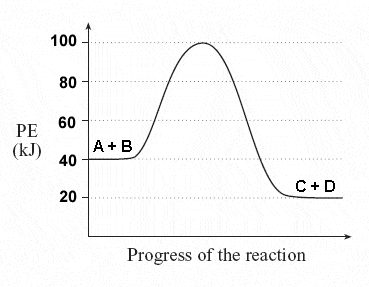
1.
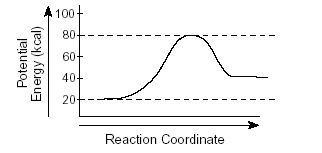
What is the PE of the reactants?
a)
40 kJ
b)
20 kJ
c)
100 kJ
d)
60 kJ
2.
What is the PE of the products?
a)
40 kJ
b)
20 kJ
c)
100 kJ
d)
60 kJ
3.
What is the activation energy?
a)
40 kJ
b)
20 kJ
c)
100 kJ
d)
60 kJ
4.
What is the PE of the activated complex?
a)
40 kJ
b)
20 kJ
c)
100 kJ
d)
60 kJ
5.
What is the change of the heat of the reaction (ΔH)?
a)
40 kJ
b)
20 kJ
c)
100 kJ
d)
60 kJ
6.
Is the reaction endothermic or exothermic?
a)
Endothermic
b)
Exothermic
c)
Caroussothermic
d)
Nonthermic
7.
Is the reaction endothermic or exothermic?
a)
Endothermic
b)
Exothermic
c)
Caroussothermic
d)
Nonthermic
8.
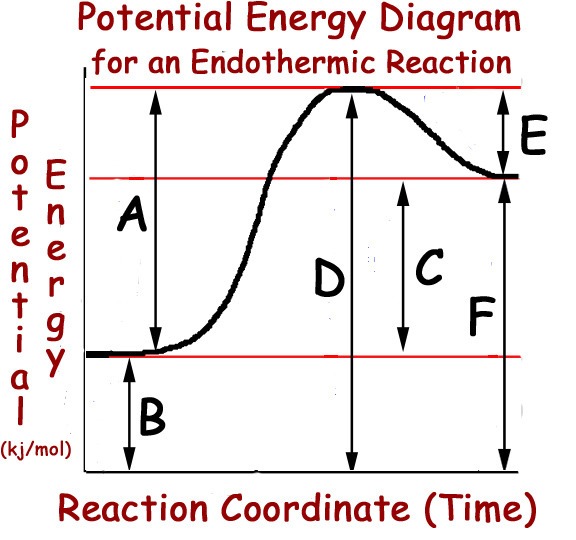
Which letter represents the PE of the reactants?
a)
B
b)
A
c)
C
d)
D
9.
Which letter represents the PE of the products?
a)
B
b)
E
c)
C
d)
D
10.
Which letter represents the activation energy?
a)
B
b)
E
c)
C
d)
D
11.
Which letter represents the change of the heat of the reaction?
a)
B
b)
E
c)
C
d)
D
12.
What is the PE of the reactants?
a)
100 kJ
b)
175 kJ
c)
50 kJ
d)
75 kJ
13.
What is the PE of the products?
a)
100 kJ
b)
175 kJ
c)
50 kJ
d)
75 kJ
14.
What is the activation energy?
a)
100 kJ
b)
175 kJ
c)
50 kJ
d)
75 kJ
15.
What is the change of the heat of the reaction (ΔH)?
a)
100 kJ
b)
175 kJ
c)
50 kJ
d)
75 kJ
16.
Is this reaction endothermic or exothermic?
a)
Caroussothermic
b)
Endothermic
c)
Exothermic
d)
Endoexthermic
17.
Which number represents the change of the heat of the reaction (ΔH)?
a)
1
b)
2
c)
3
d)
4
18.
Which number represents the activation energy?
a)
1
b)
2
c)
3
d)
4
19.
Which number represents the activated COMPLEX?
a)
1
b)
2
c)
3
d)
4
20.
Is the reaction endothermic or exothermic?
a)
Endothermic
b)
Exothermic
c)
Endoexo
d)
Exoendo
21.
Which letter represents the reactants?
a)
B
b)
A
c)
Z
d)
X
22.
Which letter represents the products?
a)
B
b)
A
c)
Z
d)
X
23.
Is this reaction endothermic or exothermic?
a)
Endothermic
b)
Exothermic
c)
Exoendo
d)
Endoexo
24.
Is this reaction endothermic or exothermic?
a)
Endothermic
b)
Exothermic
c)
Exoendo
d)
Endoexo
25.
What is the PE of the reactants?
a)
30 kJ
b)
10 kJ
c)
40 kJ
d)
20 kJ
26.
What is the PE of the products?
a)
30 kJ
b)
10 kJ
c)
40 kJ
d)
20 kJ
27.
What is the activation energy?
a)
30 kJ
b)
10 kJ
c)
40 kJ
d)
20 kJ
28.
Is this reaction endothermic or exothermic?
a)
Exoendo
b)
Caroussothermic
c)
Endothermic
d)
Exothermic
29.
Is this reaction endothermic or exothermmic?
a)
Exothermic
b)
Endothermic
c)
Exoendo
d)
Thermos
30.
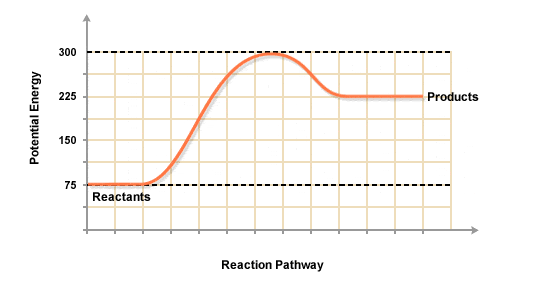
What is the PE of the reactants?
a)
225 kJ
b)
75 kJ
c)
250 kJ
d)
150 kJ
31.
What is the PE of the products?
a)
225 kJ
b)
75 kJ
c)
250 kJ
d)
150 kJ
32.
What is the activation energy?
a)
250 kJ
b)
75 kJ
c)
225 kJ
d)
150 kJ
33.
What is the heat of the reactions (ΔH)?
a)
250 kJ
b)
75 kJ
c)
225 kJ
d)
150 kJ
34.
What letter represents the energy of the products?
a)
A
b)
B
c)
C
d)
D
35.
What type of reaction is this?
a)
Endothermic
b)
Exothermic
36.
What letter represents the activation energy?
a)
A
b)
B
c)
C
d)
D
37.
Is this reaction endothermic or exothermic?
a)
endothermic 
b)
exothermic
38.

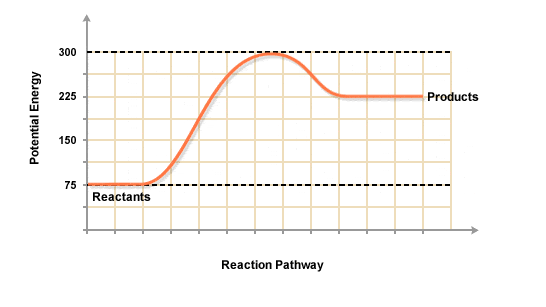
What is the ΔH of this reaction?

a)

40 kJ

b)

20 kJ

c)

80 kJ

d)

-60 kJ

39.
What is the energy of the activated complex?
a)
75 kJ
b)
225 kJ
c)
300 kJ
d)
225 kJ
40.
What letter represents ΔH?
a)
A
b)
B
c)
C
d)
D
41.
What is the sign of ΔH for all endothermic reactions?
a)
Positive
b)
Negative
42.
What is the activation energy?
a)
40 kJ
b)
20 kJ
c)
100 kJ
d)
60 kJ
43.

What is the change of the heat of the reaction (ΔH)?

a)

-40 kJ

b)

-20 kJ

c)

100 kJ

d)

60 kJ

44.
Which letter represents the activation energy?
a)
B
b)
E
c)
C
d)
D
45.
What is the PE of the reactants?
a)
100 kJ
b)
175 kJ
c)
50 kJ
d)
75 kJ
46.
What is the PE of the products?
a)
100 kJ
b)
175 kJ
c)
50 kJ
d)
75 kJ
47.
What is the activation energy?
a)
100 kJ
b)
175 kJ
c)
50 kJ
d)
75 kJ
48.

What is the change of the heat of the reaction (ΔH)?

a)

100 kJ

b)

-175 kJ

c)

-50 kJ

d)

75 kJ

49.

What is the potential energy of the products?

a)

40 kJ

b)

20 kJ

c)

100 kJ

d)

60 kJ

50.

What is the potential energy of the reactants?

a)

40 kJ

b)

20 kJ

c)

100 kJ

d)

60 kJ

51.

Is this reaction endothermic or exothermic?

a)

Endothermic

b)

Exothermic

52.

Is the reaction endothermic or exothermic?

a)

Endothermic

b)

Exothermic

53.

Is the reaction endothermic or exothermic?

a)

Endothermic

b)

Exothermic

54.
Which letter represents the products?
a)
B
b)
A
c)
Z
d)
X
55.
Which letter represents the reactants?
a)
B
b)
A
c)
Z
d)
X
56.
What is the activation energy?
a)
100 kJ
b)
175 kJ
c)
50 kJ
d)
75 kJ
57.
What is the activation energy?
a)
30 kJ
b)
10 kJ
c)
40 kJ
d)
20 kJ
58.
Which letter represents the activation energy?
a)
B
b)
E
c)
C
d)
D
59.
Which number represents the activation energy?
a)
1
b)
2
c)
3
d)
4
60.
What is the change of the heat of the reaction (ΔH)?
a)
100 kJ
b)
175 kJ
c)
50 kJ
d)
75 kJ
61.

What is the heat of the reaction (ΔH)?

a)

250 kJ

b)

75 kJ

c)

225 kJ

d)

150 kJ

62.
Which letter represents the change of the heat of the reaction?
a)
B
b)
E
c)
C
d)
D
63.
Which number represents the change of the heat of the reaction (ΔH)?
a)
1
b)
2
c)
3
d)
4
64.

Which letter represents the location on the graph where the activated complex can be found?

a)

A

b)

B

c)

C

d)

D

65.
What letter represents the energy of the products?
a)
A
b)
B
c)
C
d)
D
66.
What letter represents the energy of the products?
a)
A
b)
B
c)
C
d)
D
67.
What letter represents the activation energy?
a)
A
b)
B
c)
C
d)
D
68.
Is this reaction endothermic or exothermic?
a)
endothermic 
b)
exothermic
69.

What is the ΔH of this reaction?

a)

40 kJ

b)

20 kJ

c)

80 kJ

d)

-60 kJ

70.
What is the energy of the activated complex?
a)
75 kJ
b)
225 kJ
c)
300 kJ
d)
225 kJ
71.
What letter represents ΔH?
a)
A
b)
B
c)
C
d)
D
72.
What is the sign of ΔH for all endothermic reactions?
a)
Positive
b)
Negative
73.
What is the energy of the activated complex?
a)
75 kJ
b)
225 kJ
c)
300 kJ
d)
225 kJ
74.
What is the energy of the activated complex?
a)
75 kJ
b)
225 kJ
c)
300 kJ
d)
225 kJ
75.
What letter represents ΔH?
a)
A
b)
B
c)
C
d)
D
76.
What is the sign of ΔH for all endothermic reactions?
a)
Positive
b)
Negative
77.
What is the activation energy?
a)
40 kJ
b)
20 kJ
c)
100 kJ
d)
60 kJ
78.

What is the change of the heat of the reaction (ΔH)?

a)

-40 kJ

b)

-20 kJ

c)

100 kJ

d)

60 kJ

79.
Which letter represents the activation energy?
a)
B
b)
E
c)
C
d)
D
80.
What is the PE of the reactants?
a)
100 kJ
b)
175 kJ
c)
50 kJ
d)
75 kJ
81.
What is the PE of the products?
a)
100 kJ
b)
175 kJ
c)
50 kJ
d)
75 kJ
82.
What is the activation energy?
a)
100 kJ
b)
175 kJ
c)
50 kJ
d)
75 kJ
83.

What is the change of the heat of the reaction (ΔH)?

a)

100 kJ

b)

-175 kJ

c)

-50 kJ

d)

75 kJ

84.
What type of reaction is this?
a)
Endothermic
b)
Exothermic
85.

What letter represents the energy of the products?

a)

A

b)

B

c)

C

d)

D

86.

If a catalyst for this reaction was present, which arrows would be affected?

a)

Arrow A

b)

Arrow B

c)

Arrow C

d)

Arrow D

e)

Arrows B and C

87.

What letter represents the activation energy for the forward reaction?

a)

A

b)

B

c)

C

d)

D

e)

E

88.

Is the forward reaction endothermic or exothermic?

a)

endothermic

b)

exothermic

89.

What is the ΔH of the forward reaction?

a)

40 kJ

b)

20 kJ

c)

80 kJ

d)

-60 kJ

e)

-20 kJ

90.

What is the energy of the activated complex?

a)

75 kJ

b)

225 kJ

c)

300 kJ

d)

225 kJ

91.
What is the sign of ΔH for all endothermic reactions?
a)
Positive
b)
Negative
92.

What is the value of ΔHrxn for the forward reaction?

a)

-40 kJ

b)

-20 kJ

c)

100 kJ

d)

60 kJ

e)

20 kJ

93.

Which letter represents the activation energy for the forward reaction?

a)

B

b)

E

c)

C

d)

D

e)

A

94.
What is the PE of the reactants?
a)
100 kJ
b)
175 kJ
c)
50 kJ
d)
75 kJ
95.
What is the PE of the products?
a)
100 kJ
b)
175 kJ
c)
50 kJ
d)
75 kJ
96.

What is the activation energy for the forward reaction?

a)

100 kJ

b)

175 kJ

c)

50 kJ

d)

75 kJ

97.

Which letter represents the activation energy for the reverse reaction?

a)

A

b)

B

c)

C

d)

D

e)

E

98.

If a catalyst were added, which arrows would change?

a)

A

b)

B

c)

C

d)

D

e)

E

99.
Which number represents the activated COMPLEX?
a)
1
b)
2
c)
3
d)
4
100.

The energy needed to start a chemical reaction is called

a)

potential energy

b)

activation energy

c)

kinetic energy

d)

ionization energy

101.
A ______________ is a substance that increases the rate of a reaction without being used up during the reaction. 
a)
catalyst
b)
product
c)
reactant
d)
solute
102.
What is the activation energy of the reverse reaction?
a)
75 kJ
b)
300 kJ
c)
150 kJ
d)
225 kJ
103.

What happens to the change in enthalpy when a catalyst is added?

a)

increases

b)

decreases

c)

remains the same

d)

cannot be determined

104.
What factors are required for a chemical reaction to occur?
a)
collision of reactant particles
b)
sufficient energy 
c)
favorable orientation of particles
d)
all of these
105.

Which letter represents the enthalpy change for the reaction?

a)

A

b)

B

c)

C

d)

D

e)

E

106.

Which letter represents the activation energy for the forward reaction?

a)

A

b)

B

c)

C

d)

D

e)

E

107.

Is the forward reaction exothermic or endothermic?

a)

Exothermic

b)

Endothermic

108.

Which letter represents the activation energy for the reverse reaction?

a)

A

b)

B

c)

C

d)

D

e)

E

109.

The enthalpy change of the reverse reaction will be...

a)

Positive

b)

Negative

110.

What is the energy of the activated complex?

a)

20 kJ

b)

40 kJ

c)

60 kJ

d)

80 kJ

e)

100 kJ

111.

What is the activation energy of the forward reaction?

a)

20 kJ

b)

40 kJ

c)

60 kJ

d)

80 kJ

e)

100 kJ

112.

What is the activation energy of the reverse reaction?

a)

20 kJ

b)

40 kJ

c)

60 kJ

d)

80 kJ

e)

100 kJ

113.

What is the enthalpy change for the forward reaction?

a)

+50 kJ

b)

-50 kJ

c)

+200 kJ

d)

-200 kJ

114.

What is the enthalpy change for the reverse reaction?

a)

+50 kJ

b)

-50 kJ

c)

+200 kJ

d)

-200 kJ

115.
What letter represents the energy of the products?
a)
A
b)
B
c)
C
d)
D
116.
What letter represents the activation energy?
a)
A
b)
B
c)
C
d)
D
117.
What is the energy of the activated complex?
a)
75 kJ
b)
225 kJ
c)
300 kJ
d)
225 kJ
118.
What is the activation energy?
a)
40 kJ
b)
20 kJ
c)
100 kJ
d)
60 kJ
119.

What is the change of the heat of the reaction (ΔH)?

a)

-40 kJ

b)

-20 kJ

c)

100 kJ

d)

60 kJ

120.
What is the PE of the reactants?
a)
100 kJ
b)
175 kJ
c)
50 kJ
d)
75 kJ
121.
What is the PE of the products?
a)
100 kJ
b)
175 kJ
c)
50 kJ
d)
75 kJ
122.
What letter represents ΔH?
a)
A
b)
B
c)
C
d)
D
123.

The energy needed to start a chemical reaction is called

a)

potential energy

b)

activation energy

c)

kinetic energy

d)

ionization energy

124.

Changes in activation energy during a chemical reaction are represented by a

a)

cooling curve

b)

heating curve

c)

potential energy diagram

d)

ionization energy diagram