wayground logo

Free Printable Worksheets

Font size

S
M
L
XL
Worksheets

science unit 10

Total questions: 105

Worksheet time: 2hrs 45mins

Name
Class
Date
1.

What type of change can be easily reversed?

a)

chemical change

b)

physical change

c)

both chemical and physical changes

d)

neither physical or chemical changes

2.

Which of the following is an example of a physical change?

a)

a bike rusting

b)

toast burning

c)

butter melting

d)

food spoiling

3.

Which of the following examples is a physical change but NOT a change of state of matter?

a)

logs burning

b)

water freezing into ice cubes

c)

candle wax melting

d)

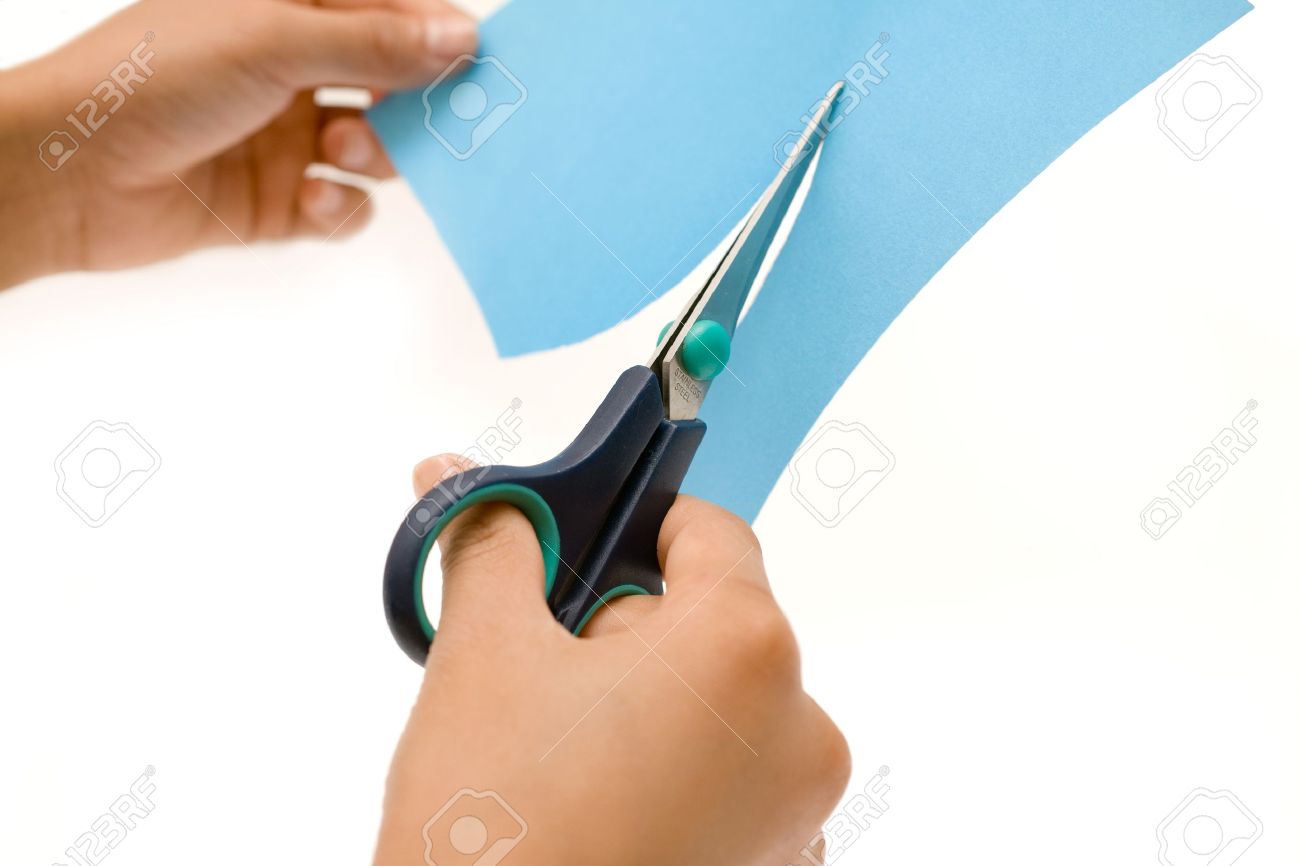
paper being cut

4.
Which is a way that a piece of paper can go through a chemical change?
a)
fold the paper in half
b)
soak the paper in water
c)
burn the paper with fire
d)
cut the paper with scissors
5.
Which of these is an example of a new substance being formed?
a)
a nail rusting
b)
a wall being painted
c)
water changing to steam
d)
paper being folded
6.
Which best describes a chemical change in paper?
a)
filing paper
b)
mailing paper
c)
burning paper
d)
cutting paper in half
7.
Which is an example of a chemical change?
a)
baking a cake
b)
freezing water
c)
crushing a can
d)
breaking an egg
8.
Which example best describes a physical change?
a)
iron rusting
b)
charcoal burning
c)
an ice cube melting
d)
a marshmallow burning
9.
When coffee is poured into a cup of ice, the ice begins to melt and mix with the coffee. Which statement best describes this change?
a)
The ice melting is a chemical change because the water changes form.
b)
The ice melting is a physical change because the water may be frozen again.
c)
The water and coffee mixing is a chemical change because the liquids change color.
d)
The water and coffee mixing is a physical change because the mixture forms bubbles.
10.
Stanley left an ice cube on his kitchen counter. An hour later, Stanley observed that the ice cube melted. Which statement best describes this change?
a)
Ice melting is a physical change because a new substance is created.
b)
Ice melting is a chemical change because a new substance is created.
c)
Ice melting is a chemical change because it may be reversed.
d)
Ice melting is a physical change because it may be reversed.
11.
Which of the following is NOT an example of a physical change?
a)
crumpled paper
b)
pencil sharpening
c)
shrunken clothing
d)
sour milk
12.
When you break a cracker into pieces it is a 
a)
Chemical change
b)
Physical change
c)
Chemical Weathering
d)
Physical Weathering
13.
melting ice cream
a)
physical change
b)
chemical change
14.
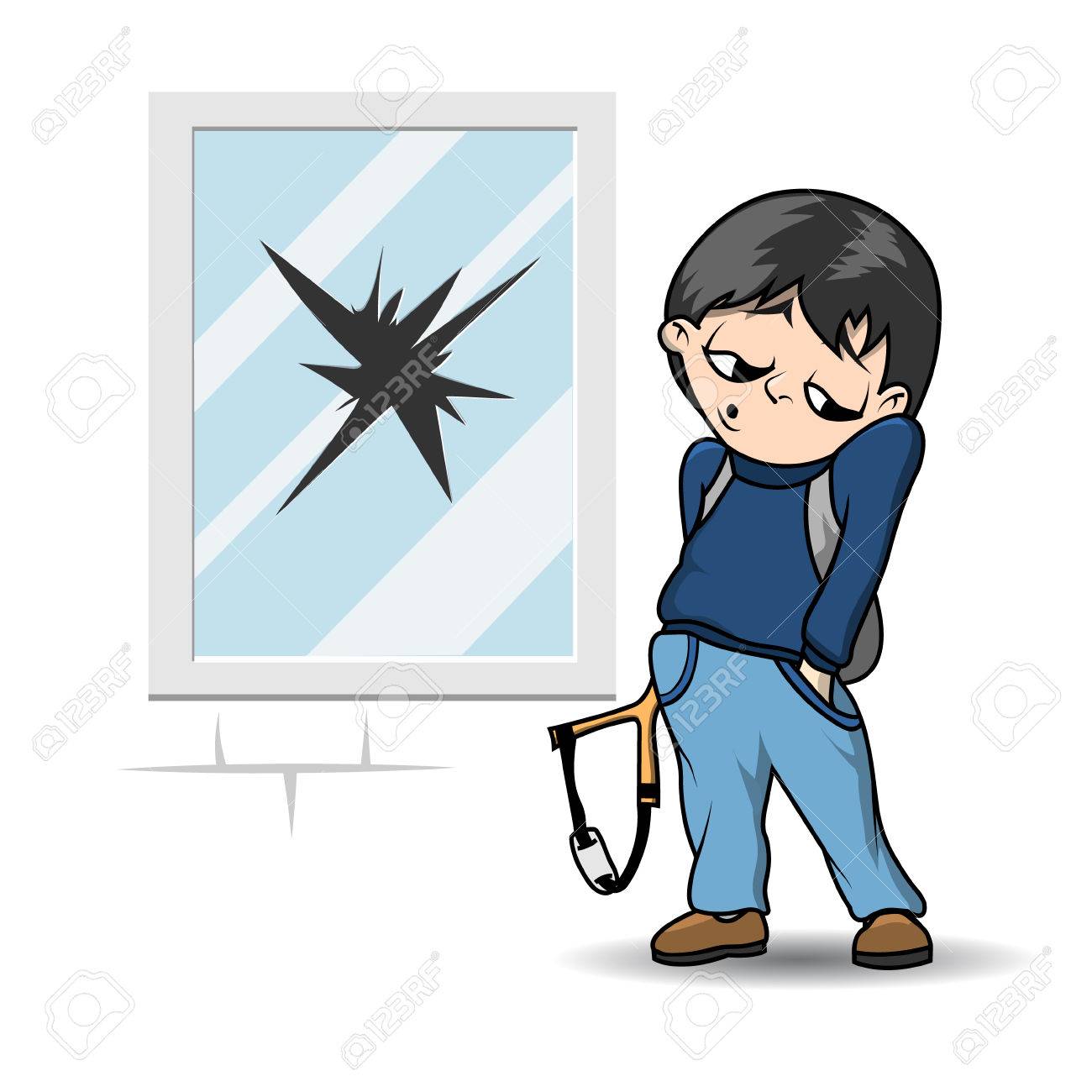
glass breaking
a)
physical change
b)
chemical change
15.
a rusting bicycle
a)
physical change
b)
chemical change
16.
mowing the lawn
a)
physical change
b)
chemical change
17.
fireworks exploding
a)
physical change
b)
chemical change
18.
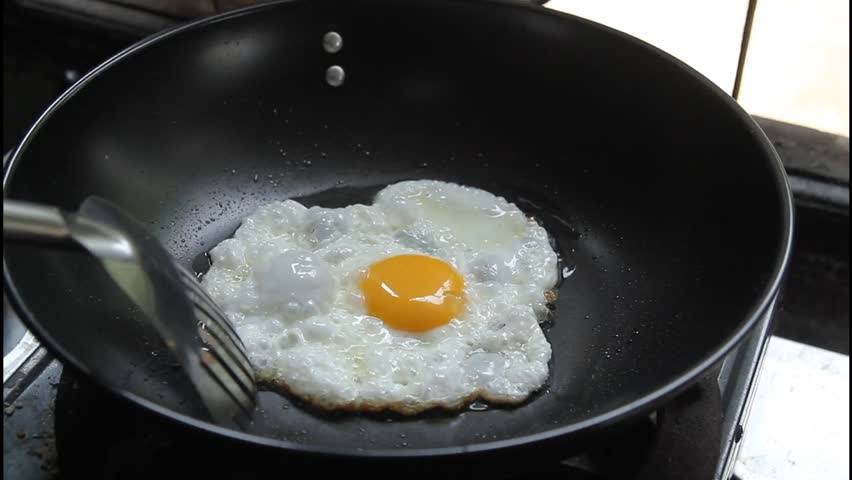
frying an egg
a)
physical change
b)
chemical change
19.
a)
physical change
b)
chemical change
20.
freezing chocolate covered bananas
a)
physical change
b)
chemical change
21.
corroding metal
a)
physical change
b)
chemical change
22.
separating sand and gravel
a)
physical change
b)
chemical change
23.

What is the temperature at which a substance changes state from a liquid into a gas?

a)

Boiling Point

b)

Freezing Point

c)

Physical Change

d)

Melting Point

24.

What is a change of matter in size, shape, or state that does not change the type of matter?

a)

Boiling Point

b)

Freezing Point

c)

Physical Change

d)

Conservation of mass

25.

What is the temperature at which a substance changes state from a liquid to a solid?

a)

Boiling Point

b)

Freezing Point

c)

Conservation of mass

d)

Melting Point

26.

What is a physical law that states that matter is not created or destroyed during a chemical reaction?

a)

Boiling Point

b)

Physical Change

c)

Conversation of mass

d)

Melting Point

27.

What is the particular temperature at which a substance changes state from a solid into a liquid?

a)

Boiling Point

b)

Freezing Point

c)

Physical Change

d)

Melting Point

28.

What is a physical combination of two or more substances that are blended together without forming new substances?

a)

Mixture

b)

Solution

c)

Colloid

d)

Distillation

29.

What is a change of matter that occurs when atoms link together in a new way, creating a new substance that is different from the original substances?

a)

Chemical Property

b)

Chemical Change

c)

Chemical Reaction

d)

Product

30.

What is an event that occurs as two or more substances are combined to form a new substance?

a)

Chemical Change

b)

Chemical Property

c)

Chemical Reaction

d)

Precipitate

31.

When heat is added to an ice cube, it will change to a

a)

liquid

b)

solid

c)

plasma

32.

Burning a piece of paper is an example of a

a)

Physical Change

b)

Chemical change

33.

Chex mix is an example of a

a)

Solution

b)

Chemical change

c)

Mixture

34.

Scrambling eggs is an example of

a)

A physical change

b)

A chemical change

c)

Solution

35.

Tearing paper into small pieces is an example of a

a)

Mixture

b)

Physical change

c)

Chemical change

36.

Which of the following is a chemical change?

a)

Cutting bread

b)

Slicing carrots

c)

Melting butter

d)

Soured milk

37.

Which of the following is a physical change?

a)

Ice melting

b)

Baking potatoes

c)

Rusty nail

d)

Rotting wood

38.

Which change creates a NEW substance?

a)

Physical change

b)

Chemical Change

39.
Is burning wood a chemical or physical change?
a)
chemical
b)
physical
40.
Is glass breaking a chemical or phyiscal change?
a)
chemical
b)
physical
41.
Is a a rusting bicycle a chemical or physical change?
a)
chemcial
b)
physical
42.
Is hammering wood together to build a house a chemical or physical change?
a)
chemical
b)
physical
43.
Is melting butter for popcorn a chemical or physical change?
a)
chemical
b)
physical
44.
Is spoiling food a physical or chemical change?
a)
phyiscal
b)
chemical
45.
Is moldy cheese a chemical or physical change?
a)
chemical
b)
physical
46.
a copper penny turning greenish after a few years.
a)
Chemical Change
b)
Physical Change
47.
Green bananas turning yellow on their own as they ripen.
a)
Chemical Change
b)
Physical Change
48.
A change in the size, shape, or state of matter.
a)
chemical change
b)
physical change
c)
chemical reaction
d)
electron change
49.
Baking a cake by mixing flour, sugar, chocolate powder, eggs, and milk, and then heating them in the oven.
a)
Chemical Change
b)
Physical Change
50.
Ice melting
a)
Chemical Change
b)
Physical Change
51.
Water freezing
a)
Chemical Change
b)
Physical Change
52.
Shredding a piece of paper
a)
Chemical Change
b)
Physical Change
53.
Burning coal
a)
Chemical Change
b)
Physical Change
54.
Water that is heated and changed to steam is a 
a)
Physical change
b)
Chemical change
55.
Melting butter to pour over popcorn is a 
a)
Chemical change
b)
Physical change
56.
Burning wood is an example of 
a)
Chemical change
b)
Physical change
57.
Glass breaking s an example of a
a)
Chemical change
b)
Physical change
58.
Pancakes frying on a griddle is an example of a
a)
Physical change
b)
Chemical change
59.
A ___________ change leads to the formation of a different substance.
a)
Physical change
b)
Chemical change
60.
Which of the following is an example of a chemical change?
a)
melting chocolate
b)
crushing a soda can
c)
cutting paper
d)
wood burning
61.

What is a chemical change?

a)

Forming a new substance

b)

When two or more substances combine to make a greater one

c)

When two or more substances combine to make a new chemical substance

d)

Combing substances

62.

What is a physical change?

a)

I Don't care!

b)

A change in the form or appearance of a substance

c)

a change in a substance to something new

d)

molecules interacting and changing into a new substance

63.

Which of the following are examples of a Chemical Change?

a)

Iron Rusting

b)

Gas Burning

c)

Breaking a glass

d)

Boiling water

e)

Burning Wood

64.

Select the properties of a physical change!

a)

Color

b)

Shape

c)

Size

d)

Bubbles

e)

Temperature

65.

Which is an example of a chemical change?

a)

Cutting paper

b)

Digesting Food

c)

Crumbling paper

d)

Boiling water

66.

Which is an example of a physical change?

a)

Cooking

b)

Buring Wood

c)

Ripping paper

d)

Digesting Food

67.

Which of the following isn't a chemical change?

a)

digesting food

b)

boiling water

c)

fireworks

d)

baking bread

68.

Is this a Chemical or a Physical change?

Fireworks

a)

Chemical

b)

Physical

c)

Both

d)

Neither

69.

Chemical or Physical change?

Ice melting

a)

Chemical

b)

Physical

c)

Neither

d)

Both

70.
In a chemical change, particles that make up two or more substances are rearranged to _________. 
a)
form a mixture
b)
form a new substance 
c)
mix into a solid 
d)
mix into a solution 
71.
Burning paper is an example of which type of change? 
a)
Chemical change
b)
Physical change 
72.
Change in the shape or form of matter like dissolving sugar in water, is a type of _________
a)
nuclear change 
b)
mass change 
c)
physical change 
d)
chemical change 
73.
Digesting food is an example of which type of change? 
a)
Physical change 
b)
Nuclear change 
c)
Mass change 
d)
Chemical change 
74.
Folding paper is an example of which type of change? 
a)
Physical change 
b)
Chemical change 
75.
Rusting metal is a ______________
a)
physical change 
b)
chemical change 
76.
Mixing together flour, eggs, sugar, and milk to make a cake is a _________
a)
chemical change 
b)
physical change 
77.

Burning leaves is an example of …

a)

a physical change

b)

a chemical change

c)

a controlled change

d)

evaporation

78.

Candle wax dripping after being lit by a match is an example of …

a)

a physical change

b)

a chemical change

c)

a controlled change

d)

a gaseous change

79.

Which of the following is a physical change?

a)

Rusty nail

b)

Baking potatoes

c)

Orange being squeezed to make orange juice

d)

Rotting wood

80.
Freezing Juice?
a)
Physical Change
b)
Chemical Change
81.
Rotting bananas?
a)
Physical Change
b)
Chemical Change
82.
Cutting your hair?
a)
Physical Change
b)
Chemical Change
83.
A change that does not result in a new substance.
a)
Physical Change
b)
Chemical Change 
84.

What kind of change is cutting paper?
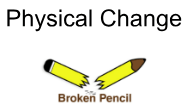
a)
b)
85.

What kind of change is breaking a window?
a)
b)
86.

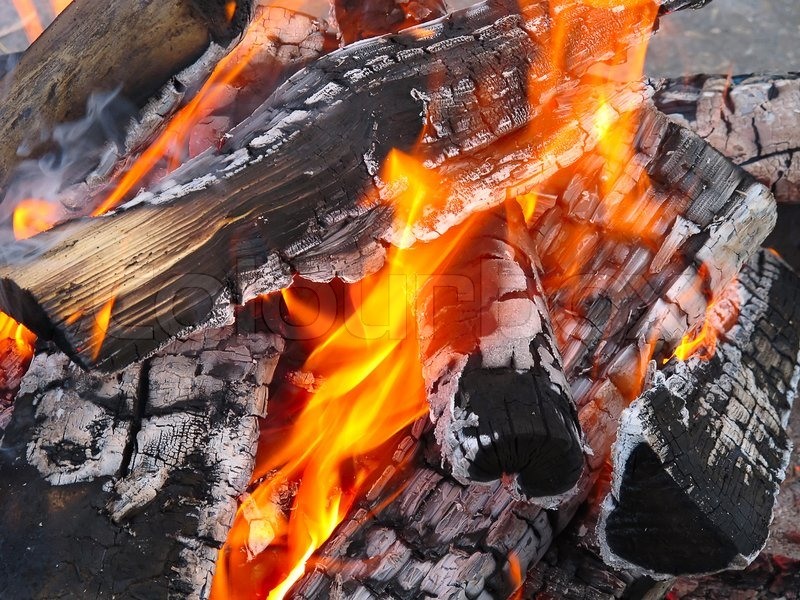
What kind of change is burning wood?

a)
b)
87.

What kind of change is frying an egg?
a)
b)
88.

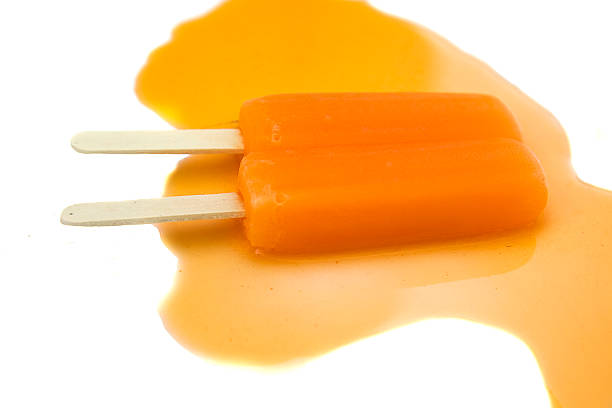
What kind of change is a melting popsicle?

a)
b)
89.

What kind of change is baking a cake?
a)
b)
90.

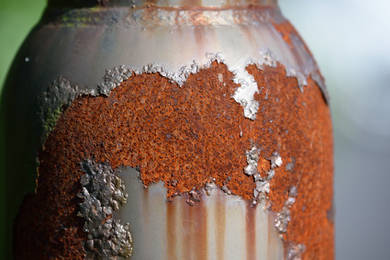
What kind of change is metal rusting?

a)
b)
91.

What kind of change is freezing water into ice cubes?

a)
b)
92.

What kind of change is crushing a soda can?

a)
b)
93.

What kind of change is cutting your hair?

a)
b)
94.

What kind of change is squeezing juice out of an orange?

a)
b)
95.

Alex baked a batch of cookies. When the cookies came out of the oven, Alex noticed that color of the cookies had changed. They smelled different than the raw cookie dough. The raw cookie dough was sticky and soft and the baked cookies are dry and firm. What kind of change has taken place in the cookies?

a)

chemical change-combustion

b)

physical change-melting

c)

physical change-freezing

d)

chemical change-cooking

96.

When water changes from a liquid to a solid, it ______________ which is a ___________ change.

a)

melts, chemical

b)

melts, physical

c)

freezes, physical

d)

freezes, chemical

97.

Which is a chemical change?

a)

frying eggs

b)

freezing water

c)

tearing a paper

d)

melting a candle

98.
A paper being waded up.
a)
Chemical Change
b)
Physical Change
99.
A piece of paper being burned.
a)
Chemical Change
b)
Physical Change
100.

Rusty nails is an example of ....

a)

Physical change

b)

Chemical change

101.

When two or more substances combine, but it does not form anything new like salt and pepper or trail mix

a)

Chemical

b)

Matter

c)

mixture

d)

volume

102.

A change that does not result in a new substance

a)

chemical property

b)

chemical change

c)

physical propert

d)

physical change

103.

If a new substance has formed, which type of change has taken place?

a)

Physical Change.

b)

Chemical Change.

c)

No Change.

104.

If a new substance is not formed, which type of change has taken place?

a)

Physical Change.

b)

Chemical Change.

c)

No Change.

105.

If your pencil lead breaks while writing, which type of change has taken place?

a)

Physical Change.

b)

Chemical Change.

c)

No Change.