
 Worksheets
P5 REVIEW CHAPTER 4-5 MATTER
Total questions: 100
Worksheet time: 59mins


Adding energy to water causes the water particles to...
speed up
slow down
When water is heated on a stove, which kind of energy is transferred from the element to the water?
element energy
heat energy
kinetic energy
thermal energy
Adding thermal energy to a cup of water may cause the particles to _____.
move faster
move closer together
slow down
collide less frequently
During a hot shower, water vapor fogs up the cooler mirror when it turns to water. This is an example of _____.
condensation
deposition
sublimation
vaporization

Robert needed to gather firewood. He cut down several trees and cut them into smaller pieces. What type of change happened to the tree?
Chemical Change
Physical Change

When Jake breathes out on a cold day, a cloud is formed. Which change occurs that lets Jake see his breath as a cloud?
liquid changes to solid
solid changes to a gas
liquid changes to a gas
gas changes to a liquid

Taylor put iron filings and sand in a jar. She put a lid on the jar and shook it until the two materials combined, but the materials did not bond together. What did Taylor make?
element
compound
mixture
molecule

On a warm, sunny afternoon, ocean water splashed onto a rock. A short time later, the rock was dry. Which statement best explains what happened to the water on the rock?
Heat caused the water to become a gas.
Salt melted the water and it disappeared.
Heat melted the water and it disappeared.
Salt caused the water to become a gas

What is the best way to separate a mixture of iron filings and sand?
Use a magnet to separate out the iron
Pour the dry mixtures through a filter
Add water to the mixture
Heat the mixture over a flame

When water changes from solid to liquid to gas, which statement is true?
The weight increases.
The weight stays the same.
The temperature decreases.
The temperature stays the same.

Margaret made a birthday cake for her mother. She lit the candles with a match. What type of change happened when she lit the match?
Physical Change
Chemical Change

A glass of iced tea is placed on a table. After 10 minutes, there are drops of water on the outside surface of the glass. Which change in phase caused the drops of water?
Water vapor from the air evaporated into a liquid.
Liquid water in the air evaporated into a gas.
Liquid water in the air condensed into a solid.
Water vapor from the air condensed into a liquid.

What two physical properties could best describe a basketball?
weight, solubility
magnetism, hardness
color, texture
size, magnetism
Freezing is what happens when
a liquid changes to solid
gas changes to liquid
solid changes to liquid


1. Here are some examples of liquids, except ….


2. Solid gains heat and become liquid.
The changing state is called ….
condensation
melting
freezing
evaporation
3. Here are the three states of matter, except ….
light
solid
liquid
gas
4. I put some water in the freezer. The water freezes.
The changing state is from liquid to ….
gas
light
solid
liquid
7. This change of state takes place when water boils. It is ....
freezing
condensation
melting
boiling
8. Liquid loses heat and become solid.
The changing state is called ….
freezing
melting
boiling
condensation
9. The picture which shows the changing state of condensation is ….


10. The change of liquid into a gas is called ….
freezing
evaporation
melting
condensation

Q3: Which of these best describes the texture of the marbles?
shiny
smooth
glass
round
Q5: When a piece of candy is broken into smaller pieces, what changes?
the color and texture
the size and shape
the state of matter
The size and luster
Q7: When a slice of pizza is eaten what changes about the whole pizza?
the taste
the smell
the shape
the color
What statement BEST describes a liquid?
Liquids have a definite shape and definite volume.
Liquids have definite shape and variable volume.
Liquids have variable shape and variable volume.
Liquids have variable shape and definite volume.
Josh decided his glass of iced tea needed to be sweeter. He found two types of sugar he could use in the kitchen. There was a bowl of loose crystal sugar and a bowl of sugar cubes. Which one will dissolve faster in the iced tea?
It will not matter which sugar he uses
The loose sugar crystals
The sugar cubes
Sugar will not dissolve in iced tea
Usually when the particle size is decreased, what will happen to the rate of dissolving?
It will stop.
It will increase.
It will remain constant.
It will decrease.
A change in matter that produces a new compound with different properties from the original is a
physical change
chemical change
reactant
product
Which term describes when a substance is changed from a liquid to a gas?
Condensation
Evaporation
Filtration
Precipitation
Tim has two beakers of liquid at room temperature. He places both beakers on a hot plate. The liquid in Beaker A boils before the liquid in Beaker B.
Which statement explains why the liquid in Beaker A boils before the liquid in Beaker B?
Beaker A has a lower boiling point
Beaker B has a higher freezing point
The liquid in Beaker A has less mass
The liquid in Beaker B has a lower density
A mixture of sand, salt, and iron fillings is stirred into a beaker of water. The mixture is then allowed to settle.
What will separate the iron fillings from the mixture?
Magnetism
Filtration
Flotation
Sifting
Sherry wants to dissolve rock salt in a glass of water at room temperature.
Which process will speed up the time it takes for the salt to dissolve?
Add hot water to the glass
Add cold water to the glass
Pour the water into a larger container
Pour the water into a smaller container

A scientist uses an instrument to study the small particles in a piece of matter. The diagram shows what the scientist sees.
What state of matter is the scientist most likely observing?
gas
solid
liquid
vapor

A scientist uses an instrument to study the small particles in a piece of matter. The diagram shows what the scientist sees.
What state of matter is the scientist most likely observing?
gas
solid
liquid
vapor

A scientist uses an instrument to study the small particles in a piece of matter. The diagram shows what the scientist sees.
What state of matter is the scientist most likely observing?
gas
solid
liquid
plasma

This is an example of particles in a _____.
solid
liquid
gas

This is an example of particles in a _________.
solid
liquid
gas

This is an example of particles in a ______.
solid
liquid
gas

Butter on a hot pancake is an example of?
Freezing
Melting
Condensation
Freezing

Water turning into ice is an example of?
Condensation
Freezing
Melting
Evaporation

When water turns into ice we call it...
Evaporation
Condensation
Melting
Freezing
The changing from liquid to gas is ...
Boiling
Melting
Evaporation
Sublimation
The changing from gas to liquid is ...
Condensation
Sublimation
Deposition
Evaporation
which is the following is example of condensation?
dew drops in the morning
camper
ice cube melts
boiling water
A solid has a ... shape
Fixed
No fixed
According to the container
Fill the room

We can't see the gas of perfume. But we can know it by smelling the fragrance. Because it is a ... objects
solid
gas
liquid
squishy
There are three of states of matter ...
solid , liquid , gas
solid, liquid , milk
milk, water and gas
bricks, rain, juice

Air , gas on the balloons , fragrance of perfume are .... objects
gas
liquid
solid
toys

What state of matter does this picture show?
liquid
solid
gas
matter

What state of matter does this picture show?
liquid
solid
gas
matter
Which one illustrates the particles of solid?


When we heat water enough, it turns into water vapour (uap air). This change of state is called .....
steam
boiling
condensation
melting
The boiling point of pure water is .... Celcius degrees
100
120
140
160
The picture of liquid particles is . . . .


Liquids change into solids when they are . . . .
heated
melted
evaporated
cooled
The particles are far apart and free to move in all direction. This statement belongs to . . . .
liquid
gas
solid
gel
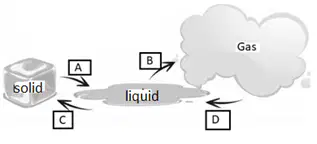
The changing state of letter B is . . . .
condensation
melting
freezing
evaporation
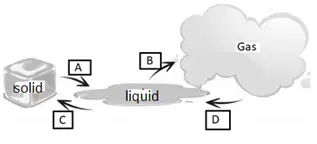
The freezing is shown by letter . . . .
A
B
C
D
When the water loses heat, it . . . .
condenses
freezes
melts
evaporates
The component which dissolves in the water is called . . . .
solution
solute
solvent
mixture
The mixture of solute and solvent is . . . .
(a)
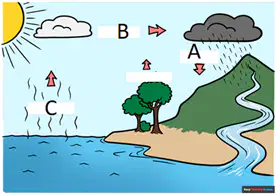
The name of the process which shows by letter B is . . . .
evaporation
presipitation
infiltration
condensation
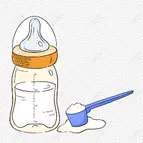
Based on the picture, the solvent is ........
water
milk powder
choco powder
tea water
What are the three states of matter?
Rock, Brick, Shoe
Liquid, Water, Soda
Solid, Liquid, Gas
Rain, Sleet, Snow
When water vapor gets cold, it turns to a...
liquid
raindrop
solid
ice
I have a definite shape and a definite volume.
gas
solid
plasma
liquid
My particles move the slowest.
solid
gas
liquid
plasma
When a gas becomes a liquid
evaporation
freezing
boiling
condensation
I have a definite volume, but no definite shape
gas
plasma
liquid
solid
I have no definite shape, and no definite volume
gas
plasma
solid
liquid
My particles are able to slide past one another, but are still close together
gas
plasma
solid
liquid

