Wayground logo

Free Printable Worksheets

Font size

S
M
L
XL
Worksheets

Ecology Quiz

Total questions: 74

Worksheet time: 3575secs
Name
Class
Date
1.
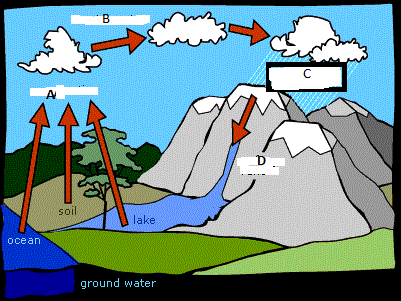
Rain, sleet, snow, and hail are all forms of _____.
a)
Percolation
b)
Evaporation
c)
Condensation
d)
Precipitation
2.
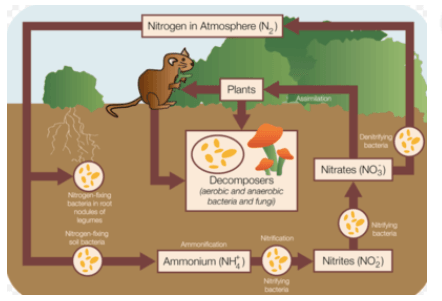
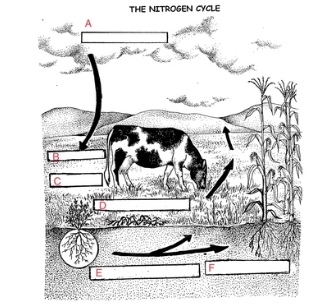
Which of the following best explains why nitrogen fixation must take place?
a)
Atmospheric nitrogen is unusable to plants and animals
b)
Nitrogen must be returned to the atmosphere
c)
Animals must breathe in nitrogen
d)
Nitrogen gets "stuck" in the soil and must be untrapped
3.
What is A?
a)
Evaporation
b)
Condensation
c)
Precipitation
d)
Runoff
4.
When nitrogen gas is turned in to a form that plants and animals can use is called 
a)
Combustion
b)
Photosynthesis
c)
Decomposition
d)
Nitrogen Fixation
5.

A correct path that nitrogen could take would be

a)

air -> animals -> plants -> bacteria

b)

animals -> air -> bacteria -> plants

c)

bacteria -> air -> plants -> animals

d)

air -> bacteria -> plants -> animals

6.

All of Earth’s water, ice, and water vapor.

a)

Biosphere

b)

Biota

c)

Geosphere

d)

Hydrosphere

7.

________ is a partially enclosed body of water formed where a river flows into an ocean.

a)

Estuary

b)

Watershed

c)

Littoral zone

d)

Benthic zone

8.
The idea that no two species within an ecosystem can occupy the exact same niche
a)
niche overlap
b)
niche differentiation
c)
competitive exclusion
d)
niche decay
9.
An organism's _________ is defined as the environment in which it lives.
a)
habitat
b)
niche
c)
social structure
d)
ecosystem
10.

The ecological role an organism performs in their specific environment is considered the organism's...

a)

Habitat

b)

Population

c)

Biome

d)

Niche

11.

A relationship between two different species in which both species compete for limited resources, resulting in both species being negatively affected by the relationship.

a)

Symbiosis

b)

Interspecific competition

c)

Species richness

d)

Species-area effect

12.

The differentiation of niches that enables similar species to coexist in a community.

a)

Character displacement

b)

Climax community

c)

Resource partitioning

d)

Pioneer species

13.
The ecological niches of three bird species are shown in the diagram. What is the advantage of each bird species having a different niche?
a)
As more birds feed higher in the tree, available energy increases.
b)
More abiotic resources are available for each bird.
c)
Predators are less likely to feed on birds in a variety of locations.
d)
There is less competition for food.
14.
All food webs and food chains begin with _________________.
a)
primary consumer
b)
producers
c)
secondary consumers
d)
predators
15.
Overlapping food chains in an ecosystem make up....
a)
food web
b)
food chain
c)
niche
d)
symbiosis
16.
In this energy pyramid, which organisms have the most energy available?
a)
Producers
b)
Carnivores
c)
Herbivores
d)
Top Predator
17.
In an ecological pyramid, which type of organism always has the least amount of energy available?
a)
Producers
b)
Herbivores
c)
Carnivores
d)
Top Predator
18.
If there are 100 Kcal of energy available in the producers, how much energy would be available in the herbivores?
a)
10 Kcal
b)
1 Kcal
c)
100 Kcal
d)
1000 Kcal
19.
In this ecological pyramid which type of consumer gets only 10% of the energy stored in plants?
a)
Herbivore
b)
Carnivore
c)
Omnivore
d)
Secondary Consumer
20.
The diagram represents different levels of a marine food pyramid. Between which two levels is the least amount of energy transferred
a)
R and Q
b)
S and R
c)
T and S
d)
U and T
21.
A tertiary consumer has to be which type?
a)
Carnivore.
b)
Decomposer.
c)
Producer.
d)
Herbivore.
22.
This is the branch of biology that deals with the relations of organisms to one another and to their physical surroundings.
a)
Physics
b)
Ecology
c)
Chemistry
d)
Psychology
23.
When the animal dies, what do you call those organisms that break them down?
a)
Producers
b)
Decomposers
c)
Consumers
d)
None of the choices
24.

All of the different populations that live in a specific area ….

a)

ecosystem

b)

habitat

c)

community

25.
The Texas Kangaroo Rat, native to north-central Texas, makes its home in mesquite bushes.  If the mesquite bushes are cleared for human homes , which of the following is the most probable result?
a)
The rat population will rise (increase).
b)
The rat population will decline (decrease).
c)
The rat population will stay the same.
d)
The rat population will double.
26.
Scientific research shows that as tundra vegetation zones continue to move northward with the changing climate, caribou and reindeer may have a more difficult time finding food.  Which prediction below best explains the effect of this change on caribou and reindeer?
a)
Caribou and reindeer populations may increase because of their dependence on tundra vegetation.
b)
Caribou and reindeer populations will not be affected by this change to the ecosystem.
c)
Caribou and reindeer populations may decline because of their dependence on tundra vegetation. 
d)
Caribou and reindeer populations will increase as the food supply decreases.
27.
Which of the following is a herbivore?
a)
cricket
b)
frog
c)
hawk
d)
shrew
28.
The shrew provides energy for the _______?
a)
cricket
b)
grasshopper
c)
frog
d)
snake
29.

What are the two main processes that add carbon to atmosphere?

a)

Respiration

b)

Combustion

c)

Decomposition

d)

Photosynthesis

30.

Which of the following processes removes carbon from the atmosphere?

a)

Photosynthesis

b)

Combustion

c)

Decomposition

d)

Respiration

31.

Estimate the carrying capacity.

a)

100 deer

b)

80 deer

c)

60 deer

d)

40 deer

32.

SELECT ALL of the density-dependent limiting factors.

a)

Predation

b)

Disease

c)

Parasites

d)

Competition

33.

Which type of ecological succession begins on bare rock (no soil)?

a)

Primary

b)

Secondary

c)

Both

34.

Which type of succession would occur here?

a)

Primary

b)

Secondary

c)

Both

35.

Lichen is a pioneer species in which type of succession?

a)

Primary

b)

Secondary

c)

Both

36.
What is the physical location where plants and animals live?
a)
population
b)
habitat
c)
species
d)
niche
37.
A(n) _________ consists of all the living and non-living things that interact in an area. 
a)
ecology
b)
ecosystem
c)
habitat
38.
__________ factors are the living parts of an ecosystem.
a)
Biotic
b)
Abiotic
c)
Limiting
39.
__________  factors are the non-living parts of an ecosystem. 
a)
Biotic
b)
Abiotic
c)
limiting
40.
A _______ represents all the members of one species in a particular area. 
a)
community
b)
population
c)
carrying capacity
41.

Small consumers that are hunted and eaten by larger consumers

a)

producer

b)

prey

c)

predator

42.

Choose the decomposer.

a)

grass

b)

elephant

c)

bacteria

d)

bird

43.

A pride of lions stalks, tackles, and kills an antelope. Which is best being demonstrated?

a)

predation

b)

mutualism

c)

parasitism

d)

commensalism

44.

A tapeworm inside a dog is

a)

competition

b)

predation

c)

commensalism

d)

parasitism

45.

symbiotic relationship in which one organisms benefits and the other organism is not affected

a)

invasive (non-native) species

b)

mutualism

c)

parasitism

d)

commensalism

46.

symbiotic relationship in which both organisms benefit

a)

competition

b)

Mutualism

c)

nitrogen fixation

d)

energy pyramid

47.

Which 2 greenhouse gases contribute the MOST to global warming of Earth?

a)

N2O and H2O

b)

O3 and H2O

c)

CO2 and CH4

48.
Why is the increase of Greenhouse gasses a big issue?
a)
It causes climate change and increase in the global temerature 
b)
It can lead to a major increase in Greenhouses 
c)
It leads to more factories
d)
It causes a major decrease in people
49.
The gradual increase in the temperature of the atmosphere is known as ________________.
a)
Greenhouse Effect
b)
Global Warming
c)
Carbon Dioxide Gases
d)
Methane
50.
Why does cutting down trees increase global warming?
a)
trees soak up carbon dioxide
b)
trees provide shade which counteracts global warming
c)
trees absorbs the sun's energy without radiating back into the atmosphere
d)
trees drain greenhouse gases like methane from soil
51.

Green House gases

a)

absorb the sun's radiation and trap heat

b)

are good for our health

c)

absorb gravity and keep us attached to Earth

d)

expulse radiation to the sun and prevent us from getting to warm

52.

What gas is known for increasing the amount of "trapped" heat in the atmosphere?

a)

Oxygen

b)

Nitrogen

c)

Methane

d)

Carbon Dioxide

53.

What are wetlands?

a)

areas of land that are flooded at least part of the year

b)

the ocean

c)

lakes

d)

estuaries

54.
An area in which fresh water from a river mixes with salt water from the ocean
a)
Mangrove Swamp
b)
Estuary
c)
Marshes
d)
Wetland
55.

What is at the base of the food chain in the ocean?

a)

whales

b)

plankton

c)

turtles

d)

seaweed

56.
An increase in the amount of nutrients in an aquatic ecosystem
a)
Eutrophication
b)
Zootrophication
c)
Overfishing
d)
Swamping
57.

Photosynthetic organisms are found mainly in shallow water due to the availability of

a)

oxygen

b)

nutrients

c)

sunlight

d)

salt

58.

The mixture of saltwater and freshwater in an estuary is called __________________ water.

a)

brackish

b)

semi-salty

c)

partially-salty

d)

sorta-salty

59.

All of the following are examples of freshwater ecosystems EXCEPT ________________.

a)

ponds

b)

Estuaries

c)

lakes

d)

rivers

60.
The closer a biome is to the equator, the more we would expect it to be
a)
warmer & wetter
b)
warmer & drier
c)
cooler & wetter
d)
cooler & drier
61.
An aquatic ecosystem includes any
a)
fish and frogs living there
b)
water environment and the community of organisms living there
c)
water but no animals or plants
62.

The 2 type of aquatic ecosystems are

a)

freshwater and marine

b)

ponds and lakes

c)

oceans and lakes

d)

marine and coral reefs

63.
A desert is very hot during the day and receives very little rain. 
Which plants will most likely survive in this kind of environment?
a)
plants with waxy coatings
b)
plants with few roots
c)
plants with large leaves
d)
plants with soft stems
64.

Ground that is always frozen is called:

a)

freezy ground

b)

permafrost

c)

the deep freeze

d)

hot lands

65.
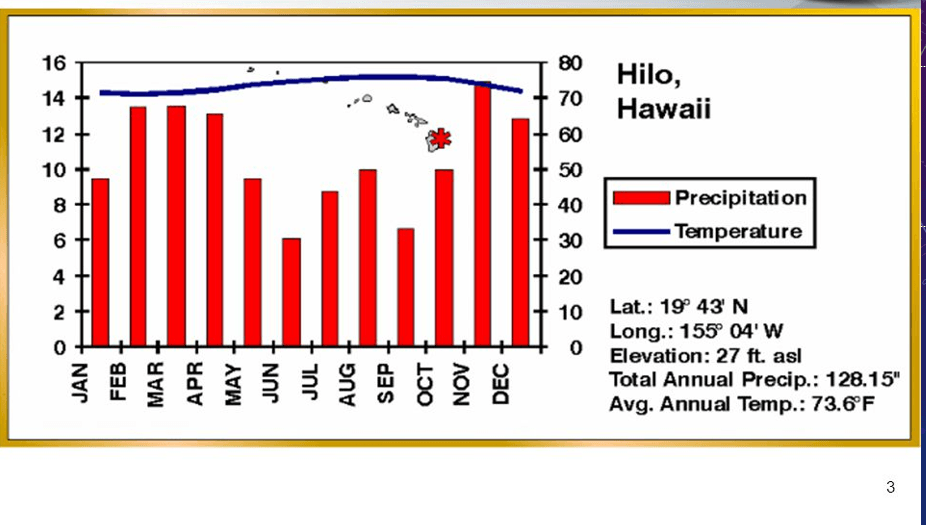
Which biome is represented by the climatograph?
a)
Rainforest
b)
Tundra
c)
Savanna
66.
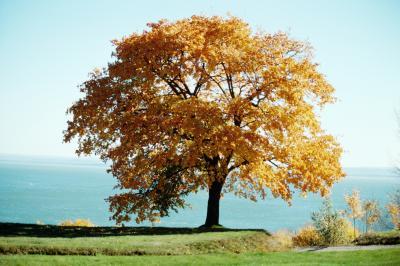
The biome known for trees with broad leaves that fall off the trees in the winter.
a)
Coniferous Forests
b)
Deciduous Forests
c)
Deserts
d)
Tropical Rain Forests
67.
Which biome is characterized by low temperatures and low amounts of rainfall?
a)
tundra
b)
desert
c)
temperate deciduous forest
d)
tropical rain forest
68.
Which major biome is home to cacti, mesquite, white thorn, pack rats, small reptiles, and coyotes?
a)
desert
b)
taiga
c)
tundra
d)
grassland
69.
This biome contains mostly spruce trees and Douglas firs, which are both evergreen.  The winters are long and cold and the summers are short and rainy.  The soil is very rich.  Moose and elk live here.  This biome is classified as a
a)
taiga
b)
tundra
c)
deciduous forest
d)
temperate forest
70.
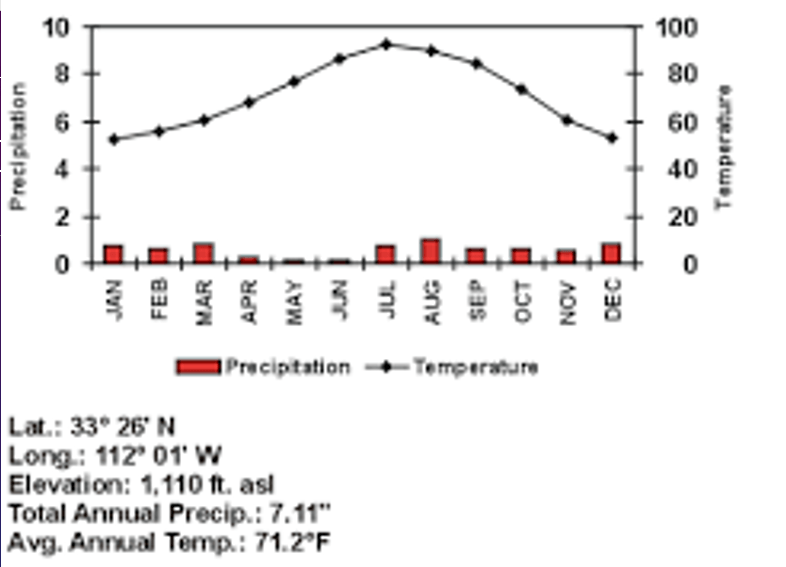
Which biome is represented by the climatograph?
a)
Grassland
b)
Tundra
c)
Desert
71.

In the nitrogen cycle, what does label A in the diagram represent?

a)

Gas

b)

Clouds

c)

Carbon dioxide in the atmosphere

d)

Nitrogen in the atmosphere

72.

Which of the following will DECREASE the amount of carbon dioxide in the atmosphere?

a)

Combustion of fossil fuels

b)

Respiration

c)

Photosynthesis

d)

Decomposition

73.

Which type of organisms are responsible for turning nitrogen gas into a form useable by other organisms?

a)

Animals

b)

Plantae

c)

Fungi

d)

Bacteria

74.

Aside from bacteria, another way that nitrogen gas can become "fixed" is through

a)

Thunder

b)

Magic

c)

Lightning

d)

Gravity