Wayground logo

Free Printable Worksheets

Font size

S
M
L
XL
Worksheets

Rocks Quiz Review

Total questions: 49

Worksheet time: 29mins

Name
Class
Date
1.

What is underground molten rock?

a)

Lava

b)

Magma

c)

Soil

d)

Intrusive

2.

What is aboveground molten rock?

a)

Extrusive

b)

Magma

c)

Lava

d)

Sedimentary

3.

Limestone is an example of...

a)

Sedimentary

b)

Igneous

c)

Metamorphic

4.

Sandstone is an example of...

a)

Metamorphic

b)

Sedimentary

c)

Igneous

5.

Granite is an example of...

a)

Igneous

b)

Metamorphic

c)

Sedimentary

6.

Pumice is an example of

a)

Igneous

b)

Metamorphic

c)

Sedimentary

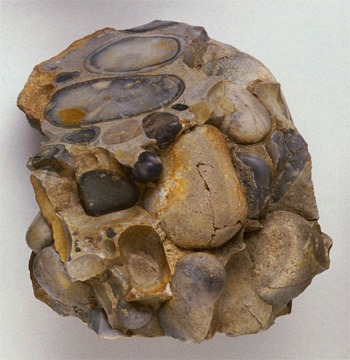
7.

Conglomerate is an example of...

a)

Igneous

b)

Sedimentary

c)

Metamorphic

8.

What is it called when layers pile up and press down on the material below?

a)

Compaction

b)

Layering

c)

Cementation

d)

I don't know

9.

When large rocks are broken down into smaller parts by physical and chemical means

a)

Weathering

b)

Erosion

c)

Both

d)

Neither

10.

What is the parent material of all rocks?

a)

Magma

b)

Lava

c)

Sedimentary

d)

Organic matter

11.

Intrusive & extrusive are 2 types of...

a)

sedimentary

b)

metamorphic

c)

Igneous

12.

Foliated & non-foliated are 2 types of...

a)

Sedimentary

b)

Metamorphic

c)

Igneous

13.
This rock was formed when molten rock cooled into a solid. What type of rock is it?
a)
Igneous Rock
b)
Metamorphic Rock
c)
Sedimentary Rock
14.
What are the 3 major types of rocks?
a)
Igneous, Metamorphic, Sedimentary
b)
Metamorphic, Igneous, Cementation
c)
Brown, Red, Gray
d)
Streak, Hardness, Breakage
15.
This rock was formed by smaller pieces of rock that settled at the bottom of a lake millions of years ago. What type of rock is this?
a)
Sedimentary
b)
Igneous
c)
Metamorphic
16.
Which of the words below describe mud, sand, and tiny bits of rocks that cement together to form a type of rock?
a)
stalactites
b)
magmas
c)
metamorphs
d)
sediments
17.

Rocks formed by heat and pressure beneath the Earth's surface are...

a)

igneous

b)

metamorphic

c)

sedimentary

d)

magma

18.

A rock made of magma that cools inside the Earth and contains large crystals?

a)

Igneous

b)

Sedimentary

c)

Metamorphic

d)

Magma

19.

When heat and water and ice break down rock into sediments this is called?

a)

Erosion

b)

Compaction

c)

Weathering

d)

Deposition

20.

The rock that forms by heat and pressure deep under ground?

a)

Igneous

b)

Sedimentary

c)

Metamorphic

d)

Lava

21.

Which of the following describes the process of sediments being picked up and carried away . by wind, moving water or ice?

a)

Erosion

b)

Weathering

c)

Deposition

d)

Compaction

22.
Sedimentary Rocks are often made up of other rocks and minerals.
a)
True
b)
False
23.
Sedimentary rocks are often formed in layers.
a)
True 
b)
False
24.
Fossils are only found in sedimentary rocks.
a)
True
b)
False
25.
What characteristic to sedimentary rocks often have?
a)
weather patterns
b)
tiny crystals
c)
striped layers
d)
glassy surfaces
26.

How do coarse-grained intrusive igneous rocks form?

a)

from sedimentary rocks changed under pressure

b)

from large rock particles cemented together

c)

from rapidly cooling lava

d)

from slow cooling magma

27.

Extrusive rocks have larger grains than intrusive rocks.

a)

True

b)

False

28.

When all the grains in a rock are large and easy to see, the rock is described as

a)

Fine-grained

b)

Coarse-Grained

c)

Glassy

29.

An igneous rock commonly used as building material is

a)

Slate

b)

Sandstone

c)

Granite

30.

An igneous rock that is formed from lava is called an

a)

Extrusive

b)

Intrusive

31.

The slower magma cools, the smaller the mineral crystals form.

a)

True

b)

False

32.

Extremely rapid cooling of lava in which no crystals form, creates what type of texture?

a)

Fine-Grained

b)

Coarse-Grained

c)

Glassy

33.
How do metamorphic rocks form? 
a)
Heat and Pressure
b)
Compaction & Cementation
c)
Cooling of Magma
d)
Sediments & Glue
34.
Metamorphic rocks form from ___.
a)
igneous rocks
b)
other metamorphic rocks
c)
sedimentary rocks
d)
all types of rocks
35.
Granite forms what type of metamorphic rock?
a)
slate
b)
marble
c)
gneiss
d)
quartzite
36.
What is the name of this Metamorphic Rock?
a)
Schist
b)
Slate
c)
Gneiss
d)
Marble
37.
The deeper a rock is buried, the greater the pressure is on it
a)
True 
b)
False
38.
__________ metamorphism occurs when magma heats the surrounding rock and changes it.
a)
Regional
b)
Forced
c)
Igneotrophic
d)
Contact
39.
__________ metamorphism occurs when rock formations in the crust collide and build pressure
a)
Regional
b)
Forced
c)
Igneotrophic
d)
Contact
40.
What subjected to intense heat and pressure granite can become 
a)
sandstone
b)
gneiss
c)
quartzite
d)
slate
41.
Marble is the metamorphic rock.  What is the parent rock? 
a)
sandstone
b)
limestone
c)
granite
d)
shale
42.
What is the parent rock of slate
a)
sandstone
b)
limestone
c)
granite
d)
shale
43.
What metamorphic rock is the result of heat and pressure on sandstone?
a)
sandstone
b)
limestone
c)
quartzite
d)
shale
44.
If a metamorphic rock has layers, what is it?
a)
foliated
b)
nonfoliated
45.
What is this rock?
a)
noliated
b)
nonfoliated
46.
Metamorphic rocks are classified by the arrangement of their _?_.
a)
sediments
b)
clasts
c)
grains
d)
minerals
47.
The original rock before metamorphism is called a _?_.
a)
original
b)
parent rock
c)
kid rock
d)
starter rock
48.
Morph means what?
a)
change
b)
alter
c)
switch
d)
rearrange
49.
What is slate good to use for?
a)
sculptures
b)
walls
c)
walkways/roofs
d)
countertops