wayground logo

Free Printable Worksheets

Font size

S
M
L
XL
Worksheets

Systems- Animal and Plant

Total questions: 120

Worksheet time: 2hrs 31mins

Name
Class
Date
1.

What is the biggest function of the muscular system?

a)

to help digest food

b)

to help us move

c)

to help us breathe

d)

to help us remove waste

2.

What is the biggest function of the respiratory system?

a)

to pump blood

b)

to help us digest food

c)

to take in oxygen and release carbon dioxide

d)

to help us fight disease and infection

3.

Which of the following statements describes the function of the heart?

a)

The heart produces white and red blood cells.

b)

The heart controls the nervous system.

c)

The heart makes oxygen and carbon dioxide.

d)

The heart pumps blood throughout the body.

4.

Which system in the human body functions primarily to supply the blood with oxygen and remove carbon dioxide?

a)

excretory

b)

immune

c)

respiratory

d)

cardiovascular

5.

Which two body systems are primarily responsible for gas exchange between the body and the environment?

a)

skeletal and muscular

b)

circulatory and respiratory

c)

circulatory and digestive

d)

respiratory and excretory

6.

How does the respiratory system depend on the circulatory system in order to function?

a)

The circulatory system brings waste gases to the lungs and exchanges them for oxygen.

b)

The circulatory system provides structural support and protection to the respiratory system.

c)

The circulatory system pushes gases out of the body through the mouth and nose.

d)

The circulatory system sends messages to the lungs so that one can breathe in and out.

7.

How does the circulatory system depend on the respiratory system in order to function?

a)

The respiratory system removes bacteria from the circulatory system.

b)

The respiratory system produces circulatory system cells.

c)

The respiratory system delivers oxygen to the circulatory system.

d)

The respiratory system provides protection to the circulatory system.

8.

How does the circulatory system depend on the skeletal system?

a)

The skeletal system removes carbon dioxide from the circulatory system.

b)

The skeletal system produces blood cells in the bone marrow.

c)

The skeletal system is responsible for voluntary movement.

d)

The skeletal system helps to digest food for the circulatory system.

9.

Which two systems are responsible for voluntary movement?

a)

circulatory and excretory

b)

digestive and circulatory

c)

skeletal and muscular

d)

skeletal and circulatory

10.

What is the most important function of the digestive system?

a)

Gas exchange

b)

Break down food

c)

Voluntary movement

d)

Fight bacteria and disease

11.

What is the most important function of the excretory system?

a)

Break down food

b)

Pump blood

c)

Remove waste

d)

Voluntary movement

12.

How do the circulatory and excretory systems work together?

a)

The circulatory system brings nutrients and oxygen so our cells can produce energy.

b)

The circulatory system brings blood to the kidneys to filter and remove waste.

c)

The circulatory system bring white blood cells around the body to fight infection and disease.

d)

The circulatory system helps the excretory system digest food.

13.

How do the skeletal and circulatory systems work together?

a)

The skeletal system produces red blood cells for the circulatory system.

b)

The skeletal system works with the circulatory system to help break down and digest food.

c)

The skeletal system provides structure for the muscles.

d)

The skeletal system protects the lungs and brain.

14.

How does the immune system depend on the circulatory system in order to function?

a)

The circulatory system produces antibodies used by the immune system.

b)

The circulatory system sends bacteria and viruses to the immune system.

c)

The circulatory system transports immune system cells throughout the body.

d)

The circulatory system protects the immune system from diseases.

15.

Which of the following statements describes the function of the small intestine?

a)

The small intestine transports blood to other organs.

b)

The small intestine helps digest food and absorbs nutrients.

c)

The small intestine releases carbon dioxide from the body.

d)

The small intestine produces cells needed for reproduction.

16.

Which two systems work together to remove wastes?

a)

digestive and excretory

b)

respiratory and skeletal

c)

skeletal and circulatory

d)

digestive and respiratory

17.

Which two systems work together to break down and transport molecules?

a)

muscular and respiratory

b)

circulatory and skeletal

c)

digestive and circulatory

d)

endocrine and digestive

18.

Which system in the human body functions primarily to remove wastes from the body?

a)

immune

b)

urinary

c)

nervous

d)

muscular

19.
The main purpose of the ____________ system is to break food particles into pieces that can be used.
a)
circulatory
b)
respiratory
c)
digestive
d)
skeletal
20.
What is responsible for delivering oxygen and removing carbon dioxide from the body?
a)
cell nucleus
b)
excretory system
c)
nervous tissue
d)
respiratory system
21.
The __________ is the main organ of the nervous system.
a)
heart
b)
lungs
c)
brain
d)
skin
22.
When tissues come together, they form ___________.
a)
cells
b)
atoms
c)
organs
d)
systems
23.
In multicellular organisms, tissues are comprised of _______.
a)
organs
b)
systems
c)
cells
d)
blood
24.
Which of the following body systems work together for support, protection, and movement?
a)
respiratory and cardiovascular
b)
skeletal and muscular
c)
skeletal and integumentary
d)
digestive and respiratory
25.
This system protects the body's organs, provides support for the body.
a)
Nervous System
b)
Skeletal System
c)
Respiratory System
26.
This system helps the body respond to signals and information from both inside and outside the body.
a)
Nervous System
b)
Muscular System
c)
Skeletal System
27.
This system includes the spinal cord, brain and nerves
a)
Nervous System
b)
Digestive System
c)
Circulatory System
28.
What body system makes your body move? 
a)
Circulatory
b)
Respiratory
c)
Skeletal
d)
Muscular
29.
What body system removes the waste from your body? 
a)
Circulatory
b)
Excretory
c)
Digestive
d)
Respiratory
30.
My spinal cord helps _________ travel between my brain and the nerves in my body. 
a)
Memories
b)
Blood
c)
Waste
d)
Messages
31.
What is the body system that sends and recieves electrical signals from the brain?
a)
Skeletal System
b)
Nervous System
c)
Muscular System
d)
Digestive System
32.
The main purpose of the _______ system is to ensure the continuation of the species.
a)
respiratory
b)
reproductive
c)
circulatory
d)
endocrine
33.
What system is the body's way of fighting off pathogens that would make it sick?
a)
Excretory
b)
Immune
c)
Digestive
d)
Endocrine
34.
A body system that controls and coordinates all body activities through electric impulses/messages between brain, spinal cord and nerves.
a)
endocrine system 
b)
nervous system
c)
nerve
d)
neuron
35.
A body system that controls growth and homeostasis by secreting hormones from glands.
a)
skeletal system
b)
nervous system
c)
endocrine sytem
d)
integumentary system
36.
The main job of the respiratory system is...
a)
to exchange gases
b)
to give you a headache
c)
to blow up a balloon
d)
to digest food
37.
The _________________ gives the body its shape and supports and protects the internal organs.
a)
urinary system
b)
skeletal system
c)
lympthatic/immune system
d)
endocrine system
38.
The main function of the _________________ is to break down food into chemicals that provide energy and nutrients to the body.
a)
stomach
b)
digestive system
c)
respiratory system
d)
eyes
39.
The _________________ consists of a group of organs that work together to allow for the creation of new life.
a)
integumentary system
b)
endocrine system
c)
reproduction system
d)
eyes
40.
How does the endocrine system send messages?
a)
Through chemical messages
b)
Through electrical messages
c)
Through nervous messages
d)
It does not deliver any messages
41.
How does the muscular system and the skeletal system work together?
a)
The muscular system allows the body to stand up while the skeletal system allows the body to move
b)
The muscular system allows the body to move and the skeletal system gives the body a structure 
c)
The muscular system gives the body nutrients while the skeletal system gives the body blood
d)
The skeletal system makes cells whilte the muscular system eats them.
42.
How does the cardiovascular system and the respiratory system work together?
a)
The cardiovascular system transports oxygen around the body while the repiratory system gives the body oxygen
b)
The cardiovascular system makes cells while the respiratory system moves them where they are suppose to go.
c)
The cardiovascular system allows the body to have energy while the repiratory system makes cells
d)
The cardiovascular system transports nutrients around the body while the respiratory system brings oxygen into the body
43.
What are the levels of organization in order from smallest to largest?
a)
cell, tissue, organ system, organ, organism
b)
cell, tissue, organ, organism, organ system
c)
cell, tissue, organ, organ system, organism
d)
organism, organ system, organ, tissue, cell
44.
What is the function of the kidneys in the excretory/urinary system?
a)
store urine before it is eliminated from the body.
b)
break down food into smaller pieces through chemical digestion
c)
filter blood of cellular waste material as a result of cellular respiration
d)
control thoughts, voluntary actions, and other sensations of the five senses.
45.
What is your body's process of maintaining balanced conditions?
a)
homo sapien
b)
homeostasis
c)
homogeneous
d)
homozygous
46.
What two systems work together to supply the body with oxygen?
a)
respiratory and muscular
b)
respiratory and circulatory
c)
circulatory and digestive
d)
muscular and digestive
47.
What two systems work together to provide the cells with glucose?
a)
circulatory and respiratory
b)
digestive and resoiraory
c)
digestive and circulatory
d)
skeletal and muscular
48.
What three systems work together to move the body?
a)
skeletal, muscular, and nervous
b)
skeletal, respiratory, and digestive
c)
nervous, skeletal, and respiratory
d)
circulatory, respiratory, and digestive
49.
Liver cells require a lot of energy.  What would you expect in high numbers in liver cells?
a)
mitochondria
b)
ribosomes
c)
nuclei
d)
chloroplasts
50.

Which system defends the body from invading pathogens

a)

immune system

b)

endocrine system

c)

integumentary system

d)

excretory system

51.
Which statement about body systems is true?
a)
Your body is made up of exactly seven systems.
b)
The skeletal system is more important than any other body system.
c)
All of your body systems must work together to keep you healthy.
d)
Each of your body systems works by itself to keep you healthy.
52.
What function do bones NOT perform?
a)
produce blood cells
b)
provide support for your body
c)
give muscles a place to attach
d)
provide you with energy
53.
All of these are considered nutrients EXCEPT which one?
a)
energy
b)
carbon dioxide
c)
water
d)
vitamin C
54.
All body cells need _______ & ______ to release energy through cell respiration.
a)
CO2 & water
b)
O2 & water
c)
O2 & glucose
d)
CO2 & glucose
55.
Organs are made of...
a)
Tissues and cells
b)
Body systems
c)
Bones
d)
Just cells
56.
This is your body's largest organ:
a)
The eyes
b)
The liver
c)
The skin
d)
The toes
57.
Carbon dioxide is considered a _________________
a)
food
b)
waste
c)
energy
d)
fun party favor
58.

What organ is responsible for housing a fetus during a pregnancy?

a)

ovary

b)

fallopian tube

c)

uterus

d)

vagina

59.

What organs are responsible for making gametes?

a)

stomach/small intestine

b)

ovaries/testes

c)

pancreas/adrenal glands

d)

liver/gall bladder

60.

What type of cell is found in the nervous system?

a)

connective

b)

neuron

c)

nephron

d)

red blood cells

61.

What is the name of the leftover waste material from the digestive system?

a)

urine

b)

feces

c)

saliva

d)

vomit

62.

What is the fluid that circulated the body delivering white blood cells to organs and tissues?

a)

saliva

b)

lymph

c)

urine

d)

sweat

63.

The bladder would be an example of which level of organization.

a)

cell

b)

tissue

c)

organ

d)

system

64.
The ovary, style, and the stigma make up the female part of a plant called the ?
a)
stamen
b)
petals
c)
stem
d)
carpel (pistil)
65.

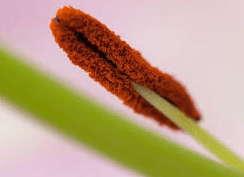
Pollen grains are produced by ?

a)

the anther

b)

the stigma

c)

the flowers

d)

the leaves

66.

Which number or numbers identify the stamen?

a)

3,4

b)

5, 6, 7

c)

2

d)

8, 9

67.
Which of these includes a plant embryo (seed), a food supply, and a protective covering?
a)
flower
b)
fruit
c)
stem
d)
stamen
68.
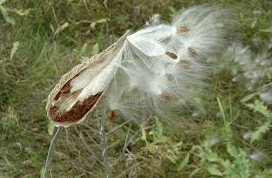
The seeds of apple would probably be disbursed by?
a)
animals
b)
wind
c)
water
d)
fire
69.
Seeds can be disbursed by animals, water, and __________ ?
a)
wind
b)
earthquakes
c)
fire
d)
blizzards
70.

Which group is by far the largest?

a)

conifers

b)

ferns

c)

flowering plants

d)

mosses

71.
Pollen comes from the male or female parts of the flower?
a)
male
b)
female
72.
Gymnosperms and angiosperms produce
a)
cones
b)
flowers
c)
fruits
d)
seeds
73.
Which is true of all plants?
They all...
a)
have cells without cell walls
b)
make glucose
c)
produce light energy for other organisms
d)
reproduce using seeds
74.
The __________________________ is a  layer of tissue that grows between xylem and phloem.
a)
cambium
b)
frond
c)
rhizoid
d)
stoma
75.
Tubelike cells that transport water and nutrients are known as
a)
cuticle
b)
frond
c)
stoma
d)
vascular tissue
76.
A __________________________ anchors a nonvascular seedless plant to a surface. 
a)
cuticle
b)
frond
c)
rhizoid
d)
stoma
77.
A fern leaf is called a __________________________.
a)
cambium
b)
frond
c)
rhizoid
d)
stoma
78.
A __________________________ is an opening in a leaf that allows gas exchange.
a)
cambium
b)
frond
c)
rhizoid
d)
stoma
79.
All seedless plants gets their food through photosynthesis in their chloroplasts.
a)
true
b)
false
80.
The __________________________ protects the surface of a leaf.
a)
cambium
b)
cuticle
c)
frond
d)
rhizoid
81.
A gymnosperm produces seeds in a 
a)
cone 
b)
flower
c)
fruit
d)
spore
82.
Which does NOT describe a angiosperm?
a)
broad leaves
b)
cones
c)
flowers
d)
fruit
83.
Which does NOT describe a gymnosperm?
a)
cones
b)
flowers
c)
needle-like leaves
d)
seeds
84.
Which is NOT a characteristic shared by all plants? 
They are...
a)
eukaryotic
b)
land dwelling
c)
multicellular
d)
producers
85.
Which one is NOT a seed food?
a)
beans
b)
carrots
c)
peanuts
d)
peas
86.
The tip of the style that has sticky hairs to trap pollen is the ___.
a)
stamen
b)
stigma
c)
ovary
d)
style
87.
The part of the stamen that produces pollen grains is the ___.
a)
anther
b)
pistil
c)
filament
d)
ovary
88.
The male reproductive structure of a flower is the ___.
a)
pistil
b)
ovary
c)
stamen
d)
ovule
89.
All of the following are examples of seed dispersal except:
a)
wind
b)
volcanic eruptions
c)
physical movement (rolling)
d)
animals droppings
90.
The part of a flower that produces the male reproductive cells.
a)
anther
b)
style
c)
stigma
d)
filament
91.
What is the function of nectar?
a)
To provide food for the flower
b)
To attract pollinators
c)
To attract animals to disperse the fruits
d)
To produce perfumes for Man
92.
Pollination is the process by which pollen
a)
causes people to sneeze
b)
is formed inside a plant
c)
moves from stamen to stigma
d)
moves from stigma to stamen
93.
Brightly colored parts of flowers that attract insects.
a)
petals
b)
pistils
c)
stamen
d)
filaments
94.
Small grains that contain a plant's male reproductive cells.
a)
stamen
b)
pollen
c)
anther
d)
stigma
95.
What is the female part of the flower used during reproduction?
a)
Pistil
b)
Petal
c)
Stigma
d)
Stamen
96.
The enlarged base of the pistil that stores the eggs of the plant is the ___.
a)
ovary
b)
ovule
c)
stigma
d)
style
97.
They enclose the egg cells inside the ovaries.
a)
ovules
b)
anther
c)
seeds
d)
stamen
98.

The stalk that supports or holds up the anther is the

a)

style

b)

filament

c)

ovary

d)

pistil

99.

How does a plant start?

a)

a fruit

b)

a seed

c)

a stem

d)

a leaf

100.

What does a plant need to grow?

a)

water, sun, and correct temperature

b)

dirt and sun

c)

love, friendship, and sun

d)

warmth, water, and snow

101.

What is an adaptation that allowed for better reproductive success?

a)

pollen

b)

flowers

c)

seeds

d)

bees

102.

Where do seeds come from?

a)

the pollen of a flower

b)

the flower of a plant

c)

the seed of a plant

d)

the fruit of a plant

103.

How do plants produce fruit?

a)

The plant makes a flower, which bees pollinate, and then fruit grows.

b)

The plant makes fruit from the leaves.

c)

The seed produces the fruit.

d)

The plant makes the fruit using water that it absorbs from the roots.

104.

What part of the plant absorbs the sun?

a)

the root

b)

the leaves

c)

the stem

d)

the flower

105.

What part of the plant absorbs water?

a)

the root

b)

the leaves

c)

the stem

d)

the flower

106.

What part of the plant holds it up?

a)

the root

b)

the leaves

c)

the stem

d)

the flower

107.

What part of the plant attracts bees and makes pollen?

a)

the root

b)

the leaves

c)

the stem

d)

the flower

108.

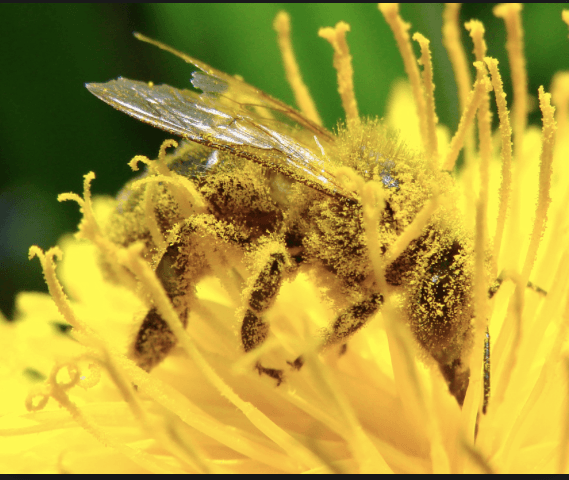
Why are bees important for plants?

a)

They bring water.

b)

They bring pollen from plant to plant.

c)

They bring food.

d)

They bring dirt.

109.

Why is sun important for plants?

a)

It helps them make their own food.

b)

It helps protect them from insects.

c)

It helps hold them up.

d)

It helps keep them cool in the summer.

110.
The two types of feedback systems that help organisms maintain homeostasis are:
a)
positive and negative 
b)
receptor and effector
c)
static and dynamic
d)
minor and major
111.
Maintaining body temperature is an example of a:
a)
negative feedback loop
b)
positive feedback loop
112.

When glucose levels in the blood rise, your brain sends a signal to your pancreas. The pancreas releases insulin, which opens channels in cell membranes to allow glucose to enter the cell, lowering blood sugar levels. This is an example of a:

a)

Positive Feedback Loop

b)

Negative Feedback Loop

113.
Homeostasis
a)
allows for a wildly fluctuating internal environment
b)
is impossible in vertebrates
c)
is the maintenance of a relatively stable internal environment and often incorporates a form of feedback regulation
d)
is the maintenance of a relatively stable external environment and often incorporates a form of feedback regulation
114.

When you get cut, your skin cells release hormones that signal platelets to come and stop the bleeding. Platelets then release more hormones that signal even more platelets to help stop bleeding. The hormone signals continue until the cut is closed. This is an example of what type of feedback?

a)

Positive Feedback Response

b)

Negative Feedback Loop

115.

This plant was tipped on its side, it's roots continue to grow downward, and its stem up. This response to gravity is known as ______________.

a)

phototropism

b)

thigmotropism

c)

gravitropism

d)

hydrotropism

116.

This plant is growing towards the light, this is an example of ___________.

a)

phototropism

b)

thigmotropism

c)

gravitropism

d)

hydrotropism

117.

This plant is showing the turning or bending of a plant or other organism in response to a touch stimulus. It is known as _________________.

a)

phototropism

b)

thigmotropism

c)

gravitropism

d)

hydrotropism

118.

A plant's response to an environmental stimuli is known as a _______.

a)

action

b)

tropism

c)

reply

119.
What does it mean if a plant has a POSITIVE phototropism?
a)
That the plant grows toward light.
b)
That the plant grows away from light.
c)
That the plant grows toward gravity.
d)
That the plant grows away from gravity. 
120.
What does it mean if a plant has a NEGATIVE gravitropism?
a)
That the plant grows toward light.
b)
That the plant grows away from light.
c)
That the plant grows toward gravity.
d)
That the plant grows away from gravity.