
 Worksheets
Fish Quiz
Total questions: 72
Worksheet time: 36mins

Which of the labeled arrows is pointing to the NOSTRILS?
A
B
C
D

Which of the labeled arrows is pointing to the PECTORAL FIN?
A
B
C
D
E

Which of the labeled arrows is pointing to the CAUDAL FIN?
A
B
C
D
E

Which of the labeled arrows is pointing to the CLASPERS?
A
B
C
NONE
Which of the following is a way that sharks control their buoyancy?
Having a large oily liver
Gulp air
Large pectoral fins
All are correct
Which type of shark birthing technique is most similar to that of humans? (hint: belly button/umbilical cord)
Viviparous
Ovoviviparous
Oviparous
None are correct
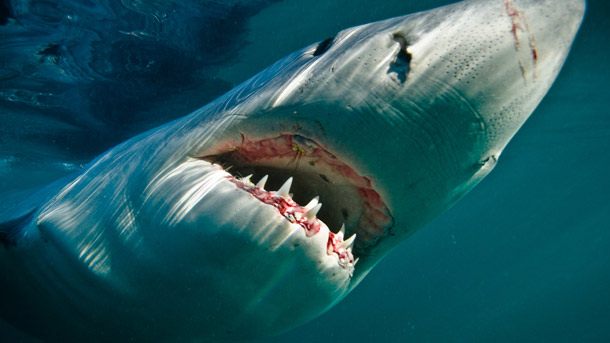

What is the biggest shark alive?
Great White shark
Whale shark
Megaladon
Tiger shark

what does a sharks skin feel like?
Sandpaper
Rocks
soft
dragon scales
What are shark skeletons made of?
Bone
Cartilage
Keratin
They Dont have them
What do bony fish have that sharks don't have?
swim bladder
fins
gills
olfactory bulbs
Sharks are closely related to.....
skates and rays
dolphins
invertebrates
reptiles
Some sharks are oviparous. This means they...
lay eggs
give live birth

In 2020, sharks were responsible for more than 10,000 deaths world wide.
True
False
Almost half of all shark bites in 2020 were provoked.
True
False
Sharks contain a ____________ in their eye, which allows them to reflect light and have excellent __________ vision
tapetum lucidum, night
tapetum lucidum, color
eyelid, color
wingardium leviosa, night

All sharks need to keep swimming or they die.
True
False
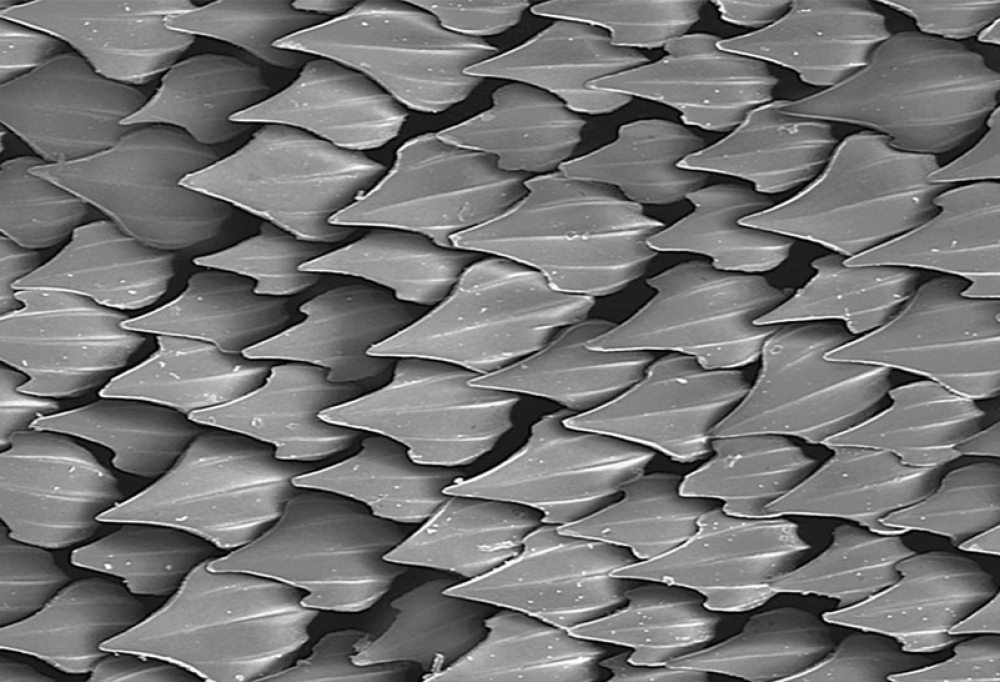

Which fish is least related to the others?
Shark
Skate
Ray
Tuna
Scientists who study fish.
Fishiologists
Biologists
Ichthylogists
Organ that allows a fish to float at different depths
Heart
Lungs
Swim bladder
A fish extracts oxygen from the water using ____________
lungs
gills
Fish eat a wide variety of food,including:
plants
insects
animals
all above
This structure is used to detect vibrations in the water.
olfactory sacs
nictitating membrane
lateral line
spiracles
Most fish have what covering their bodies?
Scales
Gills
Skin
Feathers
Are fish vertebrates or invertebrates?
Vertebrates
Invertebrates

#3 is the ______ fin
dorsal
lateral
anterior
bottom

Gills allow fish to:
take water from the air
take oxygen from water
climb trees

Fish that give birth to live young are
oviparous
viviparous

Mouth brooding is when a fish
eats their young
protects their young
Roughly how many humans are killed by sharks each year?
4,500
67
5
None
Fish are part of Phylum _____, just like humans.
Chordata
Echinodermata
Arthropoda
Holothuridae

The protective coloration of some animals in which "parts normally in shadow are light and those exposed to the sky are dark" is known as: _______________
pigmentation
cruising
covert operations
countershading

Imitating the physical characteristics of another animal is known as:
compression
countershading
mimicry
viviparous
The bones of sharks are made of _________.
Bone
Cartilage
Epithelium
Tendons
Which of the following is a cartilaginous fish?
salmom
whale
eel
ray
A Sea Horse is a _________.
bony fish
carilaginous fish
jawless fish
not a fish at all
Which of the following is a jawless fish?
eel
sting ray
limpet
hagfish
Lampreys and hagfish lack
teeth
heads
mouths
jaws
The feeding mode of lamprey is considered:
predation
scavenging
parasitism
filter feeding
Which type of fish is the most primitive?
Jawless
Cartilaginous
Bony
Fresh water
Cartilage is different from bone because
It's more flexible
It's lighter
Both answers are correct
The lobes of the caudal fin in most sharks are:
Of equal size
The top lobe is bigger than the bottom
The bottom lobe is bigger than the top
These cartilaginous fish live on the bottom, lack a stinging spine and lay eggs
Sting rays
Electric rays
Manta rays
Skates
Females have a special extension of their pelvic fins called claspers.
True
False
The cloaca is a "multi-purpose opening" for solid and liquid waste products as well as reproductive fluids.
True
False
Sharks have no swim bladder.
True
False

The pointed snout at the anterior end of the shark is called the ___
nose
nostril
spiracle
rostrum

The TOP arrow in the picture refers to the ____ of the shark
nose
nostril
spiracle
rostrum

The dominant structures found in this picture is the ____ of the shark (hint: it is very "oily")
Gall bladder
Brain
Gills
Liver
Sharks have a closed circulatory system (which means blood is pumped by a heart through blood vessels)
True
False
Which characteristic is NOT shared by all sharks?
They are made up of cartilage
They have 5-7 gills slits
They have a loosely-attached lower jaw
All of the above are characteristics of sharks

These are the ____ of the shark.
Lateral lines
Spiracles
Gills

What letter is pointing to the shark's liver?
a
b
c
d

Which letter is pointing to the stomach rugae in the shark?
a
b
c
d

What letter is pointing to the anterior dorsal fin?
a
b
c
d
e

What letter is pointing to the pectoral fin?
a
b
c
d
e

What letter is pointing to gill slits?
a
b
c

What letter is pointing to the cloacal opening?
a
b
c

What letter is pointing to the Ampullae of Lorenzini?
a
b
c

Which letter is pointing to the nostrils of the shark?
a
b
c

What letter is pointing to the spinal cord?
a
b
c
d
e

When a shark goes into a trance like state, this is called____
tonic immobility
death
napping
meditation
When a shark goes into a trance like state, this is called____
tonic immobility
death
napping
meditation

