wayground logo

Free Printable Worksheets

Font size

S
M
L
XL
Worksheets

Moon phases

Total questions: 56

Worksheet time: 31mins

Name
Class
Date
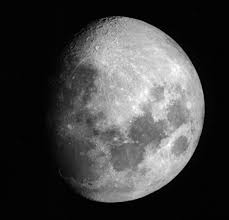
1.
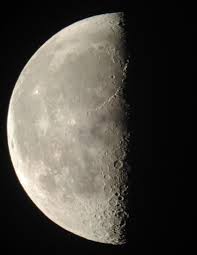
What moon phase is this picture?
a)
This is the full moon phase.
b)
This is the waxing gibbous moon phase.
c)
This is the waning gibbous moon phase.
d)
This is the first quarter moon phase.
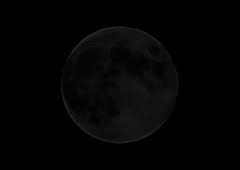
2.
What moon phase is this picture?
a)
This is the waning crescent phase.
b)
This is the waxing gibbous phase.
c)
This is the waning gibbous phase.
d)
This is the new moon phase.
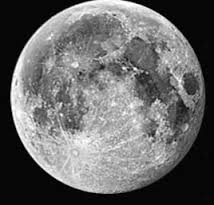
3.
What is this moon phase?
a)
This is the waxing crescent phase.
b)
This is the full moon phase.
c)
This is the waxing gibbous phase.
d)
This is the last quarter moon.
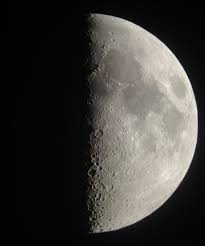
4.
What is this moon phase?
a)
This is the waxing gibbous moon phase.
b)
This is the last quarter moon phase.
c)
This is the first quarter moon phase.
d)
This is the new moon phase.  
5.
What moon phase is this picture?
a)
This is the full moon phase.  
b)
This is the waxing crescent moon phase.
c)
This is the waning gibbous moon phase.
d)
This is the waning crescent moon phase.
6.
What moon phase is this picture?
a)
This is the new moon phase.
b)
This is the waxing crescent moon phase.
c)
This is the waxing gibbous moon phase.
d)
This is the waning crescent moon phase.
7.
What moon phase is this image?
a)
This is the full moon phase.
b)
This is the last quarter moon phase.
c)
This is the waxing gibbous moon.
d)
This is the new moon phase.
8.
What is the difference between a gibbous moon and a crescent moon?
a)
The gibbous shows more than half of the bright side of the moon.
b)
The crescent shows more than half of the bright side of the moon.
c)
The gibbous shows less than half of the bright side of the moon. 
9.
The moon seems to change shape from day to day in a cycle that lasts about a month as it goes through _.
a)
revolutions
b)
phases
c)
rotations
d)
eclipses
10.
As the moon's shape appears to get smaller, we say that the moon is _.
a)
swelling
b)
waxing
c)
waning
d)
disappearing
11.
Phases of the moon in which the moon appears to be getting larger are referred to as _.
a)
waxing
b)
waning
c)
new
d)
eclipse
12.
Phases of the moon in which the moon appears to be getting larger are referred to as _.
a)
waxing
b)
waning
c)
new
d)
eclipse
13.
The cycle of the moon lasts about a _.
a)
day
b)
year
c)
week
d)
month
14.
How long is a lunar month?  
a)
30
b)
29.5
c)
27
d)
27.3
15.
Changes in the moon's appearance are
a)
phases
b)
eclipses
c)
stages
d)
cycle
16.

What causes the moon's phases

a)

Where you are standing on Earth

b)

the amount of sunlight reflected onto the moon from the sun

c)

The tilt of Earth

d)

how fast the moon is moving

17.
Define Waxing
a)
Moon is increasing and light part appears to be growing
b)
Completely illuminated
c)
dark side is facing earth
d)
Moon is decreasing and light part appears to be shrinking
18.
How many phases does the moon go through?
a)
4
b)
8
c)
10
d)
16
19.
As the moon's shape appears to get smaller, we say that the moon is _.
a)
swelling
b)
waxing
c)
waning
d)
disappearing
20.

The spinning of the earth on its axis that causes day and night is called

a)

orbit.

b)

axis.

c)

rotation.

d)

revolution.

21.

It takes about _____ for the earth to complete one rotation.

a)

28 days

b)

24 hours

c)

365 hours

d)

365 days

22.
If the last full moon was on April 4th, when can you expect to see the next full moon? 
a)
April 29th
b)
July 4th
c)
May 4th
d)
September 12th
23.
The Moon orbits Earth in a ________________ direction
a)
clockwise
b)
counterclockwise
c)
upwards
d)
downwards
24.
Define Waxing
a)
Moon is increasing and light part appears to be growing
b)
Completely illuminated
c)
dark side is facing earth
d)
Moon is decreasing and light part appears to be shrinking
25.
Define Gibbous
a)
Less than half of moon visible
b)
More than half of moon visible
c)
All of moon visible
d)
None of moon visible
26.
Define Full Moon
a)
None of moon is visible
b)
Half moon phase is visible
c)
Complete moon face is visible
d)
Less Than half of moon is visible
27.
Name this moon phase
a)
Waning Crescent
b)
Waxing Crescent
c)
Waning Gibbous
d)
Waxing Gibbous
28.
In which moon phase, can the moon not be seen at all?
a)
Waning crescent
b)
Full moon
c)
Waxing gibbous
d)
New moon
29.
The 1st Quarter moon is lit on the:
a)
Left Side
b)
Right Side
30.
What is the correct order of the moon phases?
a)
new, full, 1st quarter, 3rd quarter
b)
new moon, 1st quarter, full moon, 3rd quarter
c)
1st quarter, 3rd quarter, new moon, full moon
d)
new, 1st quarter, 3rd quarter, full
31.
Name this moon phase
a)
waning crescent
b)
waxing crescent
c)
waning gibbous
d)
waxing gibbous
32.
Name this moon phase
a)
First Quarter
b)
Last Quarter
c)
New Moon
d)
Full Moon
33.
Name this moon phase
a)
First Quarter
b)
Last Quarter
c)
New Moon
d)
Full Moon
34.
Name this moon phase
a)
First Quarter
b)
Last Quarter
c)
New Moon
d)
Full Moon
35.
Name this moon phase
a)
First Quarter
b)
Last Quarter
c)
New Moon
d)
Full Moon
36.
What are the reasons for the season?
a)
Earth's tilt & rotation
b)
Earth's tilt & revolution
c)
Earth's rotation & revolution
d)
Earth's tilt & resolution
37.
CHOOSE THE CORRECT MOON PHASE
a)
WANING GIBBOUS
b)
NEW MOON
c)
FULL MOON
d)
WAXING GIBBOUS
38.

A space object spinning is...

a)

Rotation

b)

Revolution

c)

Axis

39.

An imaginary line that a space object spins on is...

a)

Rotation

b)

Revolution

c)

Axis

40.

A space object goes around another object is...

a)

Rotation

b)

Revolution

c)

Axis

41.

What causes moon phases? (SELECT TWO ANSWERS)

a)

The earth's shadow

b)

The moon revolving around the earth

c)

The moon reflects light from the sun

d)

The rotation of the moon

42.

What is the missing phase?

a)
b)
c)
d)
43.

What is the missing phase?

a)
b)
c)
d)
44.

What is the missing phase?

a)
b)
c)
d)
45.

What happens as the moon revolves around the earth?

a)

The shadow gets darker and darker.

b)

The illuminated (lit) side gets lighter and lighter.

c)

The shadow slowly disappears until it's fully lit, then the lit part slowly disappears until it's completely dark.

46.

Can you see the moon during the day?

a)

Yes

b)

No

47.

What moon phase comes after this?

a)
b)
c)
d)
48.

True or False: The moon is always half lit by the sun.

a)

True

b)

False

49.

True or False: We have moon phases because the earth casts a shadow on the moon.

a)

True

b)

False

50.

What is the result of the moon's orbit being tilted?

a)

A lunar eclipse EVERY month

b)

A lunar eclipse every few years

51.

True or False: One side of the moon is always facing the sun.

a)

True

b)

False

52.
Round structures of various sizes on the Moon with various details are called
a)
Rays
b)
Rilles
c)
Craters
d)
Highlands
53.
The Moon is about ______ the size of Earth.
a)
1/8
b)
1/4
c)
1/3
d)
1/2
54.
Approximately, how many moons can fit between Earth and the Moon?
a)
45
b)
65
c)
110
d)
155
55.
If an Earth model is 24 cm in diameter, the Moon model would be _____ in diameter.
a)
12 cm
b)
4 cm
c)
8 cm
d)
6 cm
56.
If an Earth model is 24 cm in diameter, how far apart would the Earth and Moon model be?
a)
720 cm
b)
240 cm
c)
7,200 cm
d)
2,400 cm