
 Worksheets
Biodiversity Topics 1/2
Total questions: 64
Worksheet time: 40mins
What is an adaptation?
A behavior that helps an animal survive.
The food that animal eats.
How energy moves in a food web.
How animals evolve throughout time.
What are the two types of adaptation?
Camouflage
Physical and camouflage
Behavior and camouflage
Physical and behavior adaptation
The enviroment in which an animal lives is called its
adaptation
habitat
hibernation
migration
A giraffe's long neck - used to reach leaves high in trees - is an example of a
behavior adaptation
physical adaptation
learned behavior
behavior
Lions, bears, and owls all hunt other animals for their food. They are examples of
prey
predators
children
enemies
What are some things that can cause an animal to become extinct?
habitat loss
disease
climate change
all of the above
What are the 4 things that living things need to survive?
air, food, protection, love
food, water, space, air
love, protection, air, space
protection, water, meat, plants
What is camouflage?
Colors or markings to make it look like something else
A chemical that is used to defend itself
A hard shell or covering
Body patterns or coloring that make it hard to see
A resting state through the winter.
Adaptation: Bear sleeping in a cave during the winter months
Migration
Locomotion
Adaptation
Hibernation
How does adaptations help animals?
to hide from predators
to hunt for food
to survive in their habitats
All of these are correct
Why would a bunnies fur be brown in the summer and white in the winter?
The rabbit likes to change fur color
The bunny learned it from his parents
The changing of fur color help the bunny blend in with it's surrounding
A chameleon lies next to a large blue flower so predators cannot find it. This is an example of
camouflage
migration
mimicry
hibernation
Choose a physical adaptation examples listed below
Birds fly south for the winter
A bird has a sharp beak
A bear hibernates in the winter
Birds migrate to find food and warmer temperatures.
physical adaptation
behavior adaptation
A polar bear has white fur to make it harder to see.
physical adaptation
behavior adaptation
Which relationship describes predator/prey?
hawks and shrubs
mountain lion and deer
frogs and trees
grasses and crickets
An organism that can produce its own food through photosynthesis is a(n) ______________.
consumer
heterotroph
autotroph
herbivore

Pigs
Carnivore
Herbivore
Omnivore

__________________ are consumers that eat BOTH Plants and Animals for food.
Omnivores
Producers
Herbivores
Carnivores


In which type of interaction does one animal eat another for energy and nutrients?
Competition
Parasitism
Predation
Mutualism

Hermit crabs live in shells made and then abandoned by snails. This relationship neither helps nor harms the snails. Which interaction is this?
Parasitism
Mutualism
Commensalism
Competition

Ostriches and Gazelles feed next to each other. They both watch for predators and alert each other to danger. Since the visual abilities of the two species are different, they can each identify threats the other animal would not as readily see. What type of interaction is this?
Parasitism
Mutualism
Commensalism
Competition

Mistletoe extracts water and nutrients from the spruce tree to the trees detriment (causing harm). What type of interaction is this?
Parasitism
Competition
Commensalism
Mutualism

Sloth's and monkeys share the same tropical habitat. Deforestation is occurring limiting the space for these 2 species. What will now occur between the 2 species?
Mutalism
Commensalism
Predation
Competition
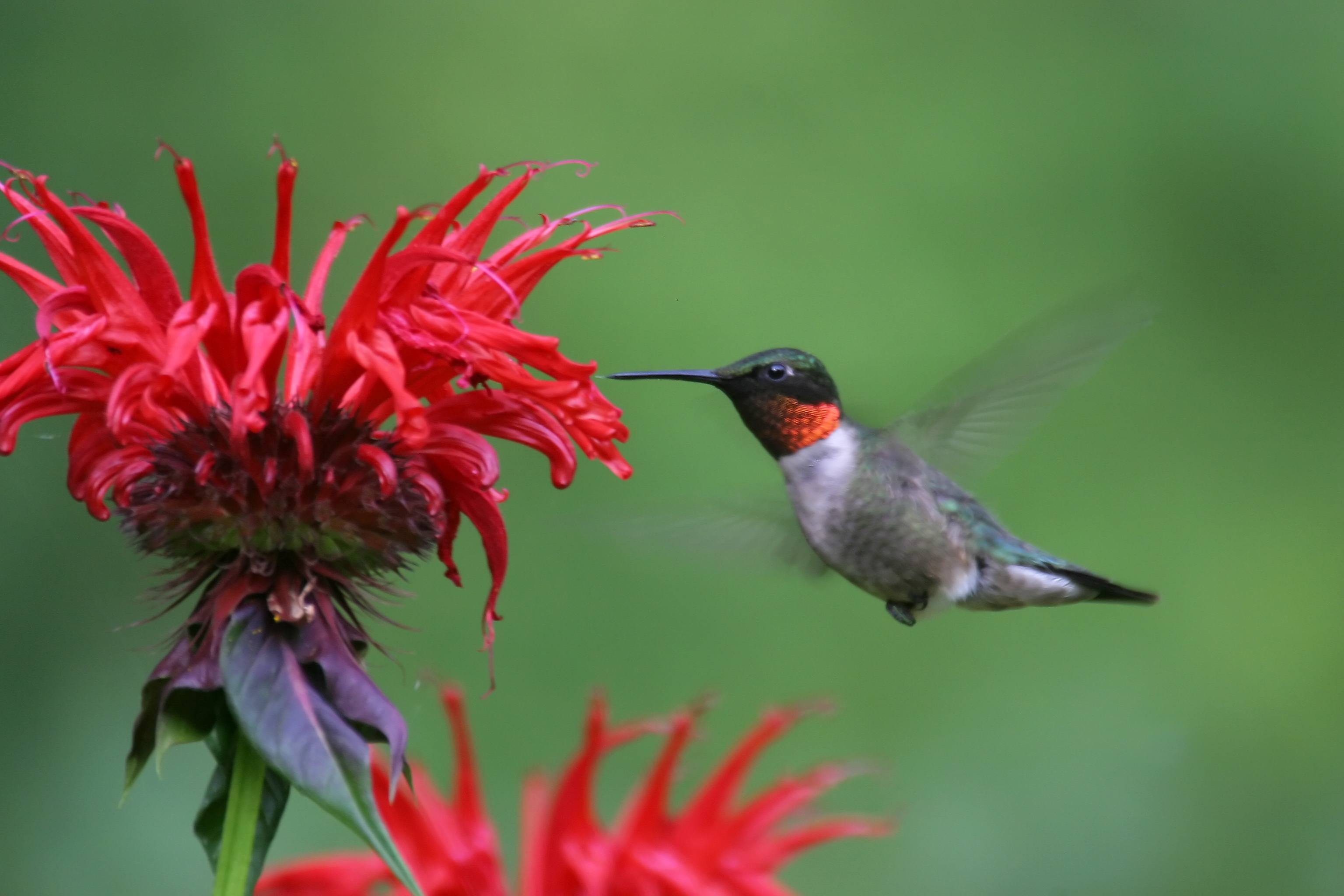
Hummingbirds feed on nectar from flowers. The flowers are pollinated by hummingbirds as they move from flower to flower. This is an example of
commensalism
mutualism
parasitism
predation

Rabbits and deer eat lettuce leaves from a garden.
What ecological interaction describes the relationship between rabbits and deer?
Mutualism
Competition
Commensalism
Predation

Organisms who mate in the wild, and whose offspring can successfully reproduce
Species
Hybrid
Variation within a species
Variation amongst species

An organism created by crossing two different species
Species
Hybrid
Variation within a species
Variation amongst species

The differences between two giraffes
Species
Hybrid
Variation within a species
Variation amongst species

The differences between a cat and a dog
Species
Hybrid
Variation within a species
Variation amongst species
The formation of a new species is called
Natural selection
Struggle for existence
Speciation
Darwinism
A new river forms and splits two populations, causing ______________ speciation
Sympatric
Allopatric
Extreme
Convergent
A speciation in which new species evolve from a single ancestral species while inhabiting the SAME geographic region.
Sympatric speciation
Allopatric speciation
Complex speciation
Divergent speciation
Orcas occur in the same habitat but some are avoiding each other and do not interbreed. They have different diets, vocal behavior, and social structures. What type of speciation is this?
Allopatric
Sympatric
Complex
Covergent
The emergence of a mountain range is an event that would lead to _______________ speciation
Allopatric
Sympatric
Temporal
Behavioral
These animals are not choosy about what they eat or where they live
Endangered
Specialists
Extinct
Generalists
These animals have specific diet and climate requirements
Extinct
Generalists
Specialists
Endangered
These animals are protected by the government
Specialists
Generalists
Endangered
Extinct
These animals might be in trouble if their habitat changes
Generalists
Specialists
Endangered
Extinct
The ecological role an organism performs in their specific environment is considered the organism's...
Habitat
Population
Biome
Niche
"Organisms that have moved to a location that does not naturally support them."
Invasive species
Destructive species
Unwelcomed species
Infected species
the differentiation of niches that enables similar species to coexist in a community
character displacement
climax community
resource partitioning
pioneer species

A niche ________________.
is the function that an organism performs in the food web of that community.
includes everything else the organism does and needs in its environment.
is specific to each individual animal and plant.
All of the above.

A whale's niche would be which of the following?
eating plankton and krill.
eating sharks and dolphins.
eating hamburgers and fries.
eating other whales.
What is a niche?
Where an organism lives.
An organisms role, or job, within its ecosystem.
What an organism eats.

