
 Worksheets
Components of Weather
Total questions: 51
Worksheet time: 39mins

Air temperature changes the most because
The sun heats the air
The sun heats the surface and the surface heats the air
The sun heats ocean which heats the land.

How does temperature increase?
Energy is removed
Energy is added
Energy is added, then it is removed.

How does temperature decrease?
energy is added and then removed
energy is added
energy is removed

Temperature is affected by
distance from continents
distance from landforms
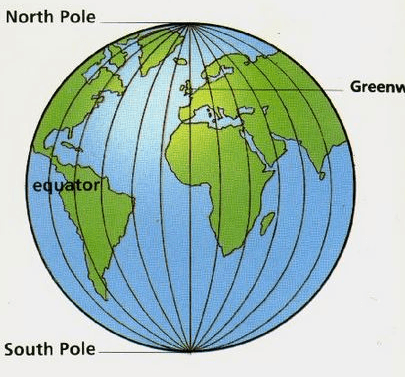
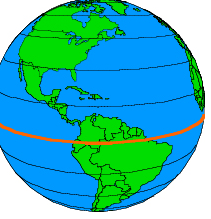
distance from the equator

Which location is warmer?
The North and South pole
The equator

The lines that determine distance from the equator are called?
altitude
latitude
meters
How often do El Nino events occur?
2-5 years
2-7 years
7-10 years
The __________is the lowest layer and is closest to the earth surface
troposphere
stratosphere
__________is the most important layer as all weather phenomena like the formation of clouds ,fog ,frost, etc. occurs here.
stratosphere
Troposphere
______________ layer is almost free from all types of weather phenomena.
Mesosphere
Stratosphere
Jet planes fly in this layer_______.
Mesosphere
Stratosphere
Ozone is formed in the
troposhere
stratosphere
mesosphere
thermosphere
Which type of radiation is absorbed by the ozone layer?
infrared
gamma
visible light
ultraviolet
Ozone is made of which chemical element?
Carbon
Hydrogen
Oxygen
Nitrogen
Most of the energy in the world comes from the ________.
moon
ocean
sun

A mixture of gases that surrounds the Earth like a blanket.
atmosphere
troposphere
ozone
nitrogen
Which layer of the atmosphere do we live in?
troposhphere
mesosphere
stratosphere
exosphere
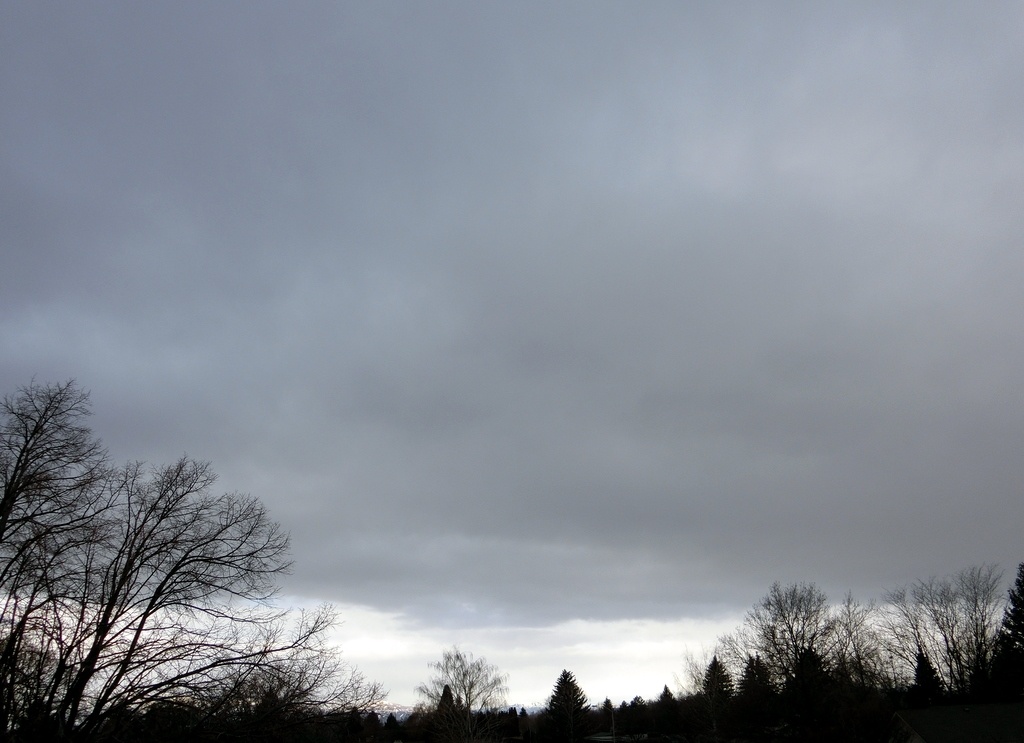

Which type of cloud often indicates that a storm is on the way?
cirrus
cirrocumulus
nimbostratus
stratus

Clouds that form very near the ground are called _______________.
smog
haze
fog
dust

Long term ______________________ can devestae a region; crops fail and streams dry up.
droughts
dust storms
cold spells

____________________ is a round pellet of ice that only forms in cumulonimbus clouds.
sleet
snow
hail
freezing rain

An embankment built along the side of a river to prevent flooding of the surrounding land is called a _________________.
levee
dam
tunnel
bridge

Which two conditions are required for cloud formation?
high humidity & warm temperatures
high humidity & cool temperatures
warm temperatures & the presence of particles
cool temperatures & the presence of particles

Clouds that look like fluffy, rounded piles of cotton are _________________ clouds.
cirrus
cumulonimbus
cumulus
stratus

Clouds are formed by the process of ______________________.
precipitation
evaporation
condensation
collection

Plants that have been bred to withstand dry conditions are described as ________________________.
disease-resistant
flood-resistant
drought-resistant

A ___________________ forms when water vapor in a cloud is converted directly into ice crystals.
hail pellet
raindrop
sleet particle
snowflake

A tool used to measure amounts of rainfall is a(n) _____________________.
anemometer
thermometer
barometer
rain gauge

A ___________________ is a barrier built across a river that may redirect its flow to other channels or store floodwaters so they can be released slowly.
levee
dam
tunnel
bridge

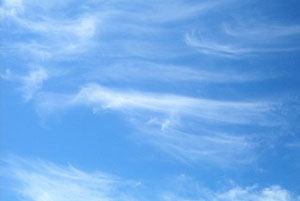
Wispy, feathery clouds are _____________________ clouds.
cirrus
cirrocumulus
nimbostratus

What is the dew point?
the temperature at which condensation begins
the temperature at which frost turns to dew
the temperature present in a cloud
the temperature present when a storm begins

________________________ is the only type of precipitation to fall as water but freezes when it hits a cold surface.
sleet
freezing rain
hail
snow

______________________ clouds form in low, flat layers.
Cirrus
Stratus
Nimbostratus
Cumulonimbus

The most common type of precipitation is _______________.
rain
snow
sleet
hail

The sky is mostly blue, with some high, thin, feathery clouds. Which type of weather is most likely to occur?
light drizzle
heavy precipitation
fair weather
thunderstorms

