
 Worksheets
Homeostasis, Nervous and Circulatory System
Total questions: 68
Worksheet time: 2hrs 57mins
When the body temperature drop below normal ranges, arterioles in the skin will
dilate to allow less blood to flow to skin surface
constrict to allow less blood to flow to skin surface
dilate to allow more blood to flow to skin surface
constrict to allow more blood to flow to skin surface

Why does pulse rate increase during exercise?
Oxygen and carbon dioxide must be removed from the body ASAP
Gas exchange must happen more quickly than when a person is at rest
Oxygen must be moved to the lungs and carbon dioxide must be moved to cells more quickly
Carbon dioxide must be moved to the kidneys to be excreted
What is an example of a positive feedback mechanism?


Which of the following are in the correct order?
organ system, cell, organ, tissue, organism
cell, organ, tissue, organ system, organism
cell, tissue, organelle, organ system, organism
cell, tissue, organ, organ system, organism

Salt water crocodiles bask in the sun for several hours every morning. which one of the following statements best describes the method of thermoregulation in salt water crocodiles?
Endothermy, increase body temperature to increase rate of metabolism reactions in cells
Ectothermy, decrease body temperature to increase rate of metabolic reactions in cells.
Endothermy, decrease body temperature to increase rate of metabolic reactions in cells
Ectothermy, increase body temperature to increase rate of metabolic reactions in cells
What part of the negative feedback loop is what happens inside of the organism, as the result of the effector?
Initiation event
Response
Receptor
Effector
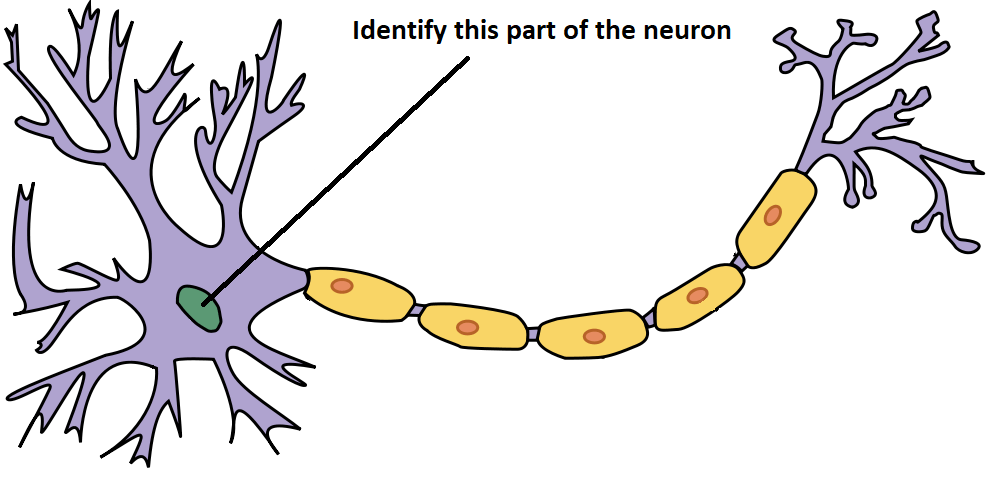
Nucleus
Cell Body
Axon
Node of Ranvier
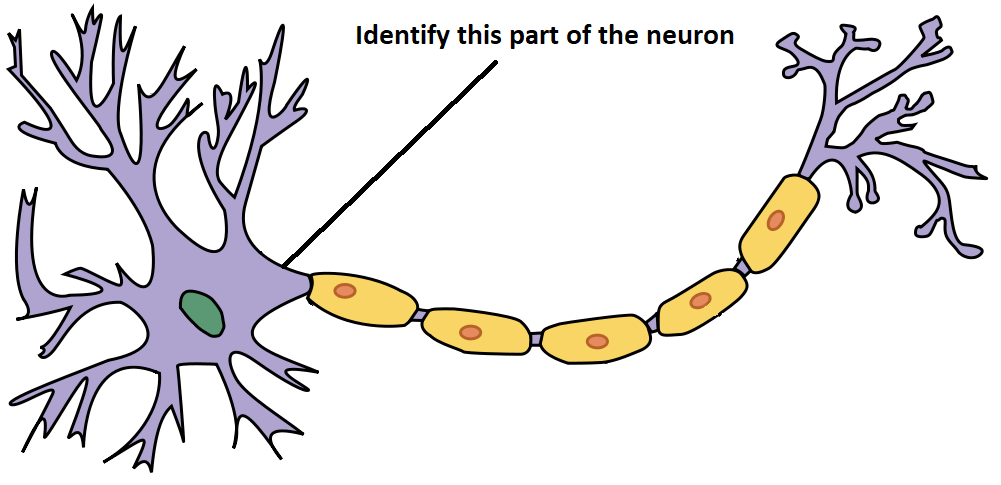
Nucleus
Cell Body
Axon
Node of Ranvier
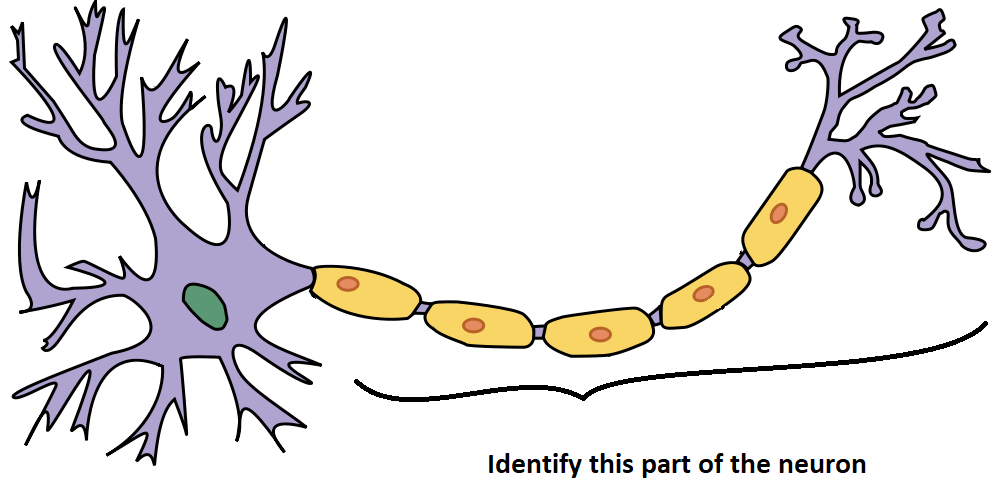
Nucleus
Cell Body
Axon
Node of Ranvier
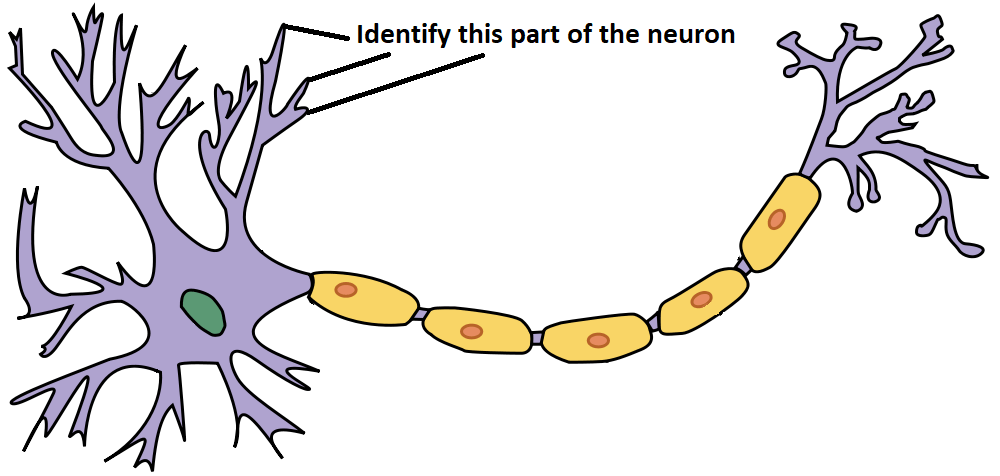
Dendrites
Axon Terminals
Myelin Sheath
Schwann Cells
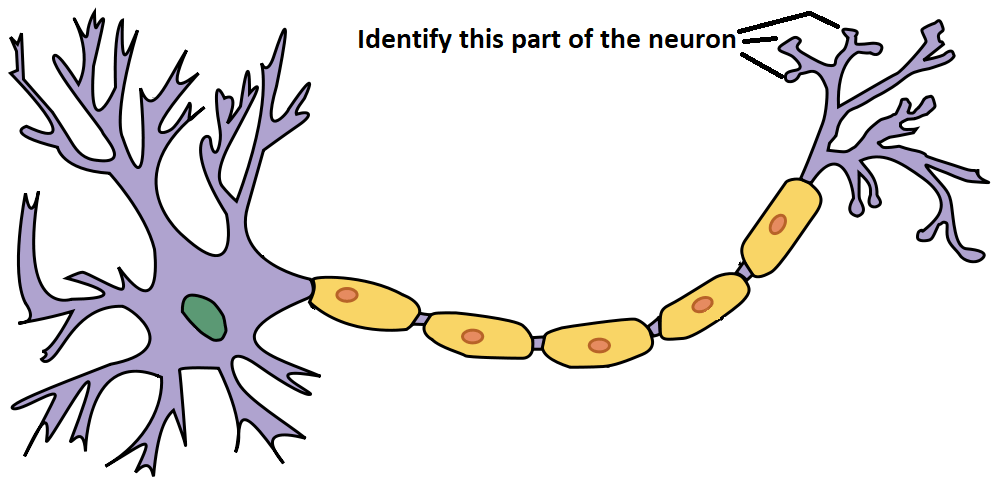
Dendrites
Axon Terminals
Myelin Sheath
Schwann Cells
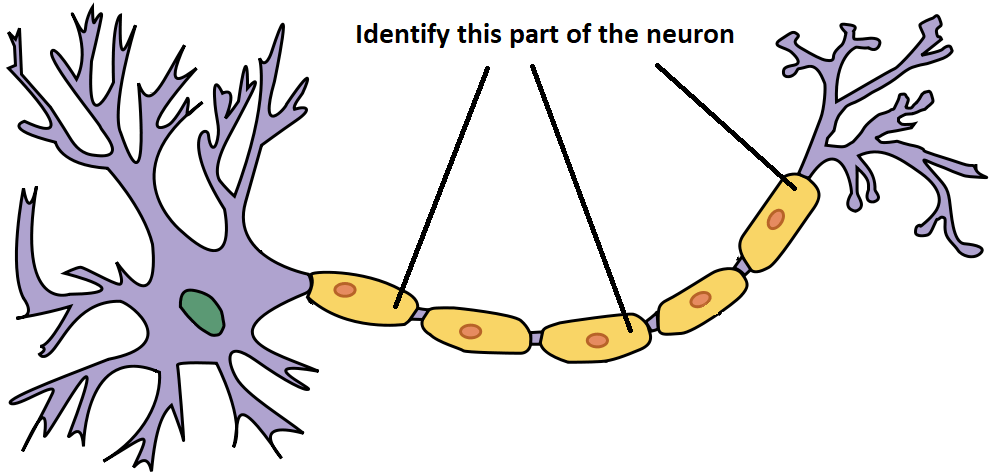
Dendrites
Axon Terminals
Myelin Sheath
Schwann Cells
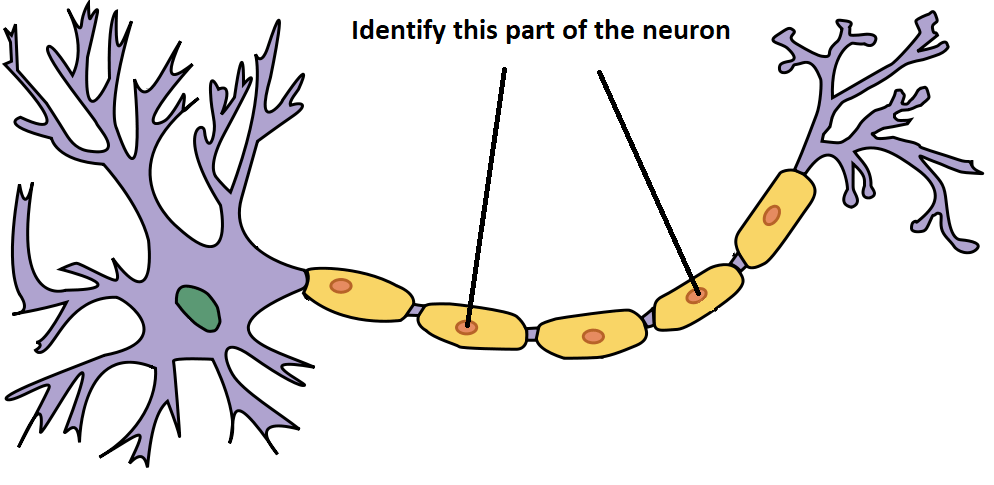
Dendrites
Axon Terminals
Myelin Sheath
Schwann Cells
What does the neuron's nucleus do?
Controls the actions of the neuron
Produces food for the neuron
Carries information from the cell body to other neuronsThis is a wrong answer
Controls speed of electrical signal through the axon
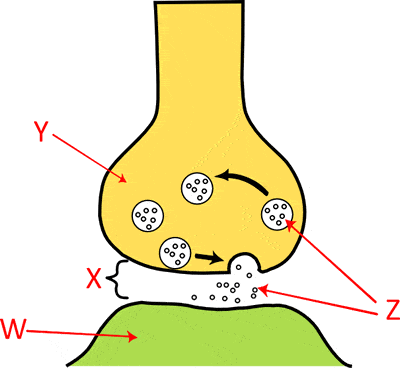


Motor neurons carry impulses __________ the brain
towards
away from
within

What type of neuron is A?
Sensory
Inter
Motor
What type of neuron is C?
Sensory
Inter
Motor

Where would the nerve impulse start in this reflex arc?
A
C
D
E
In a reflex arc, the sensory neuron leads to the ___________ and the motor neuron leads to the __________
Spinal cord, CNS
CNS, muscle
Spinal cord, muscle
Muscle, CNS
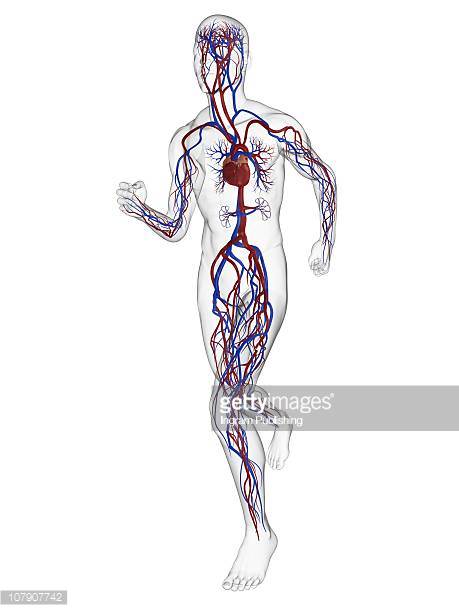
What is the main organ of the circulatory system?
small intestine
bone
lungs
heart
Veins carry oxygen poor blood back to the heart.
False
True
Arteries carry oxygen rich blood away from the heart.
True
False

Coronary arteries...
supply the heart muscle cells with a supply of blood.
supply the brain cells with a supply of blood.
contain deoxygenated blood.
when clogged, cause a stroke.

The main vein(s) that brings blood to the right atrium?
Aorta
Pulmonary veins
Superior and Inferior vena cava
Jugular vein

Name part N.
Right atrium
left atrium
right ventricle
left ventricle

Name part A.
Pulmonary artery
Pulmonary vein
Superior vena cava
Aorta

Name part B.
Pulmonary arteries
Pulmonary veins
Superior Vena cava
Aorta

Name part M.
Tricuspid valve
Semilunar valve
Bicuspid valve
Mitral valve
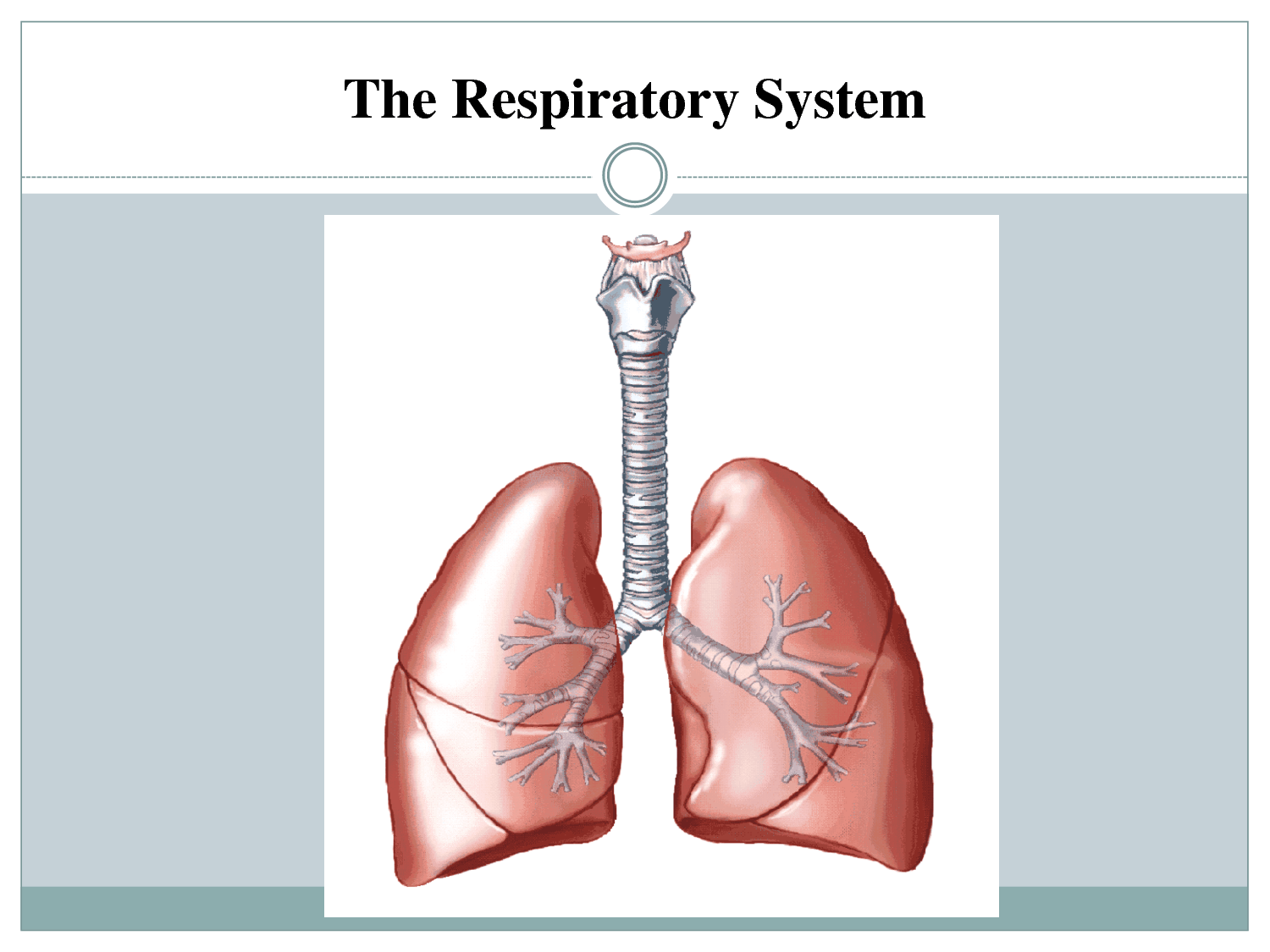
What is the main function of the respiratory system?
to provide oxygen and remove carbon dioxide from the body
o break down food and absorb nutrients
to remove oxygen from the body and deliver carbon dioxide
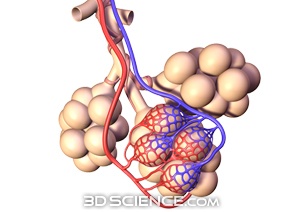
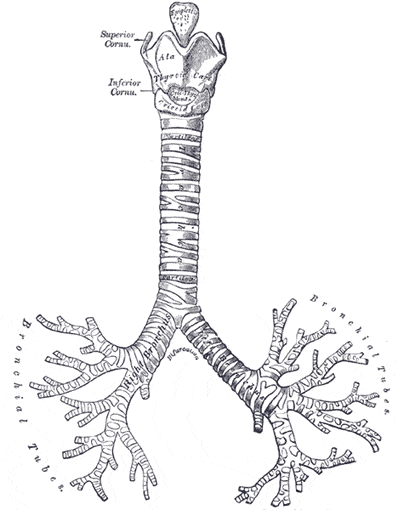
These are the two two main branches from the trachea (one to each lung)
bronchi
alveoli
capillaries
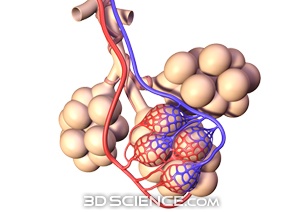
bronchioles
Can a hormone affect any cell?
Yes, they affect all cells
No, the cell has to have a matching receptor
Maybe
Depends on the situation
How do hormones get to their target cells?
nerve impulses
floating in the blood stream
electric and chemical signals
respiration
Which gland is the connection between the nervous system and endocrine system?
pineal
pituitary
hypothalamus
adrenal
If you have growth problems (too big or too small) which gland may be the problem?
ovaries
pituitary
hypothalamus
adrenal
What is the endocrine system?
A system of vessels that circulates blood around the body.
A group of bones and tissue that provides support and structure for the body.
A group of glands that work together with the nervous system to coordinate all body functions
A group of organs that is responsible for eliminating wastes.
What is the main function of the endocrine system?
It creates chemicals, or hormones, that are sent around the body to maintain homeostasis.
It creates electrical messages that are sent around the body to maintain homeostasis.
It maintains the correct level of oxygen in the body to maintain homeostasis.
It releases waste from the body to maintain homeostasis.
The "master gland" is known as the __________________.
thyroid gland.
adrenal gland.
pancreas.
pituitary gland.
Which term refers to the body's use of energy for energy and growth?
Excretion
Metabolism
Digestion
Respiration
What kind of reaction is the fight-or-flight response primarily?
cognitive
physiological
behavioral
What evolutionary purpose does the fight-or-flight response serve?
to prepare the body to react effectively to perceived threats
To protect the survival prospects of an animal's offspring
To remain relaxed during stressful situations
The fight-or-flight response is also referred to as
General adaptation syndrome
Stress management
Acute stress response
What happens to the heart rate during the fight-or-flight response?
Increases
Remains the same
Decreases

