wayground logo

Free Printable Worksheets

Font size

S
M
L
XL
Worksheets

TMHS Forensics Final - Review #2

Total questions: 86

Worksheet time: 2hrs 19mins

Name
Class
Date
1.
What blood stain pattern is created or formed by the force of gravity acting alone?
a)
Passive Drop
b)
Low Velocity Impact Spatter
c)
Flow Pattern
d)
Drip Pattern
2.
What blood spatter pattern is seen in the picture?
a)
Transfer/Contact
b)
Swipe
c)
Wipe
d)
Saturation
3.
What blood spatter pattern is seen in the photo?
a)
Wipe
b)
Swipe
c)
Walking Drip
d)
Flow
4.
What bloodstain pattern is created when an object moves through an existing stain, removing or altering its appearance?
a)
Swipe
b)
Walking Drip
c)
Wipe
d)
Contact
5.
What type of blood spatter is typically created from a gunshot?
a)
Medium Velocity
b)
High Velocity
c)
Cast-Off
d)
Void
6.
What blood spatter pattern is seen in the picture?
a)
Cast Off
b)
Medium Velocity
c)
Void
d)
High Velocity
7.
What pattern of blood spatter is this?
a)
arterial gushes
b)
splash
c)
smear
d)
pool
8.
What pattern of blood spatter is this?
a)
arterial gushes
b)
splash
c)

wipe

d)
pool
9.
What bloodstain pattern is created when blood is released or thrown from a blood-bearing object?
a)
Cast-Off
b)
Walking Drip
c)
Medium Velocity
d)
Void
10.
Which of the following is NOT considered to be on of the five major categories of drugs?
a)
Stimulants
b)
Opiates
c)
Anabolic Steroids
d)
Hallucinogens
11.
Marijuana is considered a...
a)
stimulant
b)
depressant
c)
hallucinogen
d)
date-rape/club drug
12.
Alcohol is considered a...
a)
stimulant
b)
depressant
c)
hallucinogen
d)
date-rape/club drug
13.
Which of the following is NOT an opiate?
a)
Morphine
b)
Xanax
c)
Heroin
d)
Methadone
14.
A hallucinogen causes hallucinations and _________.
a)
delusions
b)
increased senses
c)
waking dreams
d)
lethargy
15.
Drugs deemed to have the highest potential for abuse and having a current medical use are listed in which schedule of the Controlled Substances Act? 
a)
V
b)
IV
c)
III
d)
II
16.
Drugs that speed up the central nervous system?
a)
stimulants
b)
depressants
c)
opiates
d)
inhalants
17.
Drugs that tend to slow down the central nervous system?
a)
designer drugs
b)
depressants
c)
opiates
d)
stimulants
18.
An addictive drug, such as opium, that relieves pain by supressing the central nervous system's ability to relay pain messages to the brain. It also alters mood and behavior, and causes sleep or feelings of mental numbness  
a)
Duration
b)
Narcotic
c)
Toxin
d)
Dose
19.
They increase feelings of energy an alertness while suppressing appetite  
a)
Poison
b)
Stimulants
c)
Toxin
d)
Depressants
20.
Relieve anxiety and produce sleep  
a)
Poison
b)
Depressants
c)
Stimulants
d)
Duration
21.

Which schedule of drug has no medical use?

a)

Schedule 1

b)

Schedule 2

c)

Schedule 4

d)

Schedule 5

e)

Schedule 3

22.

Which schedule of drug can be sold over the counter?

a)

Schedule 1

b)

Schedule 2

c)

Schedule 3

d)

Schedule 4

e)

Schedule 5

23.
What type of drug is alcohol?
a)
Stimulant
b)
Club Drug
c)
Depressant
d)
Marijuana
24.
What impacts how fast alcohol is absorbed or how fast one becomes intoxicated (or drunk)?
a)
How fast you drink it
b)
If there is food in the stomach
c)
How strong the drink is
d)
All the above
25.
The ___ ___ ___ in a person will allow police or doctors to know how much alcohol a person consumed.
a)
FAS
b)
BAC
c)
DUI
26.
The current percentage of blood alcohol concentration necessary to consider a person intoxicated is
a)
0.10%
b)
0.80%
c)
0.08%
d)
8.00%
27.
There is a ___ relationship between the amount of alcohol in the blood and alveoar breath.
a)
direct
b)
indirect
c)
variable
d)
false
28.

Which kind of insect inhabits a body first?

a)

flies

b)

beetles

c)

wasps

d)

worms

29.
The means by which someone dies is known as the:
a)
Proximate cause of death
b)
Mechanism of death
c)
Manner of death
d)
Cause of death
30.

PMI is

a)

postmortem insect

b)

Postmeridian interval

c)

Premortem interval

d)

Postmortem Interval

31.
the immediate reason for a person's death
a)
death
b)
mechanism of death
c)
cause of death 
d)
manner of death
32.

This occurs 2-4 hours after death, where the blood pools due to gravity. The area affected is a bluish-red color.

a)

rigor mortis

b)

algor mortis

c)

livor mortis

33.
The cooling of body temperature after death is:
a)
algor mortis
b)
livor mortis
c)
rigor mortis
d)
pallor mortis
34.

The process that causes the muscles in the body to stiffen resulting in rigidity after death is called

a)

algor mortis

b)

rigor mortis

c)

livor mortis

35.

The five stages of decomposition are: fresh (initial decay), putrefaction (bloating), black putrefaction (active decay), butyric fermentation (advanced decay), and......

a)

skeletonization

b)

dry decay

c)

dehydration

d)

decompositition

36.

Livor, rigor, and algor mortis occur during this stage

a)
fresh
b)
bloat
c)
active decay
d)
advanced decay
37.

Gases cause a bloated appearance of the decomposing body

a)
fresh
b)
bloat
c)
active decay
d)
advanced decay
38.
Also known as Black Putrefaction this stage of decomposition is characterized by a strong odor and is recognizable by a great loss in mass; the body may also collapse. The end of this stage is marked by the dispersal of the maggots from the body.
a)

Fresh

b)

Bloat

c)

Active decay

d)

Advanced decay

39.

Odor and insect activity decrease

a)
fresh
b)
bloat
c)
active decay
d)
advanced decay
40.

The corpse is almost dry and further decay is slow due to lack of moisture.

a)

fresh

b)

active decay

c)

advanced decay

d)

dry decay

41.

Which of the following is the correct order of the life cycle of a blow fly?

a)

egg, pupa, larva (1st instar, 2nd instar, 3rd instar), adult

b)

larva, egg, pupa, adult

c)

adult, larva (1st instar, 2nd instar, 3rd instar), egg

d)

egg, larva (1st instar, 2nd instar, 3rd instar), pupa, adult

42.

What does a medical examiner determine?

a)

cause of death

b)

manner of death

c)

time of death

d)

all of these answers are correct

43.

An internal autopsy begins with a...

a)

x incision

b)

T incision

c)

y incision

d)

I incision

44.

Which series is the proper order of an autopsy?

a)

External exam- Y incision- chest plate removed- organs examined- body fluid collection

b)

Y incision- organs examined- chest plate removed- sew up skin

c)

External exam- Chest plate removed- Y incision- body fluid collection- organs examined

d)

Y incision- chest plate removed- body fluid collection- organ collection- external exam

45.

The fluid collected from the eye during autopsy is

a)

Eyeball juice

b)

Vitreous humor

c)

Aqueous humor

d)

Choroid fluid

46.

What type of killer kills 4 or more people in one location with no cooling down time?

a)

serial

b)

mass

c)

triple homicide

d)

spree

47.

The FBI classifies a serial killer as someone with -

a)

3 victims back to back

b)

4 or more victims in one location

c)

3 victims with a cooling off period

d)

more than 1 victim at more than 1 location

48.

The operating technique of the offender

a)

corpus delicti

b)

signature

c)

modus operandi

d)

staging

49.

Which is NOT a characteristic of an "organized" offender?

a)

probably has a live-in relationship with someone

b)

meticulous

c)

chooses victims randomly

d)

older child in a family

50.

Which s NOT a characteristic of an "unorganized" offender?

a)

low in their family birth order

b)

remained detached during the crime

c)

lives alone

d)

adequate

51.

Which is NOT a part of the Triad Effect?

a)

bedwetting

b)

parental abuse

c)

pyromania

d)

cruelty to animals

52.

Collection and assessment of all of the materials relating to the

specific case.

a)

Profiling input

b)

Decision process models

c)

Crime assessment

d)

Criminal profile

e)

Investigation

53.

Arranging all of the information gathered in the previous stage (Profiling Inputs) into a logical and coherent pattern.

a)

Profiling input

b)

Decision process models

c)

Crime assessment

d)

Criminal profile

e)

Investigation

54.

Reconstruction of the sequence of events.

a)

Profiling input

b)

Decision process models

c)

Crime assessment

d)

Criminal profile

e)

Investigation

55.

The process of providing a list of background, physical, and behavioral characteristics of the perpetrator.

a)

Decision process models

b)

Crime assessment

c)

Criminal profile

d)

Investigation

e)

Apprehension

56.

The profile is provided to requesting agencies and incorporated into their investigation.

a)

Decision process models

b)

Crime assessment

c)

Criminal profile

d)

Investigation

e)

Apprehension

57.

Cross check the profile produced with the characteristics of the offender once they are apprehended.

a)

Decision process models

b)

Crime assessment

c)

Criminal profile

d)

Investigation

e)

Apprehension

58.

What are the physiological functions measured by a polygraph machine

a)

heart rate

b)

blood pressure

c)

respiration,

d)

skin conductivity

e)

All of the above

59.
The pelvis of a female is _____ as compared to a male.
a)
wide and circular
b)
wide and heart-shaped
c)
narrow and circular
d)
narrow and heart-shaped
60.
Why does an infants skeleton contain a higher number of bones?
a)
They are born with many bones that have not fused completely
b)
They are mutant ninja bebes
c)
They are born with bones that eventually turn into cartilage
d)
all of the above
61.
Suture Lines on the __________ are helpful in determining the __________ of a victim
a)
skull , age
b)
name , number
c)
jaw , race
62.
One of the  ways to determine the race using bones is by examining the :
a)
the pelvis
b)
the leg bones
c)
skull
d)
the occipital bump
63.
The pelvis in the picture is most likely
a)
male
b)
female
64.

How many teeth does a typical human have?

a)

24

b)

32

c)

40

d)

18

65.
How many bones do adult humans have?
a)
206
b)
306
c)
350
d)
450
66.
What is the process of bone replacing cartilage?
a)
Anthropology
b)
Ossification
c)
Tendonitis
d)
Osteoporosis
67.
Which is the most reliable bone to determine the sex of a skeleton? 
a)
Femur
b)
Skull
c)
Pelvic bone
d)
Collarbone
68.
Using the photos on the screen, which Pelvis belongs to a male?
a)
1
b)
2
69.

The highlighted bone in the image is

a)

Humerus

b)

Radius

c)

Ulna

d)

Fibula

70.

The highlighted bone in the image is the:

a)

Tibia

b)

Fibula

c)

Radius

d)

Ulna

71.

These green bones are in the palm of your hand.

a)

metacarpals

b)

metatarsals

c)

tarsals

d)

carpals

72.

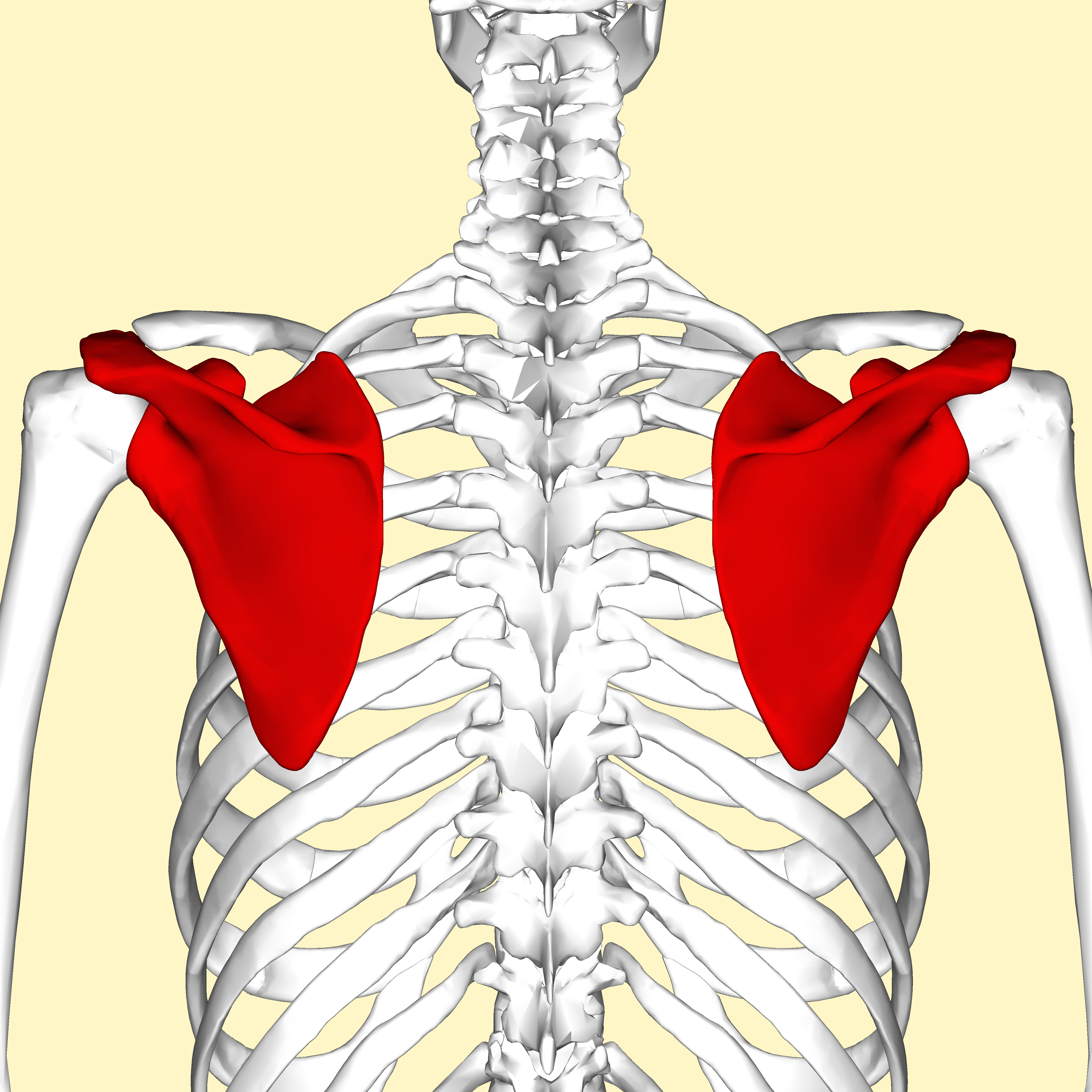
What bones are colored red?

a)

Clavicle

b)

Scapula

c)

Sternum

d)

Carpals

73.

What bone is highlighted?

a)

Femur

b)

Tibia

c)

Fibula

d)

Humerus

74.
Which of these is a long bone?
a)
Femur
b)
Patella
c)
Scapula
d)
Carpal
75.
Which bone?
a)
Parietal
b)
Occipital
c)
Frontal
d)
Forehead
76.
a)
vertebrae
b)
tibia
c)
pelvis
d)
femur
77.
a)
Humerus
b)
Ulna
c)
Radius
d)
Clavicle
78.
Name the bones.
a)
Tarsals
b)
Carpals
c)
Phalanges
d)
Mandible
79.
Name the bone highlighted in red.
a)
Clavicle
b)
Rib Cage
c)
Humerus
d)
Femur
80.
Also known as the kneecap
a)
Patella
b)
Tibia
c)
Fibula
d)
Femur
81.
a)
Pelvis
b)
Humerus
c)
Rib Cage
d)
Bird Cage
82.
a)
pelvis
b)
tibia
c)
sternum
d)
sacrum
83.

Which bones are highlighted

a)

carpals

b)

tarsals

c)

metacarpals

d)

metatarsals

84.

Which bones are highlighted

a)

carpals

b)

tarsals

c)

metacarpals

d)

metatarsals

85.
If skeletal remains were determined to be from an Asian person, it is termed
a)
caucasoid
b)
mongoloid
c)
africoid
d)
aboriginal
86.

This skull, with a wide nasal opening and square eye sockets, can be mostly likely classified as:

a)

Mongoloid

b)

Negroid

c)

Middle Eastern

d)

Caucasian