wayground logo

Free Printable Worksheets

Font size

S
M
L
XL
Worksheets

Human Body Final

Total questions: 150

Worksheet time: 2hrs 56mins

Name
Class
Date
1.

Which system of the human body provides protection to most of the major organs?

a)

skeletal system

b)

circulatory system

c)

respiratory system

d)

muscular system

2.

Which of the following best describes the job of the skeletal system?

a)

Gives shape and support to the body.

b)

Sends messages from the stomach to the brain.

c)

Brings in and breaks down all nutrients for the body

3.
a)
ulna
b)
humerus
c)
radius
d)
vertebrae
4.
a)

Mandible

b)

Zygomatic

c)

Temporal

d)

Maxilla

5.
what bone is highlighted
a)
shoulder blade
b)
Clavicle
c)
shoulder
d)
Scapula
6.
what bone is highlighted?
a)
xiphoid process
b)
Clavicle
c)
Breast bone
d)
sternum
7.
What bone is highlighted
a)
ulna
b)
radius
c)
Humerus
d)
Scapula
8.
What bone is highlighted
a)
 ulna
b)
Scapula
c)
radius
d)
arm
9.
What bones are these
a)
Carpals
b)
Metacarpals
c)
Phalanges
d)
 hand
10.
What bone is highlighted
a)
femur
b)
thigh
c)
tibia
d)
Fibula
11.
what bone is highlighted
a)
Thigh bone
b)
Tibia
c)
Fibula
d)
shin bone
12.
what bone is highlighted
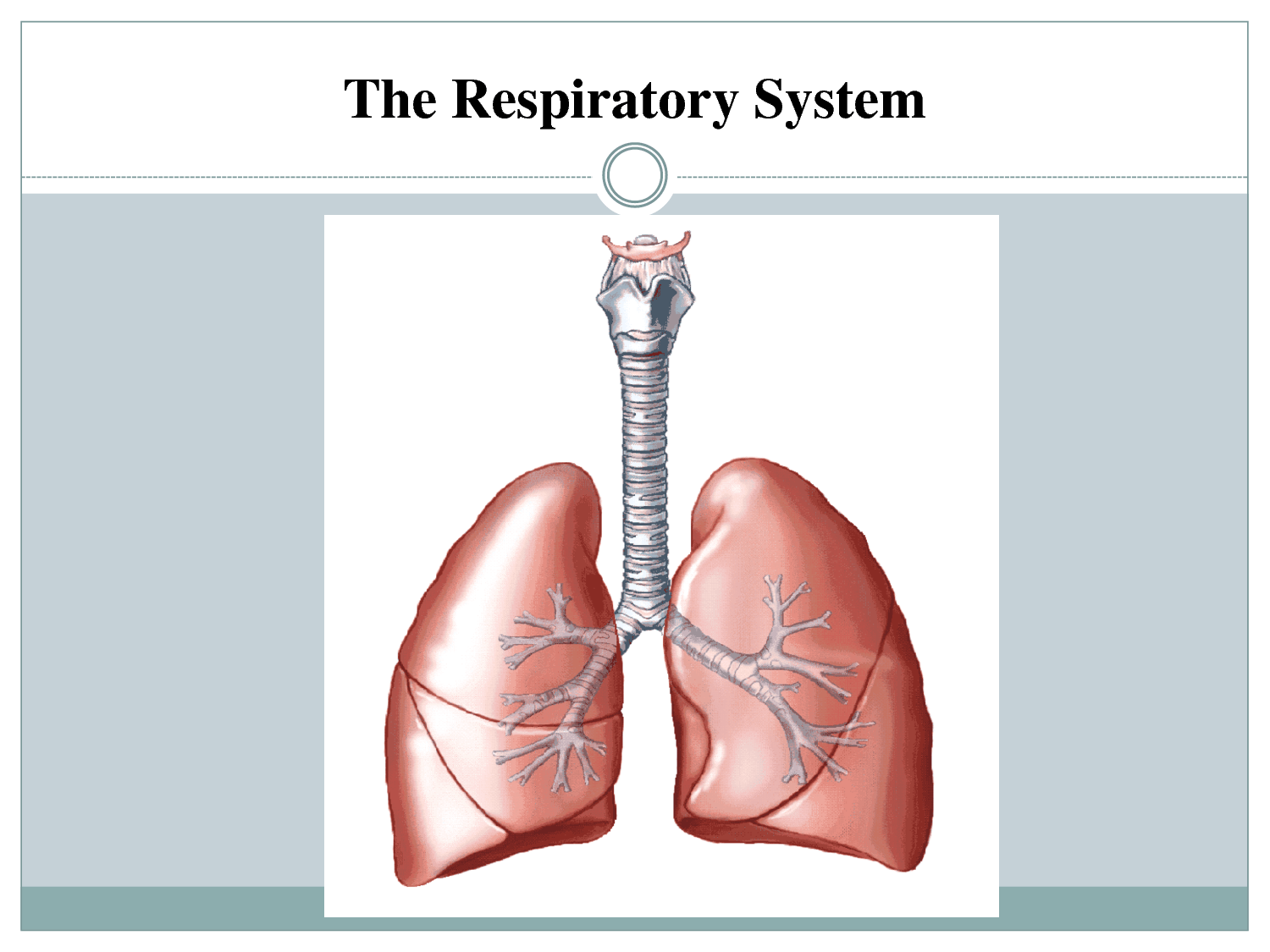
a)
Fibula
b)
Tibia
c)
Shin bone
d)
leg
13.
Name the bone that is highlighted
a)
Calcaneous
b)
Talus
c)
Phalanges
d)
Metatarsals
14.
What  bone is highlighted
a)
Metatarsals
b)
Phalanges
c)
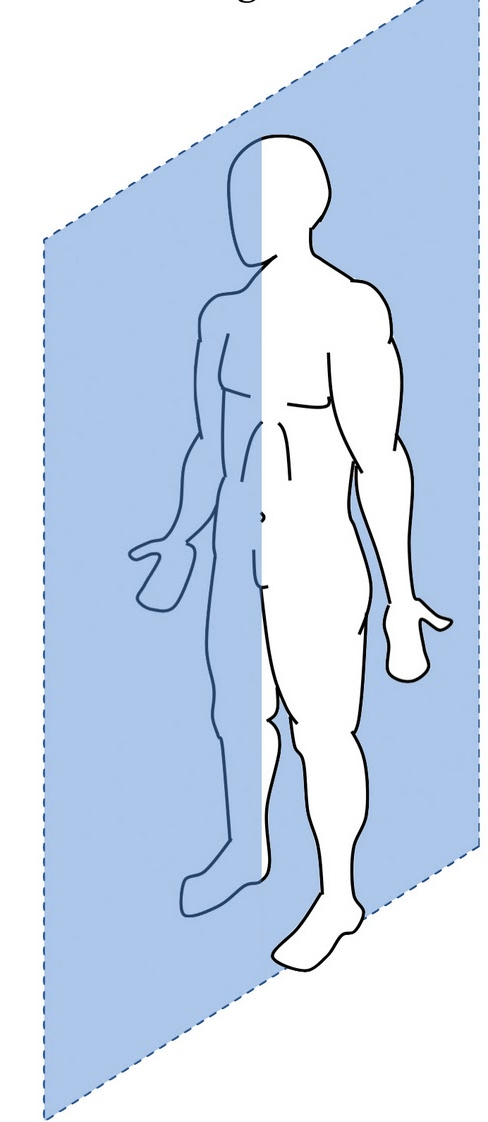
feet 
d)
Tarsals
15.
What section of the spine is highlighted
a)
thoracic
b)
cervical
c)
lumbar
d)
sacrum
16.
What section of the spine is highlighted
a)
sacrum
b)
cervical
c)
thoracic
d)
lumbar
17.
What section of the spine is highlighted
a)
sacrum
b)
cervical
c)
thoracic
d)
lumbar
18.
What section of the spine is highlighted
a)
sacrum
b)
coccyx
c)
thoracic
d)
lumbar
19.
What is another name for your collar bone?
a)
scapula
b)
clavicle
c)
patella
d)
sternum
20.

this bone is the

a)

scapula bone

b)

clavicle bone

c)

mandible bone

d)

pelvic bone

21.

the bones pictured here are called the

a)

phalanges

b)

metacarpals

c)

carpals

d)

tarsals

22.
How many bones does an adult human have?
a)
300
b)
306
c)
206
d)
602
23.
What bones protect your heart and lungs?
a)
pelvis and spine
b)
brain and spine
c)
ribs and sternum
d)
ribs and pelvis
24.

The scientific name for "top of the skull" is ____

a)

Cranium

b)

Radius

c)

Ulna

d)

Patella

25.

The scientific name for "toe bone" is

a)

phalange

b)

vertebra

c)

metaphalange

d)

ulna

26.

The scientific name for "backbone" is

a)

sternum

b)

femur

c)

tarsal

d)

vertebra

27.

The forearm bone closest to the thumb is the __________.

a)

Ulna

b)

Radius

28.

The _________________ gives the body its shape and supports and protects the internal organs.

a)

nervous system

b)

skeletal system

c)

muscular system

d)

body system

29.

What does the cranium protect?

a)

heart

b)

eyes

c)

brain

d)

lungs

30.

What is the largest and strongest bone in the body?

a)

skull

b)

vertebrae

c)

femur

d)

ribs

31.
What does our skeleton help us do?
a)
Move
b)
Think
c)
Sleep
d)
None of these
32.

What are the main functions of the skeleton?

a)

Protection

b)

Body Shape

c)

Movement

d)

All Of These

33.

The part of the bone that makes red blood cells.

a)

cartilage

b)

tendon

c)

ligament

d)

bone marrow

34.

Why do doctors use casts to repair broken bones?

a)

Medicine inside the cast helps the bones hea

b)

The cast immobilizes the bones so they mend properly

c)

The cast gives patients a greater range of mobility

d)

The cast prevents other bones from breaking

35.

What is the job of the Sternum?

a)

protect heart and lungs

b)

make you taller

c)

protect your brain

d)

make you shorter

36.

What is the place where two bones meet?

a)

bones

b)

tendons

c)

ligament

d)

joint

37.

What is the name for the connector that attaches muscle to bone?

a)

ligament

b)

tendon

c)

joint

d)

bones

38.

What is the name for the connector that attaches bone to bone?

a)

ligament

b)

tendon

c)

joint

d)

cartilage

39.

The functions are the skeletal system are

a)

To support the body, protect the organs, store calcium, and produce blood cells

b)

to regulate the composition of body fluids by removing metabolic wastes and retain the balance of water, salt, and other nutrients

c)

to regulate and maintain bodily functions by producing hormones and releasing them into the blood stream

d)

to enable the diffusion of oxygen into the bloodstream and the removal of carbon dioxide from the bloodstream

40.

A 95 year old patient has an accidental fall while going to the bathroom without assistance. It appears the patient has sustained a bone fracture to the right leg. The leg’s shape is deformed and the patient is unable to move it. The patient is alert and oriented but in pain. What will you do FIRST after confirming the patient is safe and stable?

a)

Apply an ice pack covered with a towel to the site.

b)

Immobilize the fracture with a splint.

c)

Administer pain medication.

d)

Elevate the extremity above heart level.

41.
Bone breaks incompletely, occurs most commonly during the infantile stages of life.
a)
Greenstick Fracture
b)
Stable Fracture
c)
Bluestick Fracture
d)
Comminuted Fracture 
42.

The xray shows a fracture that has bones broken into more than two pieces. What type of fracture is this?

a)

Simple

b)

Compound

c)

Impacted

d)

Comminuted

43.
What was Elvis famous for shaking?
a)
fingers
b)
pelvis
c)
clavicles
d)
tibias
44.

Which activity DOES NOT help your bones?

a)

eating a leafy green salad and drinking milk

b)

wearing a helmet and body pads

c)

playing sports and getting enough exercise

d)

eating junk food and staying inside

45.

Word match: a stiff covering used to hold a broken bone in place.

a)

blood

b)

doctor

c)

cast

46.

Word match: moving the body to keep it healthy

a)

doctor

b)

exercise

c)

milk

47.

Fact or Fiction: Bones help you stand up, jump and walk around.

a)

fact

b)

fiction

48.
Where is the smallest bone in your body?
a)
hand
b)
spine
c)
ear
d)
pinky toe
49.

The bones of the ankle are called

a)

carpals

b)

jewlups

c)

tarsals

d)

calcaneus

50.

Choose the correct stament

a)

Bones are hard and rigid.

b)

Bones are flexible and hard.

c)

Bones are flexible and soft.

d)

Bones are hard and soft.

51.

What muscle is the arrow pointing toward?

a)

biceps

b)

traps

c)

pecs

d)

triceps

52.

What muscle is the arrow pointing to?

a)

Pectoralis (Pecs)

b)

Biceps

c)

Triceps

d)

Lats

53.

What muscle is the arrow pointing to?

a)

Biceps

b)

Triceps

c)

Lats

d)

Quads

54.
What type of muscle can be found in the heart?
a)
Smooth
b)
Skeletal
c)
Cardiac
55.
Smooth muscle can be found in the:
a)
Intestines
b)


Heart

Heart

c)
Bicep
d)
Brain
56.
Voluntary muscle is...
a)
muscle that has to be told when to move
b)
muscle that moves automatically
c)
muscle that needs to be stretched regularly
d)
muscle that makes up the heart and stomach
57.

muscles that contract when needed

a)

fast twitch

b)

slow twitch

c)

voluntary

d)

involuntary

58.

muscle that moves the body

a)

skeletal

b)

cardiac

c)

smooth

d)

digestive

59.
Which of the following is a type of muscle tissue
a)
Skeletal 
b)
Cardiac
c)
Smooth
d)
All of the above
60.
Which types of muscle tissue are voluntary
a)
Cardiac Muscle
b)
Smooth Muscle
c)
Skeletal Muscle
d)
Skeletal Muscle and Smooth Muscle
61.
Which muscles are involuntary?
a)
skeletal
b)
cardiac
c)
smooth
d)
smooth and cardiac
62.
When a muscle contracts, it _______
a)
gets longer
b)
gets shorter
c)
gets thinner
d)
grows hair
63.
Muscles always work in _____
a)
pairs
b)
groups of 3
c)
bones
d)
joints
64.
What are muscles like?
a)
rocks
b)
rubber bands
c)
water
65.
About how many muscles are in your body?
a)
206
b)
300
c)
over 600
d)
1,000
66.
A tendon is
a)
Connects bone to another bone
b)
A tear of the ligaments
c)
Connects muscles to bone
d)
An overuse injury
67.

I in RICE stands for

a)

Ibuprofen

b)

Ice

c)

Insulation

d)

Iodine

68.
Pain, tenderness, difficulty moving, swelling and bruising are all symptoms of
a)
sprains & strains
b)
poor circulation
c)
cardiac arrest
d)
bone breaks and fractures
69.
Which of the following is a sign or symptom of a sprain
a)
swelling and warmth
b)
blistering of the skin
c)
pins and needles in the foot
d)
painless feeling
70.

One symptom of a sprain may be a popping sound from the affected joint when the injury occurs.

a)

TRUE

b)

FALSE

71.

Which is the function of the cardiovascular system?

a)

to move water throughout the body

b)

to provide structural support for the body

c)

to eliminate waste from the body

d)

to transport gases throughout the body

72.
Which is responsible for providing oxygen to cells?
a)
respiratory system
b)
circulatory system
c)
muscular system
d)
nervous system
73.
Which system permits blood to circulate and transports nutrients around the body?
a)
Nervous
b)
Respiratory
c)
Circulatory
d)
Digestive
74.
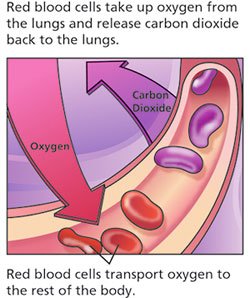
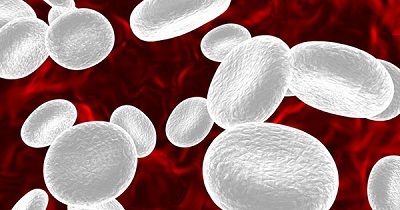
These cells, in the blood, carry oxygen and give the blood its color.
a)
white blood cells
b)
plasma
c)
platelets
d)
red blood cells
75.
Where in your body can you find blood vessels?
a)
around the heart
b)
in hands & feet
c)
in your head
d)
virtually everywhere
76.
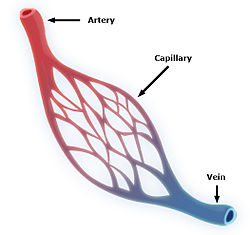
This type of vessel carries blood TO the heart:
a)
vein
b)
nerve
c)
muscle
d)
artery
77.
When oxygen-rich blood is carried AWAY from the heart, it travels through an...
a)
artery
b)
neuron
c)
vein
d)
straw
78.
The smallest type of blood vessel is the:
a)
nerve
b)
vein
c)
capillary
d)
artery
79.
The cells in the blood that help fight germs and illnesses are the...
a)
red blood cells
b)
platelets
c)
white blood cells
d)
axons
80.
Your blood is made up of which of the following...
a)
plasma, red blood cells, blue blood cells
b)
white and red blood cells
c)
plasma and platelets
d)
plasma, red blood cells, white blood cells, and platelets
81.
Your skeletal systems work to protect which organ located in the cardiovascular system?
a)
heart
b)
kidneys
c)
brain
d)
spinal cord
82.
Platelets 
a)
allow for gases to exchange
b)
give blood its color
c)
fight infection and disease
d)
help clot blood
83.
The human heart is an organ that pumps blood throughout the body supplying oxygen, nutrients, blood, and hormones to and from the tissues removing _________ ___________ and other wastes.
a)
hydrogen dioxide
b)
carbon moxoide
c)
water molecules
d)
carbon dioxide
84.
The heart is made up of _________ chambers
a)
one 
b)
two 
c)
three
d)
four
85.
Oxygen deprived blood enters the heart through the 
a)
right ventricle 
b)
left ventricle
c)
right atrium
d)
left atrium
86.
Arteries carry nutrient and oxygen rich blood _____________ from the heart.
a)
back to
b)
away
c)
parallel
87.
Veins carry blood _________  the heart.
a)
back to 
b)
away
c)
parallel
88.
Blood vessels are 
a)
veins
b)
capillaries
c)
arteries
d)
all of them
89.
Capillaries join together
a)
veins and arteries
b)
veins and the heart
c)
arteries and veins
d)
heart and valves
90.
The heart is the size of
a)
your thumb
b)
your fist
c)
your ribcage
d)
your kitchen table
91.
Unoxygenated blood enters the right atrium from the top of the heart.
a)
inferior vena cava
b)
superior vena cava
c)
aorta
92.
Unoxygenated blood enters the right atrium from the bottom of the heart.
a)
inferior vena cava
b)
superior vena cava
c)
pulmonary veins
93.
Major artery at the top of the heart sends oxygenated blood from the left ventricle to the rest of the body.
a)
aorta
b)
pulmonary artery
c)
inferior vena cava
94.

Which side of the heart has the oxygenated blood?

a)

Left

b)

right

c)

both

d)

top

95.

Which is the Superior Vena Cava?

a)

A

b)

B

c)

O

d)

P

96.

Which is the Inferior Vena Cava?

a)

A

b)

B

c)

O

d)

P

97.

Which is the Aortic Arch?

a)

A

b)

B

c)

O

d)

P

98.

Which is the Right Atrium?

a)

C

b)

E

c)

K

d)

M

99.

Which is the Left Atrium?

a)

C

b)

E

c)

K

d)

M

100.

Which is the Right Ventricle?

a)

C

b)

E

c)

K

d)

M

101.

Which is the Left Ventricle?

a)

C

b)

E

c)

K

d)

M

102.

Contains hemoglobin, supplies body with oxygen

a)

Plasma

b)

Platelet

c)

White Blood Cell

d)

Red Blood Cell

103.

Select all answers that represent a "Blood Type"

a)

O

b)

AO

c)

BO

d)

AB

e)

A

104.

Where are red blood cells produced?

a)

Bone Marrow

b)

Heart

c)

Lungs

d)

Brain

105.

What causes the blood to be the distinct red colour?

a)

Heamaglobin

b)

Glucose

c)

Hormones

d)

Oxygen

106.

How many different types of blood vessels are in our bodies?

a)

1

b)

5

c)

3

d)

2

107.

Which of the following is NOT a type of blood vessel?

a)

Artery

b)

Capillary

c)

Vein

d)

Ventricle

108.

Which is the smallest of the 3 blood vessels?

a)

Veins

b)

Arteries

c)

Capillaries

109.

What type of blood do the arteries usually carry?

a)

Oxygenated Blood

b)

Deoxygenated Blood

110.

What type of blood do the veins usually carry?

a)

Oxygenated Blood

b)

Deoxygenated Blood

111.

This image represents what?

a)

The digestive system

b)

The circulatory system

c)

The nervous system

d)

The view up a persons nose

112.

Which are part of the integumentary system?

a)

Muscles, skeleton, bone marrow

b)

Hair, skin, bones

c)

Hair, skin, nails

d)

Brain, spinal cord, nerves

113.

Which is not a function of the integumentary system?

a)

Protection against foreign objects

b)

Sweating/cooling

c)

Insulating/warming

d)

Urinating

114.

How is your body cooled?

a)

Hair

b)

Fat

c)

Oil glands

d)

Sweat

115.

What's the outer-most layer of your skin called?

a)

Epidermis

b)

Dermis

c)

Subcutaneous fat layer

d)

All of the above

116.

What is the largest organ of your body?

a)

Liver

b)

Kidneys

c)

Skin

d)

None of the above

117.

Check all the main layers of the skin

a)

Alveoli layer

b)

Dermis

c)

Epidermis

d)

Subcutaneous fat layer

e)

Semi permeable layer

118.

How many layers are there in the Integumentary System?

a)

1

b)

3

c)

5

d)

7

119.

Which layer of the Integumentary System is the deepest / 3rd layer?

a)

Dermis

b)

Epidermis

c)

Hypodermis

d)

Callouses

120.

Another name for the Hypodermis (last layer of skin) is called ______?

a)

Deeper Subcutaneous Tissue

b)

Deeper Skin Area

c)

Arrector Muscle

d)

Hair Root

121.

The sun gives us a good source of...

a)

Vitamin A

b)

Vitamin B

c)

Vitamin C

d)

Vitamin D

122.
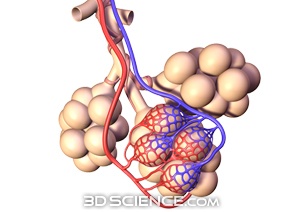
When you breathe, your lungs take in ___ and remove ___. 
a)
air/oxygen
b)
oxygen/carbon dioxide 
c)
carbon dioxide/waste 
d)
waste/air 
123.
What is the main function of the respiratory system?
a)
to provide oxygen and remove carbon dioxide from the body
b)
to bring oxygen to the body
c)
to break down food and absorb nutrients
d)
to remove oxygen from the body and deliver carbon dioxide
124.

The drawing in of breath; inhalation.

a)

Inspiration

b)

Expiration

125.

Breathing out; exhalation of breath.

a)

Inspiration

b)

Expiration

126.

The only externally visible part of the respiratory system

a)

Eyes

b)

Nose

c)

Pharynx

d)

Larynx

127.

The division of the trachea forms

a)

nose

b)

main bronchi

c)

lungs

d)

alveoli

128.
The system of the body that brings oxygen into the body and releases carbon dioxide.
a)
respiratory​ ​system​
b)
skeletal system
c)
muscular system
d)
circulatory system
129.
Organs of the respiratory system that bring oxygen-rich air into​ ​the body and send oxygen-poor air out of the body.
a)
heart
b)
muscles
c)
lungs
d)
bones
130.
The tube in the body through which air moves as it travels to and from the lungs;the windpipe.
a)
heart
b)
bone
c)
blood vessel
d)
trachea 
131.
A wide muscle that separates the chest cavity from the abdominal cavity and aids in the inflation of the lungs.
a)
diaphragm​
b)
heart
c)
nose
d)
trachea
132.
Number 2 is pointing to the...
a)
Esophagus
b)
Stomach
c)
Small intestine
d)
Anus
133.
Which organ pushes food down to the stomach?
a)
Mouth
b)
Esophagus
c)
Rectum
d)
Large intestine
134.
Number 2 is pointing to the...
a)
Esophagus
b)
Stomach
c)
Small intestine
d)
Anus
135.

_____ is the part of food the body does not need.

a)

grow

b)

waste

c)

nutrients

136.

The process by which the body breaks down food so that it can be used for energy.

a)

Composition

b)

Ingestion

c)

Digestion

d)

Absorption

137.

mal-

a)

bad or abnormal

b)

rapid/fast

c)

false

d)

backward or behind

138.

tachy-

a)

slow

b)

rapid/fast

c)

to or toward

d)

breathing

139.

-itis

a)

inflammtion

b)

pain

c)

pertaining to

d)

measurement

140.

A patient suffering with gastritis would experience...

a)

Inflammation of the liver

b)

Inflammation of the stomach

c)

muscular pain

d)

all of the above

141.

-osis

a)

inflammation

b)

abnormal condition

c)

bad, difficult

d)

rupture

142.

Ab-

a)

Away from

b)

To, Toward

c)

Abdomen

d)

Lack of, without

143.

-cyt, cyto, cyte

a)

Cranium Skull

b)

To secrete

c)

Cell

d)

Tooth, teeth

144.

cardio

a)

stomach

b)

brain

c)

gallbladder

d)

heart

145.

neuro

a)

mind

b)

brain

c)

head

d)

new

146.

The cavity surrounded by a box is?

a)

Cranial Cavity

b)

Abdominal Cavity

c)

Pelvic Cavity

d)

Abdominopelvic Cavity

147.
Which body plane is pictured?
a)
sagittal
b)
frontal (coronal)
c)
transverse
148.

What abdominal quadrant is indicated by letter "a"?

a)

RUQ (Right Upper Quadrant)

b)

LUQ (Left Upper Quadrant)

c)

RLQ (Right Lower Quadrant)

d)

LLQ (Left Lower Quadrant)

149.

What abdominal region is indicated by #4

a)

epigastric region

b)

right lumbar

c)

umbilical

d)

left inguinal

150.

What is another name for this anatomical direction in the brain?

a)

Anterior

b)

Posterior

c)

Superior

d)

Inferior