wayground logo

Free Printable Worksheets

Font size

S
M
L
XL
Worksheets

Ecosystems Review

Total questions: 62

Worksheet time: 58mins

Name
Class
Date
1.

A consumer that eats only producers.

a)

Primary Consumer

b)

Secondary Consumer

c)

Carnivore

d)

Omnivore

2.

An organism that makes its own food.

a)

Autotroph

b)

Heterotroph

c)

Herbovore

d)

Carnivore

3.

This shows the total energy available at each trophic level of an ecosystem.

a)

Energy Pyramid

b)

Food Chain

c)

Food Web

4.

This organism is always first on a food web.

a)

Plants

b)

The Sun

c)

Apex Predator

d)

Primary Consumer

5.

The energy organisms need to live and grow first enters the ecosystem when-

a)

decomposers break down dead organism

b)

plants take in light energy from the sun

c)

primary consumers eat plants for food

d)

secondary consumers eat primary consumers

6.

The feeding level at the bottom of an energy pyramid contains the

a)

Producers

b)

Primary Consumers

c)

Herbivores

d)

Apex Predators

7.

The complete removal of decomposers from an ecosystem will have the greatest effect on which of the following?

a)

migration

b)

the availability of water

c)

the recycling of nutrients

d)

the distribution of organisms

8.

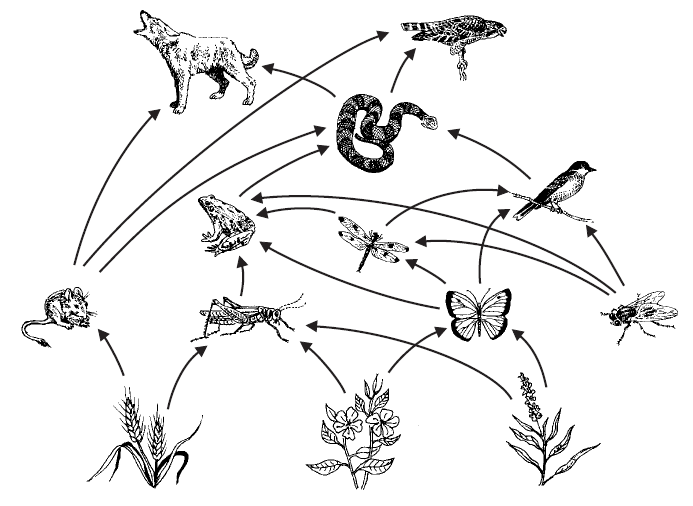
What level consumer is the frog

a)

Primary Consumer

b)

Secondary Consumer

c)

Tertiary Consumer

d)

Apex Predator

9.

What level consumer is the snake?

a)

Primary Consumer

b)

Secondary Consumer

c)

Tertiary

d)

Apex Predator

10.

Consumers that eat only plants.

a)

Producers

b)

Herbivores

c)

Carnivores

d)

Omnivores

11.

Consumers that only eat other animals (meat).

a)

Producers

b)

Herbivores

c)

Carnivores

d)

Omnivores

12.

A consumer that eats both animals and producers.

a)

Carnnivores

b)

Omnivores

c)

Herbivores

13.

The path of energy transfer from one organism to another in an ecosystem.

a)

Food Chain

b)

Food Web

c)

Energy Pyramid

14.

Overlapping food chains with different pathways for the flow of food energy in an ecosystem

a)

Food Chain

b)

Food Web

c)

Food Pyramid

d)

Energy Pyramid

15.

Select all the biotic factors from the list.

a)

Water

b)

Turtle

c)

Log Turtles are Sitting On

d)

Grasses

e)

Sun

16.

Select all the abiotic factors from the list.

a)

Water

b)

Turtles

c)

Log Turtles are Sitting On

d)

Sun

e)

Grasses

17.

In this food web, the gray fox is a...

a)

Primary Consumer

b)

Secondary Consumer

c)

Both a Primary Consumer and a Secondary Consumer

d)

Producer

18.

In this food web, which of the following organisms eats the largest variety of different producers?

a)

Mouse

b)

Grasshopper

c)

Dragonfly

d)

Butterfly

19.
The arrows in a food chain or web represents what?
a)
They point to the organism that is being eaten.
b)
It shows how sunlight flows within an ecosystem.
c)
They show what direction the energy is flowing between organisms. 
d)
They represent how water is transferred within a habitat.
20.

How much energy is available to be passed on to the next level in a food web?

a)

100%

b)

10%

c)

50%

d)

75%

21.
Which of the following symbiotic relationships is considered parasitic?
a)
Ticks feeding on a dog
b)
Bees transporting pollen from flowers
c)
Pilotfish swimming under sharks
d)
Birds eating the insects fromo the back of hippo
22.
Maria and her classmates are observing animals at the pond. They notice that wood storks and ibisies both feed on fish. Which of these describes the relationship between these two birds.
a)
Parasitism
b)
Competition
c)
Predator and prey
d)
Producer and consumer
23.
Which of these describes a mutually beneficial relationship between two organisms?
a)
A dog with worms in its intestine
b)
A turtle and a snail that both eat grass live in a river
c)
A honeybee pollinating a plant and receiving nectar for food
d)
A small fish attached to a shark, eating tiny pieces of the shark's food as it floats
24.
Which pair of organisms listed below are competitors for the same natural resources?
a)
Ticks and dogs
b)
Lions and leopards
c)
Honeybees and flowers
d)
Salmon and brown bears
25.
Which of the examples below can BEST be described as mutualism between animals?
a)
A tapeworm lives in the intestine of a bird and consumes the food that the bird has eaten
b)
Mountain lions and wolves fight each other for the same deer
c)
A bird eats parasites off a rhinoceros while the rhinoceros provides protection to the bird
d)
Rats live in the garbage dump of a town and rarely interact with people
26.
An organism that is killed and eaten by another organism
a)
Predator
b)
Prey
c)
Parasite
d)
Host
27.
Occurs when 2 or more organism use the same resource
a)
Competition
b)
Mutualism
c)
Commensalism
d)
Parasitism
28.
Relationship where one organism benefits and the other is neither harmed nor helped
a)
Commensalism
b)
Parasitism
c)
Mutualism
d)
Competition
29.
An organism where one organism benefits and another is harmed
a)
Commensalism
b)
Parasitism
c)
Mutualism
d)
Competition
30.
Cattle egrets forage (feed) in fields among cattle. The egret gets easy access to flying insects stirred up by the cattle, and the cattle don't care if they are there or not.
a)
mutualism
b)
commensalism
c)
competition
d)
parasitism
31.
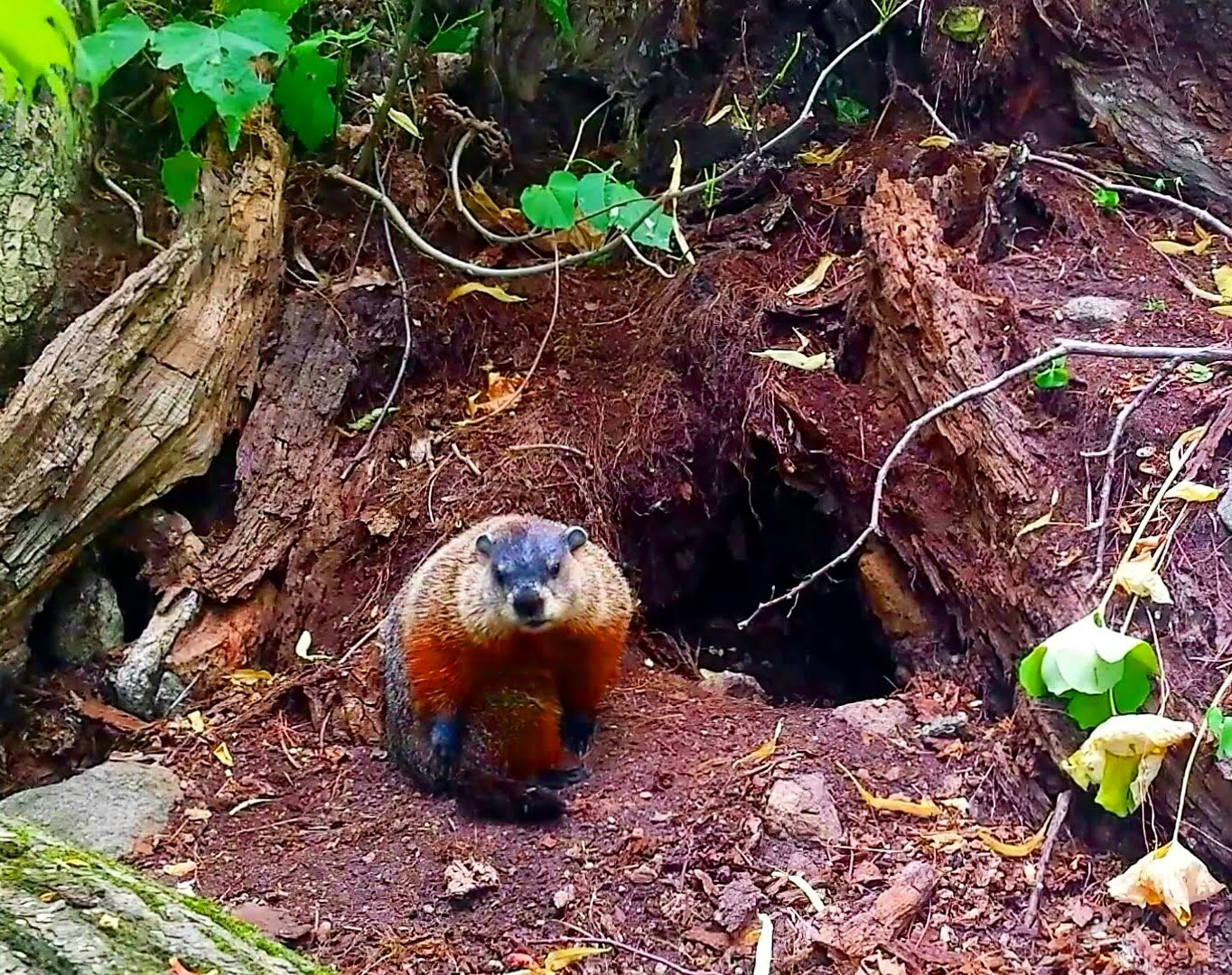
What type of symbiosis?  Skunks often live in burrows that have been dug and abandoned by woodchucks.  
a)
commensalism
b)
mutualism
c)
parasitism
d)
predation
32.
Which symbols best describe parasitism?
a)
+,+
b)
+,-
c)
+,0
d)
-,0
33.
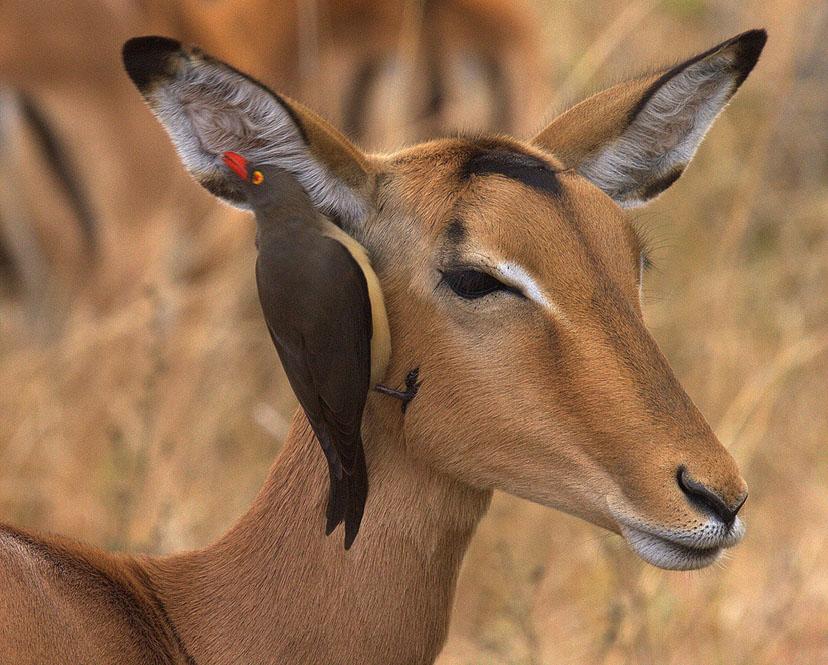
Red-billed oxpeckers are birds that often feed on parasites that infest impala.  This is an example of _______.
a)
commensalism
b)
mutualism
c)
neutralism
d)
competition
34.

Clownfish- home & protection

Sea anemone- Clownfish lures prey into the sea anemone and the sea anemone gets food.

a)

Parasitism

b)

Mutualism

c)

Commensalism

35.

Honeybees- Nectar

Flowers- Get pollinated


Which type of symbiotic relationship is this?

a)

Parasitism

b)

Commensalism

c)

Mutualism

36.
Living parts of an ecosystem are called
a)
biotic factors
b)
abiotic factors
c)
crazy critters
d)
animals and plants
37.
Nonliving parts of an ecosystem are called
a)
abiotic factors
b)
biotic factors
c)
rocks and dirt
d)
funiture
38.
What is another word for an animal's home?
a)
Habitat
b)
Niche
c)
Population
d)
Organism
39.
What is the role an organism plays in its ecosystem?
a)
Habitat
b)
Niche
c)
Organism
d)
Population
40.

Water would be an example of:

a)

Biotic

b)

abiotic

41.

An abiotic factor that limits a population size would be?

a)

Food

b)

predators

c)

space

d)

disease

42.

For what are the wildcat and the fox competing?

a)

Goat

b)

rabbit

c)

owl

d)

hawk

43.

The factors that limit the size of a population are:

a)

Ecos factor

b)

carrying capacity

c)

limiting factor

d)

abiotic number

44.

Choose all the abiotic factors listed

a)

water

b)

mates

c)

space

d)

temperature

e)

predators

45.

Choose all the biotic factors listed

a)

sunlight

b)

food

c)

predators

d)

disease

e)

water

46.

A dead squirrel is an abiotic factor because it is not living anymore.

a)

True

b)

False

47.
Which biome, because of its climate, has the largest number of species of plants and animals?
a)
tundra
b)
desert
c)
rain forest
d)
pine forest
48.
How do lichens contribute to primary succession?
a)
Lichens decompose organic matter from animals and plants
b)
Lichens begin to break down rock to form soil
c)
Lichens are nitrogen fixing bacteria
49.
the first organisms that appear in an ecological community
a)
ecological succession 
b)
primary succession 
c)

primary species

d)

pioneer species

50.

If you visited a forest in 2015 and there was only small plants there when revisited in 2019, what likely happened?

a)

passing of a glacier

b)

preservation of a habitat

c)

occurrence of a forest fire

d)

development of a parking lot

51.
In a particular habitat, owls eat mice and mice eat grass. If the owl population suddenly grows, then most likely
a)
the number of mice will decrease and the amount of grass will not change.
b)
the number of mice will increase and the amount of grass will increase.
c)
the number of mice will increase and the amount of grass will not change.
d)
the number of mice will decrease and the amount of grass will increase.
52.
Which habitat exhibits the greatest biodiversity?
a)
A habitat with 15 different species with about 300 individuals each
b)
A habitat with 10 different species with about 75 individuals each
c)
A habitat with 4 different species with about 150 individuals each
d)
A habitat with only one species with about 2000 individual
53.
What is the MOST likely consequence if a fungal disease killed the grass in this WOODLAND ECOSYSTEM?
a)
Only the rabbits would be affected, because they are the ones who eat the grass.
b)
The blueberry bush would begin to grow wild, because it would have more space to grow.
c)
Nothing would happen; the animals would eat something else.
d)
The ecosystem would most likely be disrupted, because the grass is one of its primary producers
54.
Currently sharks are on a rapid decline due to overfishing. If sharks go extinct will this affect the biodiversity of the ocean?
a)
No, sharks are not important.
b)
No, sharks will only affect the seal populations.
c)
Yes, it will disrupt the entire food chain in the ocean.
d)
Yes, but only a little.
55.
How can humans best help an endangered species avoid extinction?
a)
they can feed the animals
b)
they can put the animals in a zoo
c)
they can protect the animal’s habitat
d)
they can take the animal to new habitats
56.
Why is biodiversity so important?
a)
Because all species depend on each other to survive, so if one becomes extinct another species that relies on it could go extinct as well
b)
Because it’s better to have only one variation of each species.
c)
Because it better to only have a few species on Earth.
d)
Honestly, I have no idea what biodiversity is!
57.

Invasive species alter the ecosystem by _____ in number quickly. This leads to _____ food for the native species.

a)

increasing, less

b)

increasing, more

c)

decreasing, less

d)

decreasing, more

58.

TRUE or FALSE? Invasive species grow quickly due to the lack of predators. This leads to a decline or extinction of the native population.

a)

True

b)

False

59.

Click on the map to help answer this question. What can we predict about the population of Feral Swine for the year 2016?

a)

There will be less feral swine in 2016 than there were in 1982.

b)

There will be more feral swine in 2016 than there were in 2010

c)

There were fewer feral swine in 2004 than 1982.

d)

There will be no change in feral swine population.

60.

A species indigenous to a certain region or ecosystem naturally is a ---

a)

Native Species.

b)

Accidental Species.

c)

Introduced Species.

d)

Invasive Species.

61.

TRUE or FALSE? Invasive species can be introduced to an ecosystem accidentally.

a)

True

b)

False

62.

TRUE or FALSE? Invasive species can be introduced to an ecosystem intentionally.

a)

True

b)

False