Wayground logo

Free Printable Worksheets

Font size

S
M
L
XL
Worksheets

Anatomy Final Review

Total questions: 64

Worksheet time: 36mins

Name
Class
Date
1.
The heart is contained within this cavity (most specific)
a)
mediastinum
b)
pericardial
c)
pleural
d)
thoracic
2.
The ___ separates the two sections of the ventral cavity
a)
heart
b)
lungs
c)
spleen
d)
diaphragm
3.
refers to the back of the body (or posterior)
a)
dorsal
b)
frontal plane
c)
caudal
d)
cephalad
4.
sides of the body
a)
medial
b)
lateral
c)
proximal 
d)
distal
5.
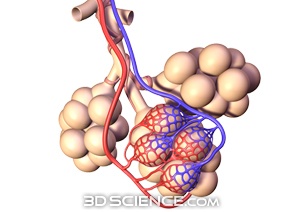
When you breathe, your lungs take in ___ and remove ___. 
a)
air/oxygen
b)
oxygen/carbon dioxide 
c)
carbon dioxide/waste 
d)
waste/air 
6.

Which of the following is true about our body's system?

a)

The skeletal system sends messages to the body

b)

The digestive system helps carbon dioxide leave the body through the lungs

c)

Blood cells are part of the nervous system

d)

The digestive system helps break down food into energy

7.

Your skin and hair are parts of your ___________

a)

endocrine system

b)

excretory system

c)

immune system

d)

integumentary system

8.

About how many bones are in the human body?

a)

108

b)

206

c)

300

d)

509

9.
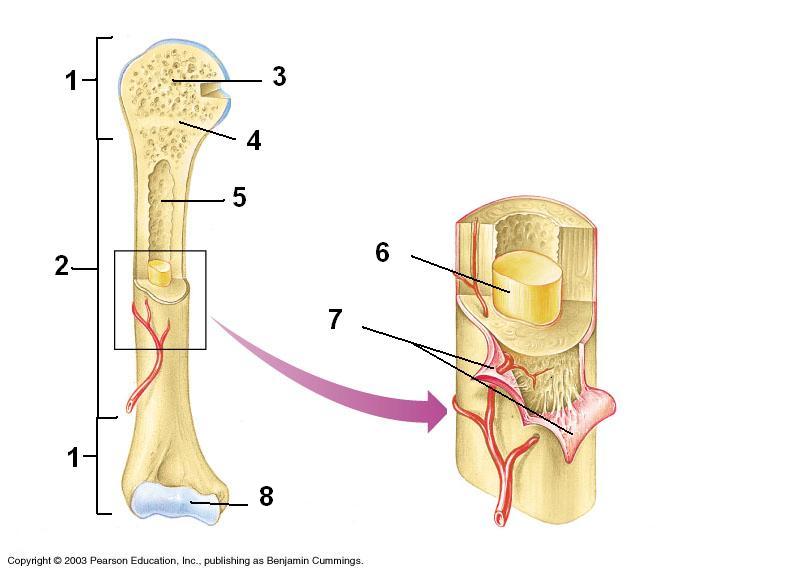
Structure #2 is the 
a)
medullary cavity
b)
periosteum
c)
epiphysis
d)
diaphysis
10.
Mature bone cells that live in tiny cavities within the bone are called?
a)
osteocytes
b)
osteoblasts
c)
osteoclasts
d)
osteons
11.

What is the name of the incomplete fracture usually seen in children?

a)

Linear

b)

Transverse

c)

Fibial

d)

Greenstick

12.

What is the name for the formation of blood cells?

a)

Leukemia

b)

Red Marrow

c)

Lymphocyte

d)

Hematopoiesis

13.

Which 3 structures assist in the articulation of our skeleton:

a)

Epiphysis

b)

Diaphysis

c)

Joints

d)

Ligaments

e)

Tendons

14.

What bones is highlighted?

a)

Femur

b)

Humerous

c)

Skull

d)

Shin

15.
a)
tibia
b)
femur
c)
fibula
d)
humerus
16.

The most movable joints in the body are:

a)

symphyses

b)

synovial joints

c)

syndesmoses

d)

gomphoses

17.

The joint that allows for a wider range of motion (flexion, extension, abduction, adduction, rotation).

a)

gliding

b)

saddle

c)

ball and socket

d)

fibrous

18.

Which thin filament protein bind to Ca during muscle contraction?

a)

Actin

b)

Myosin

c)

Troponin

d)

Tropomyosin

19.

Which number is pointing to a muscle fiber cell?

a)

4

b)

6

c)

3

d)

2

20.
a)
Trapezius
b)
Gluteals
c)
Deltoid
d)
Hamstring
21.

Name the highlighted muscle

a)

latissimus dorsi

b)

obliques

c)

rhomboids

d)

deltoid

22.

Which is not a stage of an action potential:

a)

depolarization

b)

repolarization

c)

nonpolarization

d)

hyperpolarization

23.
What type of epithelial tissue is this?
a)
stratified squamous epithelium
b)
smooth muscle
c)
simple columnar epithelium
d)
simple squamous epithelium
24.
What type of connective tissue is this?
a)
bone
b)
blood
c)
cartilage
d)
tendon
25.

Of the following, which is NOT a sense organ?

a)

eyes

b)

ears

c)

nose

d)

intestine

26.
The main inner ear structure that enables one to hear is called the: 
a)
Cochlea
b)
Pinna
c)
Eustachian Tube
d)
Auricle
27.

The process by which an organism’s internal environment is kept stable in spite of changes in the external environment.

a)

Positive Feedback

b)

Negative Feedback

c)

Homeostasis

d)

Targeted Cells

28.
a)
Dense regular connective
b)
Stratified squamous epithelium
c)
Pseudostratified ciliated epithelium
d)
Fibrocartilage
29.
a)
Blood
b)
Simple columnar epithelium
c)
Nervous tissue
d)
Bone
30.
Label the Neuron-What does the letter "D" represent?
a)
Dendrite
b)
Axon
c)
Myelin Sheath
d)
Node of Ranvier
31.
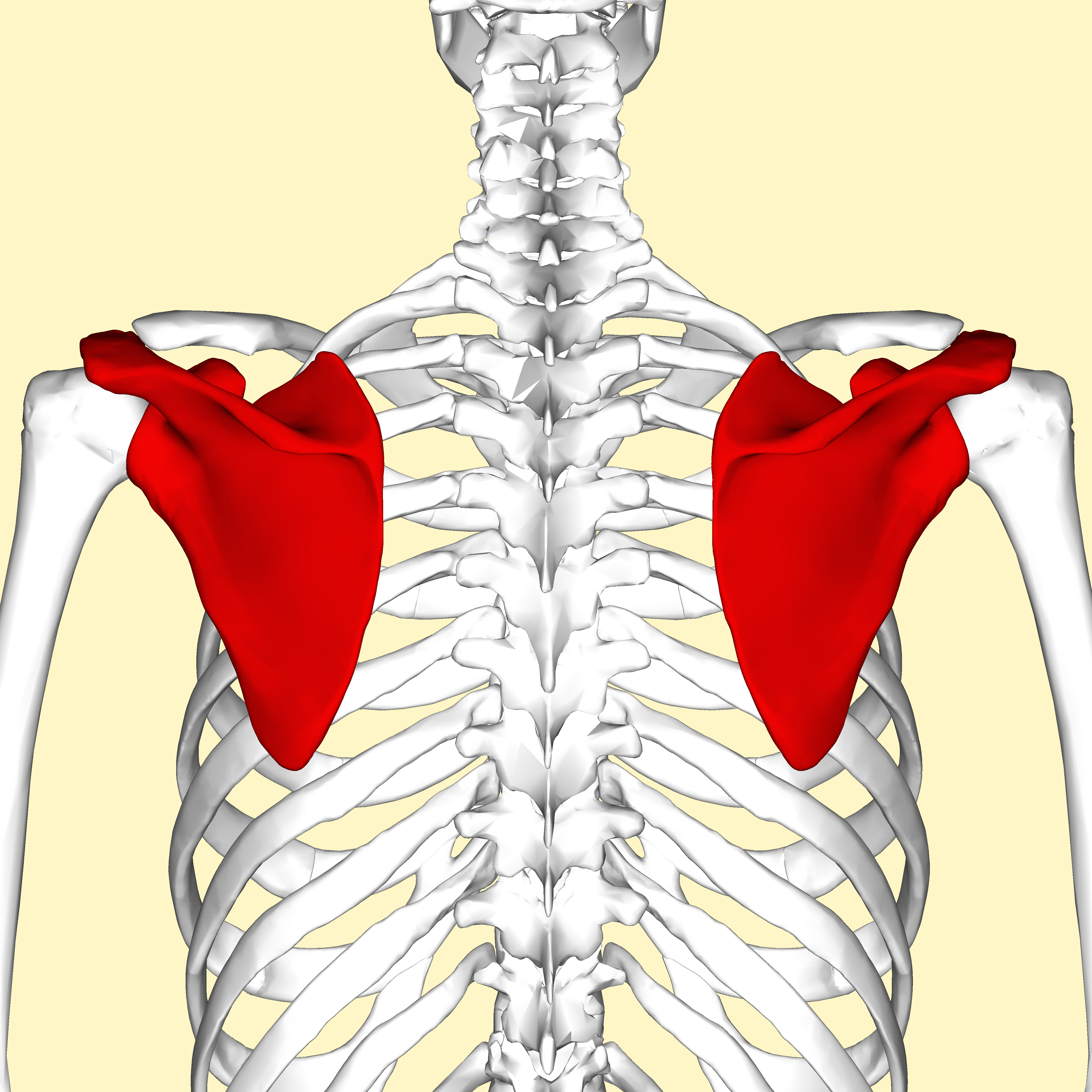
What bones is represented in the  picture?
a)
Clavicle
b)
Scapula
c)
Sternum
d)
Carpals
32.
The most deadly type of skin cancer is:
a)
Basal cell carcinoma
b)
Malignant melanoma
c)
Malignant squamous cell carcinoma
d)
Benign Squamous cell carcinoma
33.

Which of the following produces Sebum?

a)

Eccrine glands

b)

Apocrine glands

c)

Sebaceous glands

d)

Thyroid glands

34.

How many organ systems are there?

a)

10

b)

8

c)

14

d)

11

35.

Breaks down food into absorbable units that enter the blood for distribution to body cells

a)

Integumentary

b)

Cardiovascular

c)

Digestive

d)

Reproductive

36.

Fast acting control system of the body: responds to internal and external stimuli by activating appropriate muscles and glands

a)

Lymphatic

b)

Nervous

c)

Endocrine

d)

Digestive

37.

Which number represents the orbicularis occuli?

(a)  

38.

Which number represents the pectoralis major?

(a)  

39.
The waterproofing protein that fills the cells in the upper layers of the epidermis.
a)
Keratin
b)
Melatonin
c)
Melanin
d)
Actin
40.
The coloring in the skin; found in the epidermis.
a)
Melanin
b)
Oil
c)
Perspiration
d)
Pores
41.
Goosebumps are caused by contractions of the ______ muscle
a)
Arrector pili
b)
Apocrine
c)
Eccrine
d)
Sebaceous
42.
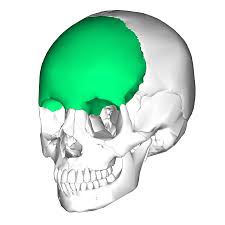
What is this?
a)
Frontal
b)
Mandible
c)
Occipital
d)
Parietal
43.

Most homeostatic control mechanisms in the body are regulated by _______.

a)

hormones

b)

bloodstream

c)

positive feedback

d)

negative feedback

44.

The three main activities performed by the nervous system to maintain homeostasis are sensory, motor and

a)

secretion

b)

visual

c)

intergration

d)

temperature control

45.

A neuron that conducts an impulse away from the CNS is called a/an

a)

unipolar neuron

b)

motor neuron

c)

sensory neuron

d)

association neuron

46.

Which of the following conducts impulses toward the nerve cell body?

a)

axon

b)

dendrite

c)

axon terminal

d)

myelin

47.

What direction does an impulse travel?

a)

away from the cell body

b)

towards the cell body

c)

it does not travel

48.

A automatic, subconscious responses to stimuli within or outside the body is what?

a)

reflex

b)

reaction

c)

stimulation

d)

allergy

49.

How many lobes make up the brain?

a)

3

b)

5

c)

4

d)

6

50.

what type of muscle contraction does not change the length of a muscle?

a)

isontonic

b)

isometric

c)

concentric

d)

eccentric

51.
The chewing and grinding of food into smaller pieces is an example of...
a)
Mechanical Digestion
b)
Chemical Digestion
52.
What is one accessory organ of the digestive system?
a)
Small Intestine
b)
Esophagus
c)
Gallbladder
d)
Stomach
53.
Number 5 is pointing to the...
a)
Liver
b)
Gallbladder
c)
Pancreas
d)
Stomach
54.
Number 2 is pointing to the...
a)
Esophagus
b)
Stomach
c)
Small intestine
d)
Anus
55.
Which of the following helps digest starch in the mouth...
a)
salivary amylase
b)
lysozymes
c)
mucin
d)
bolus
56.

THE MOVEMENT OF FOOD THROUGH THE BODY:

a)

INGESTION

b)

PERISTALYSIS

c)

DIGESTION

d)

ABSORPTION

57.
What is structure #3
a)
Ovary
b)
Fundus
c)
Fallopian Tube
d)
I don't know
58.
the lining of the uterus that thickens as an egg matures
a)
cervix
b)
endometrium
c)
uterus
59.

The hormones that help prepare the uterine lining for implantation of an embryo are

a)

Oestrogen and progesterone

b)

Oestrogen and testosterone

c)

Progesterone and FSH

d)

FSH and LH

60.

A major male sex organ that produces and stores sperm.

a)

Prostate Gland

b)

Testicle

c)

Ovary

d)

Vas deferens

61.

A muscular tube that transports sperm-filled semen.

a)

Vas deferens

b)

Fallopian tube

c)

Scrotum

d)

Penis

62.

Using the diagram, which letter is the Vas Deferens?

a)

H

b)

I

c)

J

d)

K

63.
Name the structure that produces a thin milky fluid that aids in sperm motility and contributes to about 30% of overall semen volume.
a)
testis
b)
seminal vesicle
c)
prostate gland
d)
bulbourethral gland
64.
What is the name of the structure labeled #3 where sperm is stored?
a)
testis
b)
epididymis
c)
scrotum
d)
seminal vesicle