
 Worksheets
8 Review Topic 8
Total questions: 188
Worksheet time: 2hrs 52mins
The nucleus of an atom can be described as
spacious and negatively charged.
dense and positively charged.
spacious and positively charged.
dense and negatively charged.
Electrons are not factored into atomic mass because
they are so small their mass is negligible.
they're not in the nucleus.
they're too big.
they move so quickly their mass is zero.
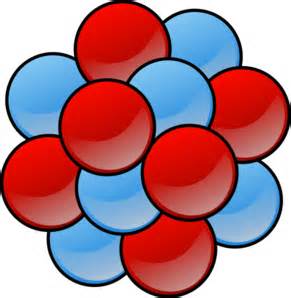
True or False: The majority of an atom is made up of empty space.
True
False
Electrons can be found in ________________.
the protons
the nucleus
electron clouds
The positive particles of an atom are _________________.
electrons
positrons
neutrons
protons
The central region of an atom where its neutrons and protons are is its ___________________.
nucleus
electron cloud
core
center
Particles in an atom that are neutral and have no charge are ______________________.
negatrons
electrons
neutrons
protons
A particle that moves around the nucleus is a(n) _________________.
proton
neutron
electron
quark
An atom with atomic number 6 has _________ protons.
6
12
3
cannot be determined
The number of neutrons in an atom =
protons - neutrons.
mass number - protons .
protons - neutrons.
mass number - electrons .
What is the atomic number?
the number of protons
the number of protons and neutrons
the number of neutrons
the number of protons and electrons
What is the mass number defined as?
the number of protons
the number of protons and neutrons
the number of neutrons
the number of protons and electrons
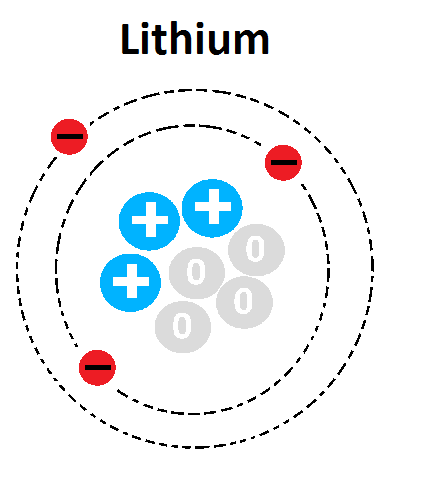
What is the atomic number of this atom?
1
3
4
7
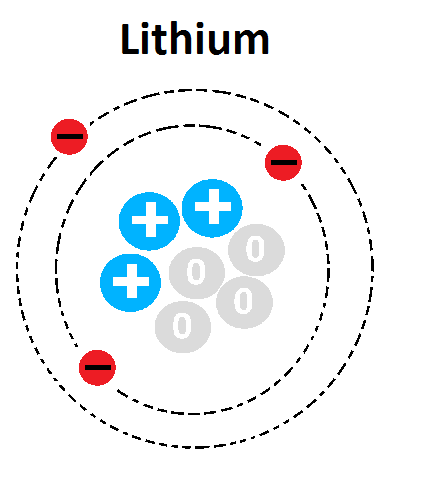
What is the mass number of this atom?
1
3
4
7

The mass of one proton is greater than the mass of one _________.
neutron
electron

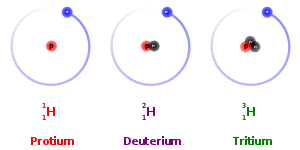
Different isotopes have ________________.
different masses
different atomic numbers
different electrons
different protons
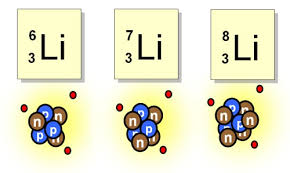
An atom is electrically neutral when the number of
protons and neutrons are the same.
protons and electrons are the same.
neutrons and electrons are the same.
neutrons balance the protons and electrons.

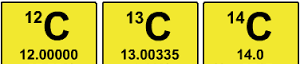
After James Chadwick discovered the neutron, atomic theory expanded to include isotopes. Isotopes have many practical uses. For example, scientists use the relative amount of carbon-12 to carbon-14 in ancient bones to determine how old they are.
How many neutrons are in an atom of Carbon-14?
2
6
8
14
How was Mendeleev's periodic table arranged?
by increasing atomic mass
by decreasing atomic mass
by increasing atomic number
by decreasing atomic number
The order of elements in the periodic table is based on
the number of protons in the nucleus.
the electric charge of the nucleus.
the number of neutrons in the nucleus.
atomic mass.
The order of elements in the modern periodic table is based on an element's
atomic number.
name.
chemical symbol.
atomic mass.

Which element has the LOWEST Atomic Number out of the following?
Bromine (Br)
Chlorine (Cl)
Iodine (I)
Astatine (At)

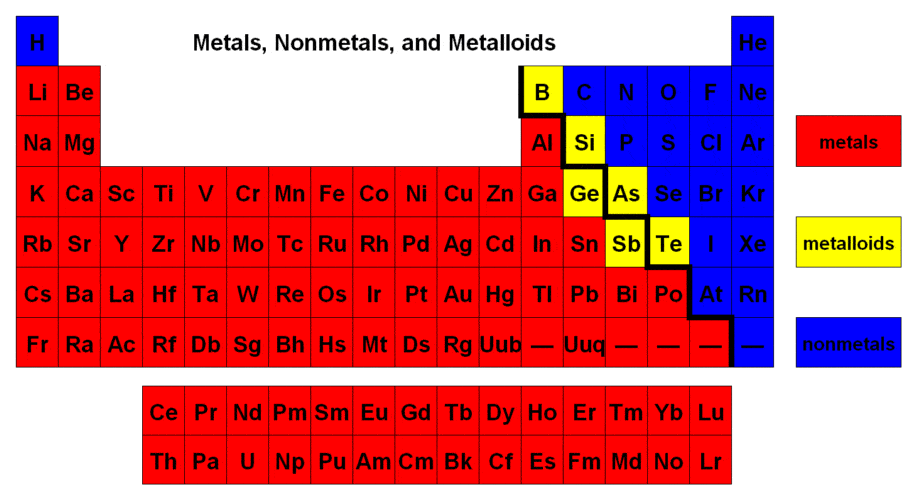
The blue atoms are called _________________.
metals
nonmetals
metalloids
noble gases

Rows in the Periodic Table are called __________________.
periods
groups/families
cousins
metals

How many periods are there in the periodic table?
7
9
10
18
Across a period from left to right, the properties of elements change according to a pattern.
True
False

Which two elements are in the same period?
boron (B) and lithium (Li)
beryllium (Be) and calcium (Ca)
phosphorus (P) and oxygen(O)
boron (B) and phosphorus (P)
Each column of the periodic table is
an element.
a group.
an isotope.
a period.
Elements in an elemental family have similar
atomic symbols.
atomic sizes.
atomic weights.
chemical properties.

Which pair of elements would most likely have similar properties?
calcium (Ca) and cobalt (Co)
sodium (Na) and chlorine (Cl)
boron (B) and phosphorus (P)
oxygen (O) and sulfur (S)
Changing the number of protons in an atom will change the atom's _____
color
atomic weight/mass
net charge
identity (name of element)
The ______________ of an element is the average mass of all the isotopes of that element.
atomic number
atomic mass
mass number
isotope

From this element key of Nitrogen, determine the atomic mass of nitrogen.
7
7.01
14.01
21.01


What is the atomic mass of
iron (Fe)?
26
13
55.845
23.423

The chemical symbol in this element box is ____________.
26
Fe
Iron
55.845

In an element box, the number at top is the ________________.
atomic number
atomic name
atomic mass
atomic symbol


Find the element on Period 3 and Group 17. What is
this element’s chemical symbol?
F
Br
Cl
I

What is the element that has one more proton than tin (Sn)?
antimony
iodine
lead
indium

How many protons are in a nitrogen atom?
5
7
14
28


How many total electrons to xenon atoms have?
8
54
131
132

At the far left of the periodic table, we have the soft, shiny, extremely reactive _______.
alkali metals
alkaline earth metals
transition metals
metalloids

Choose ALL of the alkali metals (group 1) from the list below:
lithium
copper
mercury
potassium
sodium
Which statement about the alkali metals is correct?
They are located in the left-most column of the periodic table.
They are extremely nonreactive.
They are usually gases.
They form negative ions with a 1- charge.

Second from the left on the periodic table, we have the reactive _____.
alkali metals
alkaline earth metals
transition metals
metalloids

The middle area of the table is made up of a nice, solid rectangle of _____.
alkali metals
alkaline earth metals
transition metals
metalloids


Second from the right is a set of extremely reactive gases called _____.
halogens
noble gases
chalcogens
lanthanides


On the far right, undiscovered when Mendeleev built his chart, are the unreactive _____.
kingly gases
noble gases
regal gases
imperial gases
Which of the following is a property of group 18 elements?
malleable
brittleness
high electrical conductivity
unlikely to react with other elements


Down below, in their own little island, are the _____.
lanthanides and ceriumides
ceriumides and thoriumides
lanthanides and actinides
actinides and thoriumides

The lanthanides and actinides should be part of the table, but we separate them out because _____.
they are rarely found in nature
it's hard to fit the result on a piece of paper
they are produced only in a lab
they don't form ions
Compounds are two or more elements chemically bounded together by ________________.
magnetic attractions
chemical bonds
electrical forces
electron clouds
What are valence electrons?
The total number of electrons in an atom
The number of electrons in the outermost shell
The number of electrons closest to the nucleus
The number of protons in the outermost shell
Electrons involved in bonding between atoms are
valence electrons.
inside the nucleus.
closest to the nucleus.
positively
The _____ the element is in determines the number of valence electrons it has.
period/row
group/column
Valence electrons determine an element's _____________.
reactivity
location
identity
color
All atoms are most stable with (or would "prefer") how many electrons in their valence shell?
1
2
8
18
How do electrons of an element determine that element's reactivity?
If the valence shell has missing electrons it is very reactive to attract or lose more electrons.
If the valence shell has a full ring of electrons it is very reactive because it needs more.
If the valence shell has a full shell of electrons it is very reactive because it is already full.
If the valence shell has missing electrons it is not reactive because it is missing electrons.
What is the maximum number of electrons that can fill up the 2nd energy level?
2
4
8
What is the maximum number of electrons that can fill up the 1st energy level?
2
4
8

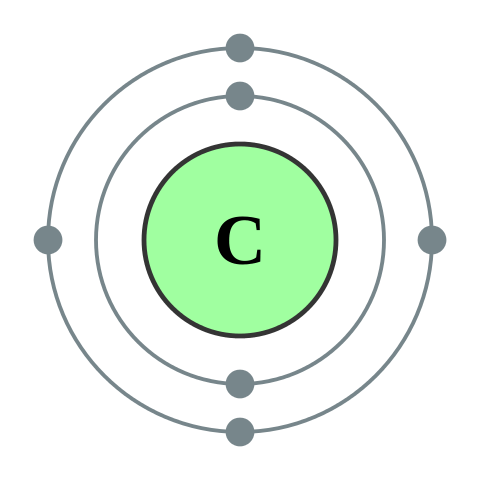
How many valence electrons does carbon have?
4
5
6
7

How many valence electrons does Beryllium (Be) have?
2
4
6
8

How many valence electrons does Sulfur (S) have?
2
4
6
8


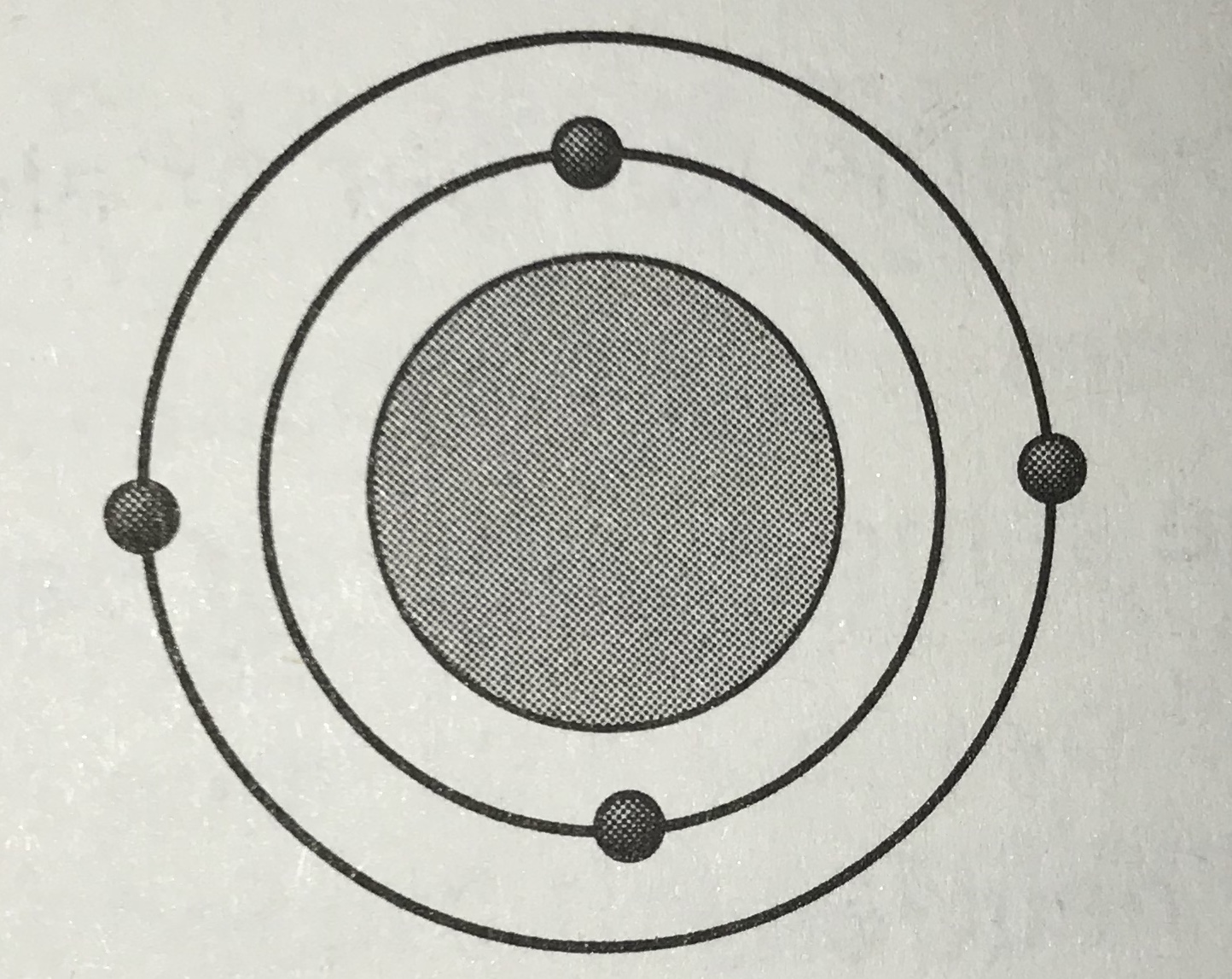
Scientists use models to help them represent things in nature that they cannot observe directly. They can also use models to make predictions. For example, scientists use Bohr models of atoms to predict chemical reactions between atoms. You can use models in the same way, but you must first understand what each model component represents. Which element is represented by this Bohr model?
chlorine (Cl)
oxygen (O)
selenium (Se)
sulfur (S)
Which group has the greatest number of valence electrons in their periods?
1
14
18
16
How many valence electrons do alkali metals have?
1
2
7
8
If atoms of a halogen nonmetal gain one electron, the atoms then have
no valence electrons.
7 valence electrons.
8 valence electrons.
17 valence electrons.
___________________ is the ease with which an element combines with other substances, based on the interactions of valence electrons.
malleability
reactivity
ductility
conductivity
Which model represents the most reactive atom?
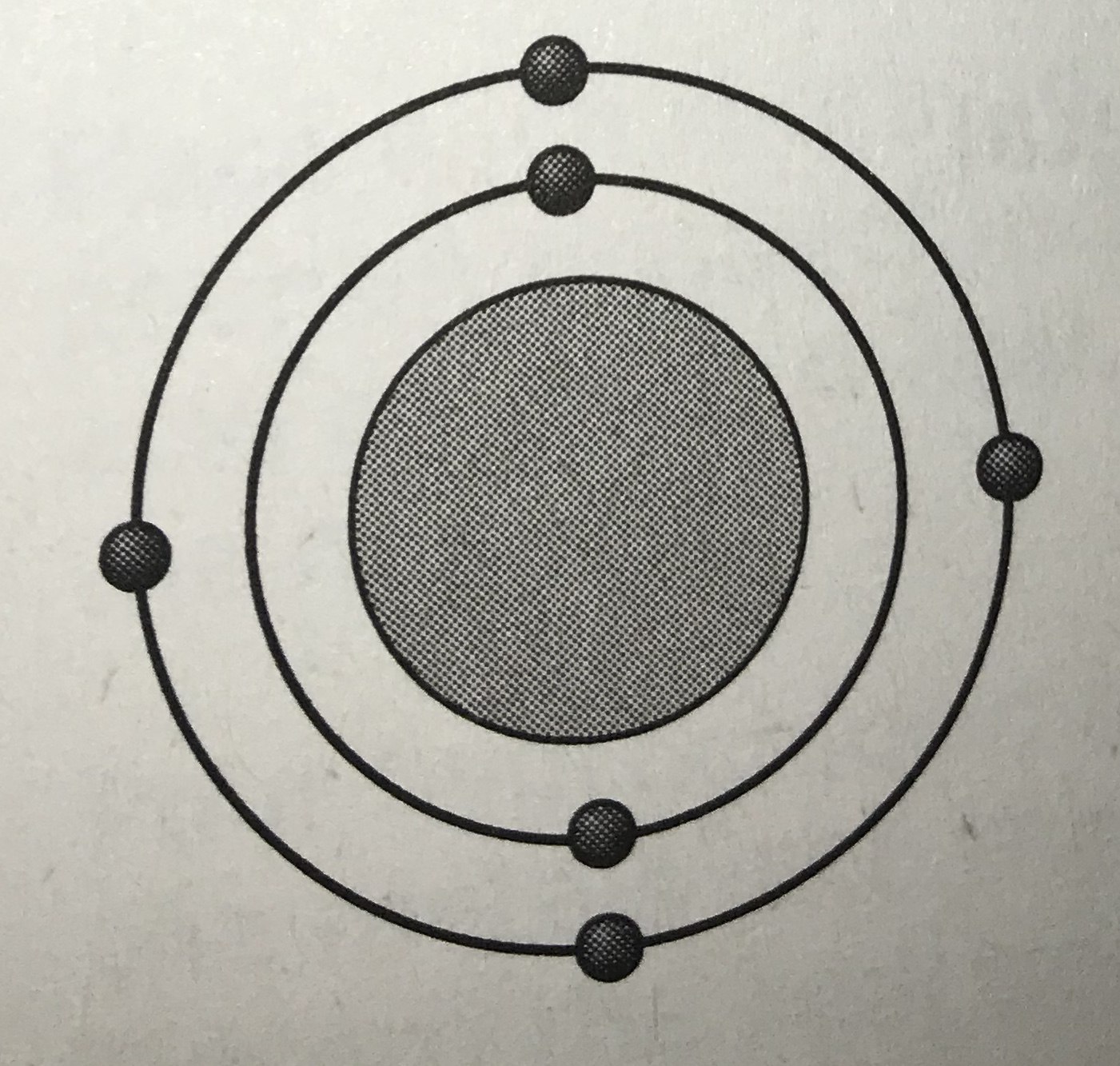
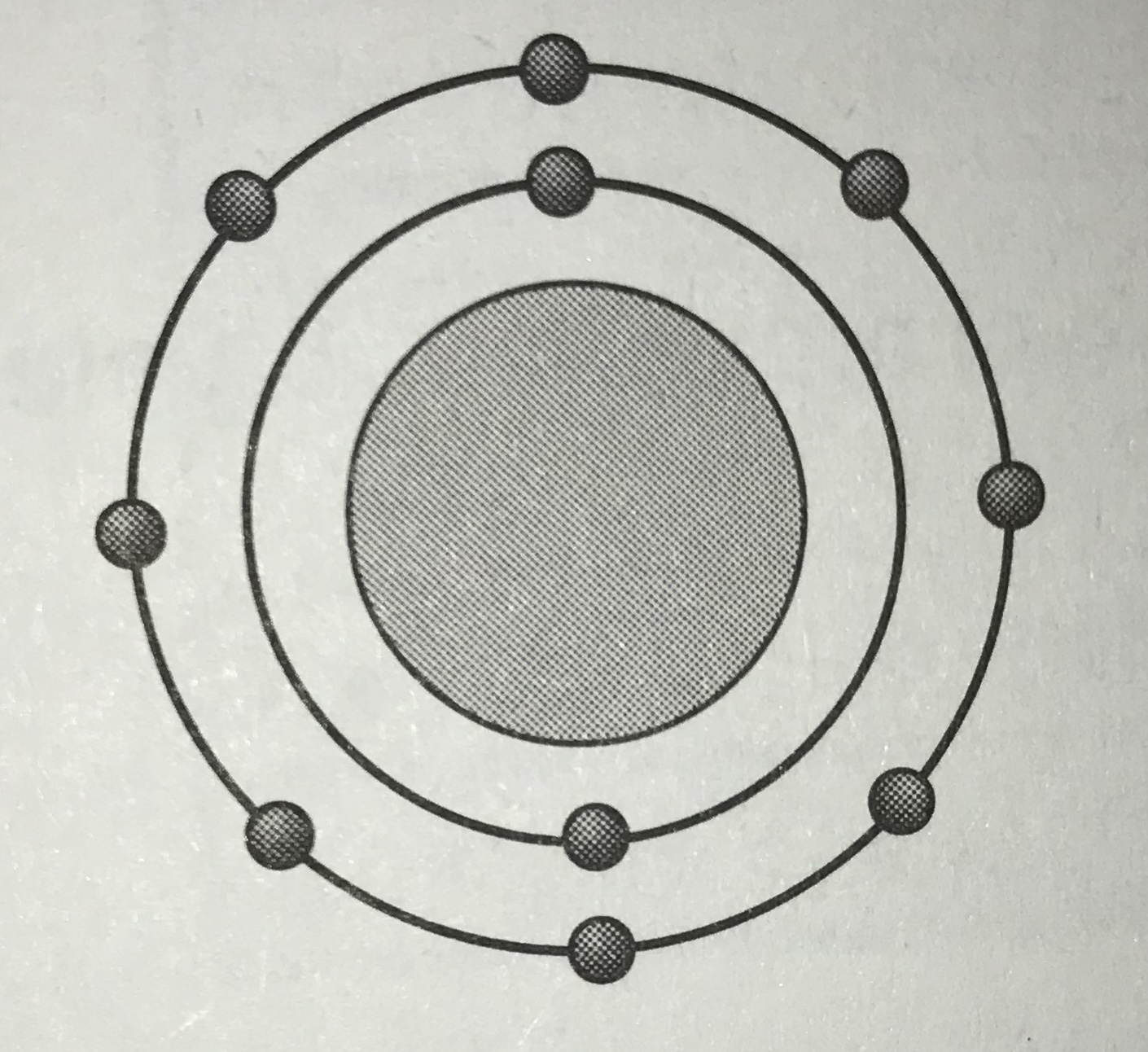
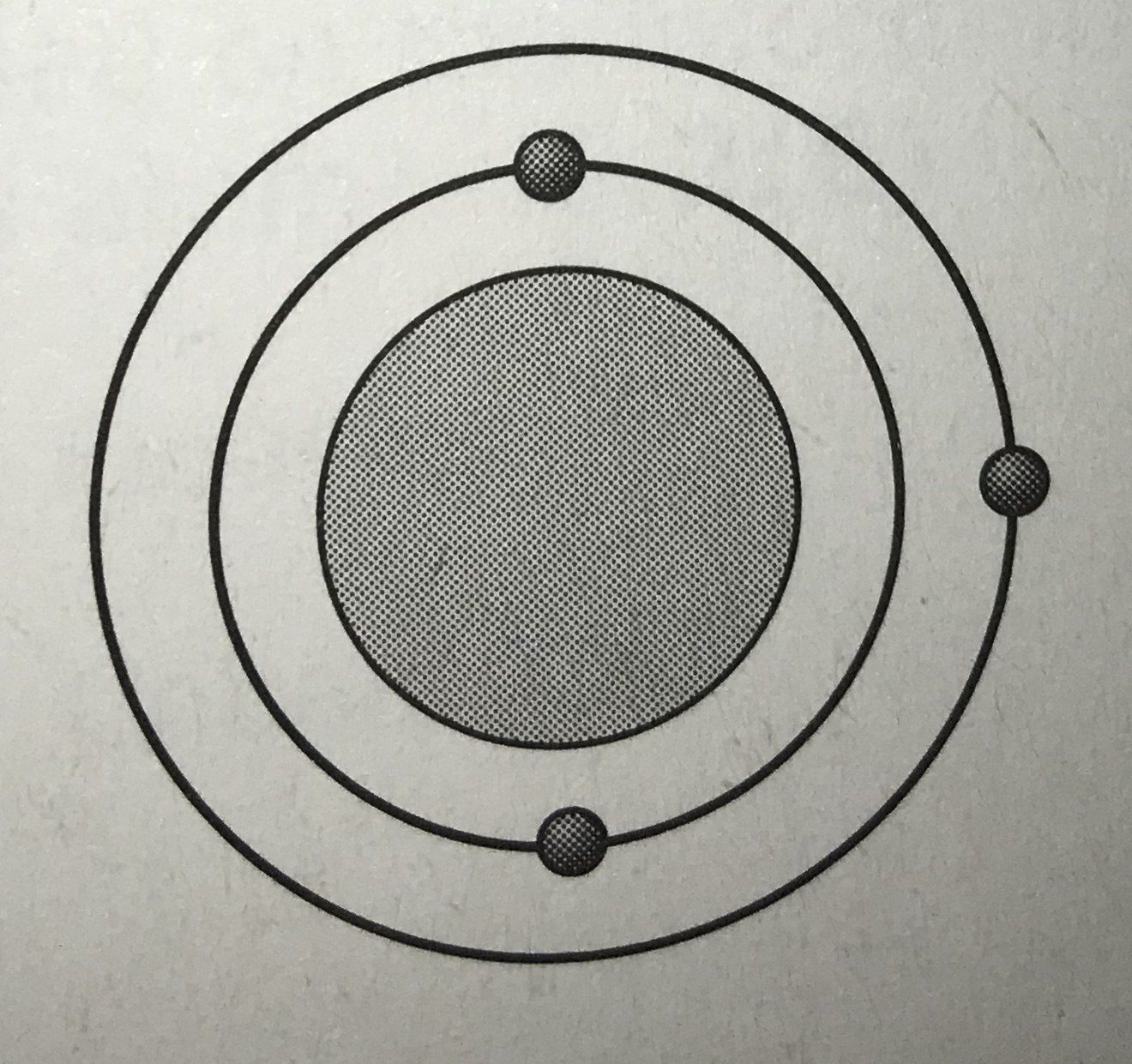

This is a correct dot diagram for nitrogen (N)
true
false
Chemical bonds form when valence electrons are ____________________ between atoms.
shared
lost
given
gained
Metals react by ______________ valence electrons.
losing
gaining
sharing
all of the above
What forms a metallic bond?
the attraction between the positive protons and the neutral neutrons
the attraction between the positive nuclei and the electrons surrounding them
the attraction between a metal and a nonmetal
there is no such a bond
The shininess of metals can be described as _______________.
malleability
conductivity
ductility
luster
Aliyah found a tarnished silver dollar and recalled that tarnish results when metals react with oxygen or sulfur compounds in the air. She polished the silver dollar to remove the tarnish until it was shiny again. She also polished a copper bracelet and a gold ring. What physical property of these metals makes them shiny?
conductivity
ductility
luster
malleability
What does ductile mean?
electricity flows easily
being shiny
can be drawn into a wire
able to bend
Which of the following causes the electrical conductivity of metals?
free movement of valence electrons
light reflection of metal ions
attraction between metal ions and valence electrons
movement of metal atoms
Nonmetals
are shiny.
are ductile.
have lower densities than metals.
are malleable.
Jacinta is learning about the chemicals involved in breathing. Oxygen gas, water vapor, and carbon dioxide are all compounds formed by the chemical reactions between nonmetal elements. Which statement can Jacinta correctly make about the chemical properties of nonmetals?
Many nonmetals react with both metals and nonmetals.
Nonmetals are poor conductors of heat and electricity.
Many nonmetals are gases at room temperature.
Nonmetals react only with other nonmetals.
At room temperature, more than half of the nonmetal elements are
alloys.
gases.
liquids.
solids.
Metalloids are _________________. Choose all that apply.
somewhat reactive
soft, solid, and malleable
can be used as semiconductors
have some properties of metals and nonmetals
The electronics you use every day would not be possible without metalloids. Which statements are true about metalloids? Choose the three statements that apply.
They are somewhat reactive.
They are soft, solid, and malleable.
They can be used to make a semiconductor.
They have some properties of metals and some of nonmetals.

Hydrogen gas caught fire quickly in the Hindenburg accident. In comparison, neon gas and helium gas are nonreactive. This is why helium is safe for aircraft and neon is safe for electrical signs. Which statement best explains why helium and neon have similar chemical properties?
They are both non-metals.
They both have few protons.
They each have only one valence electron.
They have the same number of valence electrons.
Which group contains the most elements?
metalloids
nonmetals
metals
transition elements
Which of the following statement is true about the element sulfur? Use the Periodic Table.
Each of its atoms has 16 electrons.
It has a dull appearance.
It conducts electricity.
Each of its atoms has five valence electrons.
Its electron dot diagram has six dots.
Why do all bonds form?
so the number of protons equals the number of electrons
so an atom can become unstable
to fill the outermost energy level
An atom or group of atoms that has a positive or negative charge is called a(n) ________________________.
covalent bond
ion
metal
ionic bond
In a negative ion, the atom _________________.
gives away a valence electron
gains an electron
keeps its electrons
shares its electrons
In a positive ion, the atom _______________________.
gives away a valence electron
gains an electron
keeps its electrons
shares its valence electrons
Ions that are made of more than one atom are examples of
positive ions.
negative ions.
neutral ions
polyatomic ions.
Nitrate (NO3–), ammonium (NH4+), and carbonate (CO32–) are examples of __________ ions.
negative
polyatomic
positive
neutral
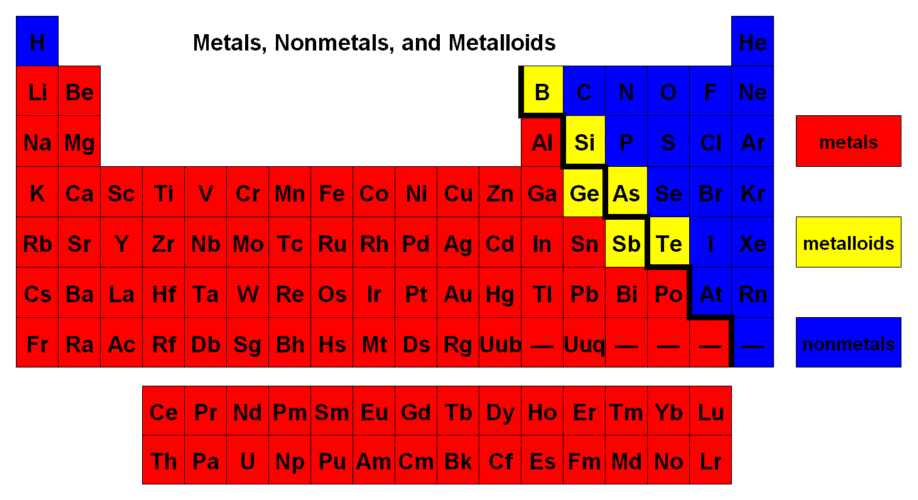
What elements generally make an ionic bond?
metal with a nonmetal
2 or more nonmetals
metal with another metal
none of the above
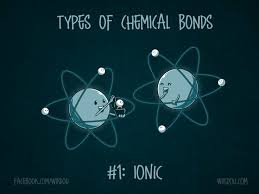
An ionic bond forms when
valence electrons are shared.
a sea of mobile electrons surround the ions.
valence electrons are transferred between atoms.
none of the above.
When forming an ionic bond, a metal atom _______________.
gains electrons
loses electrons
shares electrons
keep its electrons
How do ionic bonds form?
by the attraction between positive and negative ions
by the attraction of each atom’s nucleus to the shared pair of electrons
by the attractions between the positive ions and the free moving electrons
Ionic bonds form between two ions that have _________________.
ionic compounds
negative charges
positive charges
opposite charges
In an ionic compound, the total positive charge of all the positive ions ___________ the total negative charge of all the negative ions.
equals
is more than
more than
__________________ tells what elements a compound contains and the number of those atoms.
compound
ion
chemical formula
ionic bond
Which of the following is the correct name for NaCl2?
Sodium Clorine
Sodium Dicholorine
Sodium Cloride
Sodium Dichloride
How does calcium become an calcium ion?
it loses 2 electrons
it gains 2 electrons
Ionic compounds are electrically
charged.
positive.
negative.
neutral.
When ions having a charge of 2+ form bonds with ions having a charge of 2–, the charge on the resulting compound is ____________________.
charged.
positive.
negative.
neutral.
How many Aluminum atoms are in Al2O3?
3
5
2
1


What is the name of the number next to the symbol of chlorine in the formula of NaCl2?
superscript
subscript

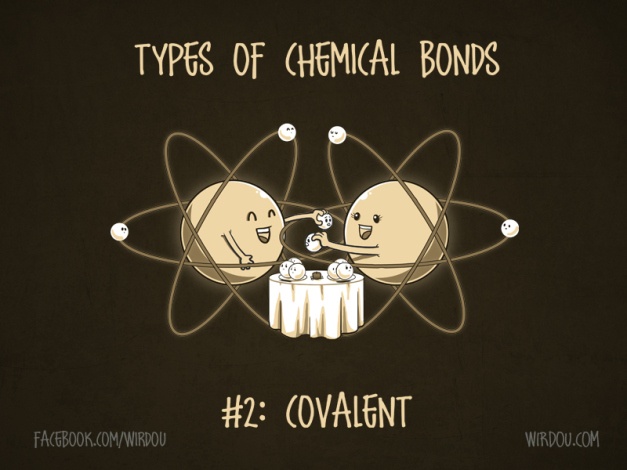
What is the difference between ionic and covalent bonds?
ionic bonds give or take electrons,
covalent bonds share electrons
ionic bonds share electrons,
covalent bonds give electrons
What is a neutral group of atoms joined by covalent bonds called?
ion
molecule
polar
covalent
What is a double bond?
a bond between two atoms
one pair of electrons shared between two atoms
two pairs of electrons shared between two atoms
two pairs of electrons shared between four atoms
Which of the following illustration shows a double bond?


A covalent bond in which electrons are shared EQUALLY is called __________________.
nonpolar bond
polar bond
ionic bond
metallic bond
Polar bonds share electrons
unequally.
equally.
Which of the following illustration shows a polar bond?
In a polar covalent bond the larger atom has a slightly _______________ charge.
positive
negative
What type of molecule is carbon dioxide?
nonpolar with nonpolar bonds
polar with nonpolar bonds
polar with polar bonds
nonpolar with polar bonds
Molecules that contain two polar bonds are
ionic.
always polar.
always nonpolar.
sometimes polar.
Water is polar and oil is nonpolar. What happens when the two liquids are poured into the same container?
Both liquids become nonpolar.
A gas is produced.
The liquids mix well.
The liquids do not mix.

This picture shows a ___________________.
ionic Bond
covalent Bond
both bonds
neither bond
Which of the following is characteristic of an ionic compound?
hard
low melting point
brittle
electrical conductivity when dissolved in water
Choose each sentence that is true about molecular compounds.
More heat is needed to separate their molecules than is needed to separate ions.
They melt at much higher temperatures than do ionic compounds.
They boil at much higher temperatures than do ionic compounds.
Most are poor conductors of electricity when dissolved in water.
Which of the following is a characteristic property of ionic compounds?
They have low melting points.
They have low boiling points.
They form crystals with characteristic shapes.
They contain no charged particles.
In what form can an ionic compound conduct electricity?
as a solid
when dissolved in water
as a crystal
when warmed slightly
Ionic compounds that dissolve in water conduct electricity because they ______________________________.
become highly reactive
boil away easily
form a compound with the water particles.
dissociate to freely moving charged particles
Which of the following are properties of acids?
They react with carbonates.
They taste sour.
They react with metals producing hydrogen gas.
They taste bitter.
When an acid is dissolved in water, it turns the litmus paper ______.
from blue to red
from red to yellow
from yellow to green
from red to blue
Which property is not associated with acids?
corrosive
strong acids can burn you
turns litmus paper blue
reacts with metals
An acid is a solution that contains __________ ions dissolved in water.
positive H
negative H
positive OH
negative OH
Which property of acids would cause acid rain to damage buildings over time?
Acids taste sour.
Acids react with metals.
Acids react with limestone.
Acids react with indicators.
Acids are ____________________, which means that they “eat away” at other materials.
indicators
corrosive
neutral
salty
At the same concentrations, strong acids produce more ____________________ than weak acids.
H+
H-
OH+
OH-
Which gas is produced when acids react with carbonates?
hydrogen
oxygen
nitrogen
carbon dioxide
Which of the following is an acid?
vinegar
lime juice
sugar in water
baking soda
tonic water
A compound that changes color when in contact with an acid or a base is called a(n) __________________.
salt
indicator
carbonate
acid rain
If the substance is neutral, what would the pH be?
3
5
7
9
11
The pH scale measures
the strength of an acid.
the strength of hydrogen ions.
the concentration of hydrogen ions.
the concentration of an acid.
When the pH is high, the concentration of hydrogen ions is ____________________.
low
high
medium
unrelated
Normal rainfall is slightly acidic, which means its pH must be
less than 2.
between 5 and 7.
between 2 and 4.
between 7 and 9.
Which of these pH values represent an acid?
4
8
10
12
Which of the following pH values represents a base?
2.1
4.6
6.8
8.1
The strongest bases have pH values close to _______________.
0
14
7
5
Ocean water is only slightly basic. What might its pH value be?
5
8
12
2
What are characteristics of bases?
Very bitter taste
Reacts with metals
Feels slippery to the touch
Produces OH- ions when dissolved in water
Bases have many uses. They are mainly used to make
cleaning products.
vitamin in your food.
fertilizers.
etchings in metals for printing.
Which of the following is a base?
baking soda in water
orange juice
vinegar
lemonade
The higher the concentration of negative (hydroxide) ions in the solution, the stronger the base is.
True
False
The substance in the beaker
A ________________ is any ionic compound that can be made from the neutralization of an acid with a base. It is is made from the positive ion of a base and the negative ion of an acid.
carbonate
water
enzyme
salt
Neutralization is a reaction between a(n)
acid and a base.
acid and a metal.
base and a salt.
salt and water.
The products of a neutralization reaction are ______ and ______ .
acids
water
bases
salt
In a reaction of an acid with a base, the pH changes to a value that is closer to ____________________.
0
14
10
7

