
 Worksheets
Unit 1 (Integumentary System) Review
Total questions: 82
Worksheet time: 49mins
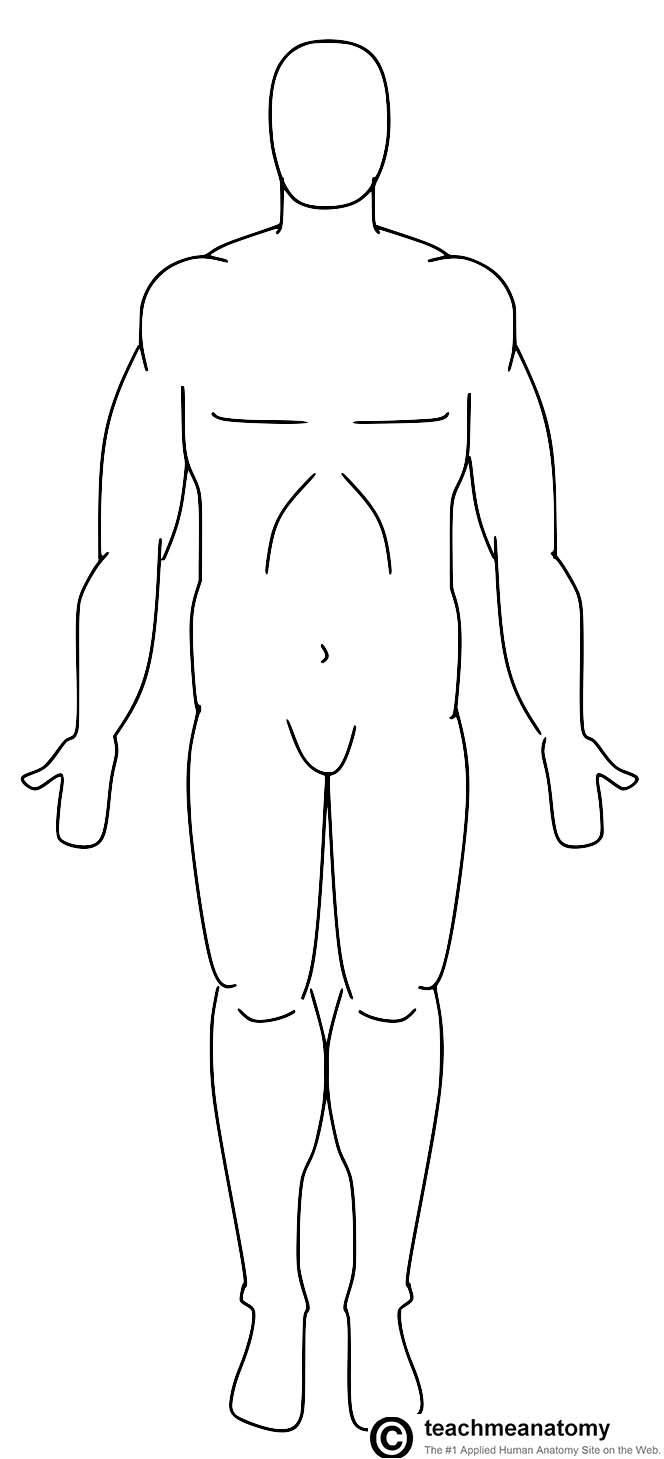
This term is used only/mainly on the limbs (arms and legs)
Proximal
Deep
Anterior
Posterior


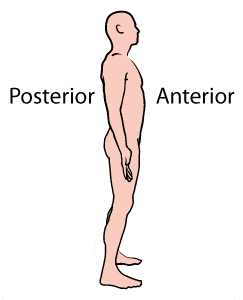
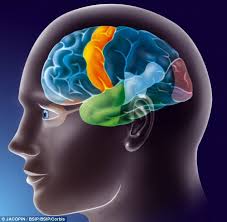
[The eyes are _______ to the brain].
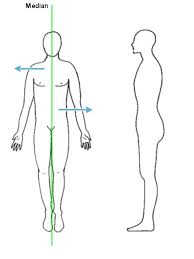
Armpit
axillary
frontal
digitals
cephalic
Fingers
axillary
frontal
digitals
cephalic
Forehead
axillary
frontal
digitals
cephalic
Head
axillary
frontal
digitals
cephalic
Foot
pedal
popliteal
inguinal
brachial
Back of the knee
pedal
popliteal
inguinal
brachial
Groin
pedal
popliteal
inguinal
brachial
Arm
pedal
popliteal
inguinal
brachial
The correct sequence of the levels of organization from smallest to largest is:
organ, organ system, cell, molecule, organism, tissue, organelle
molecule, organelle, cell, tissue, organ, organ system, organism
organism, organelle, organ system, tissue, organ, cell, molecule
molecule, cell, tissue, organelle, organ, organ system, organismThis is a wrong answer

What Tissue Type is show in this image:
Nervous
Muscle
Connective
Epithelial

The tissue shown here has the ability to detect surroundings:
Nervous Tissue
Connective Tissue
Epithelial Tissue
Muscle Tissue

The tissue shown is responsible for secreting substances is _______ tissue.
Epithelial
Muscle
Connective
Nervous

What type of tissue type is show in the image:
Epithelial
Connective
Muscle
Nervous

What type of tissue is shown in the image:
Epithelial
Connective
Muscle
Nervous

Which tissue type is shown in the image:
Epithelial
Connective
Muscle
Nervous

Which tissue type is shown in the image:
Epithelial
Connective
Muscle
Nervous
When tissues form together to create specialized structures, what are those structures called?
Molecules
Organs
Cells
Organelles

Which tissue type is shown in this image:
Epithelial
Connective
Muscle
Nervous

This type of tissue binds, supports, and protects:
Muscle
Epithelial
Connective
Nervous

Which tissue type is shown in this image:
Epithelial
Connective
Muscle
Nervous
Which tissue type will you find connected to bone:
Smooth Muscle
Skeletal Muscle
Cardiac Muscle
None of the above

Which tissue type is shown in the image:
Epithelial
Connective
Muscle
Nervous

What is the function of muscle tissue:
Protection
Movement
Sensing and reacting to stimuli
Absorption
Which type of tissue lines the internal surface of your stomach:
Nervous
Muscle
Connective
Epithelial

What level of organization is represented here:
Cell
Organ
Organ System
Tissue

What level of organization is represented by this diagram:
Cell
Tissue
Organ
Organ System
What level is the simplest level of organization in humans:
Organ System
Cell
Organ
Tissue

What level of organization is represented by the diagram:
Cell
Organ
Tissue
Organ System


Which of the following lists the stratum of the epidermis from deep to superficial?
corneum, lucidum, granulosum, spinosum, basale
basale, spinosum, granulosum,lucidum, corneum
granulosum, lucidum, corneum, basale, spinosum
Which of the following lists the stratum of the epidermis from deep to superficial?
corneum, lucidum, granulosum, spinosum, basale
basale, spinosum, granulosum,lucidum, corneum
granulosum, lucidum, corneum, basale, spinosum
What are the main layers of the skin from superficial to deep?
epidermis, dermis, hypodermis
dermis, hypodermis, epidermis
dermis, epidermis, hypodermis
hypodermis, dermis, epidermis
What are the main layers of the skin from deep to superficial?
epidermis, dermis, hypodermis
dermis, hypodermis, epidermis
dermis, epidermis, hypodermis
hypodermis, dermis, epidermis

What is the function of the epidermis?
Provide a protective layer
Determine skin color
Prevent water loss
All of the above
The receptors in your skin that detect light touch are
Meissner's corpuscles
Pacinian corpuscles
Krause's corpuscles
Pain receptors
The receptors in your skin that detect pressure are
Meissner's corpuscles
Pacinian corpuscles
Krause's corpuscles
Pain receptors
The receptors in your skin that detect cold temperatures are
Meissner's corpuscles
Pacinian corpuscles
Krause's corpuscles
Pain receptors
Non-contagious skin disease caused by your epidermal cells duplicating too quickly, may be hereditary, thick red area covered with white patches
Calluses
Skin cancer
What should you tell the 911 operator when he asks, "How bad are the burns?"
The type of burn caused by wind, brief exposure to steam, and light sunburn is ______________.
First-degree burn
Second-degree burn
Third-degree burn
The most severe burn
Why can you often not feel third-degree burns?
Because they damage the nerve ending in your skin
Because they aren't very damaging
Because they cause scabs to form
Because they only affect the inner part of your skin
Term for: fine, unpigmented hair (peach fuzz) that covers much of the bodies of children and adults - its growth is not affected by hormones.
Lanugo
Terminal Hair
Vellus
The tough clear outside layer is the
cuticle
cortex
medulla
polymer
Name the outer layer of the hair
Cortex
Medulla
Cuticle
Root Sheath
What glands secrete their substance in response to stress?
Merocrine
Apocrine
Eccerine
Ceruminous
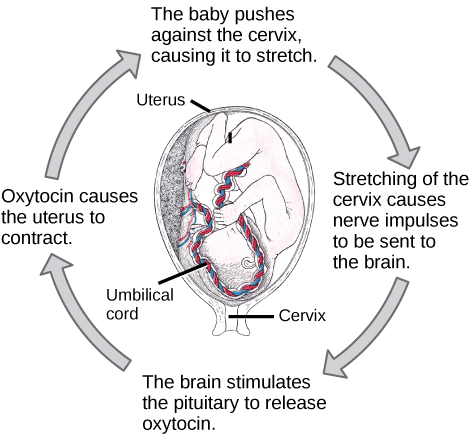
What is the point of a feedback loop?
To provide the body with more energy
To provide the body with more food
To make sure the conditions in the body are always changing
To make sure the conditions in the body remain stable
Which of the following occurs when your body temperature drops below 95 degrees F?
Hypothermia
Hyperthermia
Heat stroke
Fever
Which of the following occurs when your body temperature drops below 95 degrees F?
Hypothermia
Hyperthermia
Heat stroke
Fever

