
 Worksheets
Science MCAS Review
Total questions: 55
Worksheet time: 54mins

What does this model represent?
A single atom.
A cell.
A mixture
A compound
Hydrogen and oxygen are classified as
minerals
elements
organisms
energy
The equation below shows the products formed when a solution of silver nitrate (AgNO3) reacts with a solution of sodium chloride (NaCl).
AgNO3 + NaCl -> NaNO3 + AgCl
In this equation, the total mass of the reactants is
greater than the total mass of the products
equal to the total mass of the products
equal to the mass of AgCl
less than the mass of AgCl
A student added some sugar to a glass of water, but it did not dissolve quickly. What could she do to increase the rate at which the sugar dissolves in the water?
Freeze the water
Heat the water
Add salt to the water
Filter the water
One example of matter is
magnetism
heat
water
radiation

Carbon dioxide is an example of
a mixture
an element
a solution
a compound
Because copper is a metal, it is
liquid at room temperature
nonreactive with other substance
a poor conductor of electricity
a good conductor of heat

The diagrams represent three phases of matter. What are those three in order (A,B,C)?
Liquid, Gas, Solid
Solid, Liquid, Gas
Solid, Gas, Liquid
Liquid, Solid, Gas

The diagram represents a sodium atom bonding to a chlorine atom to form sodium chloride. Which statement is supported by this diagram?
Sodium chloride is an element
Sodium chloride is a mixture
Sodium chloride is a compound
Sodium chloride is composed of only one atom.
Sucrose (C12H22O11) is also known as table sugar. What is the smallest unit of sugar that maintains the chemical characteristics of sugar?
an atom
an element
a grain
a molecule

The density of sulfur is 2.0 g/cm3. The volume of a sample of sulfur was calculated to be 5.0cm3. What is the mass of that sample?
2.5 g
2.0 g
5.0 g
10.0 g
Which model best represents the arrangement of gas molecules inside a sealed container as viewed from the side?


Which of the following best describes a mixture?
A material that is made up of many molecules
A substance that can be changed into another substance
A material that contains two or more different substances
A substance that has been broken down into its smallest parts.
CaCO3 -> CaO + CO2
In this reaction, the mass of CaCO3
is less than the mass of CaO plus the mass of CO2
is greater than the mass of CaO plus the mass of CO2
equals the mass of CaO plus the mass of CO2
equals the mass of CaO minus the mass of CO2

Ammonia gas would be classified as
a compound
a mixture
an element
an atom

Which model best represents the arrangement of atoms in a solid?
A
B
C
D
Which example is a form of precipitation?
Dew
Fog
Frost
Hail
Which model best represents the arrangement of atoms in a compound?
A
B
C
D

The image shows various stages in the water cycle. During which stage does water flow back towards the sea as runoff?
W
X
Y
Z

A student draws a model to represent the precesses involved in the water cycle, as shown. To which process is the formation of clouds related?
Condensation
Evaporation
Freezing
Melting
Which of the following is not a type of fossil fuel?
Coal
Nuclear Power
Petroleum
Natural Gas

Pressure builds in oceans
Pressure builds in trees
Pressure builds in peat bogs/swamps
Forms at the North Pole
Burning a piece of paper is an example of a
Physical Change
Chemical change
Tearing paper into small pieces is an example of a
Mixture
Physical change
Chemical change
Which of the following is a physical change?
Ice melting
Baking potatoes
Rusty nail
Rotting wood
Which change creates a NEW substance?
Physical change
Chemical Change
What is an electric current?
a build up of electrons
the difference in charge between 2 points
the flow of electrons over a circuit
the opposition to flow of electrons


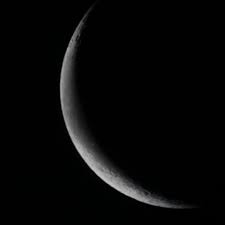
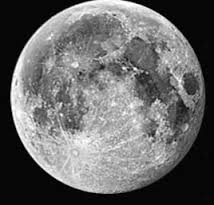
Name the moon phase
First Quarter
Third Quarter
New Moon
Full Moon
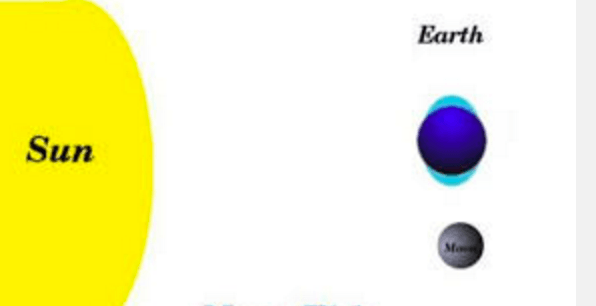
Which moon phase is shown in this diagram?
new moon
1st quarter
full moon
3rd quarter


When the Northern Hemisphere is pointing towards the Sun, what season is the Southern Hemisphere experiencing?
Summer
Spring
Winter
Fall
The breaking down of rocks and other materials on the Earth's surface.
Weathering
Erosion
Deposition
Exfoliation
This type of weathering in which rock is physically broken into smaller pieces.
Chemical weathering
Erosion
Mechanical weathering
Deposition

The image above depicts the effects of chemical weathering breaking down limestone. Which type of chemical weathering causes this reaction?
Acid rain
Oxidation
Exfoliation
Abrasion

The tallest sand dunes in North America are found in Great Sand Dunes National Park and Preserve in Colorado. These dunes were formed from the sand at the bottom of a dry lake bed. Which of the following agents is most likely responsible for the formation of the sand dunes?
Wind
Water
Ice
Gravity
What is an insulator?
A material that allows charges to flow easily.
A material that does not allow charges to flow easily.
A material that creates electricity.
What is an conductor?
A material that allows charges to flow easily.
A material that does not allow charges to flow easily.
A material that creates electricity.

What kind of circuit is this?
Parallel Circuit
Series Circuit
Open Circuit
Reverse Circuit

What kind of circuit is this?
Parallel Circuit
Series Circuit
Open Circuit
Reverse Circuit

This is a picture of a simple electromagnet. How can the electromagnet be made stronger? (7.MS-PS2-3)
Add more coils of wire to the nail.
Use a smaller battery.
Reverse the poles of the magnet.
Remove all the coils and the nail.
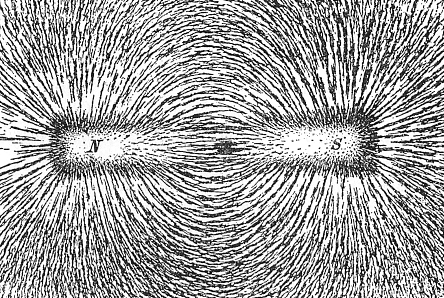
Surrounding every magnet is a __________ __________. (7.MS-PS2-5.)
magnetic field
electrical current
another magnet
an enemy
Every living organism is made up of one or more cells
True
False

All plant and animal cells contain chromosomes with DNA.
True
False

