wayground logo

Free Printable Worksheets

Font size

S
M
L
XL
Worksheets

Environmental Science Final Exam Review

Total questions: 58

Worksheet time: 1hrs 3mins

Name
Class
Date
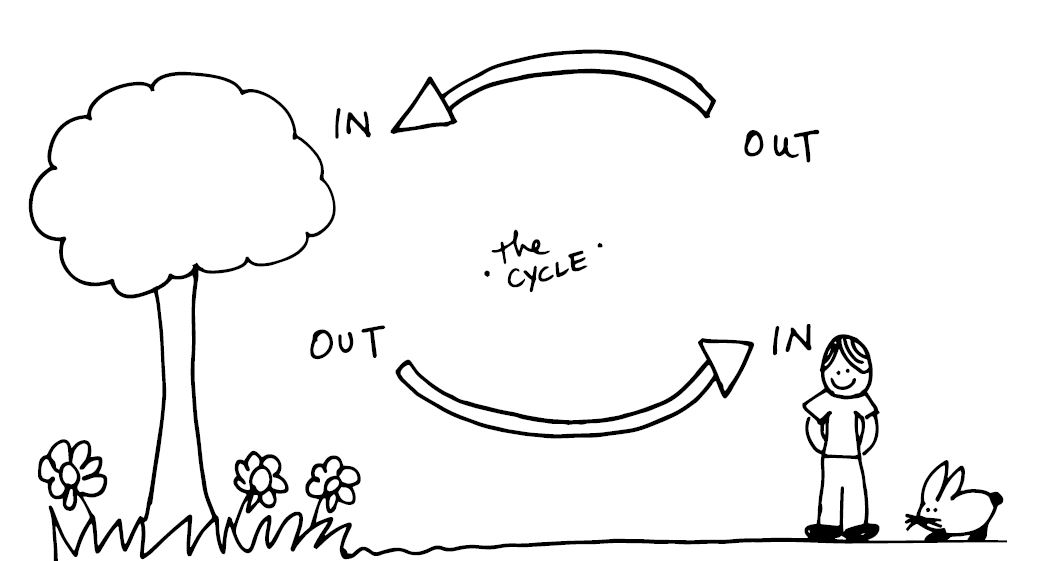
1.

Select the best answer based on the image.

a)

Gene Flow

b)

Genetic Drift

2.

Formula to determine an Ecological Deficit or Reserve

a)

Biocapacity - Ecological Footprint

b)

Ecological Footprint - Biocapacity

c)

Biocapacity + Ecological Footprint

d)

Ecological Footprint x Biocapacity

3.

The capacity of ecosystems to regenerate what people demand from those surfaces.

a)

Sustainability

b)

Ecological Footprint

c)

Global Hectares

d)

Biocapacity

4.

If a country has a Ecological Reserve, that means it

a)

has a Higher Ecological Footprint than Biocapacity

b)

is not living sustainably within its country's limits

c)

Has a higher Biocapacity than Ecological Footprint

d)

Also has an Ecological Deficit

5.

If a country has an Ecological Deficit that mean it

a)

is living sustainably

b)

Has lots of forests

c)

has a higher Biocapacity than Ecological Footprint

d)

has a higher Ecological Footprint than Biodiversity

6.

The largest number of individuals that an environment can support long term is...

a)

carrying capacity

b)

emigration

c)

immigration

d)

population density

7.

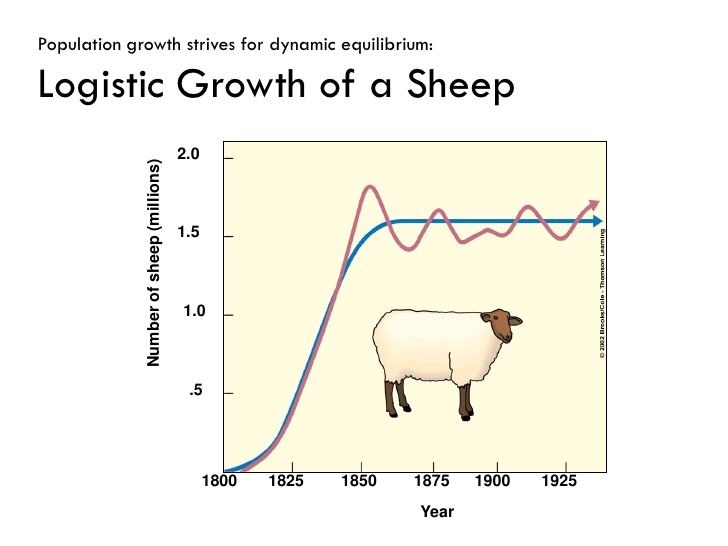
What is the carrying capacity of the graph?

a)

1000

b)

8000

c)

800

d)

600

8.

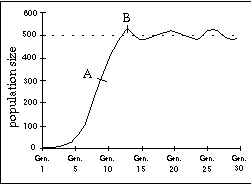
What is the carrying capacity of the graph?

a)

around 500

b)

more than 800

c)

less than 300

d)

around 700

9.
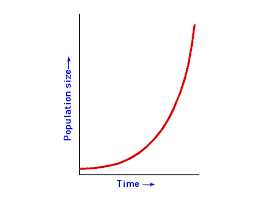
What type of growth is shown in the diagram?
a)
exponential growth
b)
logistic growth 
c)
predator-prey cycle
d)
boom-bust curve
10.

What type of population growth is depicted in this graph?

a)

exponential growth model

b)

logistic growth model

c)

performance curve

11.

Which is the correct order of changes that occur during eutrophication?

a)

Aquatic plants cannot photosynthesize and die. Algal blooms blocks light from entering lower levels of a pond or lake. The fish and other aquatic organisms die. The bacteria decompose the algae, and they use up a lot of oxygen during this process. The algae die.

b)

Algal blooms blocks light from entering lower levels of a pond or lake. Aquatic plants cannot photosynthesize and die. The algae die. The fish and other aquatic organisms die. The bacteria decompose the algae, and they use up a lot of oxygen during this process.

c)

Algal blooms blocks light from entering lower levels of a pond or lake. Aquatic plants cannot photosynthesize and die. The algae die. The bacteria decompose the algae, and they use up a lot of oxygen during this process. The fish and other aquatic organisms die.

d)

Aquatic plants cannot photosynthesize and die. Algal blooms blocks light from entering lower levels of a pond or lake. The bacteria decompose the algae, and they use up a lot of oxygen during this process. The algae die. The fish and other aquatic organisms die.

12.
What is the process that picks up and moves weathered rocks?
a)
deposition
b)
landslide
c)
weathering
d)
erosion
13.

The definition of weathering is...

a)

the breakdown of rock over time into smaller pieces

b)

the breakdown of rocks over an emotional breakup

c)

the breakdown of a car on the side of the road

d)

the breakdown of rock over the breakup of a favorite rock group

14.

The processes that return carbon dioxide into the atmosphere are:

a)

combustion

b)

decomposition

c)

photosynthesis

d)

respiration

15.
Which type of organism gets its energy directly from the Sun?
a)
producer
b)
consumer
c)
composer
d)
decomposer
16.
Animals and plants use substances that cycle through the environment.  Which substance is needed by plants to survive and is released into the environment by animals?
a)
oxygen
b)
sugar
c)
salt
d)
carbon dioxide
17.
If the removal of many plants and trees increase in a forest, what effect could this have on the carbon dioxide and oxygen cycle?
a)
CO2 levels decrease
b)
CO2 levels increase
c)
Nitrogen levels decrease
d)
Oxygen levels increase
18.
The main human activity that releases greenhouse gases is...
a)
using bottled water
b)
burning fossil fuels
c)
texting on cellphones
d)
eating meat
19.
The warming of the atmosphere by the trapping of heat being radiated to space is called
a)
evaporation
b)
condensation
c)
the greenhouse effect
d)
radiation
20.

Cutting down large forests (deforestation) can result in:

a)

little to no changes

b)

more homes for animals

c)

less plants to absorb carbon dioxide, a greenhouse gas

21.
1.  Certain gases in the atmosphere – water vapor, carbon dioxide, methane and nitrous oxide – help maintain the Earth’s temperatures and climate. These are called: __________ . 
a)
A.  ozone gases
b)
A.  solar gases
c)
A.  greenhouse gases 
d)
A.  stomach gases
22.
Which layer in the atmosphere protects us form harmful UV radiation?
a)
Ozone
b)
Troposphere
c)
Ionosphere
d)
Exosphere
23.
Ocean acidification begins with 
a)
pollution from ships
b)
carbon dioxide released from combustion
c)
dumping of waste from cities into the ocean
24.
In which layer of the atmosphere do we live and weather occurs?
a)
stratosphere
b)
thermosphere
c)
mesosphere
d)
troposphere
25.
Where is the ozone layer, which absorbs UV radiation, located in our atmosphere?
a)
stratosphere
b)
thermosphere
c)
mesosphere
d)
troposphere
26.

In which layer of the atmosphere do meteors burn up?

a)

Troposphere

b)

Mesosphere

c)

Thermosphere

d)

Exosphere

27.

This layer is the hottest layer of the atmosphere?

a)

Troposphere

b)

Stratosphere

c)

Mesosphere

d)

Thermosphere

28.

What is the order of the layers of the atmosphere, starting with the layer closest to Earth's surface?

a)

Stratosphere, Troposphere, Exosphere, Mesosphere, Thermosphere

b)

Troposphere, Stratosphere, Mesosphere, Thermosphere, Exosphere

c)

Troposphere, Stratosphere, Mesosphere, Exosphere, Thermosphere

d)

Troposphere, Stratosphere, Thermosphere, Exosphere, Mesosphere

29.

What is the process in which populations CHANGE gradually over time?

a)

evolution

b)

species

c)

variation

d)

competition

30.

Which of these nitrogen cycle processes converts atmospheric nitrogen to a soil form of nitrogen that is usable by plants?

a)

nitrogen fixation

b)

nitrification

c)

denitrification

d)

ammonification

e)

assimilation

31.

Gas that makes up 78% of our atmosphere.

a)

Oxygen

b)

Nitrogen

c)

Hydrogen

d)

Carbon Dioxide

32.
Which of the following removes carbon from the atmosphere?
a)
Combustion
b)
Respiration
c)
Photosynthesis
d)
Death
33.

What is climate?

a)

the condition of the atmosphere at any given time and place

b)

cloud cover and temperature

c)

precipitation and humidity at a given time and place

d)

weather conditions in an area over a long period of time

34.
What are organisms that use other organisms for food in order to gain energy?
a)
decomposers
b)
producers
c)
herbivores
d)
consumers
35.
What type of organism makes its own food?
a)
consumer
b)
carnivore
c)
producer
d)
animal
36.
From where do producers get their energy?
a)
the ground
b)
other animals
c)
decomposers
d)
the sun
37.
What do the arrows represent in this diagram?
a)
who is being eaten
b)
the flow of energy
c)
the decomposition of organisms
d)
what things can change into
38.
The snake is a predator to what prey in this food chain?
a)
frog
b)
grass
c)
grasshopper
d)
hawk
39.
A collection of organisms that belong to different populations but all live in the same area and interact with one another.
a)
Population
b)
Ecosystem
c)
Community
d)
Ecosphere
40.
A collection of organisms that make up a community as well as all of the nonliving aspects of the environment.
a)
Population
b)
Community
c)
Habitat
d)
Ecosystem
41.
Nonliving factor that affects an ecosystem...
a)
biotic factor
b)
abiotic factor
c)
food chain 
d)
biome
42.
Identify the examples as: a organism, population, community, or ecosystem.
All speckled sting-ray that live in the Pacific Ocean
a)
Organism
b)
Population
c)
Community
d)
Ecosystem
43.
What is formed during primary succession that doesn't need to be formed during secondary succession?
a)
pioneer species
b)
soil
c)
climax community
d)
lichens
44.
After a forest fire, an ecosystem would start regrowth through -
a)
primary succession
b)
secondary succession
c)
climax community
d)
limiting factors
45.
succession that occurs in an area with no soil
a)
ecological succession 
b)
primary succession 
c)
secondary succession
d)
pioneer speciles
46.
succession that occurs in an area where soil is already present
a)
ecological succession 
b)
primary succession 
c)
secondary succession
d)
pioneer speciles
47.
Biodiversity refers to
a)
extinct species
b)
the variety of species on Earth
c)
nonrenewable resources
d)
the rate of species decline
48.

What is an invasive species?

a)

An organism that is new to an environment that has positive effects on the environment.

b)

An organism that is native to an environment that has negative effects on the environment.

c)

An organism that is new to an environment that has negative effects on the environment.

d)

An organism that is native to an environment that has positive effects on the environment.

49.
The type of genetic drift that follows the colonization of a new habitat by a small group of individuals is called
a)
the Hardy-Weinberg principle
b)
the founder effect
c)
directional selection
d)
the bottleneck effect
50.
This mechanism of evolution occurs when populations migrate.
a)
Extinction
b)
Gene flow
c)
Genetic drift
d)
Natural Selection
51.

Fossil Fuels are

a)

pieces of rock that have been compacted many times

b)

rock that contains 50% plant and animal remains

c)

metamorphic rock

d)

fuels that form from the remains of plant and other organisms that were buried and altered over million of years

52.

Fossil Fuels (choose ALL that apply)

a)

considered nonrenewable resources

b)

cause pollution in the atmosphere

c)

are renewable resources

d)

oil, coal and natural gas

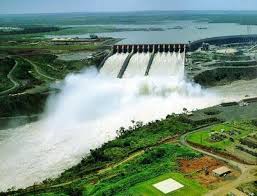
53.
Hyrdo Power is a __________ energy resource.
a)
Renewable
b)
Nonrenewable
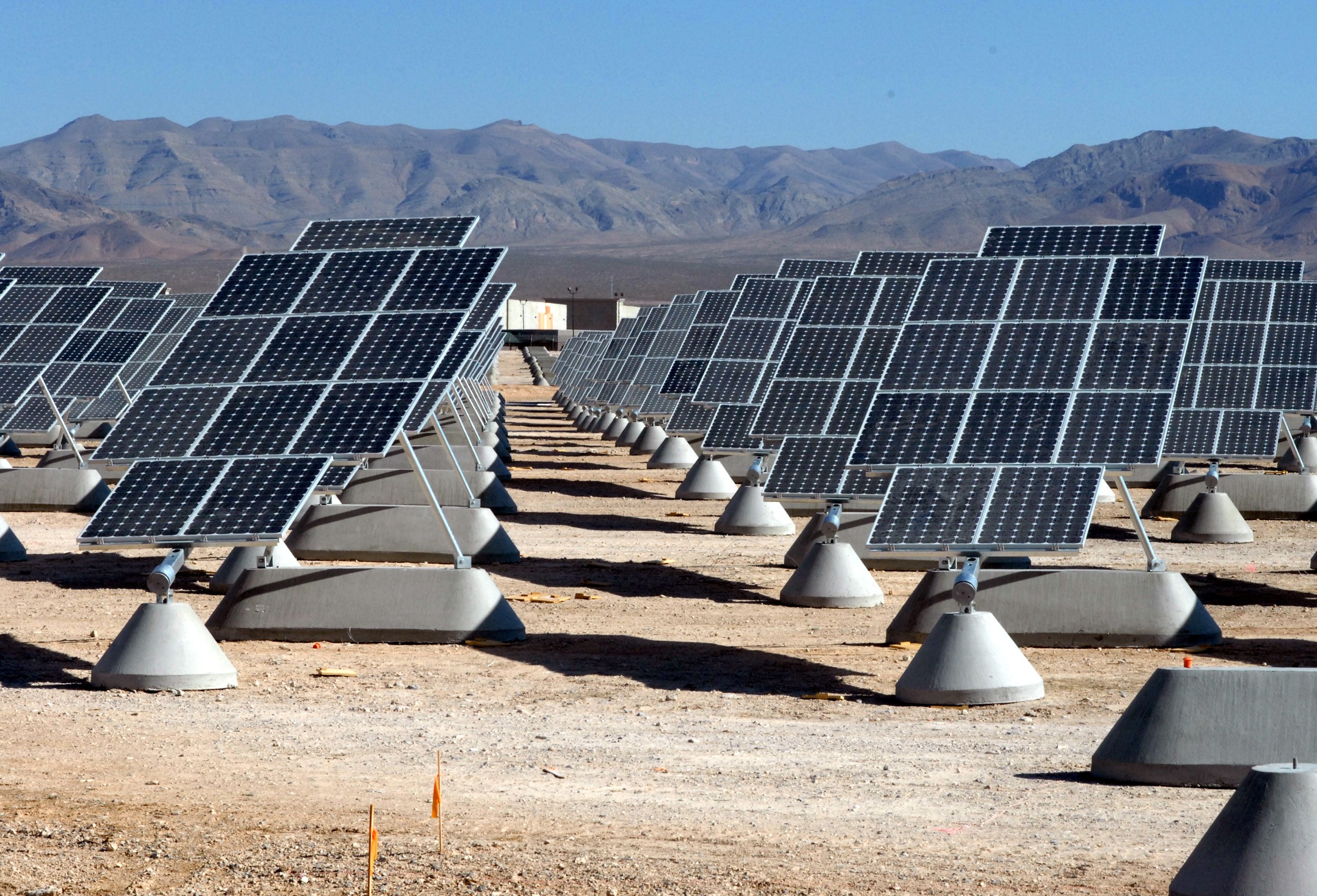
54.
Solar Power is a __________ energy resource.
a)
Renewable
b)
Nonrenewable
55.

____________________ is energy that can be replaced as quickly as it is used.

a)

nonrenewable

b)

renewable

c)

nuclear

d)

kinetic

56.
A ___________________ is the area of land that collects runoff and channels it into a main river.
a)
rill
b)
gully
c)
stream channel
d)
watershed
57.

What is a riparian buffer?

a)

A zone of vegetation around a waterway.

b)

A zone of concrete that channels a waterway to prevent flooding.

c)

A zone of pasture land where animals can contribute manure and other nutrients to the water.

d)

A zone of water inside a forest or grassland.

58.
How do benthic macroinvertebrates indicate water quality?
a)
If pollution-intolerant organisms are found, quality is good.
b)
If pollution-intolerant organisms not found, water is poor.
c)
If pollution-tolerant organisms are found, quality is good.
d)
If any of these are found, water is of poor quality.