wayground logo

Free Printable Worksheets

NEW

Font size

S
M
L
XL
Worksheets

Evolution Review

Total questions: 64

Worksheet time: 40mins

Name
Class
Date
1.
Which of the following is a term for a group of similar organisms that can reproduce fertile offspring?
a)
individual
b)
population
c)
species
d)
fossil
2.
Mutations are important because they bring about
a)
death of the organism in which they develop
b)
genetic variation needed for a population to evolve
c)
benefits for the individual, not for the population
d)
Hardey-Weinberg equilibrium within a population
3.
Finches on the Galapagos Islands had different beaks in order to help them do what?
a)
Build nests
b)
Fight off predators
c)
Collect food sources
d)
Compete with rivals
4.
This scientist came up with the idea of natural selection.
a)
Jean Baptiste Lamarck
b)
Gregor Mendel
c)
Charles Darwin
d)
Thomas Malthus
5.
A remnant or trace of an organism from the past is called a _______.
a)
Ancestor
b)
Skeleton
c)
Fossil
d)
Imprints
6.
Inherited trait that helps an organism survive is a(n) __________.
a)
Fossil
b)
Adaptation
c)
Ancestor
d)
Natural selection
7.
Survival of the fittest or when favorable adaptations reproduce faster is called what?
a)
Evolution
b)
Adaptation
c)
Natural selection
d)
Fossilization
8.
This occurs when no more of a species is living.
a)
Fossilization
b)
Adaptation
c)
Extinction
d)
Natural selection
9.
According to the diagram, which organism is older?
a)
ammonite
b)
coral
c)
gastropod
d)
trilobite
10.
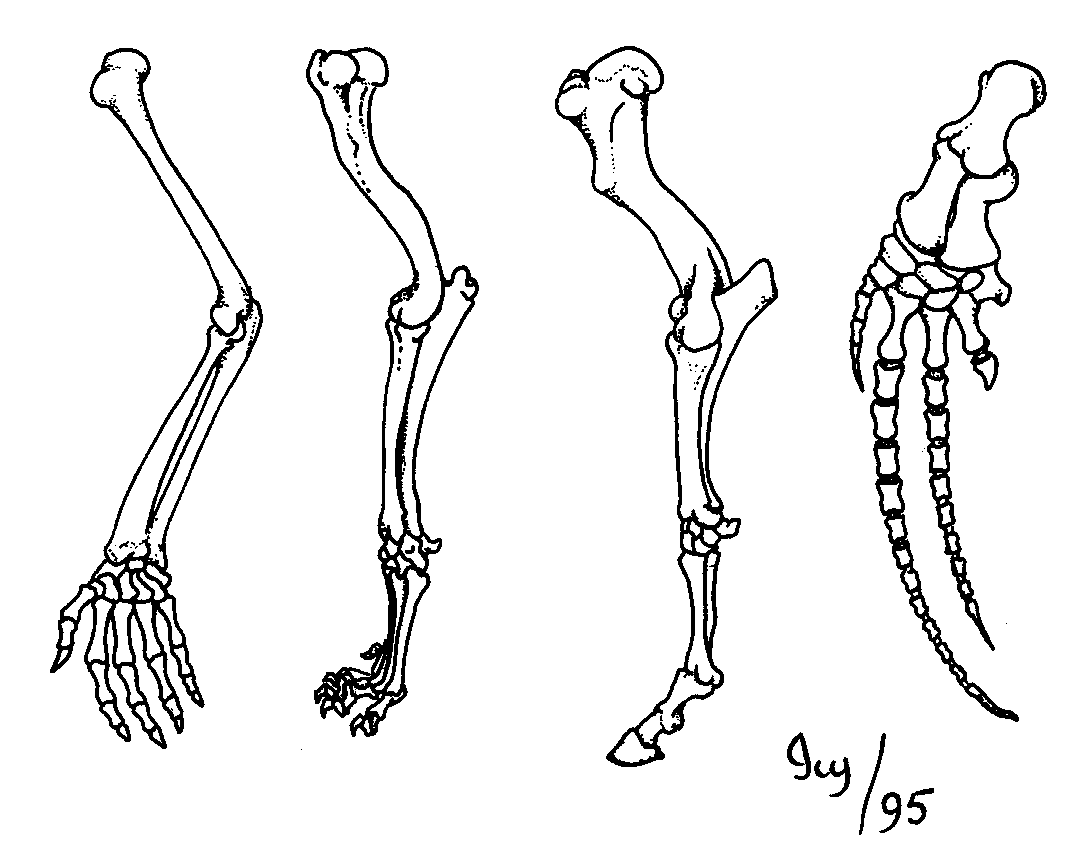
Structures with the same parts have different functions; suggests that organisms share a common ancestry
a)
vestigial structures
b)
homologous structures
c)
adaptive radiation
d)
fossil
11.
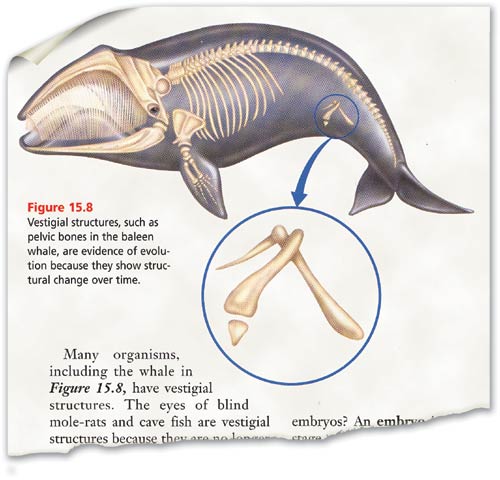
Which of the following is an example of a vestigial structure?
a)
the wings of a red-tailed hawk
b)
the hind limbs of a house cat
c)
the fins of sharks
d)
the tailbone of a human
12.
The diagram shows fossils in different rock layers. Which of these statements about the age of these fossils is most likely correct?
a)
Fossil A and C are the same age
b)
Fossil B is older than fossil C
c)
Fossils A is older than fossil B
d)
Fossil D is older than fossil C
13.
If species A and B have very similar genes and proteins, what is probably TRUE?
a)
species A and B share a relatively recent common ancestor
b)
species A evolved independently of species B for a long period
c)
species A is younger than species B
d)
species A is older than species B
14.
The ability of an organism to survive and reproduce in its specific environment 
a)
diversity.
b)
evolution
c)
adaptation
d)
 fitness
15.
Why are advantageous traits more likely to be passed onto offspring?
a)
Because they are more likely to survive and reproduce.
b)
Because they come from dominant alleles.
c)
Because they come from recessive alleles.
d)
Because the trait is an acquired phenotype.
16.
Farmers breed cows to produce high amounts of milk. This is an example of...
a)
Natural Selection 
b)
Variations in a species 
c)
Selective Breeding 
d)
inbreeding
17.
What is the process of which humans breed organisms for certain traits?
a)
artificial selection
b)
descent without modification
c)
inheritance of acquired characteristics
d)
natural selection
18.
Vertebrate embryos pass through similar stages of development is evidence for
a)
use and disuse
b)
homologous structures
c)
common ancestry
d)
acquired characteristics
19.
Individuals that are well adapted to their environment will survive and produce
a)
better traits
b)
stronger genes
c)
more offspring
d)
fewer mutations
20.
The remnant of an organ that had a function in an early ancestor is known as a(n)
a)
vestigial structure
b)
analogous structure
c)
homologous structure
d)
fossil structure
21.
What is the study of the distribution of organisms around the world?
a)
geology
b)
biogeography
c)
paleontology
d)
geography
22.
Structures are similar in appearance but not in structure
a)
Vestigial 
b)
Homologous 
c)
Analogous Structures 
d)
Embryonic 
23.

Similar structures with different purposes found in different species are known as _____

a)

vestigial structures

b)

DNA

c)

homologous structures

d)

the fossil record

24.
The changes of species over time
a)
Embryonic 
b)
Natural selection 
c)
Mimicry 
d)
Evolution 
25.
The opossum and kangaroo both incubate their young in a pouch. This provides evidence that they---
a)
are descended from a common ancestor
b)
Have very similar skeletal structures
c)
belong to the same species
d)
must range great distances to eat
26.
If two organisms have similar traits of DNA they are probably
a)
share a common ancestor
b)
share a common environment
c)
share a common population
d)
speciation
27.

The appendix, which is not needed to survive, is conisdered to be a

a)

Homologous Structure

b)

Analagous Structure

c)

Vestigial Structure

d)

Homology

28.

What is an adaptation?

a)

A trait that increases the fitness of an organism.

b)

A trait that an organism acquires without genetic influence.

c)

A choice made by humans about what organisms breed for advantageous traits.

29.

What type of adaptation affects how an organism acts?

a)

Behavioral

b)

Physiological

c)

Structural

30.

What type of adaptation affects a physical aspect of organism?

a)

Behavioral

b)

Physiological

c)

Structural

31.

What type of adaptation affects body chemistry and metabolism?

a)

Behavioral

b)

Physiological

c)

Structural

32.

A lion has pointed teeth to help it tear the meat off of the bone.

a)

Behavioral Adaptation

b)

Structural Adaptation

c)

Physiological Adaptation

33.

An owl is mostly nocturnal meaning it hunts and is active at night.

a)

Behavioral Adaptation

b)

Structural Adaptation

34.

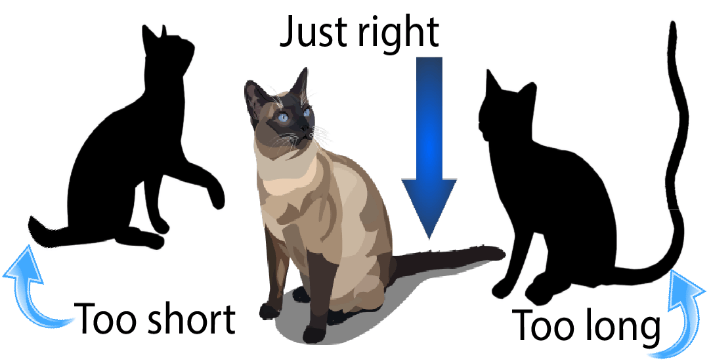
A cat has a long tail to help it balance.

a)

Behavioral Adaptation

b)

Structural Adaptation

c)

Physiological Adaptation

35.

A kangaroo has a pouch to protect its young.

a)

Structural Adaptation

b)

Behavioral Adaptation

c)

Physiological Adaptation

36.

Which of the following is a structural adaptation for the underlined animal?

a)

A butterfly has bright colors to warn predators that it is poisonous.

b)

A hognose snake rolls over, slows its breathing, and hangs its tongue out to play dead.

c)

A herd of buffalo encircle their young to protect them from a pack of wolves.

d)

A dung beetle rolls a piece of dung across the desert.

37.

Dolphins have individual call tones used to identify themselves. What type of adaptation is this?

a)

Structural

b)

Behavioral

c)

physiological

d)

this is not an adaptation

38.
In the graph shown, how many species of lizards seem to have beneficial adaptations?
a)
1
b)
2
c)
3
d)
4
39.
Mistakes or changes that occur int he DNA sequence are called....
a)
adatations
b)
Darwinism
c)
mutations
d)
natural selection
40.
The preserved remains or physical evidence of an organism that lived in the past are called...
a)
evolutionary features
b)
fossils
c)
mutations
d)
variations
41.
What do we call similar physical structures that indicate a link to a common ancestor?
a)
absolute dating
b)
adaptations
c)
gradualism
d)
homologous structures
42.
What does this picture model?
a)
DNA structure of the horse
b)
Evolution of the horse
c)
Extinction of the horse
d)
Singular traite of the horse
43.
The   is the sum of all the alleles at all genes in a population.
a)
gene pool
b)
genetic mutation
c)
population
d)
adaptation
44.

Some organisms have features that have different functions, but similar structures. One example is the forelimb of humans, dogs, birds, and whales. What term best describes the relationship between these forelimbs?

a)

They are homologous.

b)

They are vestigial.

c)

They are analogous.

d)

They are embryological.

45.

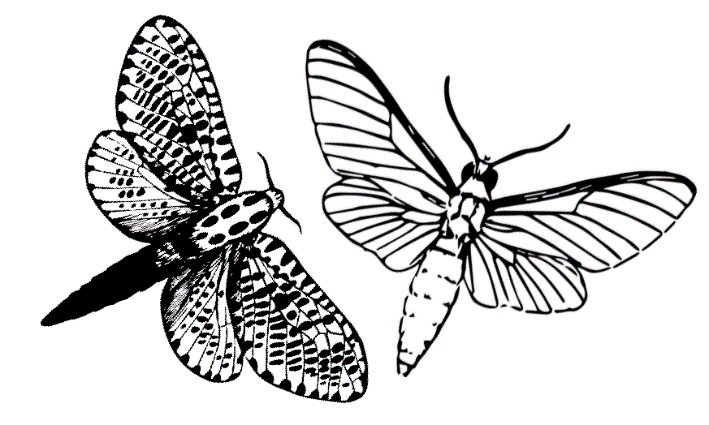
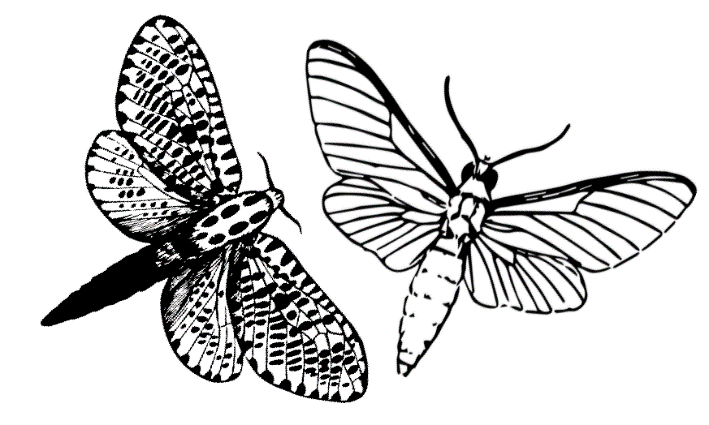
According to natural selection, light colored tree trunks would favor

a)

light colored moths

b)

dark colored moths

c)

red colored moths

d)

red and light colored moths

46.

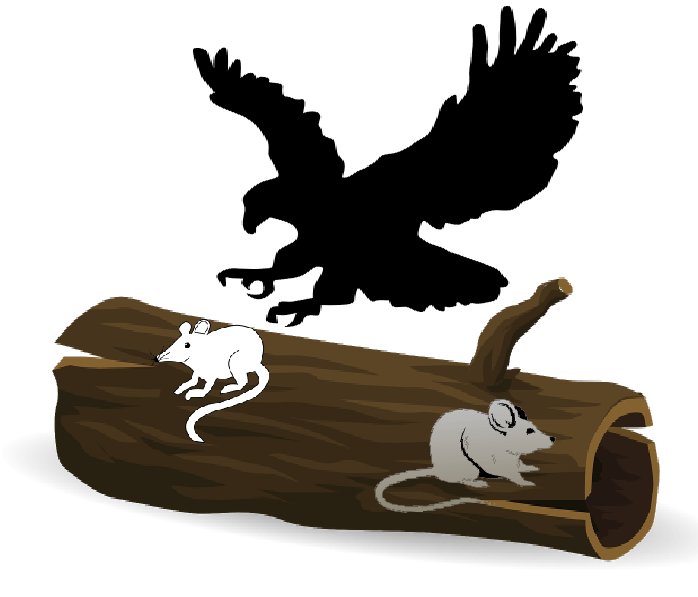
Over the years, white mice became extinct and darker mice survived. This is

a)

stabilizing selection

b)

directional selection

c)

disruptive selection

d)

due to exercise

47.

A physical trait favored by an environmental change can be called an

a)

adaptation

b)

extinction

c)

possibility

d)

mutation

48.

Average phenotypes are favored in the environment, while extremes have lower survival rates.

a)

seasonal selection

b)

distruptive selection

c)

directional selection

d)

stabilizing selection

49.

Two populations of the same species are separated by land barriers like rivers or mountains.

a)

geographical isolation

b)

temporal isolation

c)

adaptive ratiation

d)

behavioral isolaton

50.

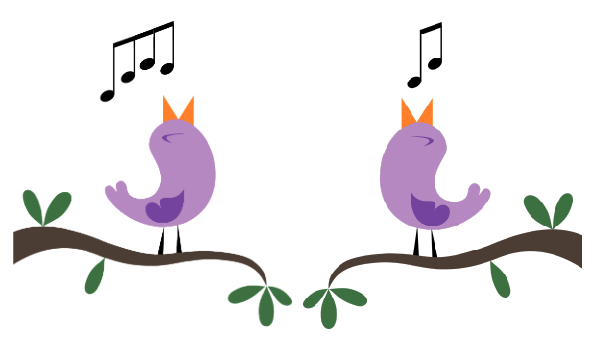
Two populations of the same species do not have the same mating rituals or signals.

a)

geographical isolation

b)

temporal isolation

c)

adaptive ratiation

d)

behavioral isolaton

51.

Organisms of the same species do not interbreed for various reasons.

a)

Genetic Isolation

b)

Gene Pool

c)

Adaptation

d)

Survival of the Fittest

52.

Organisms of the same species can no longer interbreed therefore creating two species.

a)

Gene Pool

b)

Genetic Drift

c)

Gene Frequency

d)

Speciation

53.

individuals with alleles for an extreme type are more likely to survive and reproduce

a)

stabilizing selection

b)

directional selection

c)

disruptive selection

d)

genetic drift

54.

the selection pressure favors the extreme phenotypes, dividing the population into 2 distinct groups

a)

directional selection

b)

stabilizing selection

c)

geographic selection

d)

disruptive selection

55.

Individuals with intermediate traits are more likely to survive and reproduce

a)

stabilizing selection

b)

directional selection

c)

adaptive radiation

d)

disruptive selection

56.

Tall kelp have a distinct advantage over shorter kelp in receiving needed sunlight in their ocean environment

a)

directional selection

b)

disruptive selection

c)

stabilizing selection

d)

sexual selection

e)

artificial selection

57.

Aspen trees that are over 25 m tend to blow over in high winds; aspen that are under 15 m don't get enough sun

a)

directional selection

b)

stabilizing selection

c)

disruptive selection

d)

artificial selection

e)

sexual selection

58.
A flash flood carried a raft of Amazon ants away from their original population. There is enough distance between the two groups, that they will never meet in nature again. What type of reproductive barrier is this?
a)
behavioral isolation
b)
temporal isolation 
c)
gametic isolation
d)
geographic isolation 
59.
Some female peacocks prefer males with large, colorful tales while other female peacocks prefer males with no tail at all. Females are beginning to only mate with the type of males with the tail they prefer. What type of reproductive barrier is this?
a)
behavioral isolation
b)
hybrid sterility 
c)
temporal isolation
d)
mechanical isolation 
60.
The flowers of pink tulips open in the morning, while the flowers of lavender tulips open in the early afternoon. The bees that pollinate these tulips cannot carry pollen back & forth between the two types of tulips because of their flowers being closed at different times of day. What type of reproductive barrier is this?
a)
behavioral isolation
b)
hybrid sterility 
c)
temporal isolation
d)
mechanical isolation 
61.
The term for the formation of new and distinct species over the course of evolution is...
a)
speciation
b)
biological species concept
c)
reproductive barrier
d)
natural selection
62.
What is a species? 
a)
A group of organisms that can mate with each other and produce fertile offspring. 
b)
A group of organisms that can mate and produce offspring even if those offspring are infertile.
c)
A group of organisms that genetically are very different from each other. 
d)
Indivual organisms that live in the same environment. 
63.

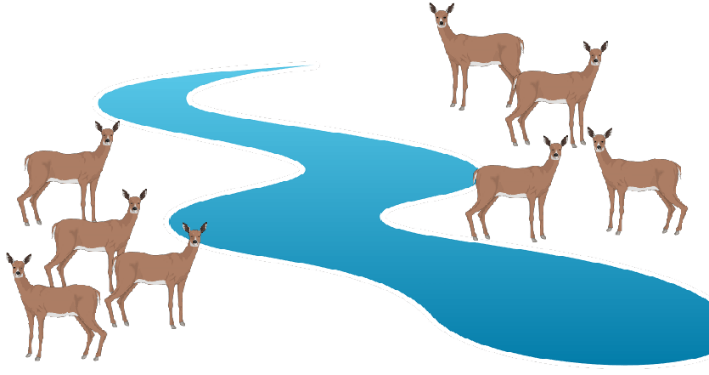
The emergence of new rivers or streams is a type of ____________ isolation.

a)

Temporal

b)

Mechanical

c)

Behavioral

d)

Geographic

64.
Change over time
a)
Natural Selection
b)
Selective Breeding
c)
Homeostasis
d)
Evolution