
 Worksheets
Human Body Systems Study Guide
Total questions: 76
Worksheet time: 3hrs 32mins


Digestion starts in the ...
stomach.
esophagus.
epiglottis
mouth.
What gas do we breath when we exhale?
oxygen
helium
carbon dioxide
hydrogen
What connects the larynx to the lungs?
trachea
pharynx
nasal cavity
diaphragm
You can inhale through your ... (choose all that apply)
nose
skin
ears
mouth
This is a gas our cells need to survive.
helium
carbon dioxide
oxygen
nitrogen
Why should you breath through your nose? (choose all that apply)
It moistens air.
It warms air.
It is the only way to breath in air.
It filters air.
The flap of skin that prevents food and water to enter the trachea.
vocal cords
pharynx
larynx
epiglottis
Parts of the respiratory system, check all that apply.
trachea
esophagus
nasal cavity
lungs
skin
What is the function of the respiratory system?
removes wastes from the body
provide us with oxygen and remove carbon dioxide
breaks down food for nutrients for the body
provides movement for the body
What organ does oxygen begin to enter the blood stream?
nasal cavity
lungs
bronchioles
alveoli
What is the order that oxygen travels when it is inhaled?
nasal cavity, bronchi tubes, pharynx, trachea, alveoli
nasal cavity, pharynx, trachea, bronchi tubes, alveoli
nasal cavity, trachea, pharynx, bronchi tubes, alveoli
nasal cavity, trachea, pharynx, alveoli, bronchi tubes
What are the main organs of the excretory system
Kidneys, Large intestines, Liver, Urethra, Ureters
Brain, Intestine, muscles
Lungs, Brain, Mouth
Where is the excretory system located?
Near your esophagus
In your stomach
Near the spine/The middle of the back
All over your body
What would happen if you damage the excretory system?
No effect
You get a UTI
Waste builds up in your bidy
It will be harder and take longer for you to pee
What is the function of the kidneys?
To filter the waste
To store the urine
To transport the urine
What does the urinary bladder store?
Urine
Proteins
Bacteria
Waste
The respiratory system is
the system by which oxygen is taken into the body and an exchange of oxygen and carbon dioxide takes place in the lungs.
A tube that carries air to and from the lungs. It is also called the windpipe.
A passageway leading from the back of the mouth and the nasal cavity in the head to the larynx. It is also called the back of the throat.
A dome-shaped muscle that extends across the body below the lungs that helps our lungs inhale and exhale air.
The trachea is
a passageway leading from the back of the mouth and the nasal cavity in the head to the larynx. It is also called the back of the throat.
where gas exchange happens
a tube that carries air to and from the lungs. It is also called the windpipe.
Small tubes in your lungs that let air in and out of your lungs.
The diaphragm is
a passageway leading from the back of the mouth and the nasal cavity in the head to the larynx. It is also called the back of the throat.
a dome-shaped muscle that extends below the lungs that helps our lungs inhale and exhale air.
tiny air sacs at the end of the bronchial tubes where gas exchange occurs.
Small tubes in your lungs that let air in and out of your lungs.
Alveoli are
a passageway leading from the back of the mouth and the nasal cavity in the head to the larynx. It is also called the back of the throat.
the system by which oxygen is taken into the body and an exchange of oxygen and carbon dioxide takes place in the lungs.
Small tubes in your lungs that let air in and out of your lungs.
Tiny air sacs at the end of the bronchial tubes where gas exchange occurs.
Bronchial tubes are
Small tubes in your lungs that let air in and out of your lungs.
Tiny air sacs at the end of the bronchial tubes where gas exchange occurs.
muscles that extends across the body below the lungs that helps our lungs inhale and exhale air.
tubes that carries air to and from the lungs. It is also called the windpipe.
Select the 3 functions of the respiratory system are
to carry blood through the body
to move air in and out of the body
to move oxygen from the air to the blood
to move carbon dioxide from the bloodstream back to the air
to help our bodies move
Where does gas exchange happen?
bronchioles
trachea
alveoli
nasal cavity

What part is letter C pointing to in the picture?
trachea (windpipe)
diaphragm
bronchus

What is letter F pointing to?
diaphragm
alveoli
pharynx

What is letter D pointing to?
bronchioles
lung
larynx

What is letter B pointing at?
trachea (windpipe)
Larynx (voicebox)
Bronchus
Choose the correct order that air flows through the body.
mouth, trachea, bronchus, bronchioles, alveoli
mouth, alveoli, trachea, bronchioles, bronchus
alveoli, trachea, mouth, bronchioles, bronchus
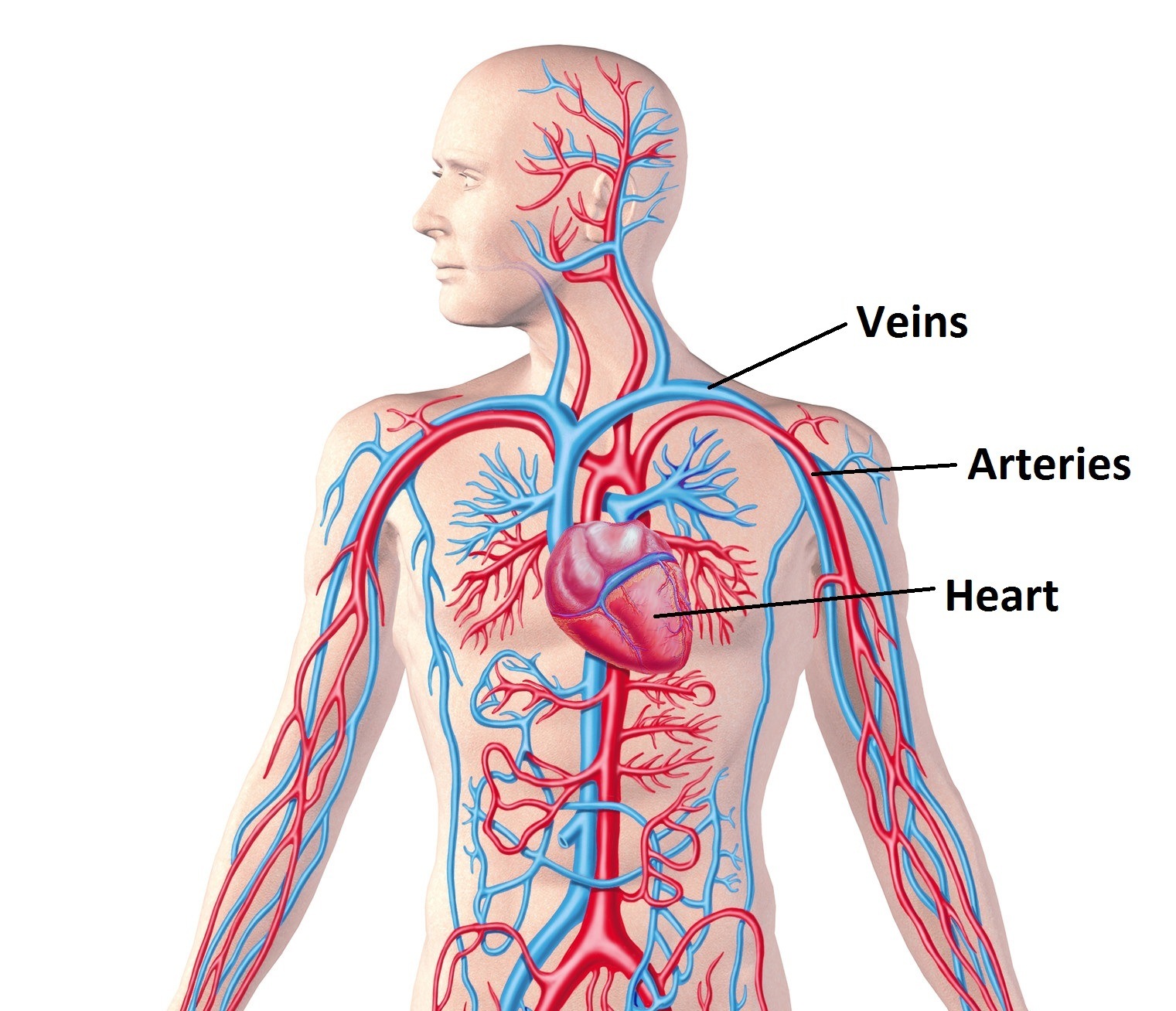
Which system allows blood to circulate throughout the body to transport oxygen and nutrients to all the cells and tissues?
Nervous
Respiratory
Circulatory
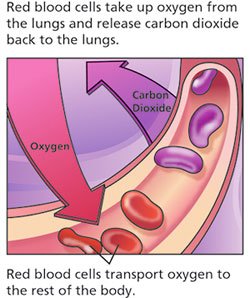
These cells, in the blood, carry oxygen and give the blood its color.
white blood cells
plasma
platelets
red blood cells
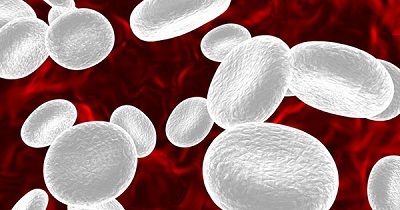
The cells in the blood that help fight germs like bacteria and viruses
red blood cells
platelets
white blood cells
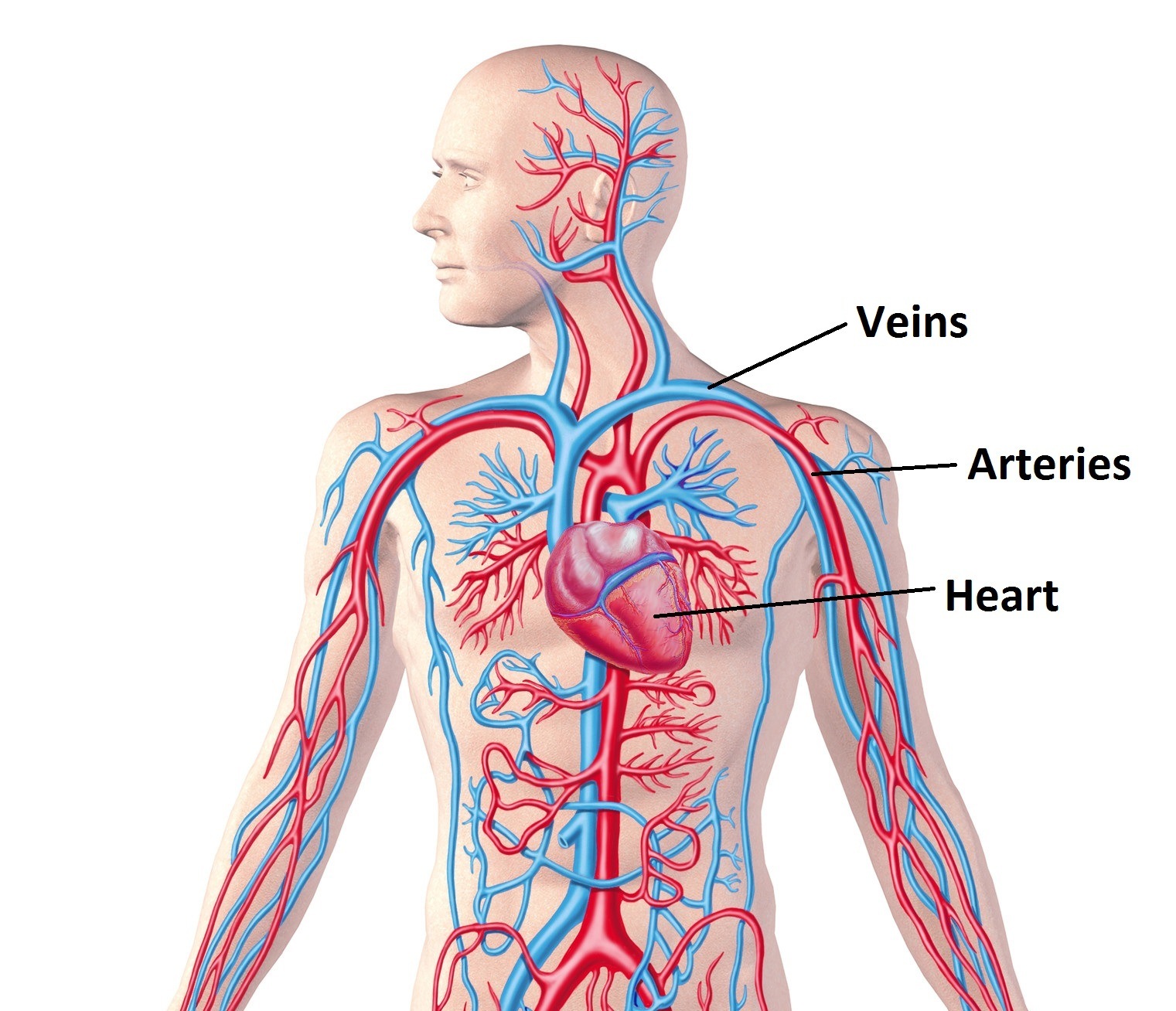
The circulatory system works with the __________ system to obtain energy from nutrients that we eat.
respiratory
digestive
skeletal
nervous
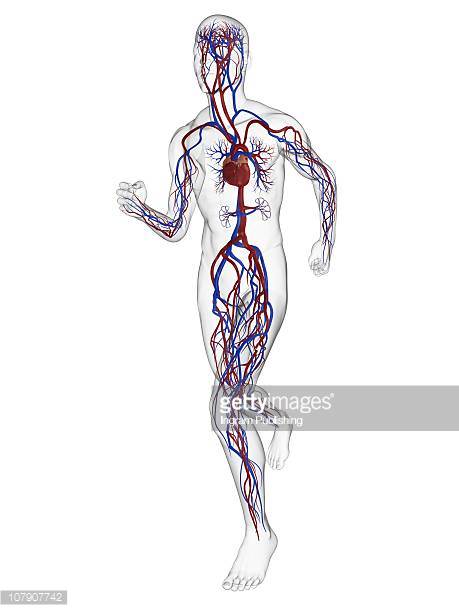
What is the main organ of the circulatory system?
small intestine
bone
lungs
heart
The job of the heart is to . . .
pump blood around the body.
send food to the small intestines.
break down food.
give energy to the body.
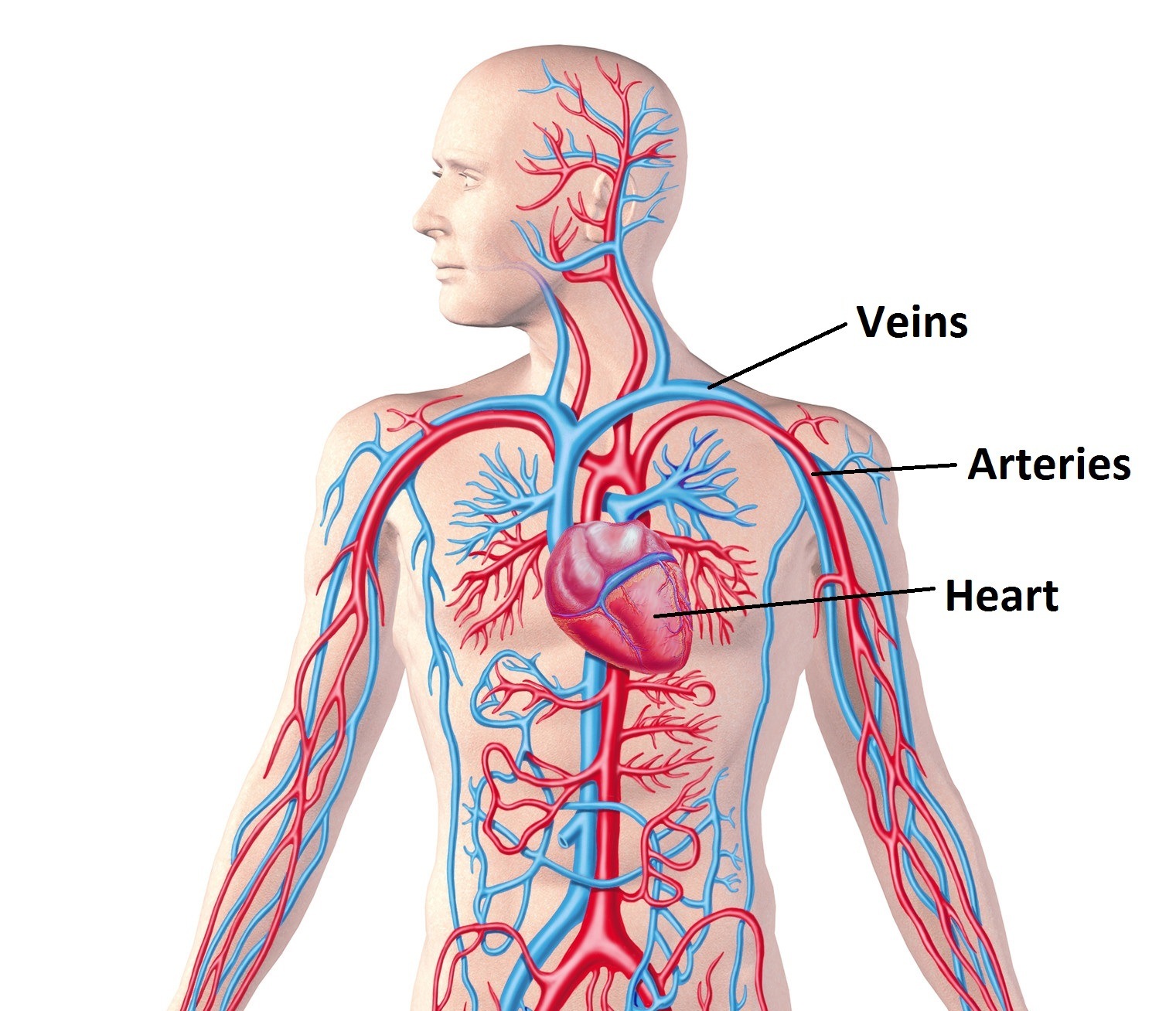
The circulatory system works with the ___________ system to provide our body with oxygen.
respiratory
digestive
muscular
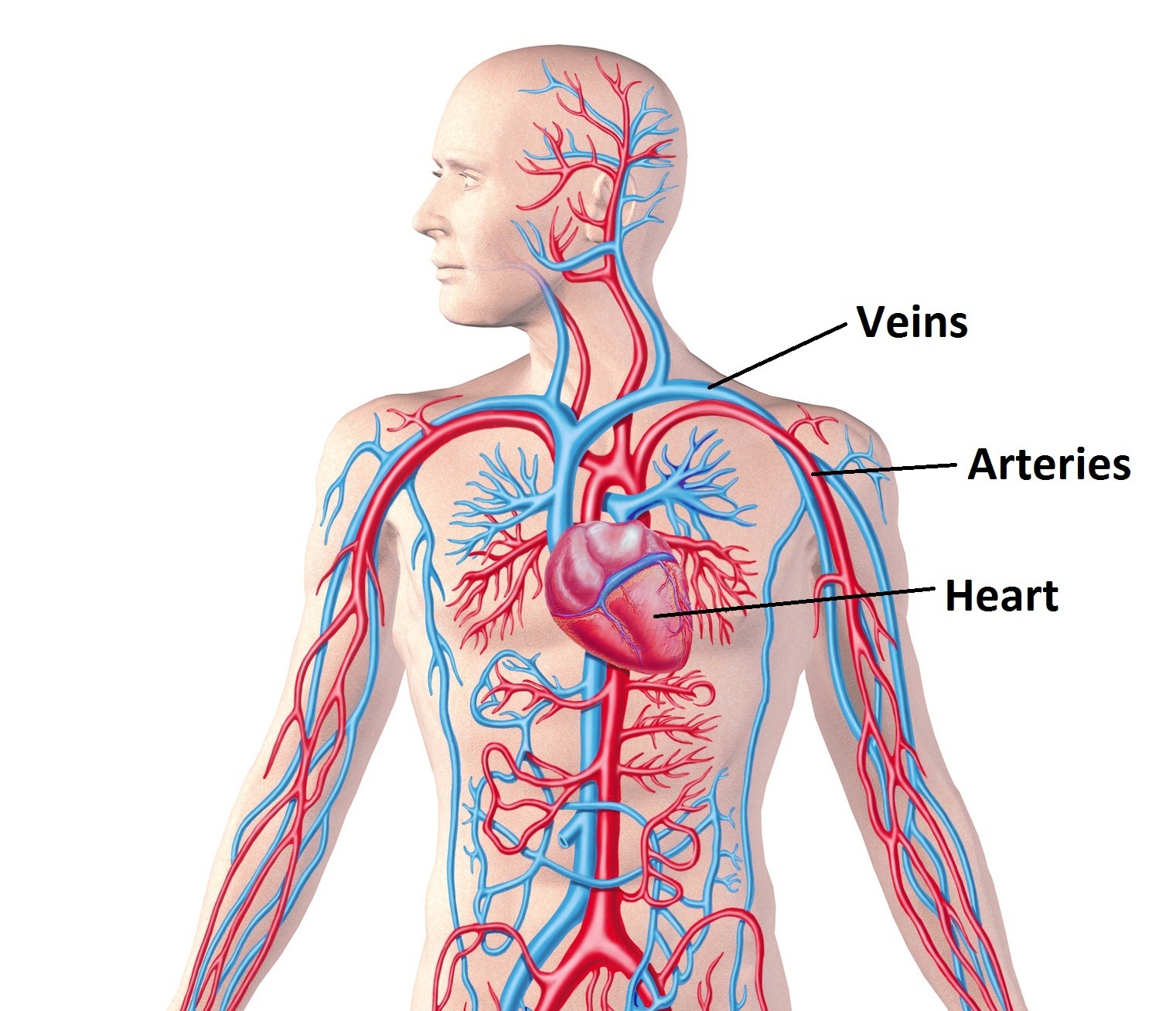
What is the circulatory system made up of?
Lungs, blood, blood vessels
Liver, kidneys, and stomach
Heart, Blood Vessels, and Blood
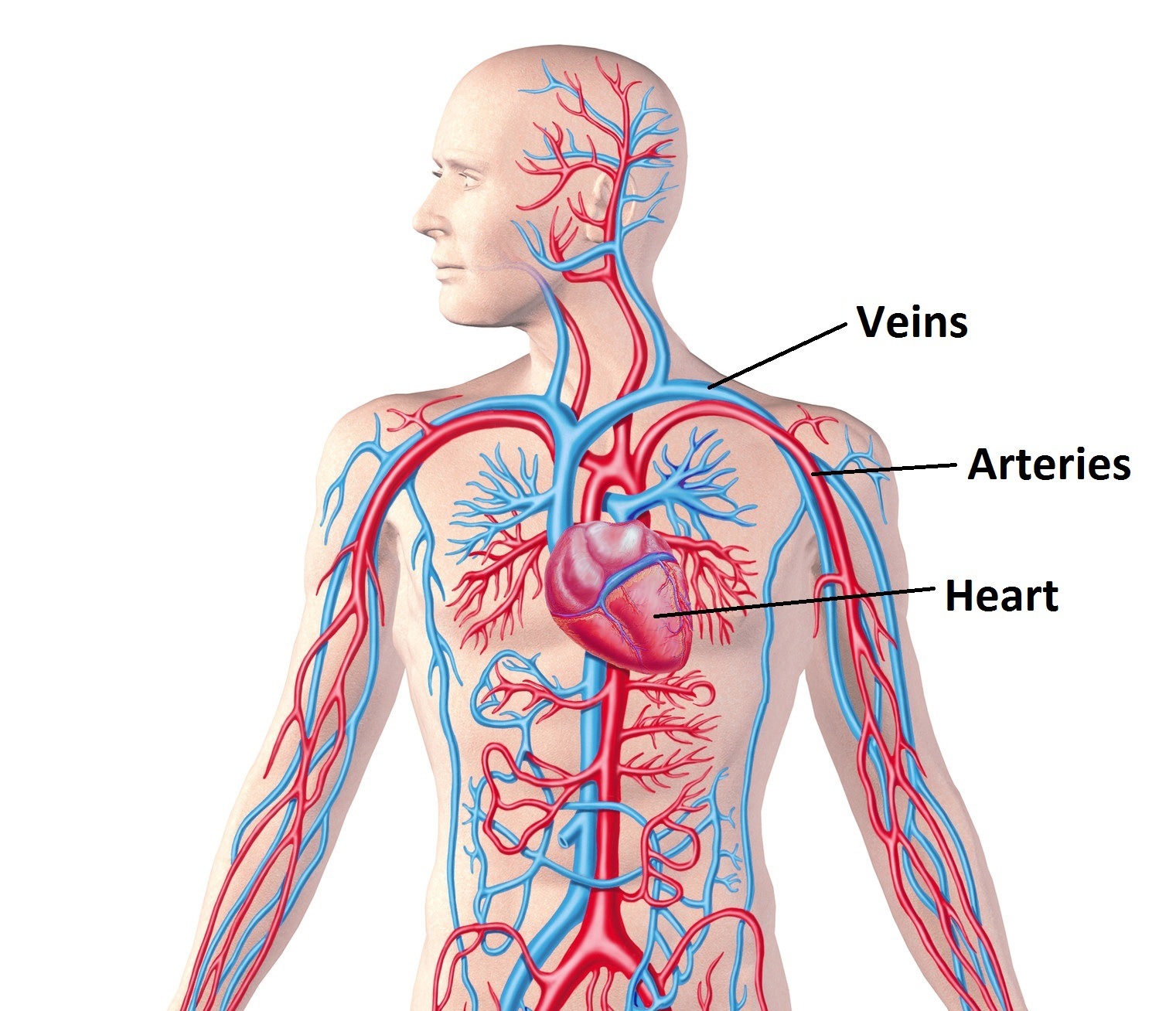
Which of the following does blood help transport throughout the body?
undigested food
Nutrients
Gases (oxygen and carbon dioxide)
hormones like adrenaline

Choose the 3 TRUE statements about the circulatory system
The circulatory system and the respiratory system work together to deliver oxygen to all of the cells and tissues in the body.
The circulatory system and the respiratory system work together to remove CO2 and other waste products from cells and tissues in the body.
The circulatory system, respiratory system, and excretory system all work together to remove waste products from the body.
The circulatory system is a special system that does not work with other systems of the body.
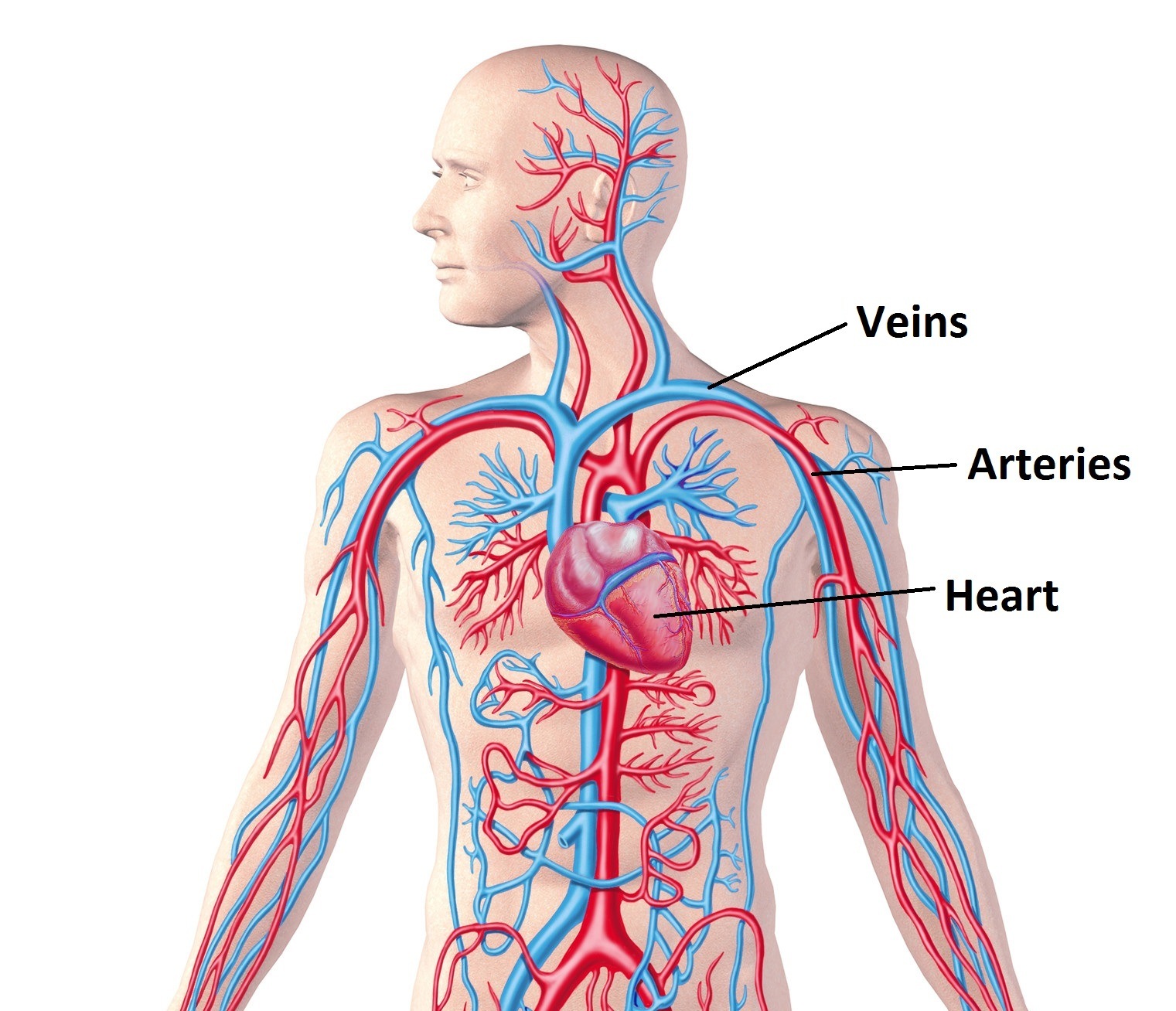
Which best explains how does the circulatory system helps the endocrine system
The circulatory system helps circulate the hormones that are made in the endocrine glands.
The circulatory system only circulates oxygen throughout the body.
The circulatory system circulates nutrients from digested food.
What is a Lymphocyte?
White Blood Cell
Red Blood Cell
Lymph
Mlerp
What is the largest organ of the lymphatic system?
Appendix
Spleen
Thymus
Soup
The tiny oval shaped lymph structure located throughout the body are known as?
lymph nodes
lymph fluid
spleen
What is compact bone?
the soft tissue in the bone that makes blood cells
the soft tissue in the bone that stores energy as fat
the hard dense layer of bone
the layer of bone that makes the bones lightweight
What is spongy bone?
the soft tissue in the bone that makes blood cells
the soft tissue in the bone that stores energy as fat
the hard dense layer of bone
the layer of bone that makes the bones lightweight

Two major branches of the nervous system
central and peripheral
peripheral and motor
motor and sensory

The nervous system is composed of the ___, ___, and ___.
heart, brain, kidneys
lungs, liver, stomach
brain, spinal cord, nerves

The brain is part of the ____ nervous system.
central
peripheral

This is part of our central nervous system and is responsible for connecting the brain to the rest of the body.
Brain
Spinal Cord
Neurons

Nerves are made up of nerve cells called
cardiac cell
neurons

