
 Worksheets
BMS165 Exam Revision Quiz Topics 5,6 and 7
Total questions: 77
Worksheet time: 1hrs 4mins
The nervous system is made up of the central and peripheral nervous systems.
The central nervous system is made up of the brain and spinal cord.
The peripheral nervous system is made up of nerves and ganglia.
This is true.
This is false.
The peripheral nervous system is made up of a sensory division and a reflex division.
This is true.
This is false.
The sensory division of the peripheral nervous system is made up of the somatic and visceral divisions. The visceral sensory division carries signals from the sensory receptors from the heart, lung, stomach and bladder to the nervous system.
This is true.
This is false.
The somatic motor division of the peripheral nervous system carries signals from the central nervous system to the smooth and cardiac muscles of the body.
This is true.
This is false.
Which of these best describes glial cells?
The cells that send signals to the brain
Cells that support the neurons
Any cell in the nervous system
Cells that make muscles move
If we did not have this type of cell, bacteria could more easily infiltrate our brain tissue:
Satellite cells
Oligodendrocytes
Microglia
Schwann cells
Which type of cell is located between neurons and capillaries to control what enters the cells from the blood?
Astrocytes
Oligodendrocytes
Schwann cells
Satellite cells

Which type of cell is circled?
Schwann cells
Astrocytes
Microglia
Ependymal cells
Which two types of cells produce myelin coverings around the nerves?
Microglia and astrocytes
Schwann cells and satellite cells
Schwann cells and oligodendrocytes
Oligodendrocytes and astrocytes
Which one of the following is involved in maintaining a resting membrane potential?
Na+/K+ ATPase pump moves 3Na+ in for every 2K+ out
Na+/K+ ATPase pump moves 3K+ in for every 2Na+ out
Na+/K+ ATPase pump moves 3Na+ out for every 2K+ in
Na+/K+ ATPase pump moves 3K+ out for every 2Na+ in


Which of the following events corresponds to number 1 on the diagram?
Neurotransmitter binds to receptors on the post-synaptic neuron's membrane
Nerve impulse arrives in the pre-synaptic nerve ending
calcium channels in the plasma membrane open (calcium ions enter the pre-synaptic neuron)
Sodium ion channels open in the pots-synaptic neuron

Which of the following events corresponds to number 2 on the diagram?
Sodium ions flood into post-synaptic neuron, depolarize the resting potential and nerve impulse is created.
Vesicles of neurotransmitter fuse with the membrane of the pre-synaptic axon ending
Calcium channels in the plasma membrane open (calcium ions enter the pre-synaptic neuron)
Sodium ion channels open in the pots-synaptic neuron

Which of the following event corresponds to number 3 on the diagram?
Sodium ion channels open in the pots-synaptic neuron
Neurotransmitter binds to receptors on the post-synaptic neuron's membrane
Sodium ions flood into post-synaptic neuron, depolarize the resting potential and nerve impulse is created.
Vesicles of neurotransmitter fuse with the membrane of the pre-synaptic axon ending

Which of the following event corresponds to number 4 on the diagram?
Vesicles of neurotransmitter fuse with the membrane of the pre-synaptic axon ending
Neurotransmitter binds to receptors on the post-synaptic neuron's membrane
Sodium ion channels open in the pots-synaptic neuron
Nerve impulse arrives in the pre-synaptic nerve ending

Which of the following event corresponds to number 5 on the diagram?
Fused vesicles release the neurotransmitter chemical into the synaptic cleft
Calcium channels in the plasma membrane open (calcium ions enter the pre-synaptic neuron)
Sodium ions flood into post-synaptic neuron
The neurotransmitter diffuses across the synaptic cleft

Which of the following event corresponds to number 6 on the diagram?
Depolarization of the resting potential in the post-synaptic neuron and nerve impulse is created.
The neurotransmitter diffuses across the synaptic cleft
Sodium ion channels open in the pots-synaptic neuron
Nerve impulse arrives in the pre-synaptic nerve ending
The brain and spinal cord are protected and cushioned by three connective tissue membranes that are collectively called ________.
arachnoid villi
meninges
ventricles
diencephalon
Which one of the following represents the correct sequence from most superficial to deepest layers of the meninges?
dura mater, pia mater, arachnoid mater
dura mater, arachnoid mater, pia mater
pia mater, arachnoid mater, dura mater
pia mater, dura mater, arachnoid mater
Cerebrospinal fluid (CSF) is made by the
caudate nucleus
ependymal glial cells
tegmentum
spinal cord

What does this image show?
a blood vessel
the blood brain barrier
A cranial nerve is a bundle of axons that come out of the brain. We have twelve pairs of cranial nerves. Some cranial nerves carry sensory information to the brain and some carry motor information out form the brain. A cranial nerve never carries both sensory and motor information.
This is true.
This is false.

What is A pointing to?
Dorsal Root Ganglion
Spinal Nerve
Ventral Root/Nerve
Dorsal Root/Nerve
What is B pointing to?
Dorsal Root Ganglion
Spinal Nerve
Ventral Root/Nerve
Dorsal Root/Nerve
What is D pointing to?
Dorsal Root Ganglion
Spinal Nerve
Ventral Roots/Nerve
Dorsal Roots/Nerve

What is this image showing?
a nerve
a blood vessel
a muscle

What is this image showing?
a nerve
a ganglia
a muscle

Name an effector in this diagram.
A
B
D
E
F
How is a reflex arc different than other voluntary movements?
A reflex arc takes the same path as a voluntary action
A reflex a travels from a sensory neuron to the spinal cord then to a motor neuron, skipping the brain
A reflex arc takes longer than a voluntary action
There is no difference between a reflex arc and a voluntary action

What type of neuron is C?
Sensory
Inter
Motor

Where would the nerve impulse start in this reflex arc?
A
C
D
E
What type of neuron is A?
Sensory
Inter
Motor
What happens when an odorant molecule binds to an odorant receptor on the dendrite of the olfactory sensory neuron?
the olfactory sensory neuron depolarises
the olfactory sensory neuron hyperpolarises
What happens when an tastant molecule binds to its receptor on the dendrite of the taste receptor cell?
the taste receptor cell depolarises and releases a neurotransmitter
the taste receptor cell hyperpolarises and releases a neurotransmitter
What happens when a hair cell in the cochlea has its cilia bent?
the hair cell will depolarise or hyperpolarise depending on the direction of the cilia bending
the hair cell will depolarise regardless of the direction of the bend
What happens when a photon hits a photoreceptor?
the photoreceptor cell depolarises and starts releasing neurotransmitter
the photoreceptor cell hyperpolarises and stops releasing neurotransmitter
What happens when a hair cell in the macula has its cilia bent?
the hair cell will depolarise or hyperpolarise depending on the direction of the cilia bending
the hair cell will depolarise regardless of the direction of the bend
What happens when a hair cell in the cristae ampularis has its cilia bent?
the hair cell will depolarise or hyperpolarise depending on the direction of the cilia bending
the hair cell will depolarise regardless of the direction of the bend
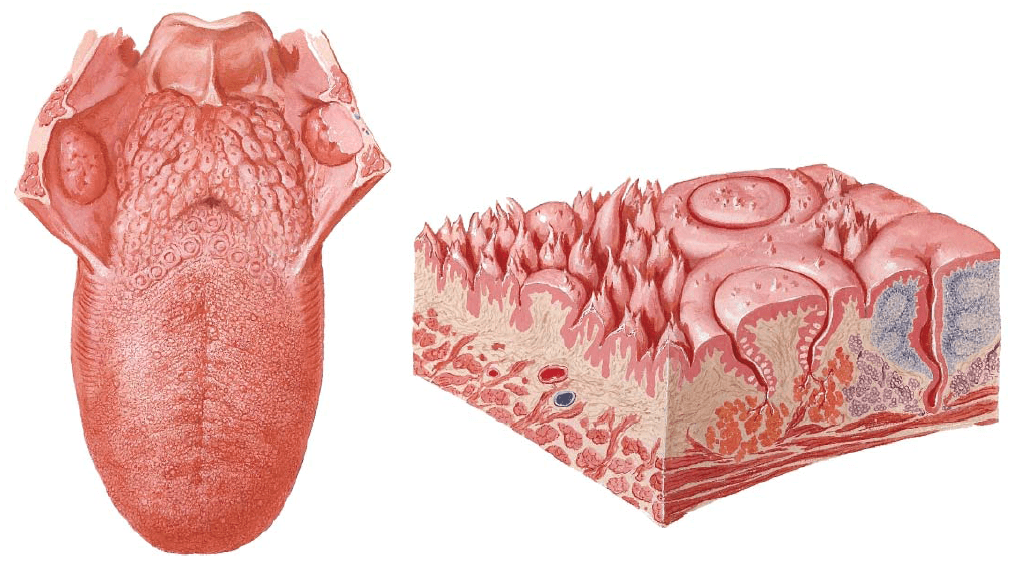
Small projections located on the tongue’s surface where taste buds are located are known as:
papillae
gustatory cells
olfactory epithelium
mucous producing glands


The cells shown at J are the
ear cells
cochlea cells
nerve cells
hair cells

What does the optic nerve do?
transmit impulses from retina to brain
helps the eye focus
receives light and sends it to brain
transmits light rays to retina
This structure is the back of the eye and it sends images to the optic nerve.
Cornea
Lens
Retina
Pupil
The "fight or flight" response during threatening situations in the role of the:
somatic nervous system
sympathetic nervous system
parasympathetic system
cerebellum
The autonomic nervous system has two subsystems: sympathetic and parasympathetic.
This is true.
This is false.
The parasympathetic division adapts the body in many ways for physical activity—it increases alertness, heart rate, blood pressure, pulmonary airflow, blood glucose concentration, and blood flow to cardiac and skeletal muscle, but at the same time, it reduces blood flow to the skin and digestive tract. Cannon referred to extreme sympathetic responses as the fight-or-flight reaction because it comes into play when an animal must attack, defend itself, or flee from danger.
This is true.
This is false.
1. vascular spasm
2. ___________
3. coagulation
Someone with Type A blood also has...
Type A antibodies
Type B antibodies
both Type A & B antibodies
neither Type A nor B antibodies
Someone with Type A blood has...
A antigens
A antibodies
B antigens
A & B antigens
Another term for the Rh factor...
Rhesus monkey
red blood cell
D antibody
D antigen
What is the final product of secondary hemostasis?
Platelet plug
Fibrin Clot
Normal blood flow
B and C
Correct order of coagulation factors:
thrombin - prothrombin - fibrin - fibrinogen
Fibrinogen - fibrin - prothrombin - thrombin
prothrombin- thrombin - fibrin - fibrinogen
prothrombin- thrombin - fibrinogen - fibrin
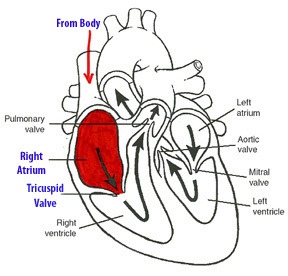

Drains blood away from the heart muscle cells.
Coronary Veins

