wayground logo

Free Printable Worksheets

Font size

S
M
L
XL
Worksheets

3 of 3 - A&P - Semester 2 Review - Identification

Total questions: 55

Worksheet time: 28mins

Name
Class
Date
1.

Instrument used to measure blood pressure?

a)

AED

b)

ECG

c)

Sphygmomanometer

d)

ultrasound

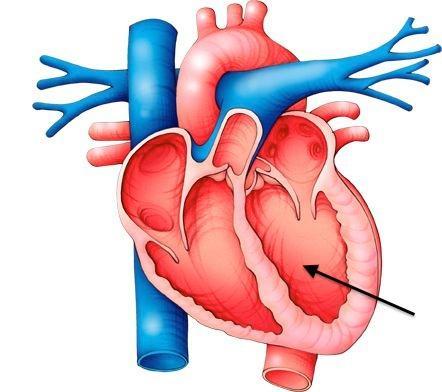
2.
Identify
a)
Left atrium
b)
Right atrium
c)
Left ventricle
d)
Right ventricle
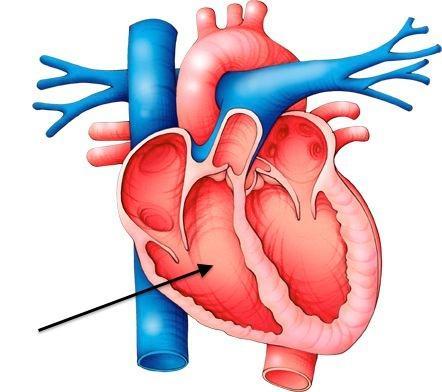
3.
Identify
a)
Left atrium
b)
Right atrium
c)
Left ventricle
d)
Right ventricle
4.
Name the bone located at number 12.
a)
Patella
b)
Clavicle
c)
Sternum
d)
Scapula
5.
Structure #4 is a/n
a)
osteon
b)
osteocyte
c)
lacuna
d)
osteoblast
6.
a)

Compact bone

b)

Spongy bone

7.
This bone
a)
Pelvis
b)
Humerous
c)
Scapula
d)
Ischium 
8.

Choose the bones that are found in the arm.

a)

Ribs

b)

Humerus

c)

Carpals

d)

Tibia

e)

Ulna

9.

Choose the bones that are found in the leg.

a)

Patella

b)

Fibula

c)

Sternum

d)

Humerus

e)

Femur

10.


(a)  

11.


(a)  

12.


(a)  

13.


(a)  

14.


(a)  

15.


(a)  

16.


(a)  

17.


(a)  

18.


(a)  

19.


(a)  

20.


(a)  

21.


(a)  

22.


(a)  

23.


(a)  

24.


(a)  

25.

Identify

a)

parietal lobe

b)

temporal lobe

c)

occipital lobe

d)

frontal lobe

26.

#4

a)

cerebellum

b)

cerebrum

27.

Identify the structure of the brain labeled "K" on the diagram.

a)

midbrain

b)

pons

c)

medulla oblongata

d)

corpus collosum

28.

Name Bone 2

a)

cuneiform

b)

cuboid

c)

calcaneus

d)

talus

29.

Name Bone 1

a)

cuneiform

b)

cuboid

c)

calcaneus

d)

talus

30.

What bone is # 29?

a)

femur

b)

tibia

c)

fibula

d)

patella

31.
Label 2
a)
Lambdoidal suture
b)
Coronal suture
c)
Temporal bone
d)
Parietal Bone
32.
a)

frontal

b)

zygomatic

c)

nasal

d)

maxilla

33.
_______ can be found at letter F?
a)
Temporal Bone
b)
Ethmoid Bone
c)
Sphenoid Bone
d)
Zygomatic Bone
34.
_______ can be found at letter C?
a)
Foramen Magnum
b)
Mental Foramen
c)
Mandibular Fossa
d)
Mental Groove
35.
Label 6
a)
Manubrium
b)
Gladiolus
c)
Xyphoid Process
d)
Vertebral Ribs
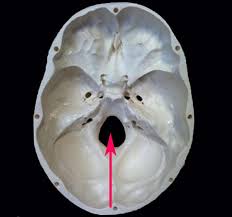
36.
What is this?
a)
Foramen Magnum
b)
Jugular Foramen
c)
Carotid Canal
d)
External Acoustic Meatus
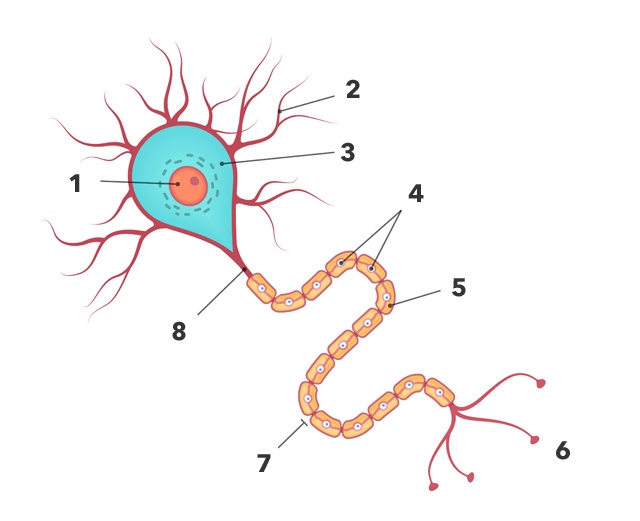
37.

Identify #2

a)

axon

b)

cell body

c)

dendrite

d)

myelin sheath

38.

Identify #3

a)

axon

b)

cell body

c)

dendrite

d)

myelin sheath

39.

Identify #6

a)

axon terminals

b)

dendrites

c)

dendrite

d)

schwann cells

40.
The part of the sarcomere that C (Blue) refers to is the?
a)
Actin
b)
Myosin
c)
Troponin
d)
Tropomyosin
41.

Where is the tympanic membrane?

a)

4

b)

6

c)

7

d)

8

42.
What is this?
a)
Cochlea
b)
Vestibule 
c)
Semicircular Canals
43.
What is this?
a)
External Auditory Meatus
b)
Eustachian Tube
c)
Auricle
d)
Vestibule
44.
What is #1?
a)
Pinna
b)
Cochlea
c)
Auditory Nerve
d)
Ear Canal
45.
What part of the eye is this?
a)
choroid 
b)
sclera 
c)
cornea
d)
retina
46.
What part of the eye is this?
a)
retina
b)
optic nerve
c)
fovea centralis
d)
choroid
47.
What part of the eye is this?
a)
iris
b)
lens
c)
cornea
d)
retina
48.
What part of the eye is this?
a)
cornea
b)
lens
c)
iris
d)
cilicary body
49.

The sensors in your nose are the long yellow cells in the diagram to the right. Area #7 They are called the

a)

Olfactory bulb

b)

Olfactory receptor cell

c)

Olfactory hairs

d)

Olfactory nerve

50.

Area #1 A very small opening at the top of the taste bud is called

a)

Gustatory cells

b)

Taste pore

c)

Gustatory hairs

51.

What part is the arrow pointing to?

a)

olfactory bulb

b)

olfactory nerve

c)

olfactory epithelium

d)

nasal cavity

52.
a)
Quadriceps
b)
Satorius
c)

Hamstrings

d)
Gastronecmius
53.
a)
Hamstring
b)
Quadriceps
c)
Gastronecmius
d)
Satorius
54.
As the athlete lowers the weights, his biceps undergo-
a)

isotonic contraction

b)
isometric contraction
55.

What type of contraction is happening here??

a)

isomere

b)

isotope

c)

isotonic

d)

isometric