wayground logo

Free Printable Worksheets

Font size

S
M
L
XL
Worksheets

A&P Final Exam Review

Total questions: 100

Worksheet time: 57mins
Name
Class
Date
1.
What is this?
a)
Frontal
b)
Mandible
c)
Occipital
d)
Parietal
2.
What is this?
a)
Parietal
b)
Occipital
c)
Frontal
d)
Temporal
3.
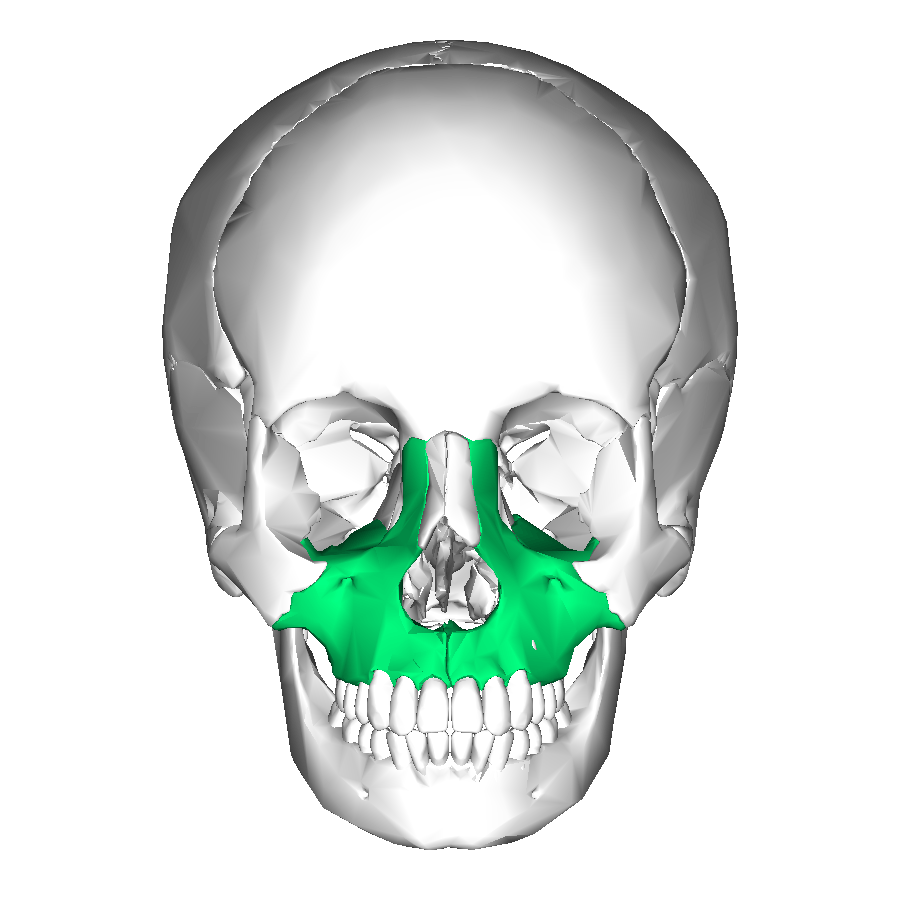
What is this?
a)
Mandible
b)
Maxillae
c)
Zygomatic
d)
Lacrimal
4.
Ribs that attach directly to the sternum?
a)
True ribs
b)
False Ribs
c)
Floating Ribs
5.
Manubrium, Body, and Xiphoid Process are all parts of the 
a)
Sternum
b)
Vertebral column
c)
Temporal bone
d)
Pelvis
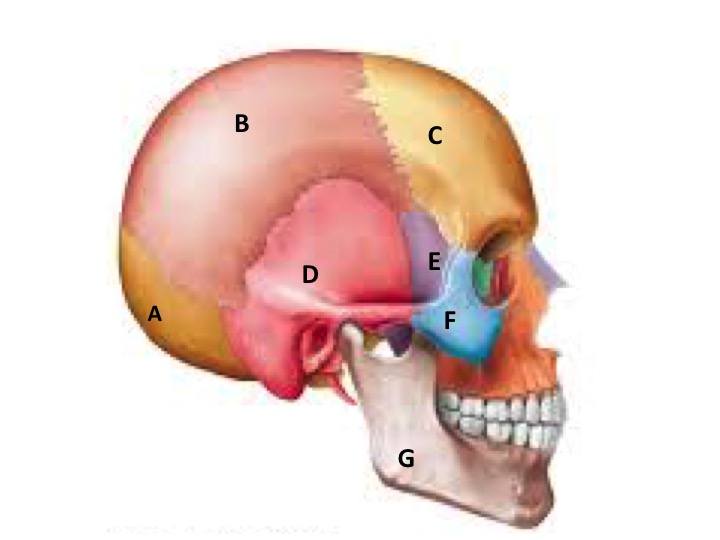
6.

Which bone is labeled E

a)

temporal

b)

sphenoid

c)

frontal

d)

zygomatic

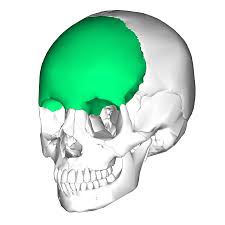
7.

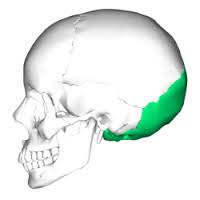
Identify bone 1 (green)

a)

Parietal

b)

Temporal

c)

Occipital

d)

Mandibular

8.
How many thoracic vertebrae are there?
a)
5
b)
7
c)
12
9.
How many lumbar vertebrae are there?
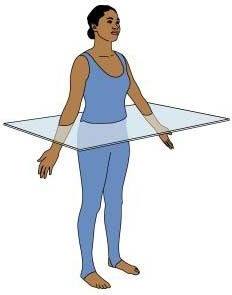
a)
5
b)
7
c)
12
10.
How many floating ribs are there?
a)
2
b)
3
c)
7
11.
How many false ribs are there?
a)
2
b)
3
c)
7
12.
What bone are the arrows pointing to?
a)
coccyx
b)
sacrum
13.
Which type of muscle is found in internal organs, such as the digestive system
a)
skeletal
b)
smooth
c)
cardiac
14.
A ________________ muscle contracts when you choose to use it.
a)
voluntary
b)
involuntary
c)
cardiac
d)
smooth
15.
Which organ system makes blood cells?
a)
skeletal system
b)
muscular system
c)
circulatory system
d)
digestive system
16.
The system that works with the skeletal system to allow movement.
a)
excretory system
b)
circulatory system
c)
muscular system
d)
digestive system
17.

What type of joint is found in the hip?

a)

hinge

b)

ball-and-socket

c)

gliding

d)

pivot

18.

The muscles of your heart are __________ muscles.

a)

skeletal

b)

voluntary

c)

cardiac

19.

_________________ movements are those that you do not consciousness control.

a)

Smooth

b)

Voluntary

c)

Skeletal

d)

Involuntary

20.

The levels of organization from the simplest to the most complicated are

a)

tissues -> organ systems -> organs -> cells -> organisms

b)

organs -> organ systems -> organisms -> organism

c)

cells -> tissues -> organs -> organ systems -> organism
21.

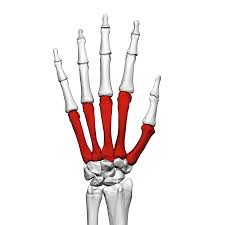
Which bones are highlighted

a)

metacarpals

b)

metatarsals

c)

carpals

d)

tarsals

22.

Which bones are highlighted

a)

carpals

b)

tarsals

c)

metacarpals

d)

metatarsals

23.
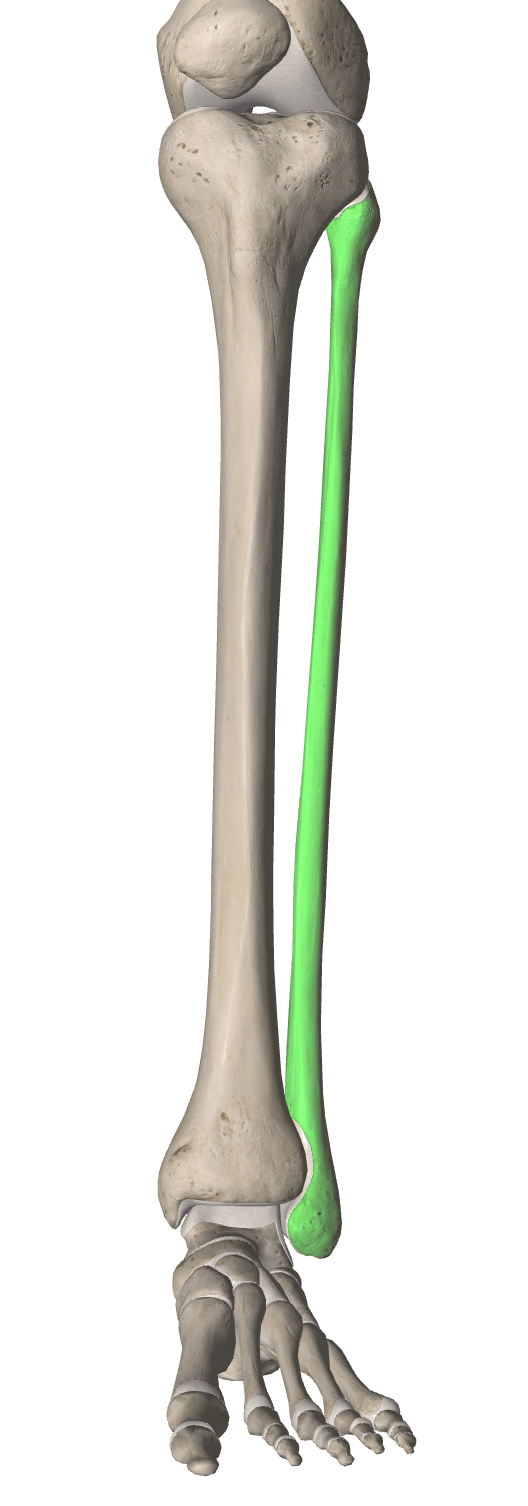
Name the bone shown in green.
a)
Femur
b)
Tibia
c)
Patella 
d)
Fibula
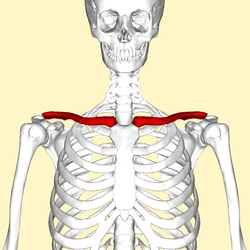
24.
What bones are these?
a)
Sternums
b)
Scapulae
c)
Clavicles
d)
Hyoids
25.

The radius is _______ to the ulna.

a)

lateral

b)

medial

c)

proximal

d)

distal

26.

The tibia is __ to the fibula.

a)

medial

b)

lateral

c)

proximal

d)

superior

27.

Which bone, the tibia or fibula is the weight bearing bone of the lower leg?

a)

tibia

b)

fibula

28.
a)

Biceps brachii

b)

Triceps brachii

c)

Occuli

d)

Trapezius

29.
a)
Deltoid
b)
Bicep
c)
Trapezius
d)
Latissimus Dorsi
30.

a)

Gluteus maximus

b)

Gastrocnemious

c)

Adductor longus

d)

Hamstring

31.

a)

Rectus abdominis

b)

Gastrocnemious

c)

Tibialis anterior

d)

Serratus anterior

32.

a)

Hamstring group

b)

Serratus anterior

c)

External abdominal oblique

d)

Rectus abdominis

33.

Identify the muscle

a)

flexor carpi radialis

b)

sartorius

c)

rectus femoris

d)

peroneus longus

34.

The ___ can be found attached to the anterior side of proximal tibia & Calcaneus. When it contracts, it plantar flexes.

a)

Gastrocnemius

b)

Soleus

c)

Sacrospinalis

d)

Sternocleidomastoid

35.

Skeletal muscles are voluntary.

a)

true

b)

false

36.

Tendons attach muscle to bone

a)

false

b)

true

37.

While one muscle contracts the other does as well

a)

true

b)

false

38.
What is the central nervous system made up of?
a)
brain and spinal cord
b)
cranial and spinal nerves
c)
sensory and motor systems
d)
sympathetic and parasympathetic systems
39.
What is the main function of the cerebellum?
a)
Consciousness
b)
sensory reception
c)
homeostatsis
d)
muscle coordination
40.
What is the largest part of the brain?
a)
Cerebellum
b)
Cerebrum
c)
brain stem
d)
medulla oblongata
41.
What part is responsible for visual processing?
a)
frontal
b)
parietal
c)
temporal
d)
occipital
42.
Which neurons carry messages from the brain to the body?
a)
sensory neuron
b)
motor neuron
c)
interneuron
d)
afferent
43.
Which system controls involuntary responses?
a)
somatic
b)
autonomic
c)
sympathetic
d)
parasympthetic
44.
What is number 1?
a)
dendrite 
b)
axon
c)
cell body
d)
myelin sheath
45.
What is number 4?
a)
dendrite
b)
axon 
c)
cell body
d)
myelin sheath
46.
What is number 5?
a)
cell body
b)
nucleus
c)
axon terminal
d)
synapes
47.

Which part of the neuron transmits impulses to other neurons?

a)

axon

b)

cell body

c)

dendrite

d)

node

48.

Which of the following is a function of the nervous system?

a)

gathers information

b)

processes information

c)

transmits information

d)

all of the above

49.

The part of the body that integrates the information it receives from all over the body in order to make decisions is called the __________________

a)

peripheral nervous system

b)

sympathetic nervous system

c)

central nervous system

d)

parasympathetic nervous system

50.
Identify the lobe of the brain that is highlighted.  
a)
frontal
b)
temporal
c)
occipital
d)
parietal
51.
Which part of the heart is this?
a)
Aorta
b)
Pumonary Vein
c)
Pulmonary Artery
d)
Left Atrium
52.
Which part of the heart is this?
a)
Aorta
b)
Right Ventricle
c)
Left Atrium
d)
Left Ventricle
53.
Which part of the heart is this?
a)
Pulmonary Vein
b)
Pulmonary Artery
c)
Right Atrium
d)
Tricuspid Valve
54.

Arteries typically carry oxygen rich blood away from the heart.

a)

True

b)

False

55.

The job of the heart is to . . .

a)

pump blood around the body.

b)

send food to the small intestines.

c)

break down food.

d)

give energy to the body.

56.
______________ are the smallest blood vessels.
a)
Arteries
b)
Veins
c)
Capillaries
57.
The circulatory system works with the ___________ system to provide our body with oxygen.
a)
respiratory
b)
digestive
c)
muscular
d)
skeletal
58.
The main function of the circulatory system is 
a)
To give the body structure and support
b)

Excrete food waste from the body

c)
transport blood, nutrients, and gases throughout the body
d)
to transport messages from the body to the brain
59.
The heart has ___ chambers.
a)
1
b)
2
c)
3
d)
4
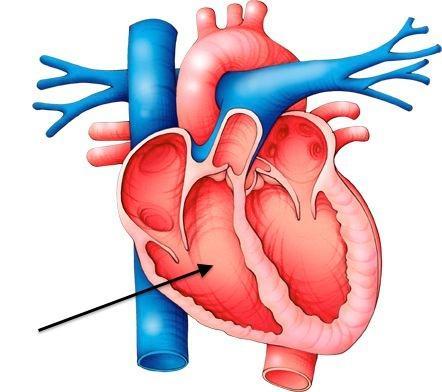
60.
Identify
a)
Left atrium
b)
Right atrium
c)
Left ventricle
d)
Right ventricle
61.
This chamber of the heart RECEIVES blood returning from the body
a)
Right Atrium
b)
Right Ventricle
c)
Left Atrium
d)
Left Ventricle
62.

This chamber of the heart pumps the blood from the heart to the lungs through the pulmonary artery

a)

Right Atrium

b)

Left Atrium

c)

Right Ventricle

d)

Left Ventricle

63.
The lower chambers of the heart are known as...
a)
valves
b)
ventricles
c)
atria
d)
septum
64.
The upper chambers of the heart are known as...
a)
valves
b)
ventricles
c)
atria
d)
septum
65.
What is the name of the circulation between the heart and lungs?
a)
Diastolic
b)
Systemic
c)
Pulmonary
d)
Coronary
66.
What is the function of a valve?
a)
Helps blood to clot
b)
Keeps blood flowing in all directions
c)
Keeps blood flowing in one direction
d)
Stops blood from flowing
67.

THE BREAKDOWN OF FOOD WITH THE HELP OF ENZYMES.

a)

CHEMICAL

b)

MECHANICAL

68.

THIS ORGAN IS NOT A PART OF THE ALIMENTARY CANAL:

a)

STOMACH

b)

LARGE INTESTINE

c)

SMALL INTESTINE

d)

PANCREAS

69.

TAKING FOOD INTO THE MOUTH IS CALLED:

a)

INGESTION

b)

DIGESTION

70.

THE ________________ CLOSES OVER THE TRACHEA & PREVENTS FOOD FROM ENTERING THE WINDPIPE.

a)

EPIGLOTTIS

b)

TRACHEA

c)

TONGUE

71.

THIS ENZYME IS FOUND IN THE MOUTH

a)

PEPSIN

b)

AMYLASE

c)

RENNIN

72.

THIS HELPS TO MOVE FOOD DOWN THE ALIMENTARY CANAL:

a)

PASSIVE MOVEMENT

b)

DIFFUSION

c)

PERISTALSIS

73.

Which is the LONGEST organ of the digestive tract?

a)

small intestine

b)

large intestine

c)

esophagus

d)

pharynx

74.

Which is NOT involved in mechanical digestion?

a)

teeth

b)

stomach

c)

pancreas

d)

tongue

75.

Which is the most acidic location in the alimentary canal?

a)

stomach

b)

small intestine

c)

large intestine

d)

mouth

76.

Removes water from digested material

a)

large intestine

b)

esophagus

c)

liver

d)

stomach

77.
Urine production takes place in the:
a)

nephrons

b)

bladder

c)

ureter

d)

renal pelvis

78.
Which is NOT an organ of the urinary system?
a)
kidney
b)
bladder
c)
ureter
d)
liver
79.
Which kidney structure empties into the ureter?
a)

renal pelvis

b)

calyx

c)

renal papilla

d)

renal pyramid

80.
The _________ is/are responsible for urine storage.
a)

Bladder

b)

Kidneys

c)

Ureter

d)

Urethra

81.
The major organ of the urinary system is the
a)
Gallbladder
b)
Ureter
c)
Kidney
d)
Nephrons
82.
Urine flows out of the kidneys through narrow tubes called
a)
Gallbladder
b)
Ureter
c)
Nephrons
d)
Urethra
83.
What word describes the function of the nephrons?
a)

Tube

b)

Passageway

c)

Filter

d)

Reservoir

84.

In homeostasis, the kidney regulates the:

a)

levels of electrolytes

b)

amount of water in the body

c)

pH

85.

What is the first and outer most layer of the skin?

a)

Dermis

b)

Epidermis

c)

Subcutneous layer

86.
What are the three main layers of the skin?
a)
The epidermis, the dermis, and the subcutaneous
b)
The epidermis, the dermis, and the sebaceous
c)
The dermis, the sebaceous, and the sudoriferous
d)
The sudoriferous, the dermis, and the epidermis
87.
Compared to the heart, the skin is a _____ organ
a)
Deep
b)
Superficial
c)
Proximal
d)
Dorsal
88.
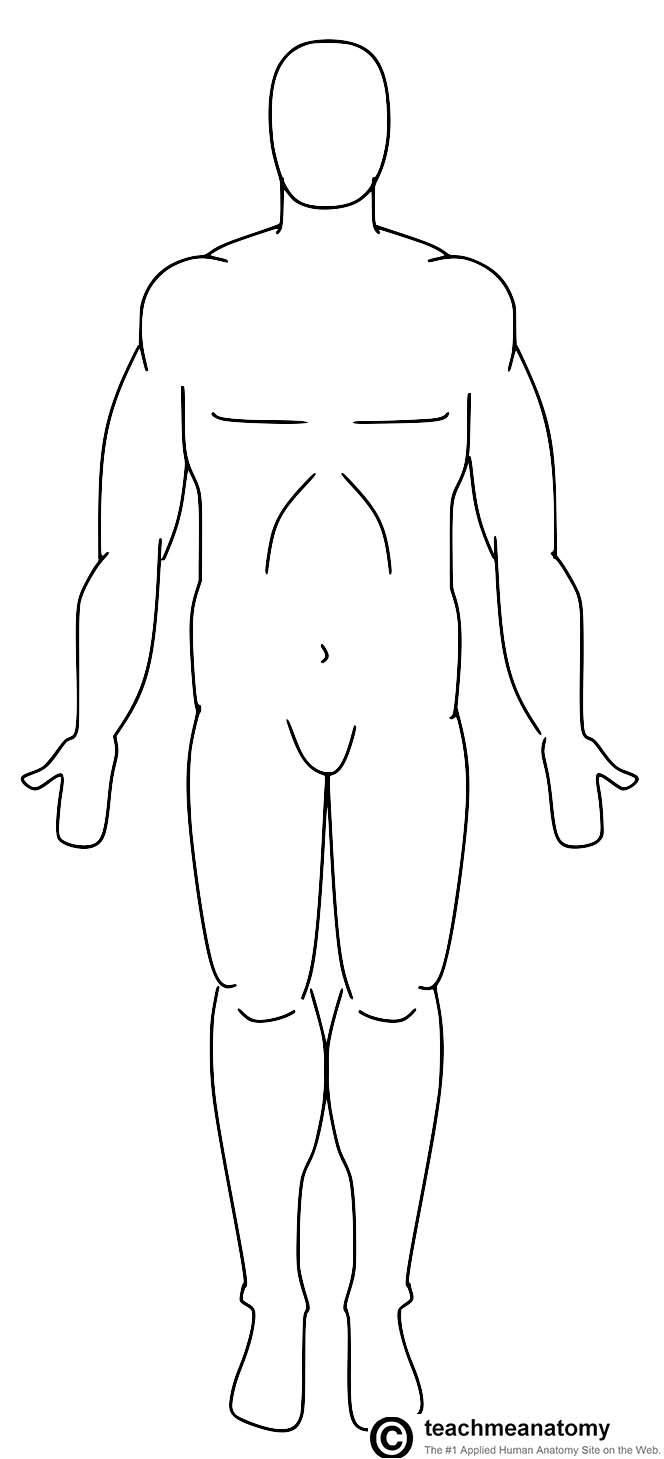
In the anatomical position, the palms are facing-
a)
forward
b)
backward
89.
The head is ______ to the chest.
a)
superior
b)
dorsal
c)
inferior
d)
ventral
90.
The bone is _____ to the skin.
a)
inferior
b)
superficial
c)
deep
d)
posterior
91.
The knee is _______ to the ankle.
a)
proximal
b)
lateral
c)
distal
d)
medial
92.
Divides body into top and bottom portions (superior-head; inferior-feat)
a)
Medial Plane
b)
Sagittal
c)
Proximal 
d)
Transverse Plane
93.

Which anatomical plane divides the body into equal right and left sides?

a)

Transverse

b)

Horizontal

c)

Sagittal

94.

Which anatomical plane divides the body into front and back

a)

frontal/coronal

b)

transverse/horizontal

c)

sagittal plane

d)

none of the above

95.

Microscopic sacs where gas exchange takes place; are called:

a)

alveoli

b)

bronchi

c)

villi

96.
Another name for the throat is called the:
a)
Nasopharynx
b)
Pharynx
c)
Larynx
97.

Which system shares the pharynx with the respiratory system?

a)

circulatory

b)

digestive

c)

excretory

d)

skeletal

98.

When you exhale, the diaphragm

a)

moves upwards

b)

moves downwards

c)

flattens

d)

none of the above

99.
Where are your vocal cords located?
a)
Nose
b)
Lungs
c)
Larynx
d)
Alveoli
100.
Given the following structures:
1. larynx
2. nasal cavity
3. pharynx
4. trachea
Which of the following is the correct order that air would flow during inhalation. 

a)
1,2,3,4
b)
2,3,1,4
c)
2,1,3,4
d)
4,2,3,1