wayground logo

Free Printable Worksheets

Font size

S
M
L
XL
Worksheets

Biology Final Review

Total questions: 83

Worksheet time: 51mins

Name
Class
Date
1.
Which organelle assembles proteins?
a)
Chloroplast
b)
Ribosome
c)
Nucleus
d)
Mitochondrion
2.
Proteins are long chains composed of ________.
a)
Amino Acids
b)
Fatty Acids
c)
Nucleic Acids
d)
Hydrochloric Acids
3.
What do we call the physical trait that an organism exhibits?
a)
Phenotype
b)
Genotype
c)
Allele
d)
Recessive
4.
When an red flower and a white flower are crossed and the offspring are pink flowers... 
a)
Codominance
b)
Epistasis
c)
Intollerance
d)
Incomplete Dominance
5.
What is the genotype for an individual that is homozygous dominant?
a)
AA
b)
Aa
c)
aA
d)
aa
6.
A structure that no longer serves a purpose in the current organism, but may have had a purpose in an ancestor (Example: human tailbone).
a)
Homologous Structure
b)
Analogous Structure
c)
Vestigial Structure
d)
Complex Structure
7.
An organism that can collect energy from the sun and use it to make food/energy.
a)
Heterotroph
b)
Decomposer
c)
Autotroph
d)
Consumer
8.
A collection of all of the organisms of the same species living in the same area.
a)
Community
b)
Population
c)
Ecosystem
d)
Biosphere
9.
This organelle maintains homeostasis for the cell, by choosing which particles can enter or exit the cell.
a)
Nucleus
b)
Mitochondrion
c)
Cell Membrane
d)
Chloroplast
10.
Which items are created during Cellular Respiration?
a)
Water and CO2
b)
Glucose and Oxygen
c)
Alcohol and CO2
d)
Lactic Acid
11.
Which is NOT true of MEIOSIS?
a)
Produces two cells
b)
Allows for genetic recombination
c)
Produces gametes
d)
Includes crossing over
12.
If the diploid number of an organism is 36, how many chromosomes are found in a gamete?
a)
36
b)
72
c)
18
d)
Not enough information
13.
Which process creates an identical copy of DNA?
a)
Mutation
b)
Replication
c)
Transcription
d)
Translation
14.
Transcribe this sequence:  ACTGTTC
a)
UGACAAG
b)
TGACAAG
c)
TGUCUUG
d)
AGUCUUG
15.
In a cross of two heterozygous parents, what proportion of the offspring will also be heterozygous?
a)
50%
b)
100%
c)
0%
d)
75%
16.
Which of the following DOES NOT require cell division?
a)
Growth
b)
Hunger
c)
Reproduction
d)
Cell repair
17.
Which is NOT a characteristic of all living things?
a)
Sleep
b)
Cells
c)
Reproduction
d)
Grow
18.
As you go to higher trophic levels....
a)
Amount of energy available decreases
b)
Amount of biomass increases
c)
Number of organisms increases
d)
Size of organisms decreases
19.
SPEED QUESTION!! Organisms that CANNOT make their own food.
a)
Autotrophs
b)
Heterotrophs
c)
Producers
d)
Prokaryotes
20.
SPEED QUESTION!!  The process of sunlight being used to make glucose.
a)
Respiration
b)
Photosynthesis
c)
Chemosynthesis
d)
Replication
21.
What do you call a change in an organism's DNA?
a)
Replication
b)
Mutation
c)
Codon
d)
Phenotype
22.

Have one X chromosome and one Y chromosome

a)

males

b)

females

23.
The cell process shown above is known as
a)
Photosynthesis
b)
Fermentation
c)
Dehydration synthesis
d)
Aerobic Respiration
24.
The cell pictured above most likely came from which of the following organisms? 
a)
Fungus
b)
Bacterium
c)
Human
d)
Plant
25.
The energy pyramid below shows a possible amount of energy, in kilocalories, available in the organisms at each trophic level in an ecosystem.
According to the law of conservation of energy, energy can neither be created nor destroyed. If this is true, why is there less energy in the top of the energy pyramid than there is in the bottom of the energy pyramid? 
a)
Energy is lost between each trophic level as heat.
b)
The extra energy in the bottom is slower to reach the top.
c)
Organisms in the top of the energy pyramid use up energy the fastest.
d)
The law of conservation of energy does not apply to ecosystems.
26.
The diagram below illustrates the relationships between organisms in an ecosystem.             
Which change would most likely reduce the population of the carnivorous fish?
a)
An increase in the autotroph populations
b)
A decrease in the duck population
c)
An increase in the raccoon population
d)
A decrease in pathogens of carnivorous fish
27.
A codon is a set of three nucleotides that correspond to a specific amino acid. The table below shows various DNA codons and their corresponding amino acids. (I will give this to you during the test, look online for now)
In the DNA strand shown, two nucleotides were reversed during replication.
What will happen when the replicated DNA strand is translated into proteins? 
a)
No proteins will be formed at all. 
b)
Nothing will happen. 
c)
Tyrosine will be formed instead of isoleucine. 
d)
The same protein, isoleucine, will be formed. 
28.
The shaded box on the right represents a cell with a semi-permeable membrane. The small dots represent molecules of water, and the larger dots represent a solute such as sugar or salt. The membrane is thin enough for water to pass through, but it is not thin enough for the solute to pass.  What will happen to the substances in this diagram to bring the concentrations closer to equilibrium? 
a)
Nothing will change--it is already in equilibrium
b)
The solute will flow into the cell from the surrounding environment.
c)
Water will flow into the cell from the surrounding environment.
d)
Water will flow out of the cell and into the surrounding environment.
29.
Having two of the same genes for the trait (TT, tt); Both dominant or both recessive.
a)
homozygous or purebred
b)
heterozygous or hybrid
c)
twin offspring
d)
pairs of chromosomes
30.
This type of inheritance pattern shows BOTH traits in possible offspring
a)
complete dominance
b)
incomplete dominance
c)
co-dominance
d)
dominant pattern
31.
Which process and type of resulting cells are represented?
a)
mitosis, gametes
b)
mitosis, body cells
c)
meiosis, gametes
d)
meiosis, body cells
32.
Which statement correctly describes meiosis?
a)
cells divide only once
b)
meiosis does not occur in reproductive cells
c)
the cells produced at the end of meiosis are genetically identical to the parent cell
d)
The cells produced at the end of meiosis contain half the number of chromosomes as the parent cell
33.
Which best describes the process shown?
a)
mutation in which the DNA content of the gene is ltered
b)
segregation of sister chromatids
c)
condensation and segregation of the alleles
d)
crossing-over which alleles are exchanged
34.
What is structure C?
a)
Substrate
b)
Active site
c)
Enzyme
d)
Products
35.

Cells that contain a nucleus and other membrane bound organelles are called:

a)

Prokaryotic

b)

Eukaryotic

c)

Simple

d)

Bacteria

36.

Eukaryotic cells all have MITOCHONDRIA. What is the function?

a)

To create proteins for the cell

b)

To clean out cell waste

c)

To generate energy from glucose

d)

To store DNA

37.

A type of cell has a nucleus, lysosomes, cell membrane & chloroplast. The type of cell is:

a)

Animal Cell

b)

Plant Cell

c)

Bacteria

d)

All of the above

e)

None of the Above

38.

Select all cell organelles that are found ONLY in plant cells.

a)

Cell Wall

b)

Central Vacuole

c)

Cell Membrane

d)

Chloroplast

e)

Golgi Apparatus

39.

A cell has a cell wall, ribosomes, but NO nucleus. What type of cell is it?

a)

Plant Cell

b)

Bacteria Cell

c)

Animal Cell

40.

What cell organelle is responsible for synthesizing proteins?

a)

Nucleus

b)

Ribosome

c)

Flagella

d)

Mitochondria

41.

Which nitrogen base pairs up with Thymine in a DNA molecule?

a)

Guanine

b)

Adenine

c)

Cytosine

d)

Adrenaline

42.

What is the complementary strand of the DNA sequence ATA GCC AGC AAG? (Include spaces)

(a)  

43.

Which nitrogen base in found only in mRNA?

a)

Thymine

b)

Lysine

c)

Uracil

d)

Cytosine

44.

Every 3 nucleotides codes for an

a)

Codon

b)

Amino Acid

c)

Protein

d)

Polypeptide

45.

The building blocks of proteins are...

(a)  

46.

If light intensity increases, ________ increases

a)

cellular respiration

b)

fermentation

c)

carbon cycle

d)

photosynthesis

47.

Due to the greenhouse effect, atmospheric gases are ____ around the earth, causing it to heat up

a)

released

b)

trapped

c)

shrinking

d)

expanding

48.
What are the traits that an organism develops to help them survive in their environment?
a)
Accomodation
b)
Adaptaion
c)
Fossilization
d)
Variation
49.
Adenine, Thymine, Guanine, and Cytosine are all...
a)
Nitrogen bases
b)
Phosphate groups
c)
Deoxyribose sugar
d)
Hydrogen bonds
50.
Which of the following is "super-condensed DNA"?
a)
Centromere
b)
Chromatid
c)
Chromosome
d)
Chromatin
51.
What is the function of ATP?
a)
Stores energy for cell use
b)
Carries hydrogen
c)
Releases oxygen
d)
Absorbs carbon dioxide
52.
CO+ H2O --> C6H12O6 + O2
 
represents which process?
a)
Cellular Respiration
b)
Light reaction
c)
Calvin Cycle
d)
Photosynthesis
53.
C6H12O6 + O2 --> CO+ H2
 
represents which process?
a)
Cellular Respiration
b)
Light reaction
c)
Calvin Cycle
d)
Photosynthesis
54.
Which type of respiration produces the most energy from one molecule of glucose?
a)
Aerobic respiration
b)
Anaerobic respiration
c)
Fermentation
d)
Photosynthesis
55.
Which phase of mitosis is highlighted?
a)
Prophase
b)
Metaphase
c)
Anaphase
d)
Telophase
56.
Which phase of mitosis is highlighted?
a)
Metaphase
b)
Anaphase
c)
Prophase
d)
Telophase
57.
Which phase of mitosis is highlighted?
a)
Prophase
b)
Anaphase
c)
Telophase
d)
Metaphase
58.

When you step out into the cold, your body shivers in order to keep its temperature at 98.6F.

a)

All living things use energy

b)

All living things contain cells

c)

All living things respond to their environment (stimuli)

d)

All living things grow

59.
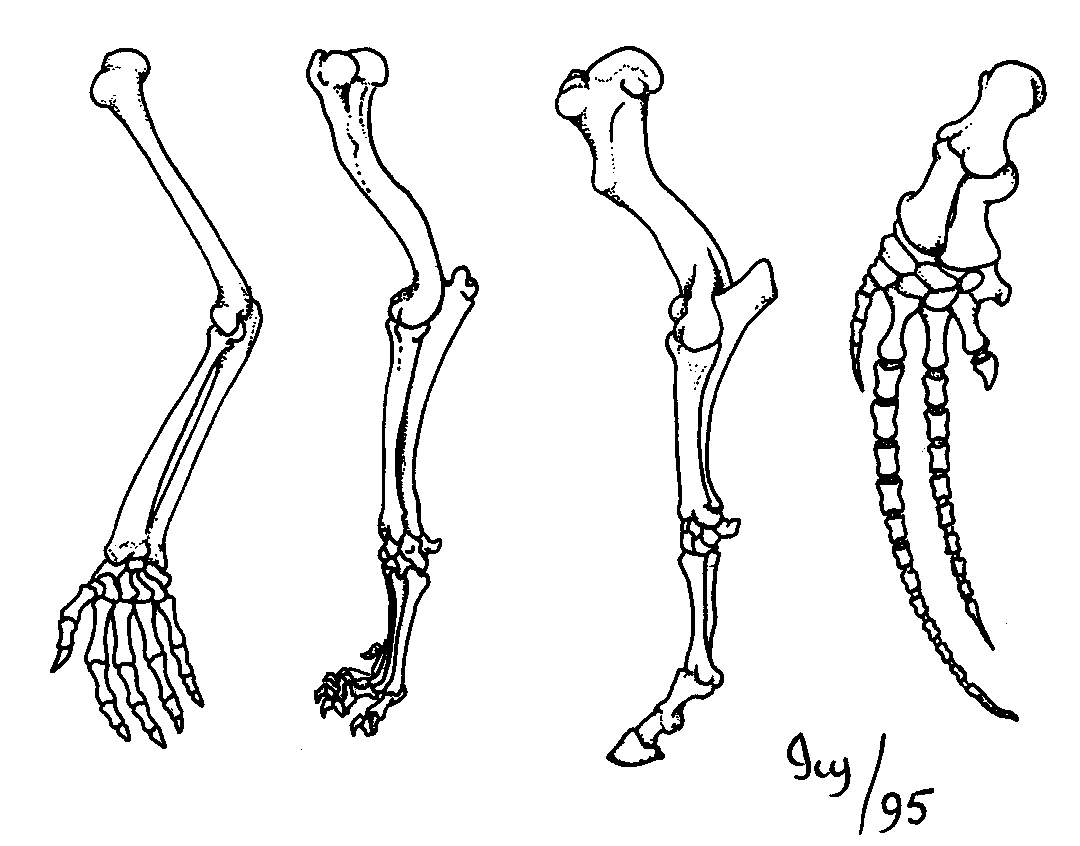
Structures with the same parts have different functions; suggests that organisms share a common ancestry
a)
vestigial structures
b)
homologous structures
c)
adaptive radiation
d)
fossil
60.
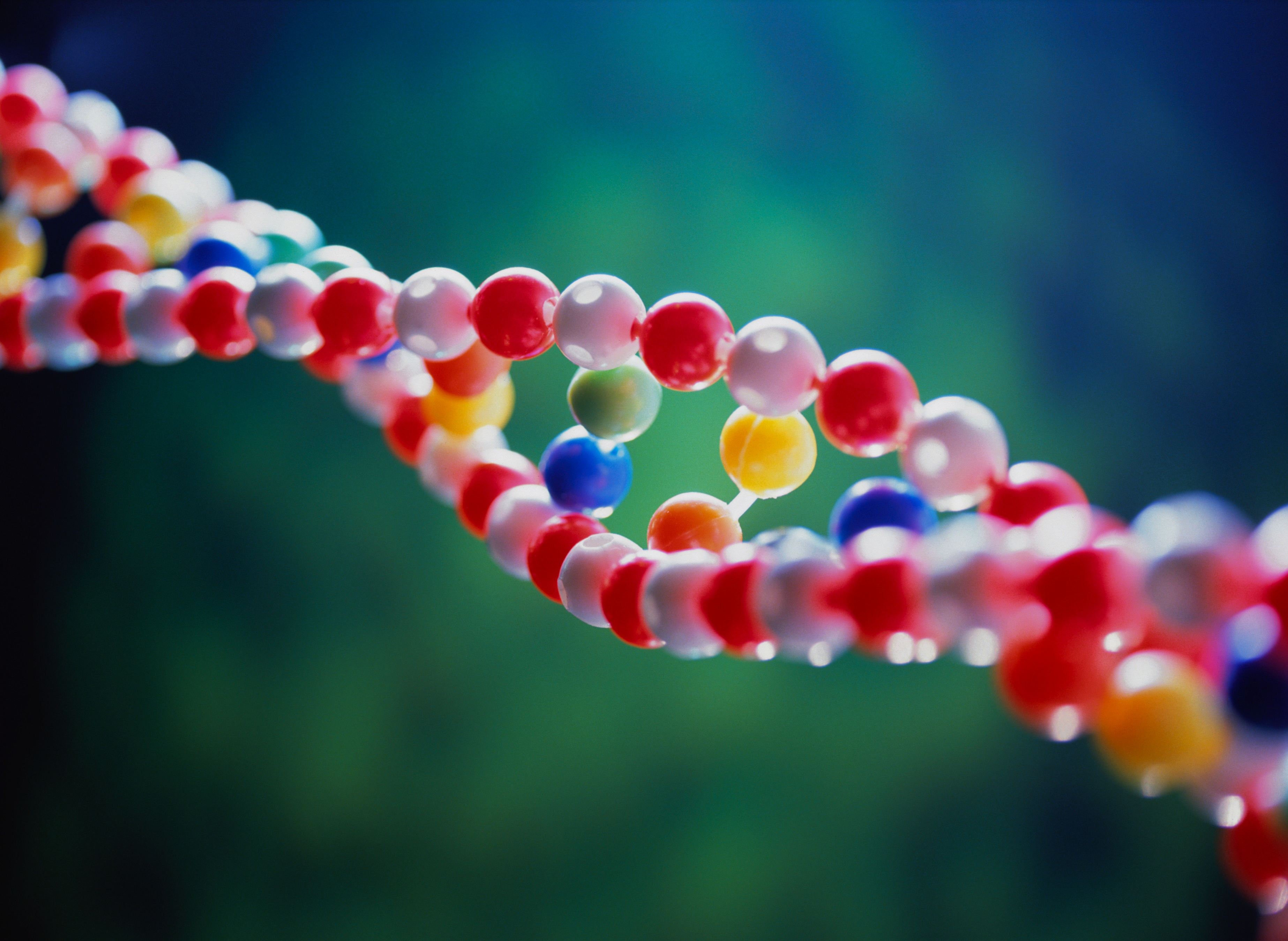
Why is DNA important?
a)
it is very small and very complicated
b)
it's in everything
c)
it serves as the blueprint for traits of all living things
d)
because we eat it every day for energy
61.

Which of the following statements is correct?

a)

DNA and RNA must stay inside the cell nucleus.

b)

DNA stays in the cell nucleus and RNA can leave the nucleus.

c)

RNA stays in the cell nucleus and DNA can leave the nucleus.

d)

DNA and RNA can go into and out of the cell nucleus.

62.

DNA replication results in two DNA molecules,

a)

each one with two original strands.

b)

each one with two new strands.

c)

each one with one new strand and one original strand.

d)

one with two new strands and the other with two original strands.

63.

What process synthesizes mRNA from DNA?

a)

Translation

b)

Transcription

c)

DNA Replication

64.

What is the main function of a tRNA molecule?

a)

It carries the instructions to make proteins

b)

It forms part of the ribosomes

c)

It strings together complementary RNA and DNA strands

d)

It brings amino acids from the cytoplasm to the ribosomes
65.

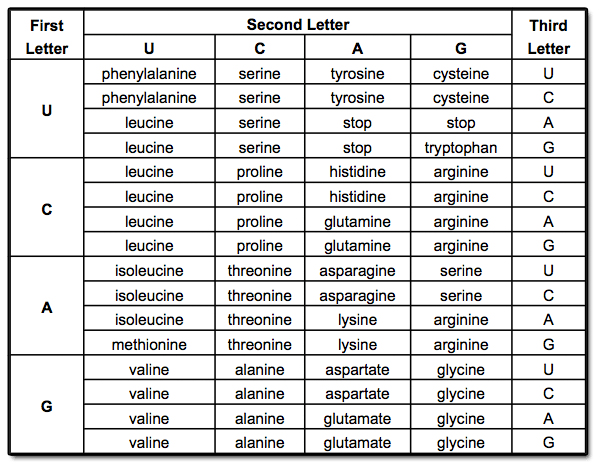
What amino acid is represented by the codon UUA?

a)

Phenylalanine

b)

Tyrosine

c)

Leucine

d)

Stop codon

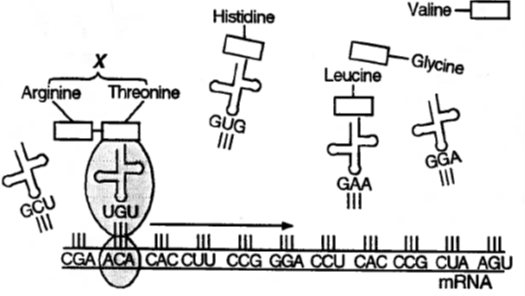
66.

What process is going on in this photo?

a)

Transcription

b)

Translation

c)

DNA Replication

d)

All the above

67.
Which of the following is another word for a plant?
a)
autotroph
b)
heterotroph
c)
consumer
68.

Which of the following statements account for the change in population seen between years 7 and 8?

a)

The birth rate of the pigeons increased.

b)

The emigration rate of the pigeons decreased.

c)

The death rate of the pigeons exceeded the birth rate.

d)

The neighborhood reached its carrying capacity for the pigeon population

69.

A new species of snake was introduced to a tropical region. Scientists then noticed a steady decline in the presence of field mice and an increase in the number of snakes. Which of these is the most likely explanation about why the population size of each animal changed?

a)

The snakes introduced to the region dominated the habitat, forcing the mice to find another place to live.

b)

The mice became prey to the introduced snakes, allowing the snake population to increase but decreasing the mice population.

c)

The snakes introduced to the region competed with the mice for food, allowing the snake population to increase but decreasing the mice population.

d)

The people in the surrounding area set traps that killed the mice, allowing the snakes to live without any predators and therefore to increase in number.

70.

Each step in a food chain is called a trophic level. What percentage of energy available at one trophic level is transferred to organisms at the next level?

a)

about 2 percent

b)

about 10 percent

c)

about 25 percent

d)

about 50 percent

71.

Which of the following is the subtrate?

a)

A, only

b)

E, only

c)

A and E

d)

B,C,D

72.

Which of the following is the enzyme?

a)

A, only

b)

E, only

c)

A and E

d)

B,C,D

73.

Figure shows an illustration to describe the ‘lock and key’ hypothesis in the enzyme reaction.Which of the followings to represent P, Q and R

a)

P-Substrate, Q- Product, R-Enzyme

b)

P-Enzyme, Q- Substrate, R-Product

c)

P-Substrate, Q- Enzyme, R-Product

d)

P-Product, Q- Enzyme, R-Substrate

74.
What is the activation energy?
a)
The energy of the products
b)
The energy of the reactants
c)
The minimum energy needed by the reactants to form the products.
d)
The energy lost in the reaction
75.
Males are more likely to suffer from a sex-linked disease or disorder because
a)
males are the weaker sex
b)
males have less DNA
c)
males have 1 X chromosome, so the disorder is more likely to be expressed
76.
If a gene is found only on the X chromosome and not the Y chromosome, it is said to be 
a)
sex-linked trait
b)
polygenic trait
c)
codominant trait
d)
incomplete dominance trait
77.
What are the 4 most abundant elements in living things?
a)
hydrogen, oxygen, nitrogen, carbon
b)
hydrogen, helium, oxygen, carbon
c)
carbon, manganese, iron, hydrogen
78.
The element _______is found in all of the organic compounds.
a)
Iron
b)
Nitrogen
c)
Carbon
d)
Oxygen
79.
Another word for a building block is a __________________.
a)
polymer
b)
monomer
c)
dimer
80.
A biological molecule is analyzed, and it is discovered that the molecule is composed of several amino acids. Which of these identifies the biological molecule?
a)
it is a lipid
b)
it is a protein
c)
it is an unsaturated fat
d)
it is a  monosaccharide
81.
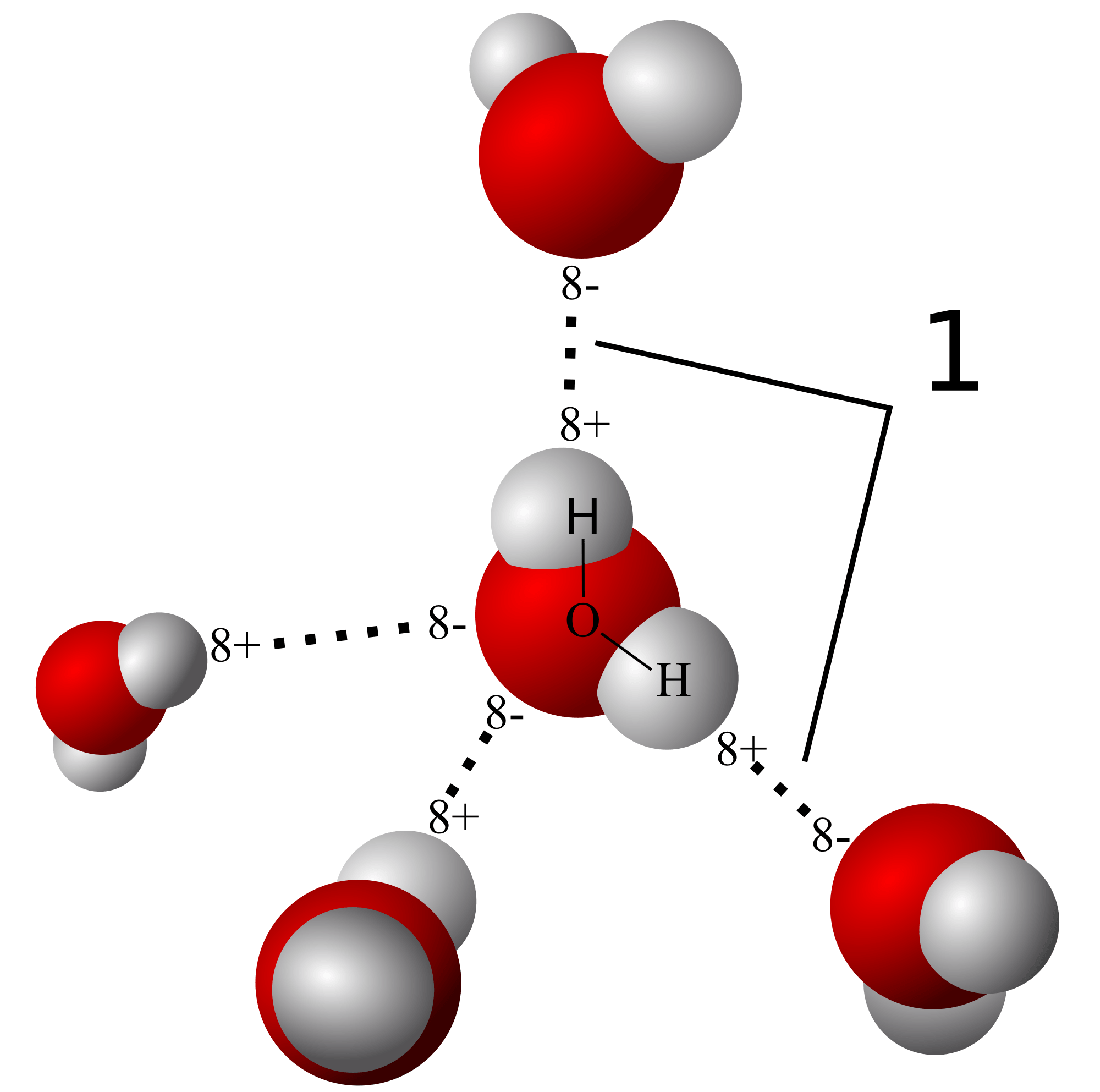
Attractions between water molecules are called
a)
Covalent bonds
b)
Ionic bonds
c)
Polar bonds
d)
Hydrogen bonds
82.
Which is NOT a unique property of water?
a)
Frozen water floats on liquid water.
b)
Water covers most of the Earth’s surface and retains a large amount of heat.
c)
Water molecules stick to each other through hydrogen bonds.
d)
Water cools very rapidly.
83.

Albert’s squirrel and the Kaibab squirrel are distinct subspecies that live on opposite sides of the Grand Canyon. They were once one species, but now differ significantly, including fur coloring.

a)

Geographic isolation

b)

Behavioral isolation

c)

Temporal isolation