wayground logo

Free Printable Worksheets

Font size

S
M
L
XL
Worksheets

2021-2022 Final Review

Total questions: 161

Worksheet time: 2hrs 9mins

Name
Class
Date
1.
how many meters are in 1 kilometer?
a)
10 m
b)
100 m
c)
1,000 m
d)
10,000 m
2.

19 ml = _______ cl

a)

1.9 cl

b)

19 cl

c)

190 cl

d)

0.19 cl

3.
Convert 300 meters to centimeters:
a)
3000 cm
b)
0.3 cm
c)
30,000 cm
d)
3 cn
4.
Convert 8 kilometers to meters
a)
800 m
b)
80,000 m
c)
8,000 m
d)
.008 m
5.
1000 grams = _____ kilograms
a)
0.0001
b)
1,000,000
c)
10
d)
1
6.
7,000 g = ____ kg
a)
70
b)
700
c)
7
d)
0.07
7.

The width of your pinky is about a _______

a)

kilometer

b)

Meter

c)

Centimeter

d)

millimeter

8.

The amount of water in a large water bottle is about a _______

a)

milliliter

b)

Liter

c)

gram

d)

kilogram

9.

A textbook weighs about a _________

a)

gram

b)

kilogram

c)

milliliter

d)

Liter

10.

A paper clip weighs about a _________

a)

gram

b)

kilogram

c)

milliliter

d)

Liter

11.
A series of steps used by scientists to solve a problem or answer a question. 
a)
scientific method
b)
recipe
c)
data collection
d)
metric system
12.
A testable explanation to a problem that has not yet been tested. 
a)
data
b)
theory
c)
hypothesis
d)
fact
13.
This variable in an experiment is the one being changed by the scientist. 
a)
dependent variable
b)
independent variable
c)
data
d)
control group
14.
Testing a hypothesis often involves a(n):
a)
answer
b)
experiment
c)
problem
d)
safety check
15.
The summary at the end of an experiment that explains the results. 
a)
conclusion
b)
procedures
c)
materials
d)
responding variable
16.
The name of the information that you get from your experiment (you organize it into charts and graphs).
a)
observations
conclusion
b)
data
c)
variables
d)
hypothesis
17.
Dependent variable means
a)
the scientist controls what to test
b)
educated guess
c)
ask a question
d)
what is being measured
18.
If you increase the amount of spinach you eat, then you will increase the iron in your blood. 
What's the dependent variable?
a)
increase the amount of iron in your blood
b)
spinach you eat
19.
If I ride my bike to school instead of walking, then I will get to school faster. What is the dependent variable?
a)
True
b)
How fast you get to school
c)
Riding a bike or walking
d)
False
20.
Will a construction paper air plane fly faster than an airplane made from notebook paper? Choose the best hypothesis.
a)
If I make a paper airplane from notebook paper, then it will fly faster than construction paper.
b)
Yes.
c)
No.
d)
I think the construction paper air plane will fly faster.
21.
Which side of a penny will hold more drops of water? Choose the best hypothesis.
a)
If I use the heads side of a penny, then it will hold more drops of water than tails.
b)
Heads
c)
Tails
d)
Tails will hold more drops of water.
22.
If I study for my scientific method test, then I will have a better test score. What is the dependent variable?
a)
Scientific Method
b)
Studying
c)
Independent variable
d)
Test score
23.

If I listen to Ms. Ireson's instructions, then I will have less accidents in the lab. What is the independent variable?

a)

Yes

b)

Maybe

c)

Listening or not listening to instructions

d)

Likelihood of having an accident in lab

24.
If I read this question carefully, then I will answer it correctly. What is the independent variable?
a)
I hope so
b)
Yes
c)
Reading or not reading carefully
d)
Likelihood of a correct answer
25.
You will want your experiment to have ____ independent variable(s) in it for the experiment to be valid.
a)
1
b)
2
c)
3
d)
4
26.
What is a factor that the experimenter has full control over and changes to see what happens?
a)
Dependent Variable
b)
Independent Variable
c)
Control group 
d)
Hypothesis
27.
What is a factor that changes because of what the experimenter does?
a)
Dependent Variable
b)
Independent Variable
c)
Control Group
d)
Hypothesis
28.

What is a factor that the experimenter keeps the same?

a)

Dependent Variable

b)

Independent Variable

c)

Control

d)

Hypothesis

29.

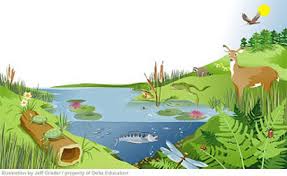
A system comprising all the biotic and abiotic factors in an area and all the interactions among them

a)

Producer

b)

Resource

c)

Dependant Interaction

d)

Ecosystem

30.

An organism that can make its own food.

a)

Producer

b)

Resource

c)

Dependant Interaction

d)

Ecosystem

31.

When more than one individual or population in an ecosystem relies on the same limited resources

a)

Competition

b)

Limited Resource

c)

Niche

d)

Dependant Interaction

32.

A self-contained living thing

a)

Ecosystem

b)

Biotic Factor

c)

Organism

d)

Population

33.

A living thing that affects the ecosystem

a)

Ecosystem

b)

Biotic Factor

c)

Organism

d)

Population

34.

A nonliving thing that affects the ecosystem

a)

Abiotic Factor

b)

Resource

c)

Producer

d)

Mutualism

35.

A relationship between two species in which both species benefit

a)

Abiotic Factor

b)

Resource

c)

Producer

d)

Mutualism

36.

A source or supply that benefits organisms

a)

Abiotic Factor

b)

Resource

c)

Producer

d)

Mutualism

37.

An animal that eats primary consumers (primary consumers are animals that eat plants)

a)

Niche

b)

Secondary consumer

c)

Producer

d)

Primary consumer

38.

An organism that gets its energy by feeding on producers in the food chain

a)

Niche

b)

Secondary consumer

c)

Producer

d)

Primary consumer

39.

Living things or thinks that used to be alive...

a)

biotic

b)

abiotic

c)

antibiotic

40.

All the different populations living together in a specific area/region at a certain time.

a)

population

b)

community

c)

ecosystem

d)

biome

41.

Bacteria, fungi, and earthworms are examples of:

a)

scavengers

b)

carnivores

c)

decomposers

42.

All energy on Earth comes from what source?

a)

Water

b)

Sun

c)

The soil

d)

Oxygen

43.

All of the living AND non-living things together in an particular area is called a(n):

a)

ecosystem

b)

biome

c)

community

d)

population

44.

Vultures, which feed on the remains of dead organisms, are best described as _____________.

a)

primary consumers

b)

scavengers

c)

omnivores

d)

herbivores

45.
__________ is an organism that only eats plants for energy.
a)
Carnivore
b)
Herbivore
c)
Omnivore
d)
Terivore
46.
__________ is an organism that only eats meat for energy.
a)
Omnivore
b)
Borivore
c)
Herbivore
d)
Carnivore
47.

Producer or consumer?

a)

Producer

b)

Consumer

48.

Producer or consumer?

a)

Producer

b)

Consumer

49.

Where do consumers get energy?

a)

The sun

b)

The water

c)

Eating other organisms

d)

Eating dirt

50.
What is commensalism?
a)
Symbiotic relationship where one organism benefits while the other is harmed
b)
Symbiotic relationship where one organism benefits while the other is neither helped nor harmed
c)
Symbiotic relationship where both organisms benefit
d)
Symbiotic relationship where both organisms are harmed
51.
What is parasitism?
a)
Symbiotic relationship where one organism benefits while the other is harmed
b)
Symbiotic relationship where one organism benefits while the other is neither helped nor harmed
c)
Symbiotic relationship where both organisms benefit
d)
Symbiotic relationship where both organisms are harmed
52.
What is mutualism?
a)
Symbiotic relationship where one organism benefits while the other is harmed
b)
Symbiotic relationship where one organism benefits while the other is neither helped nor harmed
c)
Symbiotic relationship where both organisms benefit
d)
Symbiotic relationship where both organisms are harmed
53.
What is symbiosis?
a)
A relationship where two organism live closely together
b)
Where two organism avoid each other completely 
c)
Where two organisms play cymbals together
d)
Where two organisms fight for food
54.
a relationship between two in which one species, the predator, feeds on the other species, the prey
a)
chemosynthesis
b)
predation
c)
cellular respiration 
d)
commensalism
55.
Water temperature would be an example of ...
a)
A biotic factor
b)
An abiotic factor
56.
Cattle egrets forage (feed) in fields among cattle. The egret gets easy access to flying insects stirred up by the cattle, and the cattle don't care if they are there or not.
a)
mutualism
b)
commensalism
c)
competition
d)
parasitism
57.
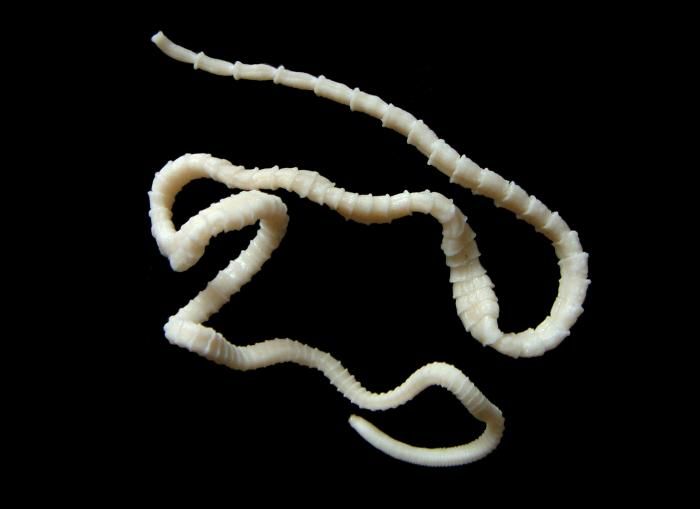
A tapeworm and a cat have this type of relationship.
a)
mutualism
b)
parasitism
c)
commensalism
d)
competition
58.
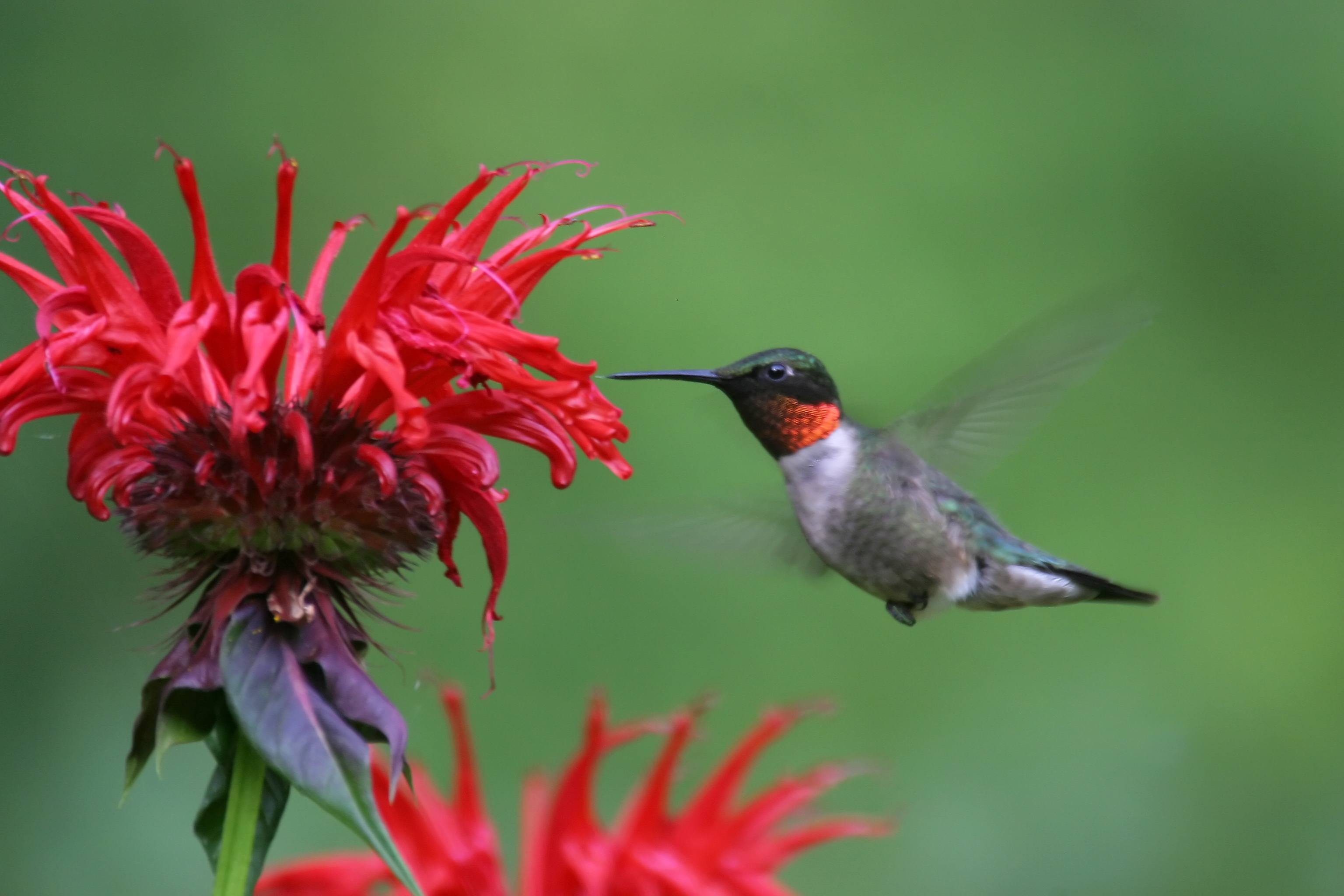
What type of symbiosis?  Hummingbirds feed on nectar from flowers.  The flowers are pollinated by hummingbirds as they move from flower to flower.
a)
commensalism
b)
mutualism
c)
parasitism
d)
predation
59.

What is competition?

a)

Organisms sharing resources.

b)

Organisms fighting for resources.

c)

Organisms producing resources.

60.
Plants compete for air, water, ________ within ecosystems.
a)
space, and sound
b)
sunlight, and wind
c)
space, and sunlight
61.

Two male deer fight over a female. This is an example of

a)

Symbiosis

b)

intraspecific competition

c)

predation

d)

interspecific competition

62.

Deer and elk both graze in a meadow. This is an example of

a)

mutualism

b)

intraspecific competition

c)

predator-prey relationship

d)

interspecific competition

63.

A large piece of the earth's crust that moves slowly across the earth's surface is called a

a)

tectonic plate.

b)

plate boundary.

c)

convergent plate boundary.

d)

divergent plate boundary.

e)

transform plate boundary.

64.

A place where two tectonic plates touch each other is a

a)

tectonic plate.

b)

plate boundary.

c)

convergent plate boundary.

d)

divergent plate boundary.

e)

transform plate boundary.

65.

When two tectonic plates are colliding, they have a

a)

tectonic plate.

b)

plate boundary.

c)

convergent plate boundary.

d)

divergent plate boundary.

e)

transform plate boundary.

66.

The process of one tectonic plate sinking beneath the other in at a convergent boundary is called

a)

subduction.

b)

a volcanic island arc.

c)

seafloor spreading.

d)

a rift valley.

e)

a hot spot.

67.

A volcano that is not near a plate boundaries is a result of ____________, where a plume in the mantle melts the crust above.

a)

new seafloor

b)

a volcanic island arc

c)

a rift valley.

d)

a hot spot.

e)

a new tectonic plate

68.

The outermost layer of the earth is

a)

the crust.

b)

the mantle.

c)

a magma chamber.

d)

a shield volcano.

e)

a stratovolcano.

69.

___________ has broad gently sloping sides formed by lava flows.

a)

The crust

b)

The mantle

c)

A magma chamber

d)

A shield volcano

e)

A stratovolcano

70.

A pocket of molten rock below the surface is called __________

a)

weathering.

b)

erosion.

c)

a magma chamber.

d)

lahar

e)

the crust.

71.

___________ is a steep, conical volcano formed by more explosive magma.

a)

The crust

b)

The mantle

c)

A magma chamber

d)

A shield volcano

e)

A stratovolcano

72.

The process of rocks are breaking into smaller pieces, caused by water, wind, ice, etc, is called

a)

weathering.

b)

erosion.

c)

a magma chamber.

d)

lahar

e)

the crust.

73.

___________, caused by water and wind, is the transportation of rock pieces to new locations.

a)

Weathering

b)

Erosion

c)

A magma chamber

d)

A lahar

e)

The crust

74.

___________ occurs when layers of sediments are deposited on top of one another. Over time, the weight of the layers turns the sediments into solid rock.

a)

Deposition

b)

Lava

c)

Ash

d)

A lahar

e)

Pyroclastic flow

75.

___________ is what molten rock is called when it is on the surface of the earth

a)

Deposition

b)

Lava

c)

Ash

d)

A lahar

e)

Pyroclastic flow

76.

When a volcanic eruption is explosive, the lava is spewed into the air in tiny droplets that solidify into __________.

a)

deposition

b)

lava

c)

ash

d)

a lahar

e)

pyroclastic flow

77.
A rock formed from fragments of other rocks is a(n)
a)
Metamorphic Rock
b)
Sedimentary Rock
c)
Extrusive Rock
d)
Igneous Rock
78.
What are the 3 major types of rocks?
a)
Igneous, Metamorphic, Sedimentary
b)
Metamorphic, Igneous, Cementation
c)
magma, lava, crystals
79.

Any rock that forms from another rock as a result of changes in heat or pressure (or both) is a:

a)

chemical rock

b)

igneous rock

c)

sedimentary rock

d)

metamorphic rock

80.

This is the continuous process of rock changing from one type to another.

a)

Igneous rocks

b)

Sedimentary rocks

c)

Metamorphic rocks

d)

Rock Cycle

81.
The three groups of rocks are classified by
a)
How they form
b)
Color
c)
Grain size
d)
Chemical Composition
82.
A volcano that has gentle sloping sides and is formed from runny lava
a)
Shield volcano
b)
Cinder cone
c)
Composite
d)
None of these
83.
What is molten rock that has formed deep within the Earth?
a)
Hot Spot
b)
Magma
c)
Lava
d)
Volcano
84.
What type of volcano is made of lava fragments that have been ejected from a volcanic vent?
a)
Caldera
b)
Cinder Cone
c)
Composite Volcano
d)
Shield Volcano
85.
A non-explosive eruption with low viscosity magma and low gas content. VEI 0-1.
a)
Plinian
b)
Volcanian
c)
Strombolian
d)
Hawaiian
86.
High gas content in very viscous lava. Produces a lot of ash and tephra, freqent pyroclastic flows, sometimes calderas. VEI 4-6.
a)
Plinian
b)
Volcanian
c)
Strombolian
d)
Hawaiian
87.
Volcano erupts regularly or at least once in the last 10,000 years.
a)
Active
b)
Extinct
c)
Dormant
d)
Sleeping
88.
Volcano has not erupted for at least 10,000 years and no longer has a magma supply.
a)
Active
b)
Extinct
c)
Dormant
d)
Sleeping
89.
rock fragments and particles ejected by a volcanic eruption
a)
tephra
b)
viscosity
c)
volcanic explosivity index
d)
caldera
90.
a measure of how easily a liquid flows
a)
tephra
b)
viscosity
c)
volcanic explosivity index
d)
caldera
91.
a scale, from 0 to 8, used to measure the explosiveness of volcanic eruptions
a)
tephra
b)
viscosity
c)
volcanic explosivity index
d)
caldera
92.
mudflow carrying volcanic material down the slopes of a volcano
a)
lahar
b)
landslide
c)
pyroclastic flow
d)
lava bomb
e)
lava field
93.
high density mix of hot lava, ash and gasses ejected explosively from a volcano that moves at high speeds across the land
a)
lahar
b)
landslide
c)
pyroclastic flow
d)
lava bomb
e)
lava field
94.

VEI stands for

a)

Volcanic Eruption Index

b)

Volcanic Eruption Indicator

c)

Volcanic Explosivity Index

d)

Violently Extruded Igneous

95.
Scientist keep a close watch on volcanoes. How is this helpful in protecting people from volcanoes?
a)
They use the data collected to learn how eruptions work so they can prevent all deaths & property damage due to lava & ash.
b)
Scientist monitor active volcanoes so that they can relieve the pressure in them before the volcano is forced to erupt.
c)
They monitor active volcanoes for signs that the volcano is going to erupt in order to evacuate threatened areas in time.
d)
They use the data to learn how volcanoes work so that they can prevent or delay eruptions.
96.

What are ways for scientist to predict volcanic activity and give people time to evacuate?

a)

studying landforms and geologic deposits

b)

monitoring seismic activity

c)

land deformation

d)

rock core sample

97.

Which of the following show that a volcano is becoming active?

a)

earthquakes

b)

igneous rock present

c)

decreasing amounts of sulfur dioxide gas

d)

the surface of the volcano is changing shape

98.

Danger posed by an volcano is higher when

a)

the population of people living nearby is larger.

b)

the volcano is a shield volcano.

c)

the volcano becomes dormant.

d)

the gas content of the lava is greater.

99.

Seismographs are used to measure

a)

temperature of the surface of the earth.

b)

change in shape of the surface of the earth.

c)

ground vibration.

d)

volume of gasses released.

100.

GPS receivers are used by volcanologists to measure

a)

temperature of the surface of the earth.

b)

change in shape of the surface of the earth.

c)

ground vibration.

d)

volume of gasses released.

101.

GPS receivers are used to measure

a)

temperature of the surface of the earth.

b)

movement of the surface of the earth.

c)

ground vibration.

d)

volume of gasses released.

102.

The risk of this volcano erupting is

a)

decreasing.

b)

increasing.

c)

stable.

103.

The risk of this volcano erupting is

a)

decreasing.

b)

increasing.

c)

stable.

104.

Danger posed by an volcano is higher when

a)

the VEI of past eruptions is higher.

b)

the viscosity of the lava is less.

c)

the rock core sample is longer

d)

the magma isn't moving

105.
the smallest unit of a chemical element--everything that exists is made up of these tiny particles
a)
allotrope
b)
bulk property
c)
compound
d)
atom
106.

One of two or more different substances that can be formed by the same element--for example graphite and diamond are allotropes of carbon

a)

bulk property

b)

allotrope

c)

quantity

d)

molecule

107.
a characteristic of feature of a particular type of material that depends on the type and arrangement of atoms within it
a)
atom
b)
molecular formula
c)
bulk property
d)
bulk quantity
108.
being in large amouns or not divided into separate units
a)
bulk quantity
b)
pure substance
c)
element
d)
properties
109.
a set of letters and numbers that outlines the elements that make up a molecule of a given stubstance and how many atoms of those elements are present in each molecule
a)
bulk property
b)
element
c)
atom
d)
molecular formula
110.
two or more atoms joined together--atoms can either be the same element (e.g. O2) or different elements (e.g. H2O)
a)
molecule
b)
molecular formula
c)
compound
d)
bulk quantity
111.
a substance that has a constant proportion and arrangement--that is, a substance that only contains one type of atom or has different atoms arranged in a regular way
a)
purity
b)
bulk property
c)
allotrope
d)
pure substance
112.
the relative level of different atoms or molecules in a substance
a)
purity
b)
bulk quantity
c)
element
d)
atom
113.
pure substance made of atoms that have the same number of protons in their nucleus and therefore the same properties
a)
allotrope
b)
element
c)
atom
d)
molecule
114.

characteristics of a substance that include density, melting point, and how it interacts with other substances

a)

allotrope

b)

bulk quantity

c)

properties

d)

pure substance

115.
substance made of molecules that contain atoms of more than one element
a)
bulk property
b)
bulk quantity
c)
molecular formula
d)
compound
116.
force connecting individual atoms in a molecule
a)
chemical bond
b)
atom
c)
element
d)
allotrope
117.
process in which one or more substances are changed into one or more different substances
a)
molecular formula
b)
molecule
c)
chemical reaction
d)
atom
118.
a substance that has a molecular structure consisting chiefly or entirely of a large number of similar units bonded together
a)
density
b)
exoskeleton
c)
polymer
d)
hydrothermal vent
119.
the amount of particles in a given amount of a substance and how closely packed together they are
a)
density
b)
polymer
c)
inorganic
d)
sclerite
120.
an external skeleton that supports and protects an animals body
a)
inorganic
b)
sclerite
c)
viscosity
d)
exoskeleton
121.
a deep-sea hot spring
a)
density
b)
hydrothermal vent
c)
polymer
d)
organic
122.
something that comes from matter OTHER than a living thing
a)
sclerite
b)
organic
c)
density
d)
inorganic
123.
something that comes from a living thing
a)
polymer
b)
exoskeleton
c)
organic
d)
inorganic
124.

an armor-like plate that covers the feet of certain deep-sea snails

a)

sclerite

b)

density

c)

inorganic

d)

hydrothermal vent

125.

a measure of how easily a liquid flows--water flows easily and molasses does not

a)

organic

b)

viscosity

c)

polymer

d)

density

126.

What is a chemical reaction?

a)

a change in matter when the molecules rearrange to make new molecules

b)

a change in matter when matter changes its form or appearance

c)

a change in matter when the physical appearance changes

d)

a very boring change in matter

127.

You know that a chemical reaction is occurring here because you see __________________ . (Pick 3)

a)

purple color

b)

smoke

c)

ice formation

d)

fire

e)

a yellow precipitate

128.

When zinc reacted with hydrochloric acid, what was the result of this reaction?

a)

a white powder

b)

a blue liquid

c)

a brown precipitate

d)

a gas

129.
What indicates a chemical reaction occurred?
a)
Heat or Light is released
heat or light is produced
b)
gas (bubbles) produced
c)
color change
d)
all of the above
130.
the smallest unit of a chemical element--everything that exists is made up of these tiny particles
a)
allotrope
b)
bulk property
c)
compound
d)
atom
131.
a set of letters and numbers that outlines the elements that make up a molecule of a given stubstance and how many atoms of those elements are present in each molecule
a)
bulk property
b)
element
c)
atom
d)
molecular formula
132.
two or more atoms joined together--atoms can either be the same element (e.g. O2) or different elements (e.g. H2O)
a)
molecule
b)
molecular formula
c)
compound
d)
bulk quantity
133.
pure substance made of atoms that have the same number of protons in their nucleus and therefore the same properties
a)
allotrope
b)
element
c)
atom
d)
molecule
134.

characteristics of a substance that include density, melting point, and how it interacts with other substances

a)

personality

b)

bulk quantity

c)

properties

d)

pure substance

135.
substance made of molecules that contain atoms of more than one element
a)
bulk property
b)
bulk quantity
c)
molecular formula
d)
compound
136.
force connecting individual atoms in a molecule
a)
chemical bond
b)
atom
c)
element
d)
allotrope
137.
process in which one or more substances are changed into one or more different substances
a)
molecular formula
b)
molecule
c)
chemical reaction
d)
atom
138.
What is the best statement for the picture. 
a)
The molecule has two carbon atoms and four hydrogen molecules. 
b)
The molecule has two carbon atoms and four hydrogen atoms. 
c)
The molecule has two carbon atoms. 
139.
What is the total number of atoms in this molecule?
a)
2
b)
4
c)
1
d)
6
140.
What is the total number of atoms in this molecule?
a)
11
b)
3
c)
8
d)
10
141.
How many elements are in C6H12O6?
a)
1
b)
2
c)
3
d)
4
142.
How many atoms of carbon (C) are in C6H12O6?
a)
3
b)
6
c)
12
d)
24
143.
Element or compound?
H2O
a)
element
b)
compound
144.
Which of the following is a compound?
a)
Co
b)
O2
c)
C
d)
CO2
145.
Which is the correct formula for:
 three hydrogen (H)
one sulfur (S)
four oxygen (O)
a)
H3SO4
b)
HSO4
c)
H4S3O
d)
H2O
146.

Which state of matter has both definite shape and definite volume?

a)

Gas

b)

Liquid

c)

Solid

147.

Which state of matter has no definite shape and no definite volume?

a)

Gas

b)

Liquid

c)

Solid

148.

Which state of matter has no definite shape but does have definite volume?

a)

Gas

b)

Solid

c)

Liquid

149.

Matter is _______________________________.

a)

The amount of matter in an object.

b)

The amount of space an object occupies.

c)

Anything that has mass and volume.

150.

A gas has _______________ . (Pick 3)

a)

A lot of space between particles

b)

Very little space between particles

c)

Particles with no definite pattern.

d)

Particles that hold a very definite pattern.

e)

Particle that bounce all over the place.

151.

A solid has _______________ . (Pick 3)

a)

A lot of space between particles

b)

Very little space between particles

c)

Particles with no definite pattern.

d)

Particles that hold a very definite pattern.

e)

Particles that only vibrate in place.

152.

A liquid has _______________ . (Pick 3)

a)

A lot of space between particles.

b)

Very little space between particles.

c)

Particles that have have no definite pattern.

d)

Particles hold that a very definite pattern.

e)

Particles that freely flow past each other.

153.

This is a picture of blowing wind. Which state of matter is wind?

a)

solid

b)

liquid

c)

gas

154.

Which state of matter is in this picture?

a)

Solid

b)

Liquid

c)

Gas

155.

Which state of matter is this boulder?

a)

Solid

b)

Liquid

c)

Gas

156.

Matter changes state when energy is added or removed.

a)

True

b)

False

157.

Choose the correct recycling process of PAPER

a)

Collecting --- Pulping --- De-inking --- Pulp Screening --- Bleaching --- Squeeze and Press --- Paper Making Machine

b)

Collecting --- Bleaching --- Pulp screening --- De-inking --- Pulping --- Paper making machine --- Squeeze and press

c)

Collecting --- Baling --- Shredding --- Pulping --- Cleaning --- Bleaching --- Squeeze and Press --- Paper Making Machine

158.

Which material(s) is/are recycled using a change in the state of matter?

a)

paper

b)

aluminum

c)

PET plastic

d)

food waste

159.

All types of plastic can be recycled.

a)

true

b)

false

160.

As temperature increases, what happens to particles?

a)

They speed up

b)

They slow down

161.

As temperature decreases, what happens to particles?

a)

They speed up

b)

They slow down