
 Worksheets
CSEC Biology - 15 Circulatory System
Total questions: 48
Worksheet time: 33mins
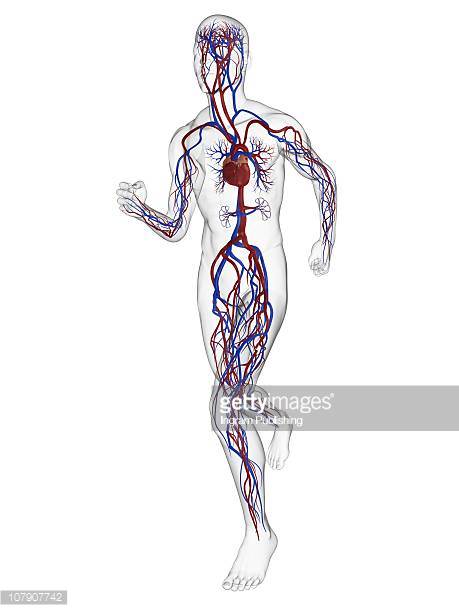
What is the main organ of the circulatory system?
small intestine
bone
lungs
heart

The job of the heart is to . . .
pump blood around the body.
send food to the small intestines.
break down food.
give energy to the body.

How does the heart work?
It pumps blood first to the lungs, back to the heart and then around the rest of the body.
It pumps blood first to the rest of the body, back to the lungs and then to the heart.
It pumps blood around the rest of the body, back to the heart and then to the lungs,

The circulatory system works with the ___________ system to provide our body with oxygen.
respiratory
digestive
muscular
skeletal


Deoxygenated blood means that the blood is low in...
Oxygen
Carbon Dioxide
About how big is the human heart?
the size of your nose
the size of your foot
the size of your fist
the size of your ear
Which of the following is not part of the circulatory system?
veins
heart
stomach
arteries
As the blood reaches the lungs, what is removed from the blood?
oxygen
carbon dioxide
red blood cells
white blood cells
The part of the blood that carries oxygen is called ___________. (Remember we can't live without our blood-line)
red blood cells
white blood cells
What do we call the movement of blood through the heart and around the body?
circulation
digestion
Type of circulation that refers to blood flow from the heart to the lungs and back to the heart again?
Systemic circulation
Renal circulation
Portal circulation
Pulmonary circulation
Type of circulation that refers to the blood flowing through the entire body?
Systemic circulation
Renal circulation
Portal circulation
Pulmonary circulation
The contraction/emptying phase of the cardiac cycle?
Systole
Diastole
The relaxing/filling stage of the cardiac cycle?
Systole
Diastole
Coronary arteries...
supply the heart muscle cells with a supply of blood.
supply the brain cells with a supply of blood.
contain deoxygenated blood.
when clogged, cause a stroke.
The type of blood vessel that normally carries de-oxygenated blood back to the heart from body cells?
arteries
capillaries
veins
The type of blood vessel that normally carries oxygenated blood from the heart to the body cells?
arteries
capillaries
veins
The type of blood vessel where exchange of gases, nutrients, and wastes occurs?
arteries
capillaries
veins

An abnormal widening/ballooning of a portion of an artery.
aneurysm
embolism
thrombosis
atherosclerosis
A blood clot that travels through the circulatory system and eventually becomes lodged within a blood vessel?
aneurysm
embolism
thrombosis
atherosclerosis
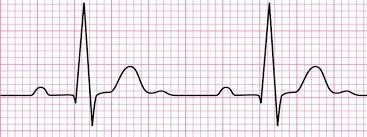
Type of device that measures the electrical currents created by the SA and AV nodes?
AED
MRI
ECG
CAT Scan

The main vein(s) that brings blood to the right atrium?
Aorta
Pulmonary veins
Superior and Inferior vena cava
Jugular vein

Which choice below correctly identifies the layers of the heart from the most outer layer to the most inner layer?
epicardium, myocardium, endocardium
endocardium, myocardium, epicardium
myocardium, endocardium, epicardium
myocardium, epicardium, endocardium
The sac that surrounds and protects the heart?
endocardium
epicardium
myocardium
pericardium

Instrument used to measure blood pressure?
AED
ECG
Sphygmomanometer
ultrasound

Name part N.
Right atrium
left atrium
right ventricle
left ventricle

Name part I.
pericardium
mediastinum
septum
unknownum

Name part A.
Pulmonary artery
Pulmonary vein
Superior vena cava
Aorta

Name part B.
Pulmonary arteries
Pulmonary veins
Superior Vena cava
Aorta

Name part M.
Tricuspid valve
Semilunar valve
Bicuspid valve
Mitral valve
Q.
Select the type of cells, present in blood, whose main function is to fight against diseases by destroying harmful bacteria and other foreign material.
RBCs
WBCs
Platelets
All of these
Haemolymph is the circulating fluid in which organisms?
Earthworm
Amoeba
Frog
Ant
Which substances are dissolved in human blood plasma?
carbon dioxide, haemoglobin and glucose
carbon dioxide, oxygen and haemoglobin
glucose, hormones and urea
oxygen, urea and starch
Which chamber of the heart has the thickest muscle wall?
left atrium
left ventricle
right atrium
right ventricle

The diagram shows the human heart and some of the blood vessels connected to it. Before blood in W reaches Z it must
gain glucose.
give up heat to the skin.
pass through capillaries.
travel to the head
Which blood vessel has a high carbon dioxide concentration, a low oxygen concentration and a high blood pressure?
aorta
pulmonary artery
pulmonary vein
vena cava

The diagram shows a section through the heart. Which part pumps blood to the aorta?
A
B
C
D

Which statement is correct for most veins in the human body?
They carry blood at high pressure.
They have a pulse.
They have valves.
They take blood away from the heart.

The diagrams show some components of the blood of a mammal. Which component causes the blood to start clotting?
A
B
C
D

The diagrams show four different stages in one heart beat. What is the correct order for the stages after stage P?
Q → R → S
R → Q → S
R → S → Q
S → R → Q
What is the correct sequence for blood being pumped from the heart to the lungs?
left atrium → left ventricle → pulmonary artery
left atrium → left ventricle → pulmonary vein
right atrium → right ventricle → pulmonary artery
right atrium → right ventricle → pulmonary vein
Why is the circulatory system of mammals described as a double circulation?
Blood flows firstly through arteries and then through veins.
Blood flows through the heart twice on one complete circuit of the body.
In the heart, blood flows firstly through atria and then through ventricles.
The atria and the ventricles contract alternately.

