
 Worksheets
Final Exam
Total questions: 96
Worksheet time: 49mins

What is the function of the highlighted? (the end)
detects rectal content
for storage
absorption
absorb nutrients and water

What part of the digestive system is highlighted?
Anus
Appendix
Gall Bladder
Pancreas

True of the highlighted part, except?
beginning of digestion
receives food from the mount
connects mouth to stomach
movement is peristalsis

What part of the digestive system is highlighted?
Gall Bladder
Small intestine
Pancreas
Liver

true of the highlighted part
A. 6 foot long muscular tube
B. water is absorb
C. materials here are released in the small intestine
D. feces are formed
A and D
A, B, and D
B, C, and D
A, B, C and D

What is the function of the highlighted part?
synthesizes bile
process the nutrients
digest carbohydrates
two of the above
Digestion starts with what part of the digestive system?
Esophagus
Stomach
Salivary glands
Mouth

What part of the digestive system is highlighted?
Pancreas
Gall Bladder
Stomach
Liver

True of the highlighted part, except?
8 inch long
end part of the digestive system
receives stool form the colon
all of the above

What part of the digestive system is highlighted?
Mouth
Esophagus
Salivary Glands
Stomach

What is the correct arrangement of this part?
duodenum, ileum, jejunum
ileum, jejunum, duodenum
duodenum, jejunum, ileum
jejunum, ileum, duodenum

True of the highlighted part?
synthesizes nutrients
absorbs water
secreted strong acid
absorbs vitamins
What are the rhythmic muscular contractions of small intestines called to help materials move?
swallowing
peristalsis
inertia contractions
paralysis
What carries food from the pharynx to the stomach?
larynx
trachea
esophagus
bronchioles
Small intestine is longer than large intestine.
true
false
The tube after the small intestine where water is absorbed.
large intestine
small intestine
rectum
stomach
What type of small intestines is responsible for the break down process?
ileum
jejunum
duodenum
two of the above
What part of digestive system makes insulin?
pancreas
liver
gallbladder
none of the above
Place the following events in sequence:
A) Food enters your large intestines
B) Food enters your small intestines
C) Food enters your esophagus
A, B, C
C, B, A
C, A, B
B, A, C
Arrange the large intestine
A. cecum
B. transverse colon
C. descending colon
D. ascending colon
E. sigmoid colon
A-B-C-D-E
E-A-B-C-D
D-B-C-A-E
A-D-B-C-E
Which organ prevents food from entering the windpipe?
(a)

What part of colon is this?
cecum
ileum
duodenum
Which of the following is mismatched
parotid - located in front and beneath the ear
submandibular - located deep to the jaw
sublingual - located beneath the tounge
none of the above


Which is not an organ of respiratory system?
Esophagus
Olfactory receptors are located in the _______ surface of nasal cavity mucosa.
posterior
superior
anterior
inferior
The lateral walls of nasal cavity have projections called (a) which increases surface area.
Which if the following is not a paranasal sinus?
frontal
sphere
ethmoid
none of the above
All are function of sinuses, except?
lighten the skull
resonance chamber for speech
storage of mucus
none of the above
Arrangement of the 3 regions of the pharynx.
laryngopharynx - nasopharynx - oropharynx
nasopharynx - oropharynx - laryngopharynx
oropharynx - nasopharynx - laryngopharynx
nasopharynx - laryngopharynx - oropharynx
1. larynx
2. nasal cavity
3. pharynx
4. trachea
Which of the following is the correct order that air would flow during inhalation.
true about the tonsils
A. pharyngeal tonsil is located in oropharynx
B. there are 2 tubal tonsil
C. palatine tonsil is located in oropharynx
D. there is only one palatine tonsil
B only
D only
B and C only
A, B, and C only
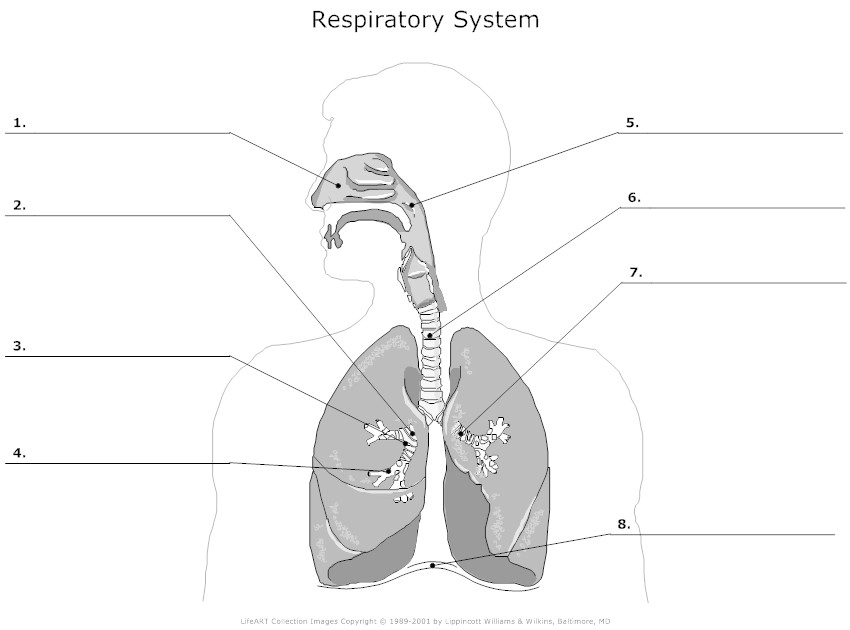
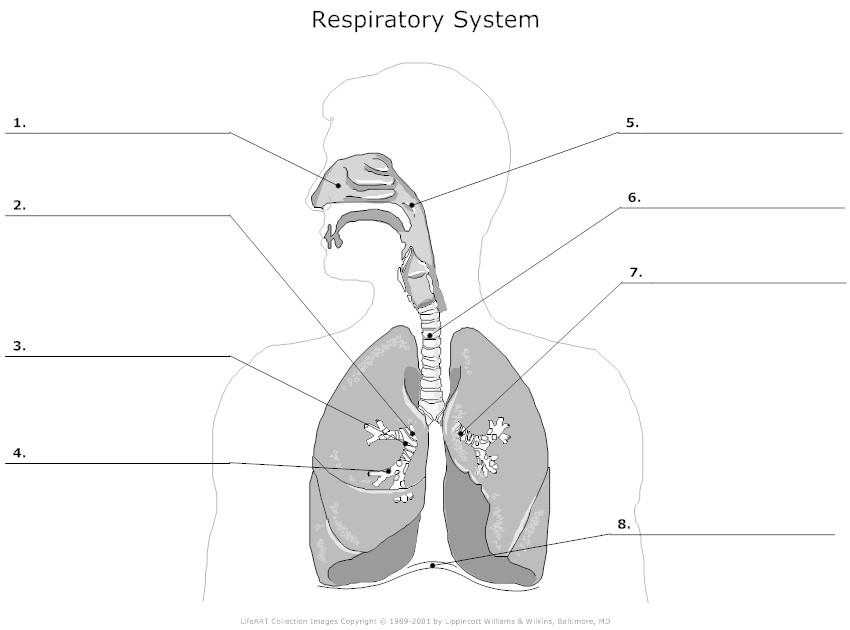
a flap of tissue that closes when we eat so food doesn't not go down the trachea
(a)
When air is pushed OUT of the lungs, what is the correct order for the tubes it passes through?
bronchiole -> bronchi -> nose -> trachea
bronchi -> bronchiole -> trachea -> nose
trachea-> bronchi -> bronchiole-> nose
bronchiole -> bronchi -> trachea -> nose
Diaphragm is the main organs of gas exchange in the respiratory system.
true
false
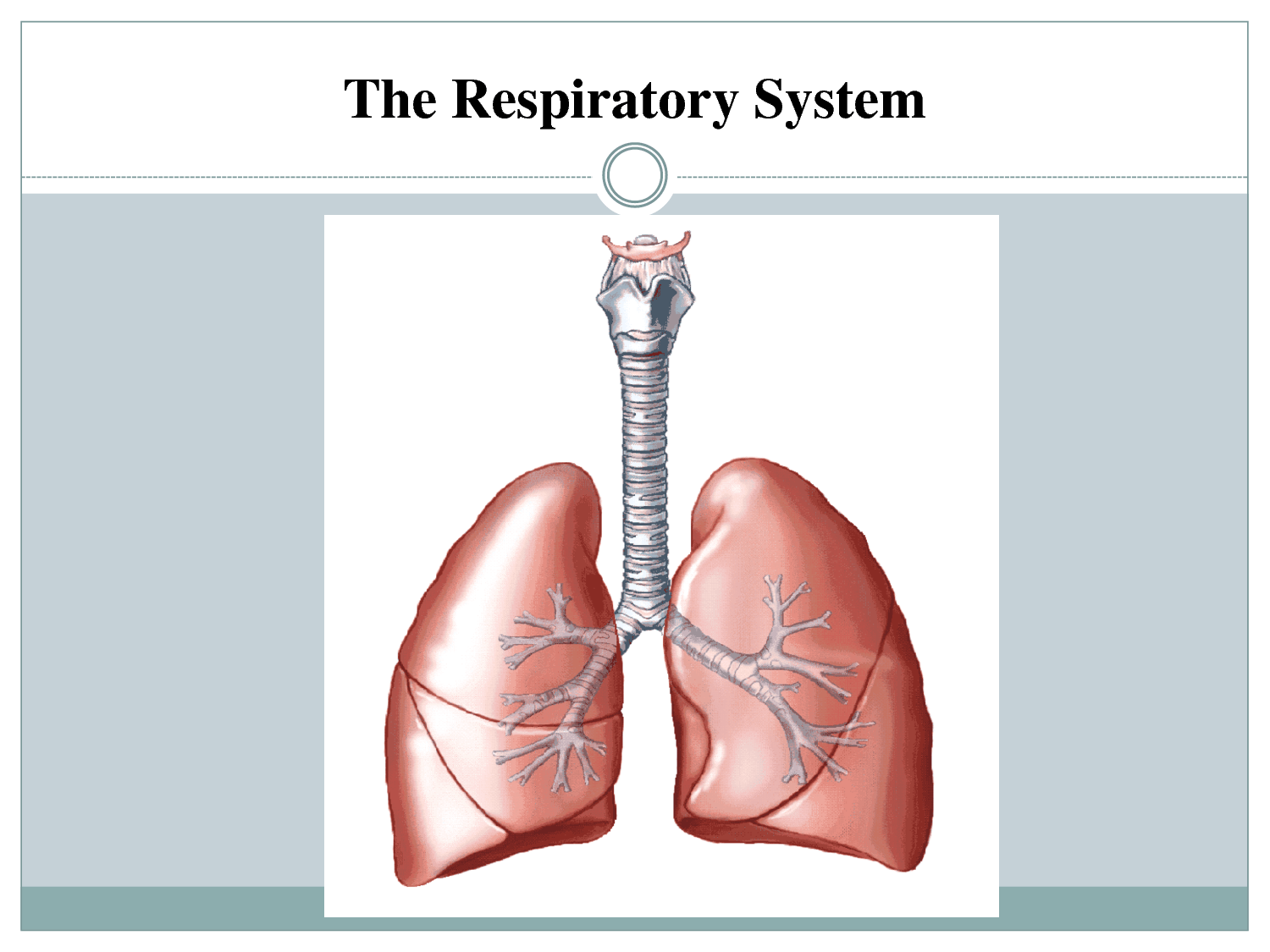
True of lungs, except?
the apex is near the clavicle
the base is resting on the diaphragm
both lungs is divided into lobes
left lung has 3 lobes
Which is not an event during inhalation?
ribs elevates
intercostal muscle contracts
size of thoracic cavity increases
diaphragm relaxes
What happens during exhalation?
muscles relaxes
ribs elevates slightly
size of thoracic cavity will be unchanged
none of the above
What is the site of gas exchange?
alveoli
nose
lung
bronchi
It is known as the normal breathing where 500 ml of air is being breath.
tidal volume
residual volume
inspiratory reserve volume
expiratory reserve volume
How much air can be forcibly exhaled or is known as the expiratory reserve volume?
3200 ml
2200 ml
1200 ml
200 ml
The process of exchanging oxygen and carbon dioxide in the lungs.
inspiration
expiration
internal respiration
external respiration
Vital Capacity is equal to ________.
TV + IRV + ERV
RV + ERV + TV
RV + ERV + IRV + TV
ERV + IRV
Respiratory capacity is measured with __________.
barometer
sphygmomanometer
spirometer
calorimeter
What makes up your cardiovascular system?
Heart and blood vessels
Heart and lungs
Heart, lungs, blood vessels, kidneys
Heart and kidneys
What prevents blood from flowing back into the atria when the ventricles contract?
semilunar valves
sinoatrial node
atrioventricular node
tricuspid and bicuspid valves
One of the body's largest blood vessels that transports blood from the body region below the diaphragm to the heart
superior vena cava
inferior vena cava
pulmonary trunk
pulmonary veins
When blood leaves this chamber of the heart, it heads out to the body (not the lungs)
left atrium
right atrium
left ventricle
right ventricle
When this chamber contracts, it pushes blood through the tricuspid valve
right atria
right ventricle
left atria
left ventricle
When blood leaves this chamber of the heart, it heads to the lungs
right atrium
right ventricle
left atrium
left ventricle
This stops blood from flowing back into the ventricles each time they contract
semilunar valves
tricuspid and bicuspid valves
Sinoatrial node (SA node)
Aorta
These are the smallest blood vessels with the thinnest walls in order to maximize diffusion of nutrients in and out of the interstitial fluid
arteries
veins
capillaries
aorta


Where is the heart located?
In your leg
slightly left to the center of the chest
slightly right to the center of the chest
on the left side of your body
Which of the following is associated with oxygenated blood?
Aorta
Pulmonary Artery
Septum
Right Ventricle
Which of the following is associated with deoxygenated blood?
Aorta
Left Ventricle
Tricuspid valve
Septum

Blood returning to the heart from the pulmonary circuit first enters the
right atrium.
right ventricle
left atrium
left ventricle
all of the above
all of the above
cilia


A fertilized egg undergoes several stages before it is successfully implanted. The diagram below
shows these stages as the fertilized egg travels through the female human reproductive system. In which of the following structures of the female human reproductive system is the blastocyst implanted during normal human development?
Ovary
Uterus
Vagina
Amniotic Sack

Which structure is represented by the letter E?
vas deferens
testes
prostate gland
epididymis
How can a blockage in a fallopian tube prevent pregnancy?
It prevents the ovary from releasing the egg
If prevents the egg from reaching the uterus
It prevents sperm from using flagella to move
It prevents sperm from passing through the cervix
In the male reproductive system, gametes are produced in the testicles. Which of the following structures of the female reproductive system has the same function as the testicles?
Cervix
Uterus
Ovaries
Fallopian Tubes
A set of coiled tubes that connect to the vas deferens.
Fallopian tube
Epididymis
Urethra
Seminal Vesicle

Which Letter corresponds to the Prostate Gland?
B
D
G
K
What is the function of vas deferens?
A muscular tube that passes upward alongside the testes and transports mature sperm to the urethra.
Sperm storage organ.
Feces holding area.
It produces sugar- rich fluid that provides sperm with a source of energy to help them move.



