wayground logo

Free Printable Worksheets

NEW

Font size

S
M
L
XL
Worksheets

Biology Symbiotic Relationships

Total questions: 50

Worksheet time: 2hrs 40mins

Name
Class
Date
1.

What is the general term used to describe the interaction between two different organisms that are living in close physical association?

a)

photosynthesis

b)

symbiosis

c)

habitat

d)

prey

e)

omnivore

2.

What ecological relationship is depicted between Pumba (warthog) and the bugs?

a)

Competition, because pumba is in competition with the bugs for food sources

b)

Mutualistic, because Pumba and the bugs benefit each other

c)

Predator-Prey, because Pumba is a predator that consumes bug as prey

3.

Marlin and his son, Nemo, are clownfish that live in a sea anemone. Clownfish benefit by receiving protection and shelter from the sea anemone. The clownfish, in return, scares away predators of the sea anemone and provides nutrients for the sea anemone through its excrement (waste). The symbiotic relationship between Nemo and the sea anemone is known as -

a)

parasitism

b)

commensalism

c)

predator-prey

d)

competition

e)

mutualism

4.

The pearlfish receives protection from predators by living inside a sea cucumber. The sea cucumber is not affected during this interaction. This ecological relationship is known as -

a)

predator-prey because the pearlfish is prey to the sea cucumber

b)

mutualism because only the pearlfish benefits in this ecological relationship

c)

parasitism because the pearlfish causes harm to the host sea cucumber

d)

commensalism because only the pearlfish benefits while the sea cucumber is not affected

e)

competition because the sea cucumber and pearlfish often fight for living space

5.
A tick and a dog have this type of relationship.
a)
mutualism
b)
commensalism
c)
neutralism
d)
parasitism
6.
Cattle egrets are birds that forage in fields among cattle. The egrets get easy access to food and the cattle don't care if they are there or not.
a)
mutualism
b)
commensalism
c)
competition
d)
parasitism
7.
Red-billed oxpeckers are birds that feed on parasites found on an impala. The impala gets rid of parasites and the red-billed oxpeckers get a yummy dinner. This is an example of _______.
a)
commensalism
b)
mutualism
c)
neutralism
d)
competition
8.

A relationship between two organisms in which one organism benefits and the other is unharmed.

a)

Mutualism

b)

Competition

c)

Parasitsm

d)

Commensalism

9.
Mistletoe extracts water and nutrients from the spruce tree to the tree's detriment (harm). 
a)
Mutualsim 
b)
Parasitism 
c)
Commensalism 
10.

Silverfish live and hunt with army ants. They share the prey. They neither help nor harm the ants.

a)

Mutualism

b)

Parasitism

c)

Commensalism

d)

Predation

11.
a relationship that occurs when two or more organims of the same species need the same resource at the same time
a)
competition
b)
symbiosis
c)
predation
12.

A cuckoo and a warbler are both birds. A cuckoo will find the nest of warbler instead of building her own, and she harms the warbler by knocking a warbler egg out of nest and laying her own. When the warbler mother returns, she isn’t aware of the switch. The warbler will then raise the baby cuckoo bird instead of her own baby. Which term best describes this relationship?

a)

Predation

b)

Parasitism

c)

Commensalism

d)

Mutualism

13.

Barnacles are sea creatures that create a home by attaching themselves to whales. The whales are unaffected by the barnacles. Which term best describes this symbiotic relationship?

a)

Commensalism

b)

Parasitism

c)

Predation

d)

Mutualism

14.

Ostriches and gazelles are two animals that live in Africa. They graze for food near each other because they help each other spot predators. The gazelle has excellent eyesight, but poor hearing, and the ostrich has excellent hearing, but poor eyesight. These two animals will alert one another when danger is near. Which term best describes this relationship?

a)

Predation

b)

Commensalism

c)

Mutualism

d)

Parasitism

15.
A mite lives in the base of the eyelashes of people who use mascara. It feeds on the mascara; it does not seem to harm people. What type of symbiotic relationship is this?
a)
mutualism
b)
commensalism
c)
parasitism
d)
predation
16.
A coyote captures, kills, and eats a rabbit. What type of symbiotic relationship is this?
a)
mutualism
b)
commensalism
c)
parasitism
d)
predation
17.
A tapeworm lives in the intestines of a dog. It absorbs food the dog has eaten and grows larger in the process. The dog becomes weaker from malnutrition. What type of symbiotic relationship is this?
a)
mutualism
b)
commensalism
c)
parasitism
d)
predation
18.
The flower of the yucca plant provides the only location where the yucca moth can lay her eggs. In the process, the moth pollinates the yucca flower. What type of symbiotic relationship is this?
a)
mutualism
b)
commensalism
c)
parasitism
d)
predation
19.
Cleaner shrimp living in the ocean eat ectoparasites (parasites on the outer surface of the animal) off of fish. What type of symbiotic relationship is this?
a)
mutualism
b)
commensalism
c)
parasitism
d)
predation
20.
Bacteria that live on the surface of our teeth require sugar from our food to survive. A by-product of their metabolism (body processes) decays the enamel of teeth. What type of symbiotic relationship is this?
a)
mutualism
b)
commensalism
c)
parasitism
d)
predation
21.
A 3-point buck is killed by a hunter. What type of symbiotic relationship is this?
a)
mutualism
b)
commensalism
c)
parasitism
d)
predation
22.
Bass found in warm water lakes of Colorado eat gizzard shad, a small fish grown and raised by the Colorado Division of Wildlife. What type of symbiotic relationship is this?
a)
mutualism
b)
commensalism
c)
parasitism
d)
predation
23.
NItrogen-fixing bacteria live in the roots of some plants. They provide nitrogen in a form the plants need and obtain a "home" and nourishment from the plants. What type of symbiotic relationship is this?
a)
mutualism
b)
commensalism
c)
parasitism
d)
predation
24.
Nematodes (a round worm) live in plants and gain nourisment from the plant but do not seem to harm it. What type of symbiotic relationship is this?
a)
mutualism
b)
commensalism
c)
parasitism
d)
predation
25.
Some shrimp and crab live and capture food from within the tentacles of giant anemones. 
a)
Parasitism
b)
Commensalism
c)
Mutualism
26.
A pearlfish spends the day inside the alimentary tract, or intestines, of a sea cucumber. The fish emerges from the sea cucumber at night to feed on small crustaceans. The pearlfish gets a safe place to live. The sea cucumber does not gain anything from the relationship, nor is it harmed. 
a)
Mutualism
b)
Commensalism
c)
Parasitism
27.
A cymothoid isopod lives inside the mouth of a snapper fish. The isopod severs blood vessels in the fish’s tongue, causing the tongue to atrophy and degenerate.The isopod then hooks its pereopods, or legs, to the base of the fish’s tongue,essentially replacing the tongue. The isopod stays there for the rest of its life, feeding on blood, mucus, and stray pieces of food from the fish.
a)
Commensalism
b)
Parasitism
c)
Mutualism
28.
A boxer crab carries a pair of small anemones in its chelipeds, or claws. When approached by a predator, the crab waves the stinging tentacles of the anemones to deter the predator. The anemones benefit from the small particles of food dropped by the crab during feeding. 
a)
Commensalism
b)
Mutualism
c)
Parasitism
29.
An alpheid shrimp digs and maintains a deep burrow. While underground, the shrimp is safe. Above ground, it is vulnerable to predators. A go by fish lives in the burrow with the shrimp. The go by fish sits at the entrance, keeping watch for predators, and signals the shrimp with a flick of its tail when it is safe to come out. Or, if a predator swims by, the go by darts into the burrow and the shrimp retreats further inside.These two animals are completely dependent on each other—the go by benefits by getting a burrow to live in and the shrimp knows when predators are near. 
a)
Parasitism
b)
Mutualism
c)
Commensalism
30.
Corals feed off the byproducts of a microscopic algae living within their own tissue,called zooxanthellae. The photosynthetic activity of the algae is vital to the survival of the coral animals, which use the energy to extract calcium from the seawater and build their calcareous skeletons. The zooxanthellae are protected by the hard coral and obtain plant nutrients from the coral. 
a)
Mutualism
b)
Commensalism
c)
Parasitism
31.
Some species of barnacles attach themselves to sea turtles or whales. As the whales or sea turtles travel, the barnacles gain access to food in nutrient-rich waters. Their host neither benefits nor is harmed by its riders.
a)
Mutualism
b)
Parasitism
c)
Commensalism
32.
A tapeworm needs to eat food that is already digested, so it lives in the intestines of a dogfish shark and derives nourishment from the shark. As a result of the tape worm infestation, the shark is weakened and more vulnerable to disease and predation. 
a)
Parasitism
b)
Commensalism
c)
Mutualism
33.
The siboglinid tube worm, found at deep-sea hydrothermal vents and cold seeps,has no digestive tract. It relies on symbiotic bacteria that live in the tube worm’s tissues. The bacteria oxidize hydrogen sulfide or methane for the worm.
a)
Mutualism
b)
Commensalism
c)
Parasitism
34.

Symbiosis means:

a)

relationship

b)

sharing

c)

helping

d)

harming

35.

Predation means:

a)

Living on or in another organism at that organisms expense

b)

consuming another organism

c)

getting a benefit from another organism without harming or helping it

d)

getting a benefit from another organism while helping it

e)

belonging in the same niche with limited resources

36.

Parasitism means:

a)

Living on or in another organism at that organisms expense

b)

consuming another organism

c)

getting a benefit from another organism without harming or helping it

d)

getting a benefit from another organism while helping it

e)

belonging in the same niche with limited resources

37.

Commensalism means:

a)

Living on or in another organism at that organisms expense

b)

consuming another organism

c)

getting a benefit from another organism without harming or helping it

d)

getting a benefit from another organism while helping it

e)

belonging in the same niche with limited resources

38.

mutualism means:

a)

Living on or in another organism at that organisms expense

b)

consuming another organism

c)

getting a benefit from another organism without harming or helping it

d)

getting a benefit from another organism while helping it

e)

belonging in the same niche with limited resources

39.

competition means:

a)

Living on or in another organism at that organisms expense

b)

consuming another organism

c)

getting a benefit from another organism without harming or helping it

d)

getting a benefit from another organism while helping it

e)

belonging in the same niche with limited resources

40.

Define the relationship: humans and mosquitoes

a)

Parasitism

b)

Predation

c)

Commensalism

d)

Mutualism

e)

Competition

41.
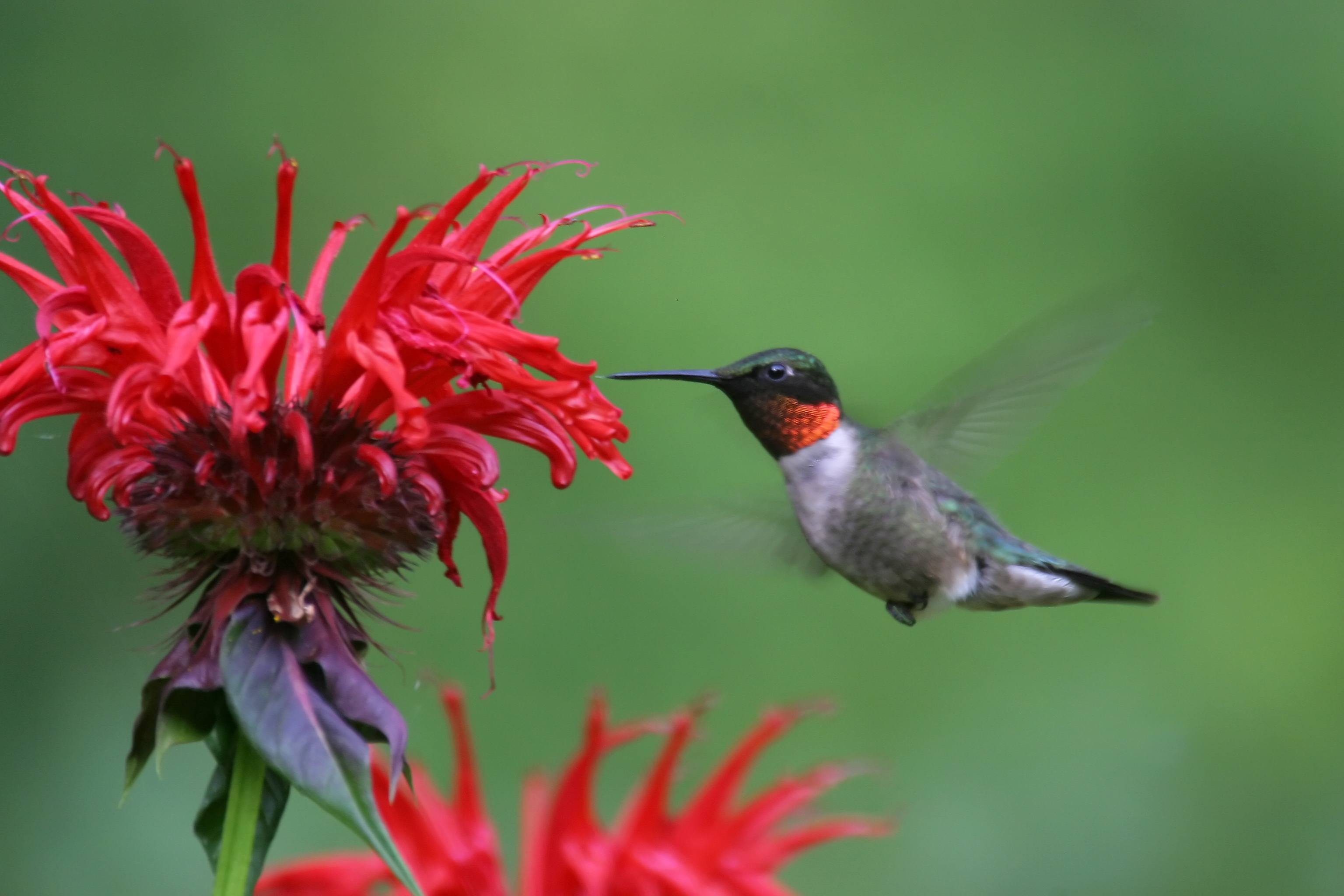
What type of symbiosis?  Hummingbirds feed on nectar from flowers.  The flowers are pollinated by hummingbirds as they move from flower to flower.
a)
commensalism
b)
mutualism
c)
parasitism
d)
predation
42.
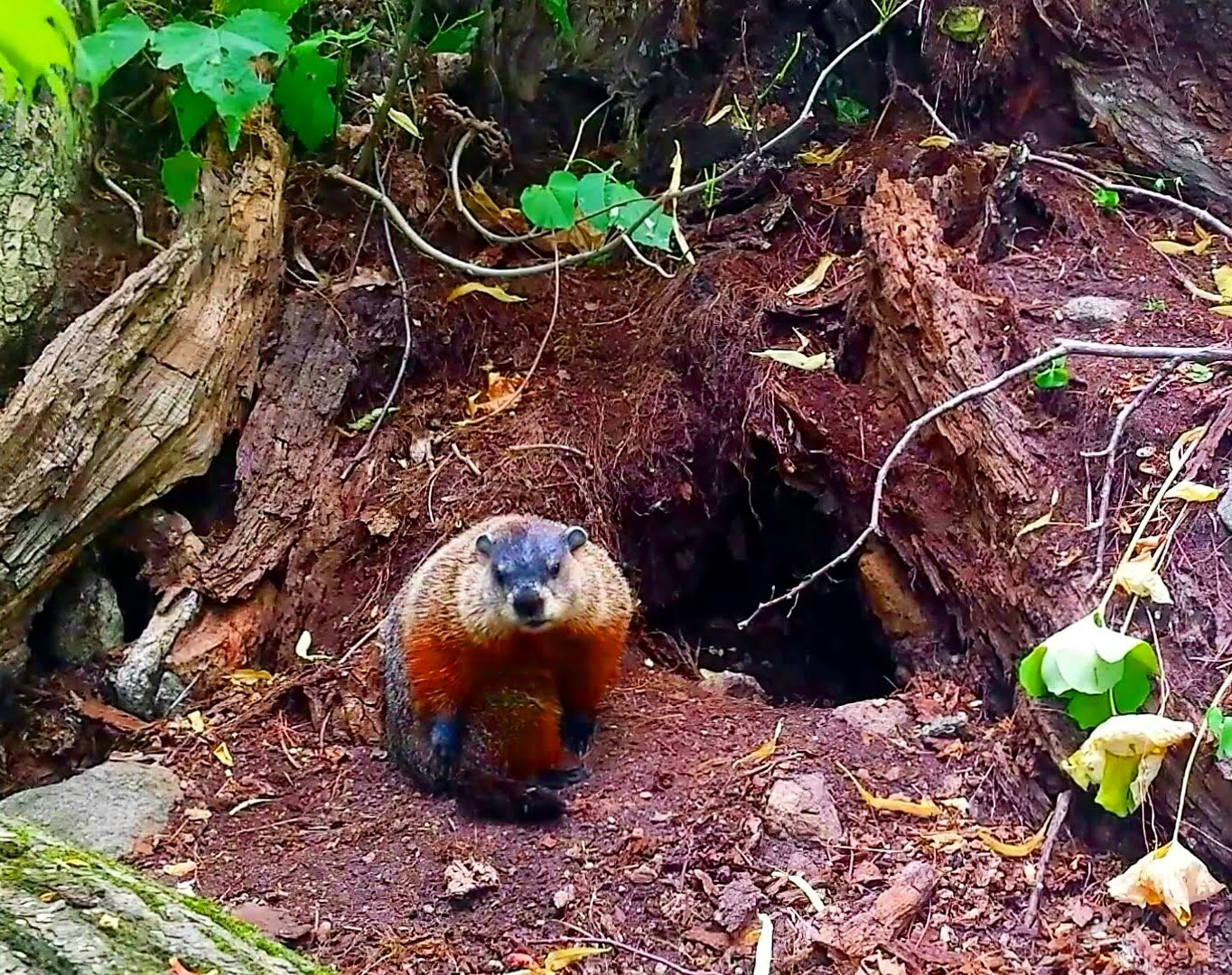
What type of symbiosis?  Skunks often live in burrows that have been dug and abandoned by woodchucks.  
a)
commensalism
b)
mutualism
c)
parasitism
d)
predation
43.
What type of symbiosis is this?
*
Hermit crabs find shells left by snails that have died and move in.
*
  Snails die and leave behind their shells.
a)
commensalism
b)
mutualism
c)
parasitism
d)
predation
44.
Ostriches and gazelles feed next to each other. They both watch for predators and alert each other to danger. Because their visual abilities are different, they can identify threats that the other animal would not see as readily. 
a)
parasitism
b)
commensalism
c)
mutualism
45.
Honey guide birds alert and direct badgers to bee hives. The badgers then expose the hives and feed on the honey first. Next the honey guide birds eat. Both species benefit. 
a)
parasitism
b)
commensalism
c)
mutualism
46.
In a mutual relationship, both organisms are ________________. 
a)
hurt
b)
not effected
c)
harmed
d)
benefiting 
47.
In a parasitic relationship, one organism is ___________ and one organism is benefiting. 
a)
helped
b)
harmed
c)
not effected
d)
happy
48.
Commensalism is where one organism is benefiting and the other organism is _____________________. 
a)
not effected
b)
helped
c)
harmed
d)
hurt
49.
A tick is a parasite to a horse. Which statement best describes the relationship between the tick and the horse? 
a)
a.  The tick helps the horse get food. 
b)
a.  The tick harms the horse by feeding on its blood. 
c)
a.  The horse harms the tick by feeding on its blood. 
d)
The tick does not affect the horse. 
50.
Lichens are made of fungi and algae that benefit from growing together. Which of these best describes this relationship?
a)
parasitic 
b)
commensal 
c)
competetive
d)
mutual