
 Worksheets
Physical Science Spring 2022 Final Exam
Total questions: 80
Worksheet time: 2hrs 40mins

Physical or chemical?
Physical
Chemical

Physical or chemical?
Physical
Chemical

Physical or chemical?
Physical
Chemical

Physical or chemical?
Chemical
Physical

Physical or Chemical?
Physical
Chemical

Physical or chemical?
Physical
Chemical

Physical or chemical?
Physical
Chemical
Physical properties....
change the matter when studied
can be observed and measured without changing the matter being studied
include the ability to burn and rust
are useless unless studied in a lab
______________________ can only be recognized when substances react or do not react chemically with one another.
Physical properties
Chemical properties
Flammable properties
Colorful properties
Flammability means the ability to _______ and is a _________ property.
melt; chemical
rust; physical
change; physical
burn; chemical
Which of the following is a chemical property of water?
Reacts with pure sodium
Boils at 100 oC
Is liquid at room temperature
Has a density of 1 gm/mL

What is a physical property of these strawberries?
Red
Rotten
Flammable

What is a chemical property of paper?
Flammable
White
Light

What is a physical change?
A change that does not affect the chemical properties of a substance
A change that affects the chemical properties of a substance

What is a chemical change?
A change that alters the physical and chemical properties of a substance
A change of state (melting, freezing, etc.)

Is an ice cream cone melting a physical or chemical change?
Physical
Chemical

Is toasting bread a physical or chemical change?
Physical
Chemical

Is grass growing a physical or chemical change?
Physical
Chemical

Is crumpling a piece of paper a physical or chemical change?
Physical
Chemical



What is aluminum (Al)?
Element
Compound
Mixture

What is water (H2O)?
Element
Compound
Mixture

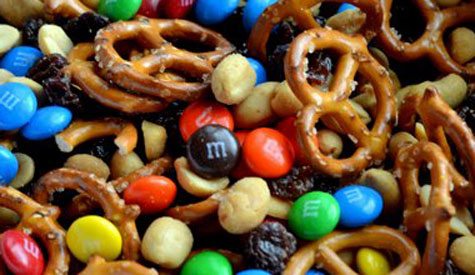
What is salad dressing?
Element
Compound
Mixture

What is an element?
A substance that is made up of one type of atom and can't be reduced to simpler substances.
A substance made of two or more different atoms chemically bonded to one another. They can only be destroyed by chemical processes.
A material containing two or more elements or compounds that are in close contact and are mixed in any proportion. They can be separated by physical means.

What is a mixture?
A substance that is made up of one type of atom and can't be reduced to simpler substances.
A substance made of two or more different atoms chemically bonded to one another. They can only be destroyed by chemical processes.
A material containing two or more elements or compounds that are in close contact and are mixed in any proportion. They can be separated by physical means.


similar physical & chemical properties
Just similar physical properties


The letter, C, is a ... of carbon.
Name
Nickname
Chemical Symbol
Pseudonym
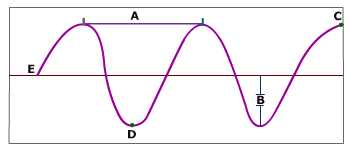
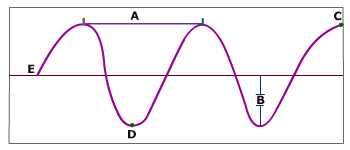
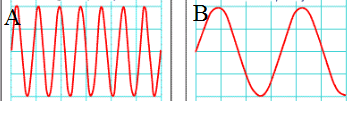
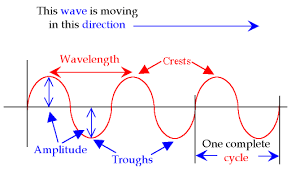
What is another name for wave height?
Frequency
Amplitude
Wavelength
Origin
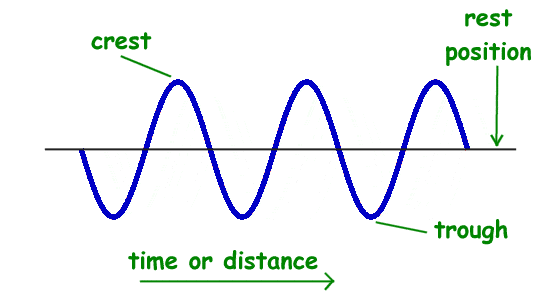
What is measured from crest to crest or trough to trough?
mediums
resting position
wavelength
origin
Dark matter is:
invisible
made of atoms
listed on the Periodic Table
shiny, like stars
Ordinary matter alone can NOT:
hold galaxies together
change from liquid to gas
change shape
heat up

State of matter
Plasma
Gas
Solid
Liquid

State of matter
Liquid
Solid
Plasma
Gas

State of Matter
Solid
Plasma
Gas
Liquid
Dark matter is a theoretical substance. What does this mean?
Scientists have simply guessed that it exists
There is evidence for its existence, but it hasn't been proven
Scientists are certain that it exists
Scientists are split 50/50 over whether it exists or not
How would dark matter be different from the stars and planets we can see?
It wouldn't reflect light
It wouldn't emit radiation
It wouldn't interact with the electromagnetic spectrum
All of these
Most of the universe is made of
visible matter
Invisible matter
dark energy
dark energy and dark matter



[Hint: Space and Heat]
What do we call the the amount of force exerted on a certain area?
fluid
pressure
buoyant force
normal force

The upward force exerted by a fluid is called the...
buoyancy force
density force
fluidity force
normal force


If an object has a density of 3.6 g/mL and you put it into water (density =1.0g/mL,) will it sink or float?
sink
float


Which principle do airplanes take advantage of to fly?
Archimedes' Principle
Bernoulli's Principle
Pascal's Principle

An object _______ if it is less dense than the fluid it is in.
Swims
Sinks
Bursts up into the air
Floats

