
 Worksheets
SS Afternoon Quiz #1 Review
Total questions: 175
Worksheet time: 6hrs 53mins


Which of the following has the lowest energy?
The color yellow
The color blue
The color indigo
The color orange

Which of the following has the shortest wavelength?
microwaves
UV rays
Infrared
the color blue

Which of the following has the most energy?
Red
Blue
Green
Violet
Which of the following is true for sound waves?
They require a medium.
They are unrelated to vibrations.
They cannot travel through liquids
They can travel in a vacuum
A student asks a series of questions about a wave. The answer to which question will allow the student to determine whether the wave is electromagnetic or mechanical?
Does it require a medium in order to travel?
Can it pass through air and water?
Does it have a measurable speed?
Does it have a measurable frequency?
How do electromagnetic and mechanical waves compare?
Mechanical waves can only travel through a vacuum, but electromagnetic waves can travel through a solid, liquid, or gas.
Mechanical waves can travel through a solid, liquid, or gas, but electromagnetic waves can only travel through a gas.
Mechanical waves can only travel through a solid, liquid, or gas, but electromagnetic waves can travel through a vacuum.
Mechanical waves can travel through a solid, liquid, or gas, but electromagnetic waves can only travel through a solid.
This sound has high pitch, which means it has a higher frequency. This means when you hear the sound...
More waves hit your ears per second
Bigger waves hit your ears
Less waves hit your ears per second
Longer waves hit your ears
How are Electromagnetic waves different from Mechanical waves?
EM waves have very short wavelengths
EM waves transmit energy instead of matter
EM waves can travel through the vacuum of space (without particles)
EM waves can change direction by reflection

Select the correct order of waves on the EMS from low to high energy
Radio, Micro, Infra, Visible, Ultra, X-ray, Gamma
Gamma, X-ray, Ultra, Vis, Infra, Micro, Radio
Vis, Micro, Infra, Ultra, X-ray, Gamma, Radio
Micro, Radio, Vis, Infra, Ultra, X-ray, Gamma
A wave has a frequency of 10 hz and a wavelength of 4 m. What is the velocity of the wave?
24 m/s
40 m/s
2.5 m/s
A wave has a velocity of 10 m/s and a frequency of 20 hz. What is the wave length of the wave?
2 m
0.5 m
10 m
A wave has a frequency of 2.5 hz and a wavelength of 20 m. What is the velocity of the wave?
50 m/s
8 m/s
40 m/s
A wave has a velocity of 4 m/s and a wavelength of 2 m. What is the frequency of the wave?
2 hz
8 hz
18 hz
A wave has a frequency of 6 Hz. What is the period of the wave?
0.167 s
6 m
0.167
6 Hz
A radio wave has a wave length of 4 m and a frequency of 4 Hz. What is the speed of the wave?
16 m/s
16 m
4 Hz
8 m/s


Which of the following has the shortest wavelength?
microwaves
UV rays
Infrared
the color blue
Which of the following has the most energy?
Red
Blue
Green
Violet

Which of the following has the most energy?
X-rays
The color green
Microwaves
ultraviolet

Which of the following has the longest wavelength?
Infrared
The color Indigo
gamma rays
TV

Which of the following has the least amount of energy?
UV rays
The color yellow
infrared
Gamma rays

Which of the following has the shortest wavelength?
Gamma rays
The color blue
AM radio
Infrared

Which of the following has the highest frequency?
TV
Microwaves
the color indigo
ultraviolet rays

Which of the following would have the lowest frequency?
infrared
The color red
X-rays
TV
Which of the following has the lowest energy?
The color yellow
The color blue
The color indigo
The color orange

Which of the following has the lowest frequency?
The color blue
The color green
The color yellow
The color violet

Which of the following are Non-Renewable energy resources? (Check all that apply.)
coal
wind
solar
nuclear

One advantage of solar and wind power over fossil fuels is that
wind and solar are presently much less expensive than fossil fuels.
wind and solar come from natural processes and fossil fuels do not.
wind and solar are nonrenewable resources and fossil fuel are renewable.
wind and solar are continuously renewable and fossil fuels take millions of years to be formed.

Renewable or Nonrenewable: Coal
Renewable
Nonrenewable

Renewable or Nonrenewable: Natural Gas
nonrenewable
renewable

Renewable or Nonrenewable: Oil
Nonrenewable
Renewable

Renewable or Nonrenewable: Sunlight
Renewable
Nonrenewable

Renewable or Nonrenewable: Water
Nonrenewable
Renewable

Renewable or Nonrenewable: Wind
Renewable
Nonrenewable

This energy is from moving air.
Wind Energy
Geothermal Energy
Fossil Fuel Energy
Biofuel

This is electrical energy that comes from the force of energy of moving water. It is the most widely used type of renewable energy.
Coal
Hydroelectric Power
Wind Energy
Geothermal Energy

This is a liquid fuel derived from plant materials.
wind energy
biofuel (from biomass)
geothermal energy
solar energy

This is the energy generated in the Earth's core and produces steam and hot water.
Solar Energy
Hydroelectric Power
Fossil Fuels
Geothermal

Solar energy is a completely renewable resource.
Advantage
Disadvantage

Fossil Fuels produce carbon dioxide that pollutes the atmosphere.
Advantage
Disadvantage

Nuclear Power can generate high amounts of electrical energy in a single plant.
Advantage
Disadvantage

Biomass requires a lot of space.
Advantage
Disadvantage

Wind energy is pollution free.
Advantage
Disadvantage

Hydropower can have a negative impact on river wildlife.
Advantage
Disadvantage

Geothermal power is geographically limited-not available in many locations.
Advantage
Disadvantage

Fossil Fuels are a nonrenewable resource.
Advantage
Disadvantage
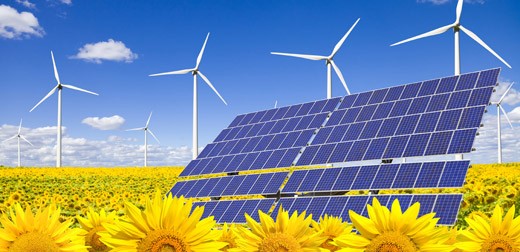
__________ is an energy resource that WILL NOT run out in the next several hundred years.
Renewable Energy Resource
Nonrenewable Energy Resource
Fossil fuels
biodegradable
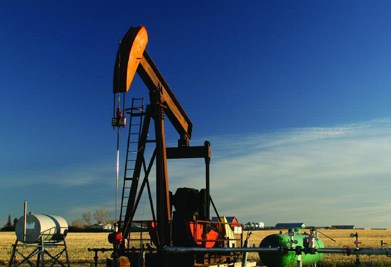
__________ is an energy resource that WILL run out in the next several hundred years.
Renewable Energy Resource
Nonrenewable Energy Resource
natural resources
pollution
What is a fossil fuel?
oil
biomass
wind
hydro


Trees are renewable resources.
True
False

Wind is a renewable resource.
True
False

Oil is a renewable resource.
True
False

Trees are a renewable resource because ...
they can be replanted.
of how big they can grow.
they burn in forest fires.
birds live in them.

Natural resources form in nature. Which of the following is NOT a natural resource?
oil
coal
plastic
water

Which of the following resources WILL eventually run out?
natural resources
renewable resources
nonrenewable resources
Trees can be categorized as what type of energy?
Hydroelectric Energy
Biomass Energy
Geothermal Energy
Solar Energy
What type of mechanical device is used in most methods of harnessing energy from resources?
Gear
Turbine
Panel
Engine
What type of energy harnesses energy from the rise and fall of the tides in the ocean?
Tidal Energy
Solar Energy
Wind Energy
Biomass Energy


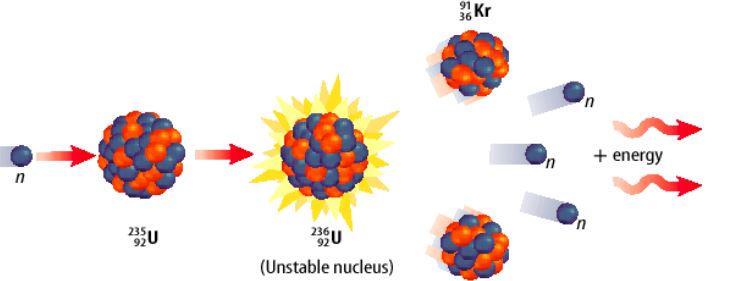
Which type of reaction does the diagram illustrate?
Fission
Fusion
Alpha Decay
Beta Decay
In which process does a heavy nucleus split into two lighter nuclei?
freezing
condensation
fission
fusion
What occurs in both fusion and fission reactions?
Small amounts of energy are converted into large amounts of matter.
Small amounts of matter are converted into large amounts of energy.
Heavy nuclei are split into lighter nuclei.
Light nuclei are combined into heavier nuclei.
What is one benefit associated with a nuclear fission reaction?
The products are not radioactive.
Stable isotopes are used as reactants.
There is no chance of biological exposure.
A large amount of energy is produced.

For the balanced equation, which particle is represented by X?
0-1 e
11 H
42 H
10 n
In which type of reaction do two lighter nuclei combine to form one heavier nucleus?
combustion
oxidation
nuclear fission
nuclear fusion
Nuclear fusion differs from nucleus fission because nucleus fusion reactions
form heavier isotopes from lighter isotopes
form lighter isotopes from heavier isotopes
convert mass to energy
convert energy to mass
Which phrase describes a risk associated with producing energy in a nuclear power plant?
depletion of atmospheric hydrogen
depletion of atmospheric carbon dioxide
production of wastes needing long-term storage
production of wastes that cool surrounding water supplies
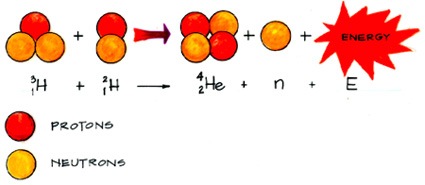
Which reaction represents fusion?




Which reaction represents fission?




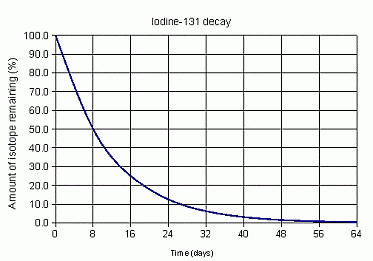
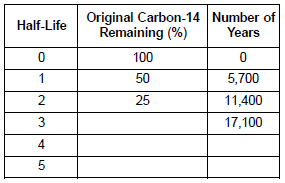
After 22,800 years, approximately what percentage of the original carbon-14 remains?
15%
12.5%
6.25%
3.125%
The % of the parent isotope remaining after 1 Half Life.
50%
25%
12.5%
6.25%
The % of the parent isotope remaining after 2 Half Lives.
50%
25%
12.5%
6.25%
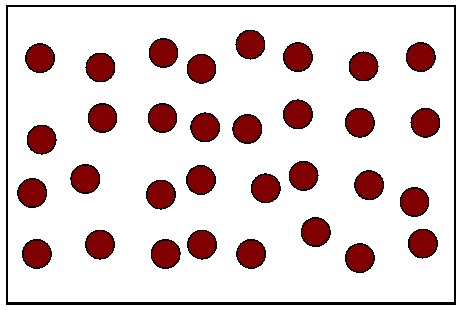
The diagram shows 32 atoms
32 of the Red are the parent isotope
0 of the atoms are daughter isotopes
How many half-lives have occurred?
0
1
2
3
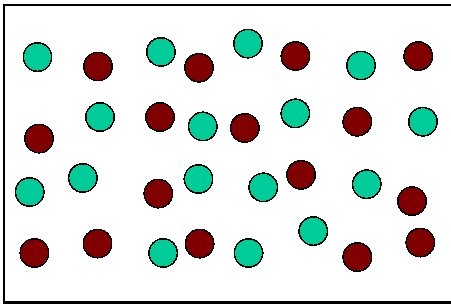
The diagram shows 32 atoms.
16 of the Red are parent isotopes
16 of the Green are daughter isotopes
How many half-lives have occurred?
0
1
2
3
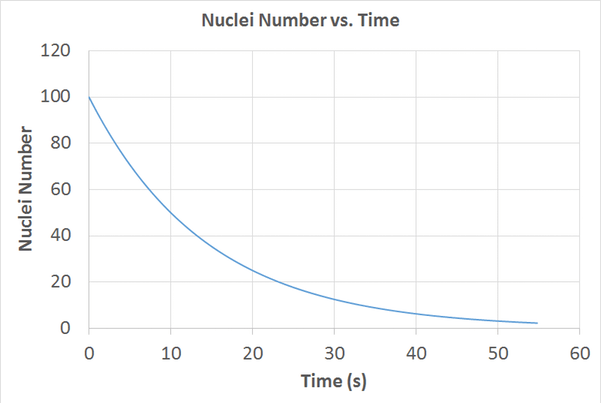
What is the Half life of this isotope?
5 seconds
10 seconds
15 seconds
20 seconds
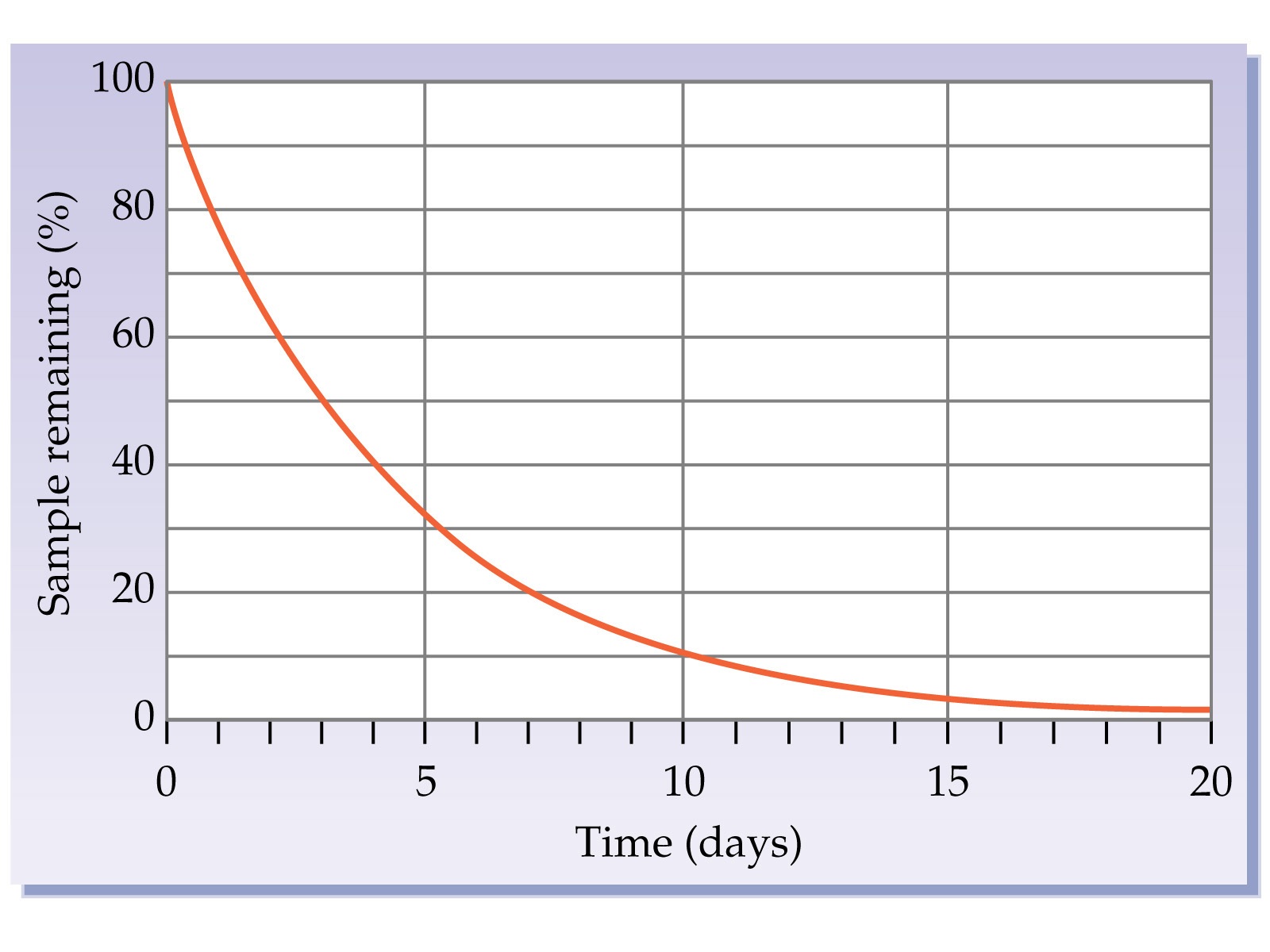
What is the Half Life of this isotope?
3 days
5 days
8 days
10 days
How many grams are left after 1 half life?
Why do some elements have half-lives?
they radioactively decay
half of their atom gets stolen
They are Twizzlers that break in half
Radioactive carbon-14 is often useful in determining the absolute age of geologic samples because radioactive isotopes
decay at a regular rate
become less stable during decay
remain unchanged over time
stabilize after four half-lives

Which diagram best represents the percentage of this radioactive isotope sample that will remain after 2 half-lives?


The Half Life of Californium 252 is 5 years.
TRUE
FALSE

The mass of a parent isotope is 100 g. How many grams of the parent isotope will remain after 2 half-lives?
25
50
12.5
0
A 50.0 g sample of a radioactive element has a half-life of 40 years. How much mass will be left after 80 years?
50
25
12.5
6.25
How long would it take for an element with a half-life of 100 years to reach 5 half-lives?
50
500
5000
5
Which of these atoms is most likely to undergo some form of radiation? (you can choose more than 1)
Uranium
Platinum
Plutonium
Cesium
Hafnium
finish the equation
18173Ta --> ____ + 18174W
42He
0-1e
y
finish the equation
22688Ra --> ____ + 22688Ra
42He
0-1e
y
Identify the type of nuclear decay shown here
21483Bi → 0-1e + 21484Po
alpha
beta
gamma
Solve this equation.
85209At = ___ + 24He
83205Bi
86209Rn
81207Tl
85208At
Finish this equation
20983Bi--> _______ + 20581Tl
42He
0-1e
y
What type of nuclear decay is shown here
13756Ba →→ 13756Ba + γ rays
alpha
beta
gamma
What type of decay is shown here
23892U ---> 23490Th + 42He.
alpha
beta
gamma
Solve this equation for.
614C = ___ + -10e
410Be
714N
210He
613C
Solve this equation.
88226Ra = ___ + 24He
86222Rn
89226Ac
84224Po
88225Ra
If we start off with element 5024X after an gamma decay we get an element(product) that looks like...
5124X
5023X
5024X
5025X
A radioactive nuclide has a ____ stable nucleus than a non-radioactive nucleus of the same element.
more
less
identical
small


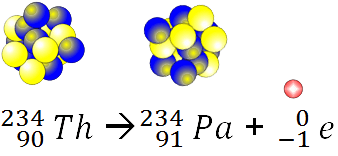



Why does alpha decay occur?
The nucleus is too large to be stable
The proton to neutron ratio is unstable
The nucleus is in an excited state. This usually follows other types of decay.
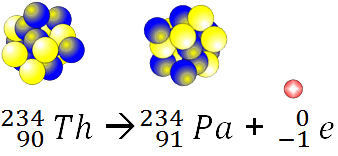
Why does beta decay occur?
The nucleus is too large to be stable
The proton to neutron ratio is unstable
The nucleus is in an excited state. This usually follows other types of decay.
Why does gamma decay occur?
The nucleus is too large to be stable
The proton to neutron ratio is unstable
The nucleus is in an excited state. This usually follows other types of decay.
How is the alpha particle written in a nuclear equation?
42He
24He
0-1e
00γ
85209At = ___ + 24He
Gamma rays have
no mass
a huge mass
a small mass
an average mass
614C = ___ + -10e

The nucleus is held together by the ___________________________force.
The Strong Nuclear Force
The Weak Nuclear Force
Electromagnetism
Gravity
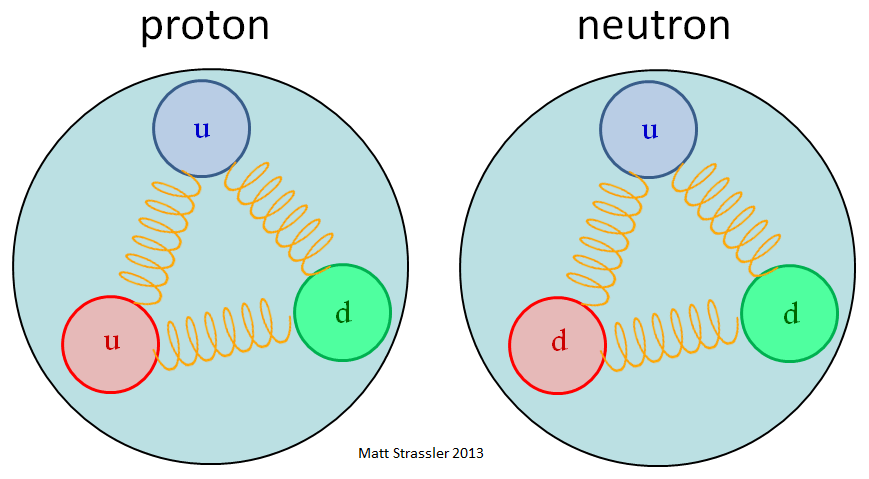
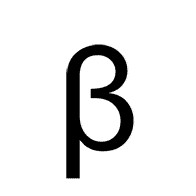
During beta-particle emission, a neutron splits into a____________________.
proton and electron
neutron and electron
neutron and proton




In a correctly written symbol what would be located in the "Z" position?
number of neutrons
atomic number
number of electrons
mass number
Power stations are costly to produce. There are serious health risks related to radiation. On the other hand, It is non-renewable energy, and it does not emit greenhouse gases.
Nuclear energy
Solar energy
Tidal energy
Wind power
Its combustion contributes significantly to the greenhouse effect; at the speed of production and consumption, it could lose its reserves in 40 years. Moreover, it is the main fossil fuel because it is cheap, energy-efficient, and versatile in the production of materials and easy transport.
Coal
Oil
Naural gas
It is dry, bulky, expensive, and difficult to transport. Its impacts are negative for the environment: visual pollution and noise. Otherwise, it has been responsible for western industrial development.
Oil
Coal
Gas
Its main component is methane (CH4); it also has ethane, propane, and other impurities. On the other hand, it is considered fossil fuel that has the least impact on the environment.
Oil
Gas
Coal
Charcoal
Each unit of electricity generated by this renewable energy costs between 4 and 10 times more than that derived from fossil fuels. It is a renewable energy that doesn’t emit any kind of air, water, or soil pollution.
Solar energy
Wind power
Nuclear energy
Hydroelectricity
Its turbines are noisy; they can affect bird migration. High construction costs limit its large-scale development. Moreover, it doesn’t produce any pollution.
Tidal energy
Wave energy
Wind power
Geothermal energy
Its plants are costly to produce. It probably increases evaporation in the dam and favors silt deposition. Moreover, It is a form of renewable energy that takes advantage of water's rapid flow with sufficient volume.
Hydroelectricity
Nuclear energy
Tidal energy
Geothermal energy
The River Rance in Brittany, France, and in the Bay of Fundy in Canada are good examples of this energy's implementation. Otherwise, it could produce environmental damage to estuaries, possible effects on ports and upstream industries.
Hydroelectricity
Nuclear energy
Tidal energy
Geothermal energy
As it becomes more scarce, women and children travel more to collect, and round trips of 10 km are not uncommon; This imposes an extra burden on your health. On the other hand, It is the most important source of energy in rural Africa - for example, in Tanzania, it is 90%, and in Zimbabwe, 50%.
fuelwood
oil
gas
coal
It is a relatively green energy source, and it is not dependent on weather conditions. On the other hand, it is local-dependent, has high initial costs, and produces odor nuisance.
Tidal energy
Wave energy
Hydroelectricity
Geothermal energy

