wayground logo

Free Printable Worksheets

Font size

S
M
L
XL
Worksheets

F4 Section A Quiz

Total questions: 146

Worksheet time: 1hrs 21mins
Name
Class
Date
1.
A pattern of eating that includes how much, what, and how often a person eats.
a)
Metabolism
b)
Diet
c)
Calories
d)
Vitamins 
2.
Nutrients that build and repair tissues and cells e.g. meat, milk, eggs.
a)
Fat
b)
Minerals
c)
Vitamins
d)
Protein
3.
A chemical compound made up of one or more simple sugar e.g. bread, rice, pasta
a)
Protein
b)
Water
c)
Fat
d)
Carbohydrates
4.
Elements essential for good health. e.g. Calcium, Iron, Potassium 
a)
Protein
b)
Fat
c)
Minerals
d)
Carbohydrates
5.
The body uses this to carry nutrients and waste. It also helps joints move smoothly.
a)
Fat
b)
Water
c)
Minerals
d)
Vitamin 
6.
Organic compounds that control several body functions. e.g. A, C, K
a)
Carbohydrates
b)
Metabolism
c)
Vitamins
d)
Digestion
7.
The process of breaking down food into a form the body can use.
a)
Diet
b)
Metabolism
c)
Calories
d)
Digestion
8.
Energy storage nutrients that help the body store some vitamins e.g. oils, butter, margarine
a)
Fats
b)
Carbohydrates
c)
Minerals
d)
Vitamins
9.
The amount of energy the body gets from food is measured in.
a)
Metabolism
b)
Diet
c)
Calories
d)
Protein
10.
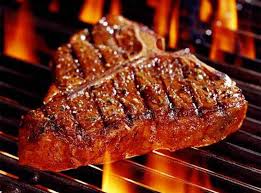
What food group is the above food in?
a)
Fruit
b)
Vegetable
c)
Dairy
d)
Grain
11.
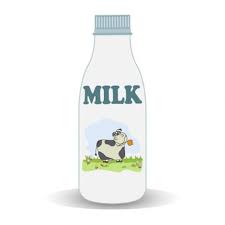
What food group is the above food in?
a)
Grain
b)
Protein
c)
Vegetable
d)
Dairy
12.
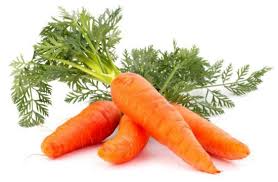
What food group is the above food in?
a)
Vegetable
b)
Fruit
c)
Grain
d)
Dairy
13.
What food group is the above food in?
a)
Dairy
b)
Vegetable
c)
Fruit
d)
Protein
14.

About how many calories should a kid your age have each day?

a)

800

b)

1,200

c)

2,000

d)

3,000

15.

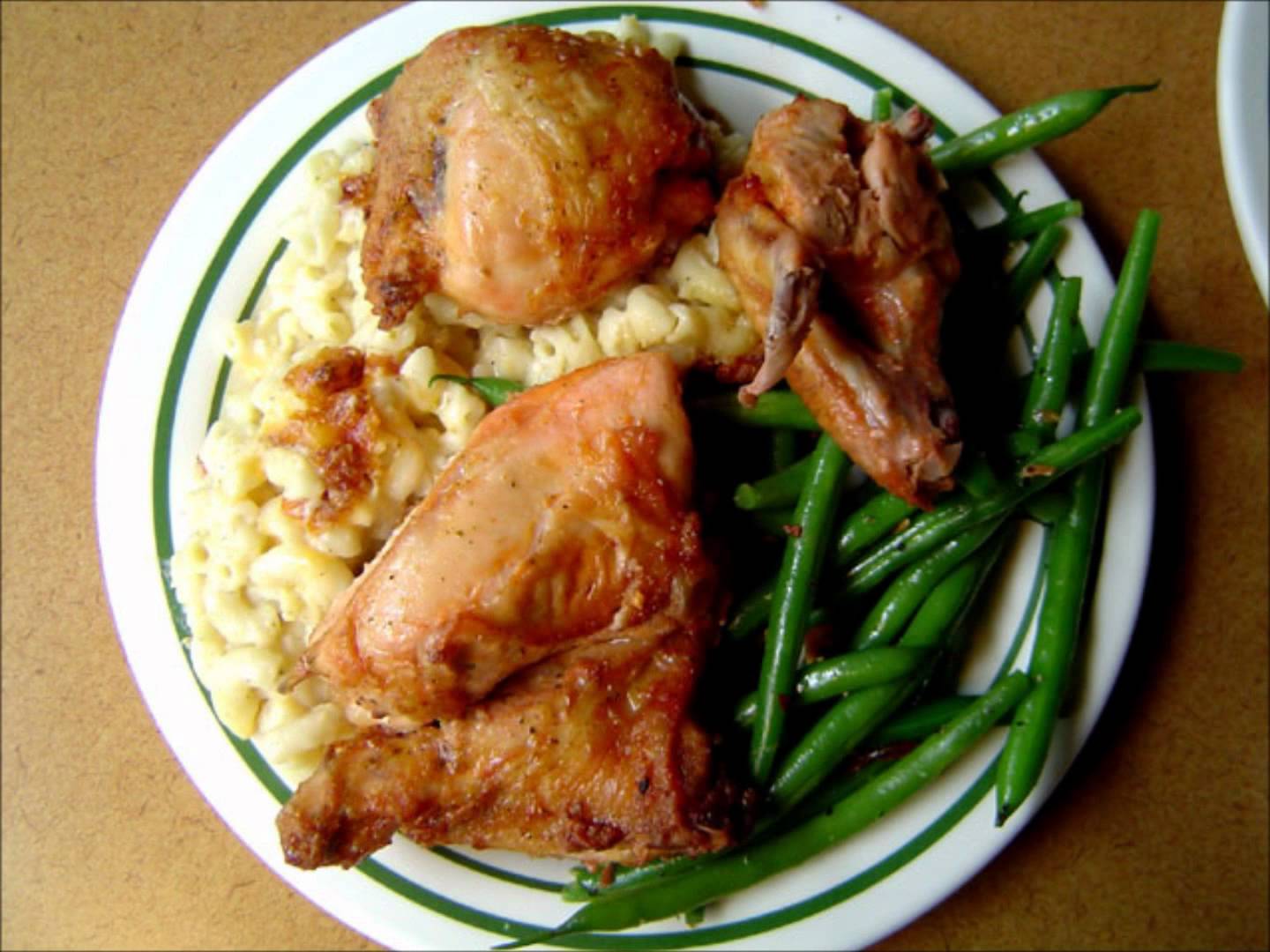
What food group is missing from this plate?

a)

Grains

b)

Fruits

c)

Dairy

d)

Protein

16.
What food group supplies a large amount of protein?
a)
Dairy
b)
Fruit
c)
Meats
d)
Vegetables
17.
Which of the following is true about most fast foods? 
a)
they are low in nutrient density 
b)
they are high in fat and calories 
c)
they are low in vitamins and minerals 
d)
all of the above  
18.
What is the main reason for eating a wide variety of foods? 
a)
to learn the food label
b)
to provide all the nutrients you need 
c)
to keep from getting bored with your diet 
d)
to help improve physical fitness 
19.
When you don't drink enough water you can become:
a)
silly
b)
hyper
c)
intoxicated 
d)
dehydrated 
20.
WHAT ARE THE 6 NUTRIENTS?
a)
Carbs, Meats, Fibers, Water, Protein, and Dairy
b)
Fruits, Milk, Fibers, Water, Pork, and Vitamins
c)
Carbs, Fats, Minerals, Water, Proteins, and Vitamins
d)
Carbs, Fats, Fibers, Cheese, Protein, and Vegtables
21.
Reading the food label can help you compare products, make healthier choices and provide valuable information to people with food allergies. 
a)
True
b)
False
22.
Which nutrient contributes the most calories to this product?
a)
Carbohydrates
b)
Fats
c)
Proteins 
23.
What percentage of your daily value of sodium does this product provide?
a)
12%
b)
3%   
c)
11%
d)
15%
24.
Which of the 6 Basic Nutrients provide us with energy (calories)?
a)
Protein
Water
Carbohydrate
b)
Fat
Vitamin
Protein
c)
Protein
Carbohydrate
Vitamin
d)
Protein
Carbohydrate
Fat
25.
Nutrients made by living things that assist in chemical reactions in the body.  They supply no energy.
a)
Minerals
b)
Vitamins
c)
Carbohydrate
d)
Protein
26.
Which nutrient is required for the growth and repair of body tissues?
a)
Protein
b)
Fat
c)
Carbohydrate
d)
Water
27.
Which nutrient is an excellent source of energy?
a)
Vitamins
b)
Minerals
c)
Water
d)
Carbohydrate
28.
Which nutrient is essential for ALL life processes.
a)
Water
b)
Vitamins
c)
Fat
d)
Carbohydrate
29.
What is the unit used to measure energy content in food/drinks?
a)
Grams
b)
BMI
c)
Pounds
d)
Calories
30.
Some risks of being overweight are...
a)
Anemia
b)
Heart Disease
c)
Trouble regulating body temperature
d)
Fasting
31.

What are the three types of carbohydrates?

a)

Sugar

b)

Starch

c)

Fiber

d)

Protein

e)

Fat

32.

Which carbohydrate gives you the most energy?

(a)  

33.

Which carbohydrate slows down digestion the most or is the hardest to break down?

a)

Sugar

b)

Starch

c)

Fiber

34.

Carbohydrates are your bodies preferred source of (a)   .

35.

Select the carbohydrates that will keep you feeling full for longer.

*There are 3 correct answers!

a)

Table sugar

b)

Vegetables

c)

Pop tart

d)

Oatmeal

e)

Potato

36.

Simple carbohydrates are easy for our bodies to break down.

a)

True

b)

False

37.

Select all the foods that have carbohydrates.

a)

Apples

b)

Steak

c)

Chicken

d)

Rice

e)

Bread

38.

There are "good" and "bad" carbohydrates.

a)

True

b)

False

39.

What are the three MACRONUTRIENTS?

a)

Carbohydrates

b)

Proteins

c)

Fats

d)

Dairy

e)

Vegetables

40.

Share one thing that you have learned from our entire nutrition unit.


*There are no wrong answers if your answer has something to do with what we have learned in class.

4 lines
41.

Which of the following is NOT an influence on your nutrition?

a)

age

b)

emotions

c)

culture

d)

time and money

42.

Fill in the blank: Hunger is a ________ drive to eat.

a)

big

b)

psychiatric

c)

physical

d)

psychological

43.

Your nutrition and what you eat impacts which side of the health triangle the most?

a)

physical health

b)

mental & emotional health

c)

social health

44.

Fill in the blank: Appetite is a ___________ desire to eat.

a)

psychological

b)

physical

c)

psychiatric

d)

bad

45.

Commercials from Chili's showing their food up close, steaming, and appetizing is an example of what influence on nutrition?

a)

friends

b)

time and money

c)

culture

d)

advertisement

46.

Which part of the nutrition label tells you what the information is based on and how much you should eat.

a)

calories

b)

serving size

c)

% Daily Value

47.

When you drive by a McDonald's and start to crave a Big Mac that is known as....

a)

hunger

b)

appetite

c)

nutrition

48.

A great example of "mindless eating" is

a)

eating a high carb meal before an athletic event

b)

eating popcorn at the movie theater

c)

eating breakfast every morning

49.

Eating a variety of health foods can help prevent all of the following diseases EXCEPT

a)

cancer

b)

cardiovascular disease

c)

osteoporosis

d)

gout

50.

A unit of heat used to measure the energy your body uses and the energy it receives from food is known as

a)

saturated fat

b)

serving size

c)

calorie

d)

nutrition

51.

Substances in your food that your body needs to grow, repair itself and to supply you with energy.

a)

nutrients

b)

carbohydrates

c)

minerals

d)

calories

52.

The process by which your body takes in and uses food

a)

nutrition

b)

calories

c)

proteins

53.
This nutrient is the main source of energy for the body.
a)
Protein
b)
Carbohydrates
c)
Water
d)
Fat
54.
This nutrient helps repair cells and build new cells.
a)
Protein
b)
Cholesterol
c)
Carbohydrates
d)
Fat
55.
This vitamin helps heal wounds and fight off disease.
a)
Vitamin A
b)
Vitamin B12
c)
Vitamin C
d)
Vitamin D
56.
This mineral strengthens bones and teeth and helps fight osteoporosis. 
a)
Iron
b)
Potassium
c)
Phospherous
d)
Calcium
57.
Which of the following foods in NOT and example of a complex carbohydrate?
a)
Pasta
b)
Bread
c)
Rice
d)
Candy
58.
Which of the following is NOT an example of a complete protein.
a)
Chicken
b)
Beef
c)
Nuts
d)
Fish
59.
Which of the following foods is NOT high in saturated fat?
a)
Olive Oil
b)
Lard
c)
Animal Fat
d)
Ice Cream
60.
1 gram of fat = _____ calories
a)
5
b)
4
c)
3
d)
9
61.
What is the serving size for the Oreos?
a)
2 cookies
b)
1 cookie
c)
8 cookies
d)
10 cookies
62.
1 gram of carbohydrates = _____ calories
a)
1
b)
4
c)
3
d)
2
63.
1 gram of fiber = _____ calories
a)
1
b)
4
c)
3
d)
2
64.
_____________________ are the units of heat that measure the energy used by the body and the energy that foods supply to the body.
a)
Calories
b)
Nutrition
c)
Nutrient
d)
Appetite
65.
To keep food safe and minimize the risks of food-borne illnesses, you should properly...
a)
Clean, Separate, Cook, Chill
b)
Wash, Rinse, Sanitize, Dry
c)
Probiotics, Wash, Cook, Organic
d)
Clean, Cook, Chill
66.
Which is NOT a primary purpose of nutritional facts?
a)
To confuse you about the product
b)
To help you make healthier and informed decisions
67.
Ingredients are listed in what order?
a)
least → greatest
b)
greatest → least
c)
random order
68.
How many grams of total fat are in the pizza rolls per serving?
a)
10 g
b)
10 mg
c)
8 g 
d)
3 g
69.
Appetite is an unlearned, inborn response or natural physical drive that protects you from starvation.
a)
False
b)
True
70.
This nutrient cushions vital organs, insulates the body and transports certain vitamins.
a)
Protein
b)
Fat
c)
Carbohydrates
d)
Fiber
71.
Which color represents nutrients that you should try to eat less of?
a)
green 
b)
orange
c)
blue
d)
purple
72.
Which color represents nutrients that you should try to eat more of?
a)
green
b)
orange
c)
blue
d)
purple
73.

Which nutrient is the starches and sugars in foods?

a)

lipids

b)

proteins

c)

carbohydrates

d)

vitamins

74.

A substance in food that your body needs to grow, to repair itself, and to supply you with energy.

a)

Nutrition

b)

Nutrients

c)

calories

d)

sodium

75.

Which food contains the most protein?

a)

Broccoli

b)

Bread

c)

Grapes

d)

Chicken

76.

What is another term for Sodium?

a)

Fat

b)

Calorie

c)

Salt

d)

Water

77.
This nutrient makes up 75% of your body:
a)
water
b)
vitamin A
c)
carbohydrates 
d)
protein 
78.
There are two types of carbohydrates.  What are they?
a)
Magnesium and Calcium
b)
Simple and Complex
c)
Unsaturated and Saturated
d)
Vitamin B and Vitamin C
79.
A chemical compound made up of one or more simple sugar e.g. bread, rice, pasta
a)
Protein
b)
Water
c)
Fat
d)
Carbohydrates
80.
Nutrients that build and repair tissues and cells e.g. meat, milk, eggs.
a)
Fat
b)
Minerals
c)
Vitamins
d)
Protein
81.
Elements essential for good health. e.g. Calcium, Iron, Potassium 
a)
Protein
b)
Fat
c)
Minerals
d)
Carbohydrates
82.
Organic compounds that control several body functions. e.g. A, C, K
a)
Carbohydrates
b)
Metabolism
c)
Vitamins
d)
Digestion
83.
Energy storage nutrients that help the body store some vitamins e.g. oils, butter, margarine
a)
Fats
b)
Carbohydrates
c)
Minerals
d)
Vitamins
84.
To make something easy to chew by applying a process or a substance that breaks down connective tissue or fiber is to:
a)
tenderize
b)
baste
c)
grease
85.

To cook food in a pan using vapor produced by boiling liquid is to:

a)

steam

b)

boil

c)

saute

86.
How quickly can bacteria double on food that is left at room temperature?
a)
Every 5 minutes
b)
Every 15 minutes
c)
Every 20 minutes
d)
Every hour
87.
How can calories be reduced when preparing protein foods?
a)
cooking in the crockpot
b)
selecting lean cuts of meat
c)
serving gravy on meats
88.
What is an example of a carbohydrate?
a)
peas
b)
bread
c)
beans
d)
water
89.

A person who is unable to eat wheat products is:

a)

Vegan

b)

Coeliac

c)

Diabetic

d)

Anaemic

90.

Which food poisoning bacteria are commonly found on human skin

a)

Clostridium botulinum

b)

Salmonella Enteritidis

c)

Staphylococcus Aureus

d)

Clostridium perfringens

91.

The main function of grilling sliced bread is:

a)

Caramelisation of the surface

b)

Dextrinisation of the starch

c)

Coagulation of the gluten

d)

Gelatinisation of the starch

92.

Vitamin D is absorbed by doing which of these things?

a)

Playing basketball in a gym

b)

Eat Oranges

c)

Running out side

d)

Eat Bananas

93.

A mixture of carbon dioxide, oxygen, and nitrogen is inserted into packaging before sealing to slow bacterial growth is called?

a)

Retort pouches

b)

Aseptic packages

c)

MAP (Modified atmosphere packaging)

94.

Which word below means to add nutrients to foods that do not already have them.

a)

Enrichment

b)

Fortification

c)

Enhancement

d)

Natural

95.

A toaster toasting bread is an example of

a)

condensation

b)

conduction

c)

convection

d)

radiation

96.

Getting calories from less nutritious sources are called __________________.

a)

ingredients

b)

food additives

c)

empty calories

97.

Chemicals added to foods to keep them fresh or enhance their colour, flavor, or texture

a)

ingredients

b)

empty calories

c)

food additives

98.
One half of your plate should be
a)
Protein
b)
Dairy
c)
Grains
d)
Fruits and Vegetables
99.
Which vitamin helps your body heal cuts and scratches? (found in citrus fruits like oranges and grapefruits)
a)
Vitamin A
b)
Vitamin B
c)
Vitamin C
d)
Vitamin D
100.
Which vitamin helps build strong bones? (found in milk)
a)
Vitamin A
b)
Vitamin B
c)
Vitamin C
d)
Vitamin D
101.

Most of what we eat should come from two food groups. What are these two groups?

a)

Fruit and vegetables, and Oils and spreads

b)

Fruit & Vegetables and Potatoes, bread, rice, pasta and other starchy carbohydrates

c)

Potatoes, bread, rice, pasta and other starchy carbohydrates, and Dairy and alternatives

d)

Oils & Spread and Dairy & Alternatives

102.

Which of the following do not count towards your 5-a-day?

a)

Carrot

b)

Banana

c)

Sweetcorn

d)

Baked Potato

103.

how many portions of fruit and vegetables should you be eating a day?

a)

3

b)

5

c)

6

d)

9

104.
Food poisoning is when you get ill from eating food contaminated with bacteria
a)
True
b)
False
105.
Cross contamination is...
a)
When you don't cook food properly
b)
When bacteria is transferred from one food to another
c)
When someone gets really angry in the kitchen
d)
Not really worth worrying about
106.
Which is NOT one of the 4 C's of storing food safely?
a)
Chill
b)
Clean
c)
Carbohydrate
d)
Cook thoroughly
107.

Tiny micro organisms which can cause food borne illness are called

a)

lice

b)

bacteria

c)

flagella

d)

virus

108.
Which of the following is used for combining ingredients for various types of dishes
a)
mixing bowls
b)
whisks
c)
baskers
d)
tongs
109.
which of the following choices describes a meat fork?
a)
has a tube connecting to a rubber bulb
b)
a large tool with two prongs attached to a handle
c)
can also be called a scraper
d)
is used for mixing foods together
110.
which of the following may be used to incorporate air into the batter while stirring?
a)
slotted spoon
b)
whisk
c)
wooden spoon
d)
rubber spatula
111.
which of the following describes a ladle?
a)
a tool with a tube connected to a rubber bulb
b)
a tool designed to open cans, jars, and bottles
c)
a deep spoon with large teeth around the edges
d)
a deep spoon with a long handle that holds and serves liquids
112.
which of the following reads the internal temperatures of foods?
a)
sifter
b)
appliance thermometer
c)
food thermometer
d)
ladle
113.
Which of the following is used as a scraper and is sometimes called a scraper?
a)
rubber spatula
b)
turning spatula
c)
whisk
d)
pastry brush
114.
which of the following is used to moisten foods and consists of a tube with a huge bulb on top?
a)
pasta spoon
b)
slotted spoon
c)
pastry brush
d)
turkey baster
115.
which of the following helps dry ingredients like flour become light, airy, and very powdery?
a)
tongs
b)
ladle
c)
sifter
d)
whisk
116.
which of the following has teeth around the edges and is used to serve cooked noodles?
a)
pasta spoon
b)
slotted spoon
c)
spatula
d)
sifter
117.
How does the food which is seasoned a lot taste?
a)
mild
b)
rough
c)
spicy
d)
tasty
118.
What is the measurement unit of bread?
a)
a kilogram
b)
a pound
c)
a loaf
d)
a piece
119.
What's the most popular fast-food dish in London and the UK?
a)
crisps & meat
b)
meat and chips
c)
fish and chips
d)
meat and crisps
120.
How do you call a specific style of cooking, e.g. Mexican, Italian, etc.?
a)
style
b)
orientation
c)
method
d)
cuisine
121.
How do you call a piece of food which is thin and cut with a knife?
a)
a piece
b)
a fragment
c)
a splice
d)
a slice
122.

Vitamins are considered non-organic nutrients.

a)

True

b)

False

123.

Vitamin C deficiency in children causes rickets, a disease in which the bones are weak and deformed.

a)

True

b)

False

124.

What is the chemical substance obtained from food and used in the body to provide energy, structural

material, and regulating agents to support growth, maintenance, and repair of the body's tissues?

a)

food

b)

vitamin

c)

nutrient

d)

mineral

125.

Which vitamin helps in the production of red blood cells and supplies oxygen to cells?

a)

iron

b)

protein

c)

copper

d)

calcium

126.

What are the best sources of calcium in the American Diet?

a)

ice cream & cake

b)

apples & oranges

c)

milk & dairy products

d)

bread & pasta

127.

Which micro-nutrient is not manufactured by living things?

a)

Vitamins

b)

Carbohydrates

c)

Fats

d)

Minerals

128.

Select the nutrient that best applies to the description. This nutrient helps regulate chemical reactions within

the body. There are two types of this nutrient, macro and trace. What is the nutrient?

a)

Minerals

b)

Vitamins

c)

Water

d)

Water

129.

Which of the following has the highest sodium content?

a)

Fresh fruits and vegetables.

b)

Lunchmeats, processed cheeses and canned soup.

c)

Mild, roast beef sandwich.

d)

Tossed salad with vinegar and oil dressing.

130.

Select all the fat soluble vitamins:

a)

Vitamin A

b)

Vitamin C

c)

Vitamin D

d)

Vitamin E

e)

Vitamin K

131.

Select four functions of a vitamin

a)

Release energy in macronutrients

b)

Helps chemical reactions occur

c)

Critical to red blood cell production

d)

Helps the body store fat

e)

Helps maintain nervous skeleton and immune system

132.

What are the main ingredients in Pastry Making?

a)

Butter, flour and sugar

b)

Flour, Water and Fat

c)

Lard, Milk and Flour

d)

Flour, Eggs and Baking Powder

133.

Lard is a another name for

a)

margarine

b)

Pig's fat

c)

fat found around the organs of cattle

d)

shortening

134.

Pastry can be defined as

a)

Cakes and pies

b)

baked goods

c)

dough that is made to be used as a casing or covering for sweet and savory foods

d)

Raising agent

135.

Which of these is not considered a pastry item?

a)

Coconut Drops

b)

Gizzarda

c)

Apple Pie

d)

Sausage Roll

136.

Which item provides structural strength in baked goods?

a)

Eggs

b)

Sugar

c)

Flavourings

d)

Flour

137.

Which of these is considered as an acceptable rule for Pastry making?

a)

Pastry must not be kneaded

b)

Pastry must be baked in a hot oven

c)

All ingredients and equipment must be as cool as possible.

d)

All of the above

138.

Which of the following is not a type of Pastry?

a)

choux

b)

shortcrust

c)

Puff Puff

d)

Flaky

139.

This important tool used in Pastry making is called a

a)

Rolling Pin

b)

Roller

c)

Flour crusher

d)

Lint roller

140.

The type of pastry is determined by :

a)

the type of fat used

b)

the proportion of fat to flour

c)

the method of mixing fat with flour

d)

All of the above

141.

In Shortcrust Pastry the ratio of fat to flour is?

a)

1/2 fat to flour

b)

1/4 fat to flour

c)

3/4 fat to flour

d)

equal fat to flour

142.

Name the tool depicted and tell what it is used for?

a)

Dough cutter ....... Used for straining.

b)

Wireless Cutter...... Used for mashing boiled eggs

c)

Pastry Mincer....... To blend in Pastry ingredients

d)

Pastry Blender ..... To cut fat into flour

143.

Which of these is Incorrect about Pastry making?

a)

Always re-roll Pastry

b)

Do not stretch the Pastry.

c)

Bake pastry in Pre-heated oven

d)

Do not grease baking sheet or tray.

144.

________________ is the sticky protein that remains when starch is washed from flour.

a)

Glue

b)

Flakiness

c)

Gluten

d)

Dough

145.

What does fat provides in Pastry Making?

a)

Colour

b)

Tenderness

c)

Shortness

d)

All of the above

146.

Which of the following is NOT a reason for using cold water in pastry Making?

a)

Prevents the dough from melting

b)

Causes shrinkage when baked

c)

Develops gluten in flour

d)

Provides steam which acts as a raising agent when dough is cooked