
 Worksheets
Sorting Materials into Groups - 4
Total questions: 64
Worksheet time: 32mins
Why do we need to classify things around us? What is the first statement of the audio clip?
We need to classify things around us for the following reasons:
Organize them better help us to locate them easily.
To study their properties.
To decide which material to choose for a specific purpose.
Why do we need to classify things around us? What is the second statement of the audio clip?
We need to classify things around us for the following reasons:
Organize them better help us to locate them easily.
To study their properties.
To decide which material to choose for a specific purpose.
Why do we need to classify things around us? What is the third statement of the audio clip?
We need to classify things around us for the following reasons:
Organize them better help us to locate them easily.
To study their properties.
To decide which material to choose for a specific purpose.
Why do we need to classify things around us? What is the fourth statement of the audio clip?
We need to classify things around us for the following reasons:
Organize them better help us to locate them easily.
To study their properties.
To decide which material to choose for a specific purpose.
Differentiate between transparent, translucent and opaque. What is the first statement of the audio clip?
Transparent: If an object is transparent, it means light completely passes through it andyou can see clearly through it.
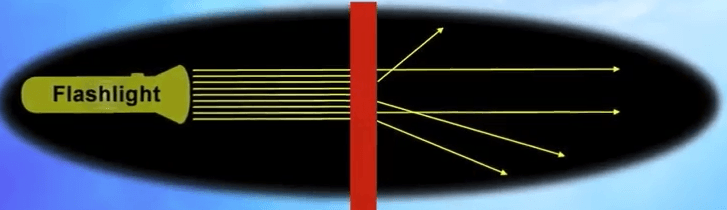
Translucent: If an object is translucent, it means that some light passes through it but the light is scattered so you can’t see clearly through it.
Opaque: If an object is opaque, it means no light can pass through it. It blocksthe light.
Differentiate between transparent, translucent and opaque. What is the second statement of the audio clip?
Transparent: If an object is transparent, it means light completely passes through it andyou can see clearly through it.
Translucent: If an object is translucent, it means that some light passes through it but the light is scattered so you can’t see clearly through it.
Opaque: If an object is opaque, it means no light can pass through it. It blocksthe light.
Differentiate between transparent, translucent and opaque. What is the third statement of the audio clip?
Transparent: If an object is transparent, it means light completely passes through it andyou can see clearly through it.
Translucent: If an object is translucent, it means that some light passes through it but the light is scattered so you can’t see clearly through it.
Opaque: If an object is opaque, it means no light can pass through it. It blocksthe light.
What is the best description of an opaque material?
no light passes through the material
some light passes through the material
all light passes through the material
What is the best description of a transparent material?
no light passes through the material
some light passes through the material
all light passes through the material
What is the best description of a translucent material?
no light passes through the material
some light passes through the material
all light passes through the material
Which pictures shows a translucent image?

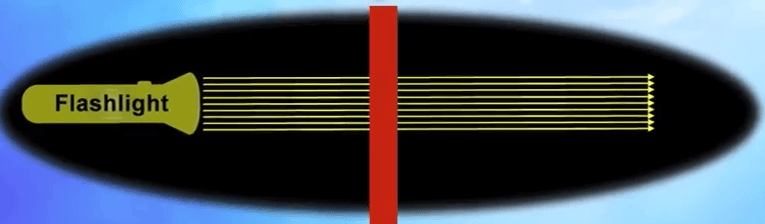
Which pictures shows a transparent image?
Which pictures shows a translucent image?

What type of object is shown in the picture?
opaque
transparent
translucent

What type of object is the glass in the glasses considered?
opaque
transparent
translucent

What type of object is a mirror considered?
opaque
transparent
translucent
What type of object is the black rim around the glasses considered?
opaque
transparent
translucent

What type of object is the polarized lens in the sunglasses considered?
opaque
transparent
translucent
Write properties of materials. What is the first statement of the audio clip?
Properties of materials are:
Appearance
Hardness
Solubility
Density
Write properties of materials. What is the second statement of the audio clip?
Transparency
Appearance
Hardness
Solubility
Density
Write properties of materials. What is the third statement of the audio clip?
Transparency
Appearance
Hardness
Solubility
Density
Write properties of materials. What is the fourth statement of the audio clip?
Transparency
Appearance
Hardness
Solubility
Density
Write properties of materials. What is the fifth statement of the audio clip?
Transparency
Appearance
Hardness
Solubility
Density
Write properties of materials. What is the sixth statement of the audio clip?
Transparency
Appearance
Hardness
Solubility
Density
Why don’t we use paper or cloth for making tumbler? What is the first statement of the audio clip?
We cannot use paper or cloth for making tumbler because
Paper or cloth is not hard enough to hold water.
Cloth has tiny pores through which liquid will oozes out.
Why don’t we use paper or cloth for making tumbler? What is the second statement of the audio clip?
We cannot use paper or cloth for making tumbler because
Paper or cloth is not hard enough to hold water.
Cloth has tiny pores through which liquid will oozes out.
Why don’t we use paper or cloth for making tumblers? What is the third statement of the audio clip?
We cannot use paper or cloth for making tumbler because
Paper or cloth is not hard enough to hold water.
Cloth has tiny pores through which liquid will oozes out.
Write the similarities between gold, silver and copper. What is the first statement of the audio clip?
Similarities between gold, silver and copper are:
They all are metals.
They all have lustre.
They are hard.
Write the similarities between gold, silver and copper. What is the second statement of the audio clip?
Similarities between gold, silver and copper are:
They all are metals.
They all have lustre.
They are hard.
Write the similarities between gold, silver and copper. What is the third statement of the audio clip?
Similarities between gold, silver and copper are:
They all are metals.
They all have lustre.
They are hard.
Write the similarities between gold, silver and copper. What is the fourth statement of the audio clip?
Similarities between gold, silver and copper are:
They all are metals.
They all have lustre.
They are hard.
It is used for books, notebooks, newspapers, calendars etc..

What is this object made of?
Wool
Plastic
Rubber
Glass

What is this object made of?
Plastic
Wool
Gold
Metal

What is this object made of?
Gold
Silver
Wood
Wool

What is this object made of?
Plastic
Wood
Silver
Gold

What is this object made of?
Wool
Wood
Plastic
Rubber

What is this object made of?
Glass
Plastic
Wool
Silver


What is this object made of?
Rubber
Plastic
Wood
Wool


A chair is made of ....
Wood
Metal
Plastic

A Window is made of ...
metal and glass
glass and plastic
Wood and fabric

A notebook is made of ...
metal and glass
rubber and fabric
paper and metal


How grouping of items help the shopkeeper? What is the first statement of the audio clip
Proper grouping of items helps the shopkeeper in the following ways:
He can locate the items easily and in lesser time.
He can easily find out which item is about to finish and he can order them on time for his
How grouping of items help the shopkeeper? What is the second statement of the audio clip
Proper grouping of items helps the shopkeeper in the following ways:
He can locate the items easily and in lesser time.
He can easily find out which item is about to finish and he can order them on time for his
How does grouping of items help the shopkeeper? What is the third statement of the audio clip
Proper grouping of items helps the shopkeeper in the following ways:
He can locate the items easily and in lesser time.
He can easily find out which item is about to finish and he can order them on time for his
With help of an experiment prove that water is transparent. What is the first statement of the audio clip?
Take a glass tumbler half filled with water. Drop a coin in the glass.
Place the glass undisturbed for some time in a place where there is enough light.
Now see the coin from the top of the glass.
You can see the coin immersed in water clearly.
This shows that water is a transparent liquid.
With help of an experiment prove that water is transparent. What is the second statement of the audio clip?
Take a glass tumbler half filled with water. Drop a coin in the glass.
Place the glass undisturbed for some time in a place where there is enough light.
Now see the coin from the top of the glass.
You can see the coin immersed in water clearly.
This shows that water is a transparent liquid.
With help of an experiment prove that water is transparent. What is the third statement of the audio clip?
Take a glass tumbler half filled with water. Drop a coin in the glass.
Place the glass undisturbed for some time in a place where there is enough light.
Now see the coin from the top of the glass.
You can see the coin immersed in water clearly.
This shows that water is a transparent liquid.
With help of an experiment prove that water is transparent. What is the fourth statement of the audio clip?
Take a glass tumbler half filled with water. Drop a coin in the glass.
Place the glass undisturbed for some time in a place where there is enough light.
Now see the coin from the top of the glass.
You can see the coin immersed in water clearly.
This shows that water is a transparent liquid.
With help of an experiment prove that water is transparent. What is the fifth statement of the audio clip?
Take a glass tumbler half filled with water. Drop a coin in the glass.
Place the glass undisturbed for some time in a place where there is enough light.
Now see the coin from the top of the glass.
You can see the coin immersed in water clearly.
This shows that water is a transparent liquid.
Write an experiment to show that sugar and salt is soluble in water whereas solid like sand and chalk are insoluble in water. What is the first statement of the audio clip?
Take 4 beakers half filled with water.
Add 1 teaspoonful of sugar to the first beaker, salt to second, sand to the third beaker and chalk powder to the fourth beaker.
Stir content of each beaker.
We will see that sugar and salt dissolve completely whereas sand and chalk powder do not dissolve.
Write an experiment to show that sugar and salt is soluble in water whereas solid like sand and chalk are insoluble in water. What is the second statement of the audio clip?
Take 4 beakers half filled with water.
Add 1 teaspoonful of sugar to the first beaker, salt to second, sand to the third beaker and chalk powder to the fourth beaker.
Stir content of each beaker.
We will see that sugar and salt dissolve completely whereas sand and chalk powder do not dissolve.
Write an experiment to show that sugar and salt is soluble in water whereas solid like sand and chalk are insoluble in water. What is the third statement of the audio clip?
Take 4 beakers half filled with water.
Add 1 teaspoonful of sugar to the first beaker, salt to second, sand to the third beaker and chalk powder to the fourth beaker.
Stir content of each beaker.
We will see that sugar and salt dissolve completely whereas sand and chalk powder do not dissolve.
Write an experiment to show that sugar and salt is soluble in water whereas solid like sand and chalk are insoluble in water. What is the fourth statement of the audio clip?
Take 4 beakers half filled with water.
Add 1 teaspoonful of sugar to the first beaker, salt to second, sand to the third beaker and chalk powder to the fourth beaker.
Stir content of each beaker.
We will see that sugar and salt dissolve completely whereas sand and chalk powder do not dissolve.

