
 Worksheets
Renewables and recyclables
Total questions: 104
Worksheet time: 2hrs 2mins
Which ones below are non-renewable energy?
Biofuels
Fossil fuel
Natural gas
Nuclear power
Explain why wind energy, used to turn a wind turbine, is a renewable energy resource.
__________ is an energy resource that WILL NOT run out in the next several hundred years.
Renewable energy
Non-renewable energy
__________ is an energy resource that WILL run out in the next several hundred years.
Non-renewable energy
Renewable energy
Describe an advantage of using fossil fuels as a source of energy?
Describe an advantage of nuclear power?

_________is the energy generated from the sun by using solar panels.
nuclear
wind
hydro
solar

What type of energy resource is wind?
Renewable
Non-renewable
Exhaustible

What type of energy converts the sun's rays into electricity? Is it renewable or nonrenewable?
renewable
biomass
geothermal
solar
Coal is a (a) energy resource.
Do renewable energy sources run out?
Yes
No
Natural Gas is a __________ energy resource.
Renewable
Non Renewable
__________ is an energy resource that will run out in the next several hundred years.
Renewable Energy Resource
Fossil Fuels
Non Renewable Energy Resource
Forever Fuels
Why are fossil fuels considered nonrenewable resources if they are still forming beneath the surface today?
They are being formed as a type of methane which we cannot use.
The fossil fuels are being broken down by a natural process.
They are being formed too far beneath the surface.
We are depleting the fossil fuels much faster than they can form.
Type of energy that comes from the movement of the air.
Solar Energy
Geothermal Energy
Hydroelectric Energy
Wind Energy
Type of energy that is generated from the heat stored in the Earth.
Tidal Wave Energy
Geothermal Energy
Hydraulic Energy
Solar Energy
Why are fossil fuels like coal, oil, and natural gas called nonrenewable resources?
They can never be replaced.
They can be recycled.
They cannot be easily replaced.
They can be made in factories.
Which example describes the use of a nonrenewable energy resource?
Gasoline is used to fuel a car.
Water is released through a dam.
Sunlight is used to heat a home.
Wind turbines spin to generate electricity.


What are DISADVANTAGES of Solar Energy?
Creates pollution and destroys rivers
Cannot be easily installed onto house, and does not work all the time
Destroys oceans and cannot use all the time
Cannot use all the time, and creating solar panels causes pollution

What are DISADVANTAGES of Wind Energy?
Creates pollution and destroys rivers
Cannot be easily installed onto house, and does not work all the time
Wind mills can harm flying animals nearby and some find them not attractive to a landscape
Wind energy can create too much energy and create power surges

Which are ADVANTAGES of Geothermal Energy?
Does not create pollution and can be used all of the time.
Can use most of the time and lasts for many years
Only needs the sun to be powered
The sun provides geothermal energy continuously

What is the BEST definition for Hydroelectric energy?
Energy captured in solar panels from radiant energy
Thermal energy from the river that is captured through tidal panels.
Converting mechanical energy from moving water to electrical through building dams
Energy captured from the areas heated by the Earth like hot springs and volcanoes

What are DISADVANTAGES of Fossil Fuels?
Creates pollution when burning, destroys earth to get the resources, will run out
Most people are not currently using this type of energy resource
Very expensive to create
We are not able to develop better/more reliable energy than fossil fuels

Which are ADVANTAGES of Biomass?
Does not create pollution and can be used all of the time.
Relatively cheap and can be replaced within a lifetime
We will never run out of these resources
The Earth can make more of these resources within 100 years

Renewable energy resources produce less_____________ than fossil fuels.
pollution
energy
wind
light
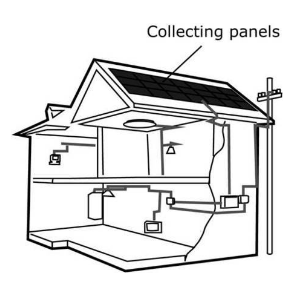
Which alternative energy source does this house use?
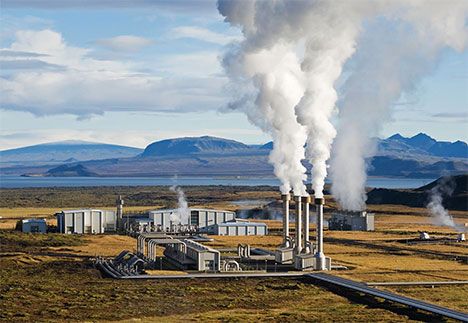
All of the following are considered renewable energy sources EXCEPT –
Wind
Coal
Biomass
Solar

Energy created from wood, peat moss, and manure is called __________________ energy.
biomass
geothermal
natural
solar
Which type of energy produces Carbon Dioxide, which can be harmful to our planet and cause pollution?
Solar Energy
Wind Energy
Fossil Fuels (Coal, oil, and gas)
Nuclear Energy
This is the cleanest burning of the fossil fuels:
Natural Gas
Coal
Petroleum
Shale
What is the problem with using fossil fuels?
They are renewable
They create a lot of pollution
They are cheap
They don't create a lot of energy
Nonrenewable energy resources...
Typically give off green house gases while renewable resources don't
Are just as clean & environmentally friendly as renewable energy resources
Are good for our health and well being
As a part of the water cycle, water from Earth's surface enters the clouds and finally falls back to the ground in the form of rain. What is the correct sequence of processes water undergoes?
Evaporation, Condensation, Precipitation
Precipitation, Condensation, Evaporation
Condensation, Evaporation, Precipitation
Evaporation, Precipitation, Condensation

The image shows various stages in the water cycle. During which stage does water flow back towards the sea as runoff?
W
X
Y
Z
What is precipitation?
Sweat from our bodies on hot days
Warm rain but not cold snow or sleet
Gas that we use in furnaces or ovens
Any form of water that falls from the sky
Condensation occurs when water vapor_____________.
heats up and becomes liquid water
cools off and becomes liquid water
freezes and becomes ice
rains on the land
The process when plants release water vapor from their leaves is called _____________.
precipitation
evaporation
transpiration
condensation

What step of the water cycle does this picture show?
Condensation
Runoff
Precipitation
Evaporation

Which best explains why runoff is important?
It returns water to other locations on Earth
It increases the chance of flooding
It makes evaporation occur faster
It increases condensation
When water changes from a liquid to a solid it is known as...
melting.
condensation.
freezing.
evaporation.
In which area would the rate of evaporation be the lowest?
Over the ocean
Over the mountains
Over the rainforest
Over the desert
An underground layer of sand, gravel or rock that stores and carries water
water table
water cycle
aquifer
Infiltration
Turns frozen water into water vapors - skipping the melting stage
Sublimation
Percolation
Transpiration
Evaporation
Water running off the land surface
Evaporation
Sublimation
Transpiration
Run-off
When clouds get too heavy and water falls back to earth in the form of rain, snow, hail or other forms.
Precipitation
Evaporation
Percolation
Transpiration

What are formed when water vapor condenses and come together?
Clouds
Mountains
Transpiration
Valleys
When water vapor is cooled and forms droplets of liquid water
Condensation
Evaporation
Transpiration
Runoff

________________ is movement of water past the soil going deep into the groundwater.
Evaporation
Transpiration
Percolation
Sublimation
____________________ is the process by which water on the ground surface enters the soil.
Infiltration
Percolation
Deposition
Condensation
__________________ is the process by which moisture is carried through plants from roots to small pores on the underside of leaves, where it changes to vapor and is released to the atmosphere. It is essentially evaporation of water from plant leaves.
Transpiration
Percolation
Infiltration
Plant Uptake
Water that flows across the land and enters rivers and streams. It eventually flows into lakes and the ocean.
Transpiration
Surface Runoff
Deposition
Precipitation
Select one way to reduce water use.
wash dishes under a running tap
install a rain barrel to downspouts
take baths instead of showers
Water that flows across the land and enters rivers and streams. It eventually flows into lakes and the ocean.
Transpiration
Surface Runoff
Deposition
Precipitation

What is it?
trash
recyclable

Is it recyclable?
Yes
No

What did they pick up?
Trash
Recyclables
What is to recycle?
To transform things into materials for new things
to use something more than once
use and produce less things
What do you do with newspapers and magazines?
nothing
burn
take them to a buy-back centre
take them to a recycling bank
Where should glass bottles be taken?
rubbish bin
buy-back centre
back to shop
recycling bank
What can we recycle? Tick the correct ones.
Paper
Most Plastics
Glass
Most Metals

This symbol means Recycling
True
False

Is a milk jug recyclable?
yes, it is.
no, it isn't.
What material is a milk jug made of?
Metal
Paper
Carton
Rubber
Plastic

Is a cereal box unrecyclable?
yes, it is.
no, it isn't.

What material is a cereal box made of?
Metal
Paper
Carton
Rubber
Plastic

Is a Pizza box unrecyclable?
yes, it is.
no, it isn't.

Is a can of soda recyclable?
yes, it is.
no, it isn't.

are chip bags unrecyclable?
yes, they are.
no, they aren't.

are light bulbs unrecyclable?
yes, they are.
no, they aren't.

are wine bottles unrecyclable?
yes, they are.
no, they aren't

What material are wine bottles made of?
Leather
Glass
Carton
Aluminum
Which is NOT a method of waste management?
Reducing and reusing
Waste disposal
Waste storage
Burning trash
Which of the following biodegradable wastes are kitchen wastes?
hard shells (nut shells)
fish/fowl
fruit scraps
seeds
Which is the process of turning used or waste materials into new, useful products?
composting
recycling
reducing
reusing
Which non-biodegradable wastes are recyclables?
cartoons
used/worn-out rags
styrofoam
soiled tissue paper

Tupperware
Reusable Materials
Disposable Materials

Used napkins
Recyclable Materials
Disposable Materials

Face mask
Recyclable Materials
Disposable Materials

Styrocups
Recyclable Materials
Disposable Materials

Plastic spoons
Reusable Materials
Disposable Materials

Towels
Reusable Materials
Disposable Materials

