
 Worksheets
Bundle 2 Review
Total questions: 50
Worksheet time: 30mins
Subatomic particles with a negative charge
Electrons
Neutrons
Protons
Quarks
The atomic mass of an atom is equal to
number of protons plus number of neutrons
number of protons plus number of electrons
number of electrons plus the number of neutrons

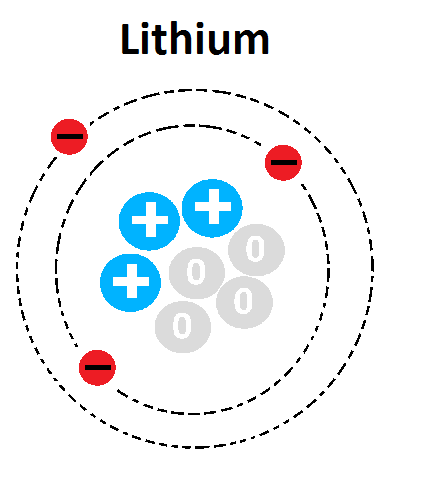
How many protons and electrons does this element have?
35
18
17
52

How many neutrons does calcium have?
20
40
60
0


At what part of the atom is the arrow pointing?
nucleus
energy level
electron
proton

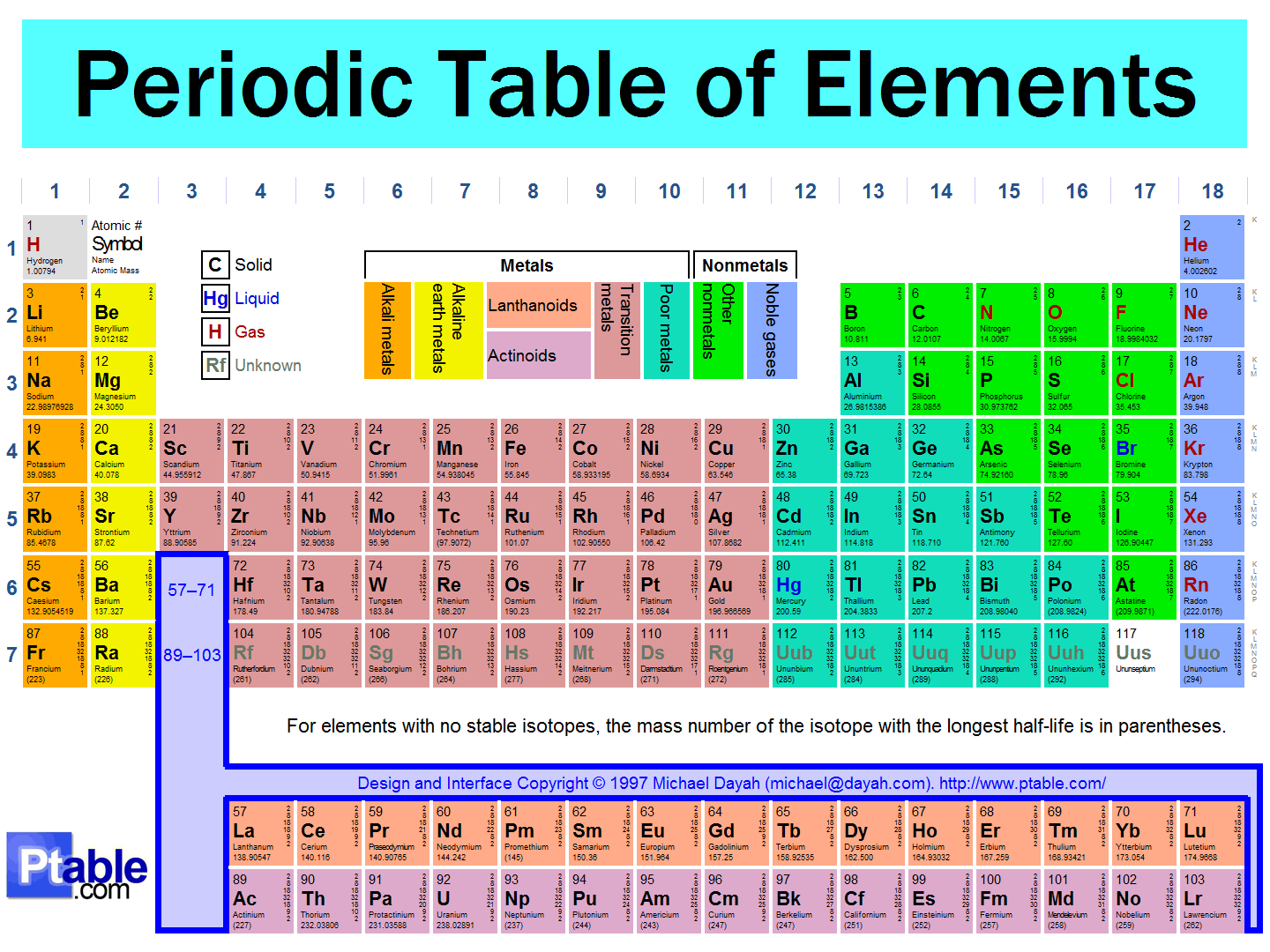
What group and period is Te in?
Group 16, Period 5
Period 16, Group 5
Group 13, Period 5
Group 16, Period 3
What is the atomic number of Te?
127
5
16
52
If the atomic number of Te is 52, and the mass of an atom of Te is 128, how many neutrons does this atom have?
128
76
180
52
An atom has 11 protons, 10 electrons, and 12 neutrons. What is the mass number of this element?
12
33
11
23
What is the charge on a proton?
+1
-1
0
What is the charge on a neutron?
+1
-1
0
What is the charge on an electron?
+1
-1
0

According to the data in the table, which sample of matter is most likely a metal?
1
2
3
4

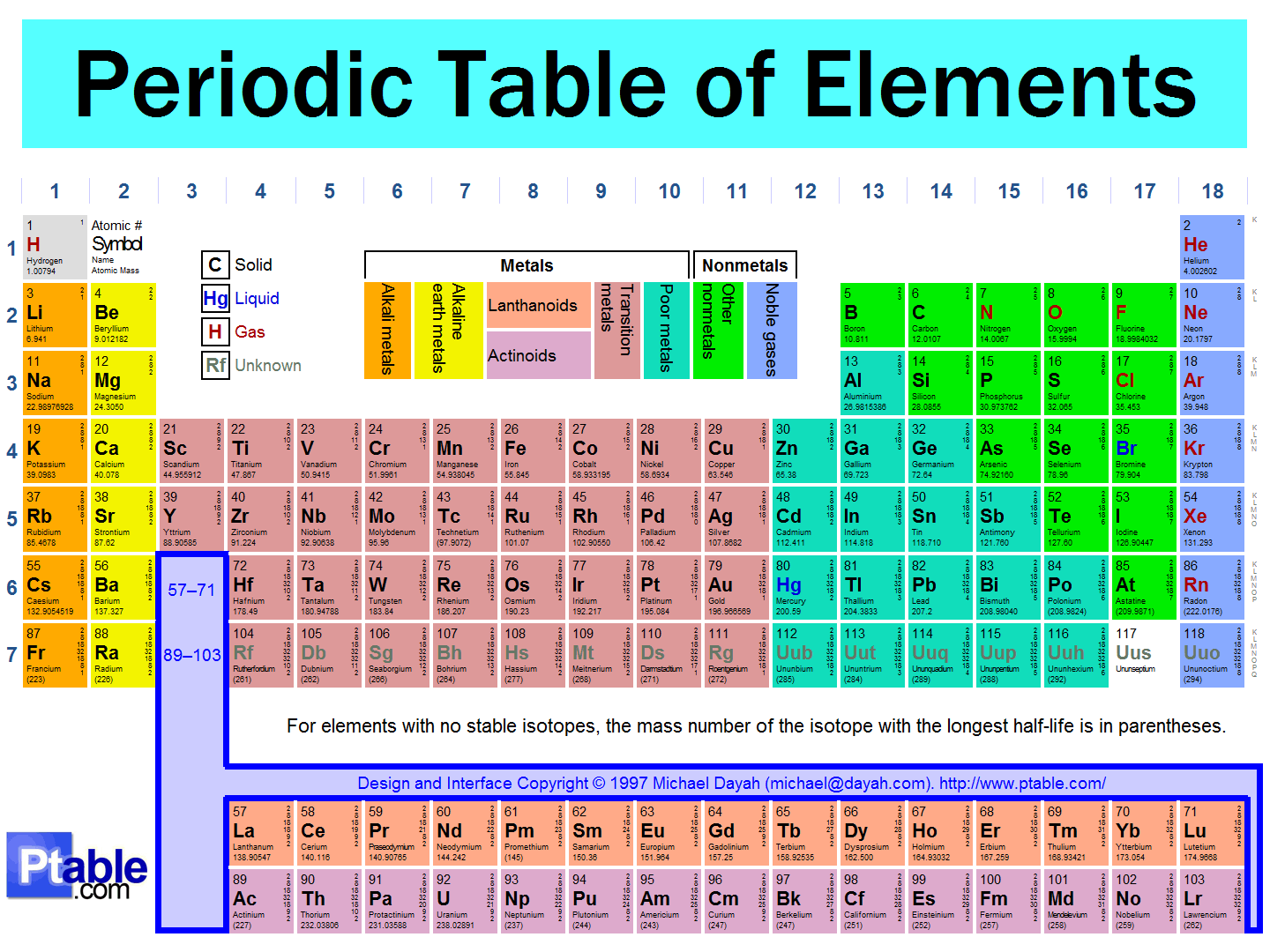
What element is this?
Nitrogen
Chlorine
Argon
Phosphorous
Which of the following is MOST reactive?
Lithium
Lead
Tin
Copper

What are valence electrons?
The total number of electrons in an atom
The number of electrons in the outermost shell
The number of electrons in the second shell
The number of protons in the outermost shell
Which elements have the most similar chemical properties?
boron and carbon
oxygen and sulfur
aluminum and bromine
argon and silicon
The atomic number of an element is equal to its number of protons. Therefore, a logical conclusion is that the number of protons determines an element’s-
Mass and atomic weight.
The number of stable isotopes.
Identity
State of matter
The atoms of a certain element each contain 11 protons and 1 valence electron. Which statement correctly identifies this element and describes its chemical reactivity?
The element is fluorine, and it is not very reactive.
The element is sodium, and it is not very reactive.
The element is sodium, and it is highly reactive.
The element is fluorine, and it is highly reactive.
______________ refers to the way a metal can be hammered or rolled into thin sheets.
Luster
Malleable
Metalloids
Solid
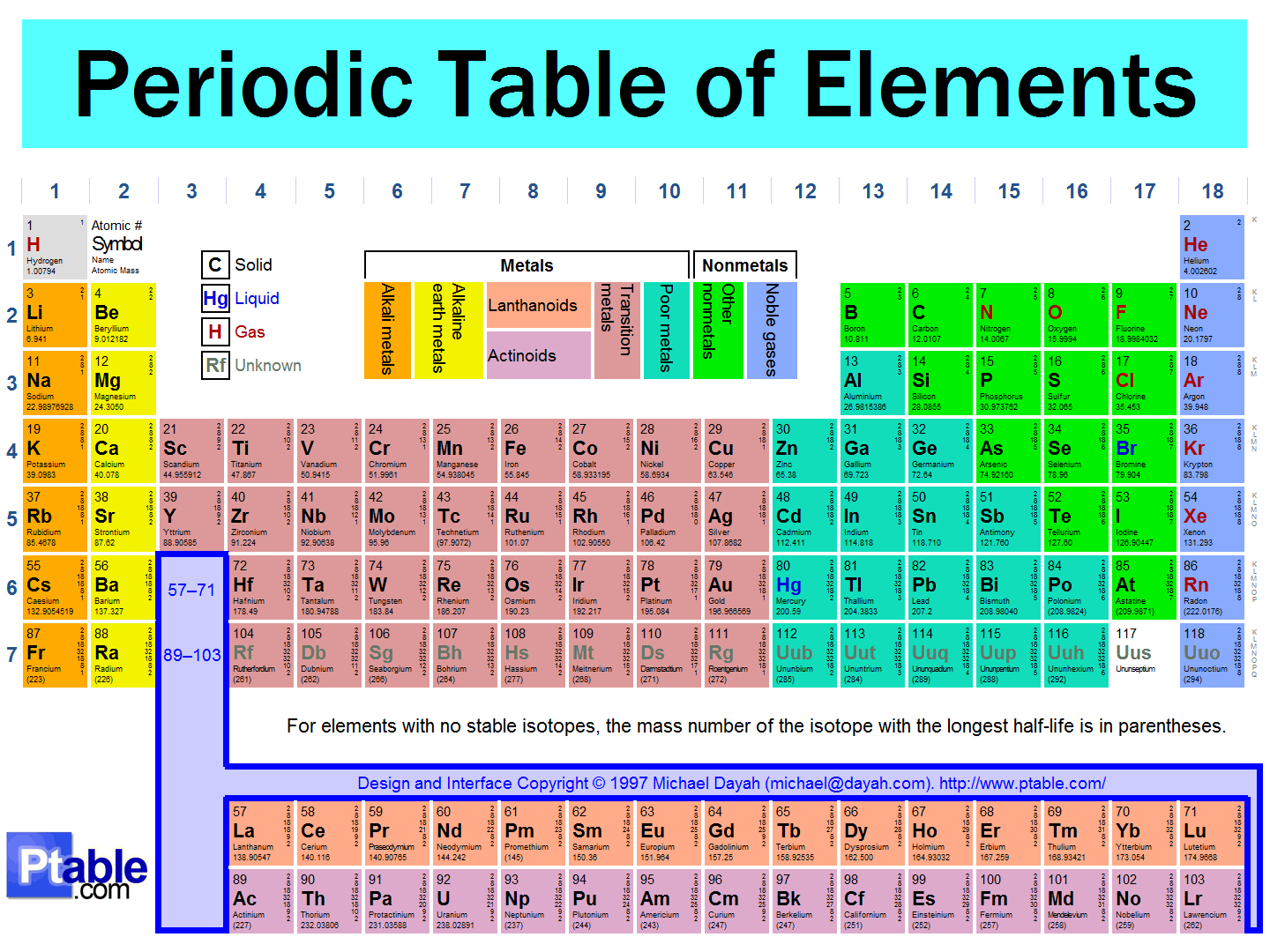
Metals are found on the ______________ side of the periodic table.
nonmetals
left
right
metals
This group of elements have properties that are opposite those of metals. ______________________
luster
nonmetals
metalloids
metals
Copper is a common metal. Which of the following properties does this metal most likely have?
High conductivity, high malleability, and low luster
Low conductivity, low malleability, and low luster
High conductivity, high malleability, and high luster
Low conductivity, high malleability, and high luster
Which group of the periodic table is composed of inert (not reactive) gases?
answer choices
alkali metals
alkaline earth metals
halogens
noble gases
Elements in a .................. have similar chemical properties.
period
group
row
Which of the following are physical properties of metal?
Luster
Conductivity
Malleability
Ductility
Which of the following could be properties of nonmetals?
Poor electrical conductivity
Poor thermal conductivity
Dullness
Brittleness
I am a nonmetal
I am in period 2
I am in group 16/6A
Ba
Si
O
S
I am a metal
I am in group 2
I am in period 6
I am…
Mo
Re
S
Ba
These two elements have similar chemical properties to Barium (Ba).
Ca and Ra, because they are in the same group.
Cs and La, because they are in the same period number.
Ca and Y, because they are 90 degree angle.

Which two cities are most likely to experience clear, dry weather?
Seattle & San Francisco
Chicago & Minneapolis
Chicago & Nashville
Dallas & Houston
An element is determined by the number of ___________________ (also known as its atomic number).
Neutrons
Electrons
Protons
Wontons
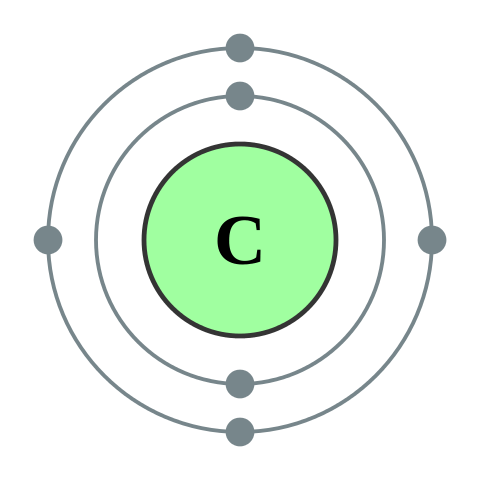
How many valence electrons does carbon have?
4
5
6
7

How many protons does Chlorine have?
HINT: A=P=E M-A=N
35
17
18

How many neutrons does an atom of Sulfur have with a mass number of 32?
HINT: A=P=E M-A=N
7
32
2
16

