
 Worksheets
Topic 1 Test Study Guide
Total questions: 76
Worksheet time: 49mins
Constructive processes build surface features. Several forces have been in action to alter the landscape of Earth for billions of years. Some are _________processes like the deposition of soil and the gradual uplifting of blocks of land along fault zones.
slow
rapid
_______ processes quickly change the surface, such as earthquakes and volcanic eruptions.
slow
rapid
Nature’s change agents have been both _____________and _____________by building up and carving Earth’s surface for many years, creating slow and rapid changes to landforms that resulted in an amazing diversity of landscapes.
positive and negative
great and small
constructive and destructive
natural and manmade
River deltas, beaches, dunes, sandbars, floodplains, Glacial moraines, and Alluvial fans are all examples of soil deposition and
Constructive processes.
Destructive processes.
Can a process that alters the Earth’s surface be both destructive and constructive, such as earthquakes and volcanic eruptions?
True
False
________ breaks down land as it carries away weathered material.
Weathering
Erosion


When plants use their roots to get water from the ground, which 2 spheres are interacting? (choose 2)
Geosphere
Hydrosphere
Atmosphere
Biosphere

When a river deposits sediment, which 2 spheres are interacting? (choose 2)
Geosphere
Hydrosphere
Atmosphere
Biosphere

What is the biosphere?
all the air and gases on the planet
made up of living things
the non-living soil, rocks, and minerals of the Earth
the rivers, lakes, and oceans of the Earth
What is the first step in the scientific method?
Data
Conclusion
No Horse Play
Observe a problem
The difference between the highest and lowest point is ...
relief
elevation
plain
The height above sea level at any point of Earth´s surface is ...
relief
elevation
plateau


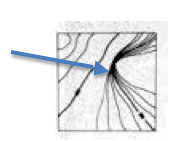
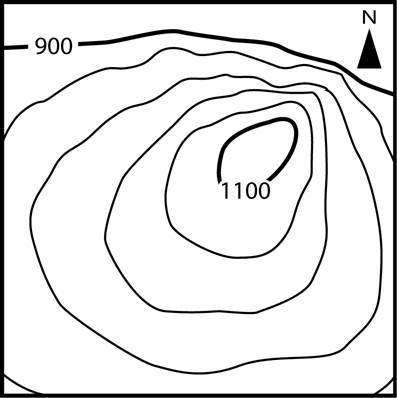
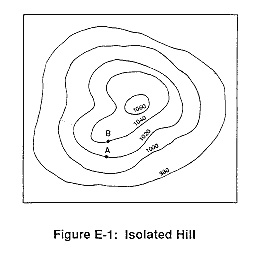
The steepest slope on this hill can be found on the side that is facing which direction?

What main sphere is this shown in this picture?
Hydrosphere
Atmosphere
Biosphere
Geosphere
What main sphere is this shown in this picture?
Hydrosphere
Atmosphere
Biosphere
Geosphere
Pick all examples down below that have to do with biosphere.
Ocean
Human
Sunflower
limestone
What does Hydro stand for?
Rock
Air
Water
Living things
What is an example of geosphere?
Creek
clouds
Human
Sand

What sphere is mainly represented in this picture?
Hydrosphere
Atmosphere
Biosphere
Geosphere
When humans are coal mining, what sphere are they affecting while mining for the coal?
(a)

What is the main sphere represented in this picture?
Hydorsphere
Atmosphere
Geosphere
Biosphere
Select all that apply. What are examples of geosphere?
soil
Limestone
oceanfloor
flower
The prefix "bio" comes from a Greek word that means what?
LIFE
WATER
AIR
GROUND
The prefix "geo" comes from a Greek word that means what?
LIFE
WATER
AIR
GROUND
The prefix "atmo" comes from a Greek word that means what?
LIFE
WATER
AIR
GROUND
The prefix "hydro" comes from a Greek word that means what?
LIFE
WATER
AIR
GROUND
The prefix "cryo" comes from a Greek word that means what?
FROST
WATER
AIR
EARTH
Which of the following is found in the earths Geosphere?
Minerals
Rocks
Soil
ALL of the Above

The picture is an example of the -
Geosphere
Hydrosphere
Atmosphere
Biosphere

An example of an interaction between the atmosphere and hydrosphere is -
Precipitation
soil
rivers
oxygen

Identify the interaction between which two of Earth's spheres shown in the picture.
Atmosphere - Biosphere
Hydrosphere - Atmosphere
Hydrosphere - Geosphere
Geosphere - Biosphere
What is the connection between the hydrosphere and the cryosphere?
The hydrosphere includes the liquid inner core of earth.
The cryosphere is the solid outer core of Earth.
The hydrosphere is the soil on Earth's crust.
The cryosphere are the rocks and minerals on Earth's crust.
The hydrosphere includes only rainfall that comes from the atmosphere.
The cryosphere is the ice and snow that falls from Earth's atmosphere.
The hydrosphere includes all the waters on the Earth's surface, such as oceans, lakes, rivers, streams, and groundwater.
The cryosphere is the frozen water on Earth including glaciers, sea ice, snow, freshwater ice, and frozen ground (permafrost).
Lithosphere is another way of saying Geosphere?
True
False
Which sphere is composed of all the living things?
atmosphere
hydrosphere
biosphere
geosphere

When plants use energy from the sun and convert carbon dioxide from the air and water into oxygen and glucose sugars, which two main spheres are interacting?
Atmosphere - Biosphere
Geosphere - Atmosphere
Hydrosphere - Geosphere
Geosphere - Biosphere
The sum total of all water on Earth and in its atmosphere is called the:
Biosphere
Terrasphere
Hydrosphere
Liquisphere
Oceans, the atmosphere, and groundwater are all ________ in the water cycle.
Nodes
Sinks
Reservoirs
Stations
Water perpetually cycles from the Earth to the atmosphere and back. In the previous sentence, what does "perpetually" mean?
Constantly
Frequently
Occasionally
Rarely
What effect does the sun have on surface water?
It causes it to boil
It causes it to rain
It causes it to sink
It causes it to evaporate
What is it called when rainwater contributes to the flow of rivers and streams?
Transformation
Runoff
Irrigation
Desertification
Which of the following options depicts precipitation?


Which of the following describes condensation?
Ice becoming water when placed into a warm liquid.
Water becoming ice in a freezer
Liquid water being heated until it turns into steam.
Steam from a teapot turning into liquid water.
What can you infer from the fact that there is the same amount of water on the planet now as there was one billion years ago?
The total amount of water on earth changes gradually over time.
There will probably be the same amount of water on the planet a billion years from now.
There have been many fluctuations in the water cycle over the last billion years.
There will be much less water on earth one billion years from now.
Which reservoir in the water cycle contains the most water?
The ice caps
The oceans
Groundwater
Surface water
How long do molecules of groundwater stay in the ground?
Days
Weeks
Months
Anywhere from days to thousands of years
What is another name for the water cycle?
Aqua Cycle
Hydrologic Cycle
Hydrolytic Cycle
Carbon Cycle
Where is 96.5% of the Earth's water the primary pathway into the water cycle?
Atmosphere
Rivers, Lakes, Ponds
Ocean
Groundwater
The process by which water changes from a liquid to a gas.
evaporation
condensation
sublimation
precipitation
The sun provides what for the evaporation process
light
energy source
fire
water
The ________ it is the faster water changes into water vapor.
colder
drier
hotter
slower
Plants return groundwater to the atmosphere through which process?
evaporation
sublimation
transpiration
condensation
The process in which water vapor in the air is changed into liquid water is called:
evaporation
transpiration
sublimation
condensation
When water deos not get absorbed into soil or evaporate into the atmosphere it becomes __________.
precipitation
sublimation
runoff
transpiration
________ moves groundwater into places where it collects, like ponds and rivers.
sunlight
evaporation
gravity
sewers
Another name for groundwater stored in water bearing formations.
pools
ponds
aquifers
infiltration

