
Font size
 Worksheets
Ecosystems Review
Total questions: 65
Worksheet time: 2hrs 1mins

What is the gradual, sequential, regrowth of a community?
Ecological succession
Biomes
Carrying capacity
Conservation

Development of life in an area where NO life was originally present
Primary succession
Secondary succession
Pioneer species
Biomes

Development of life in an area AFTER life was disrupted by humans or a natural disaster
Primary succession
Secondary succession
Pioneer species
Biomes

The first species to thrive in a new area
Primary succession
Secondary succession
Pioneer species
Biomes
Biotic factors in an ecosystem include...
people & animals
water resources
only members of the food chain
plants, animals, and other organisms

What is a living thing that breaks down plant and animal material, returning the nutrients to the soil?
Producer
Primary consumer
Secondary consumer
Decomposer
What is a living thing that converts energy from the environment into sugars?
Producer
Primary consumer
Secondary consumer
Decomposer
The place where an organism lives is its:
home
territory
habitat
niche

an ecosystem consists of:
all of the biotic factors in a given area
the types of plants that inhabit a given area
abiotic factors such as the sun, salinity, temperature, and weather found in a specific area
all of the biotic factors and their interactions with the abiotic factors in a given area


Click on the image to make it larger-- Choose all that apply: The hawk gets energy from...
mouse
rabbit
wildflowers
snake

Click on the image to make it larger-- Choose the living things that are producers...
wildflowers
rabbit
snake
grass
Consumers that feed on plants are also known as ____________.
herbs
herbivores
spores
reservoirs
Consumers that eat other animals are also known as ________________.
carnivores
carnivals
producers
decomposers

In this energy pyramid, which organisms have the most energy available?
Producers
Carnivores
Herbivores
Top Predator
What does a primary consumer eat?
tertiary consumers
secondary consumers
producers
decomposers
Word that means the same thing as consumer is...
producer.
autotroph
carbohydrate
heterotroph

Which organism is a secondary consumer (3rd trophic level)?
larvae
capecod
killifish
snapper
The following are known effects of burning Fossil Fuels, EXCEPT...
Excessive CO2 release to the environment causing more heat trapping gas and creating Global Warming
Excess of CO2 in the air causing more CO2 absorbed by the oceans decreasing the PH of water (ACIDIFICATION)
The use of this Energy resource promotes rapid replenish of it from its natural sources so that there is always a constant supply of it
The techniques used for Fossil Fuel extraction cause massive decrease of biodiversity due to damage of ecosystems
The BEST way to distinguish Primary Succession from Secondary Succession is...
The presence of Lichens in the first stage
The absence of Fire as a cause of Succession
The time it takes to reach Climax (Primary takes longer, Secondary takes less)
The absence of soil in the first stage
Non-living things that make up an ecosystem
Abiotic Factor
Biotic Factor
Ecosystem
Organism
Living things that make up an ecosystem
Abiotic factor
Adapataion
Biotic Factor
Coevolution
All members of an ecosystem
Community
Organism
Population
Species
Any living thing that survives by eating other living things.
Consumer
Decomposer
Predator
Producer
All plants and animals in an environment, including their interactions with each other
Biome
Community
Ecosystem
Population
Any living thing
Community
Organism
Population
Species
All members of a species in an ecosystem.
Community
Organism
Population
Species
Make their own food to survive (plants)
Consumers
Decomposers
Predators
Producers
Which of the following options is biotic?
Water
Air
Rocks
A spider
Which of the following options is abiotic?
Water
Spiders
Dolphins
Trees
What do omnivores eat?
only meat
meat and plants
pop tarts
What do carnivores eat?
only plants
only meat
plants and meat

Where does the flow of energy start in a food chain?
Deer
Sun
What is a producer?
An organism that creates its own food.
An organism that eats other organisms for energy
An organism that eats other dead organisms
A(n) _____ is a community of living things interacting with nonliving parts of the environment.
Niche
Biome
Ecosystem
The number of organisms of the SAME SPECIES living in a particular area at the same time...
Population
Community
Ecosystem
An interacting group of VARIOUS SPECIES in a common location is a...
Habitat
Population
Community
An organism's SPECIFIC ROLE in an ecosystem is called their...
Habitat
Niche
Biome

Producers are ...
plants
able to do photosynthesis
also called autotrophs
all of these are true

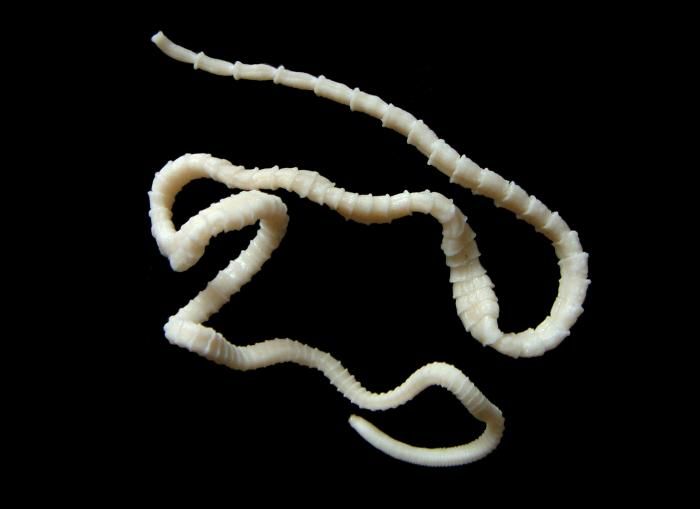
A tapeworm lives in the intestine of a cat absorbing nutrients through its skin. A tapeworm and a cat have this type of relationship.
mutualism
parasitism
commensalism
competition
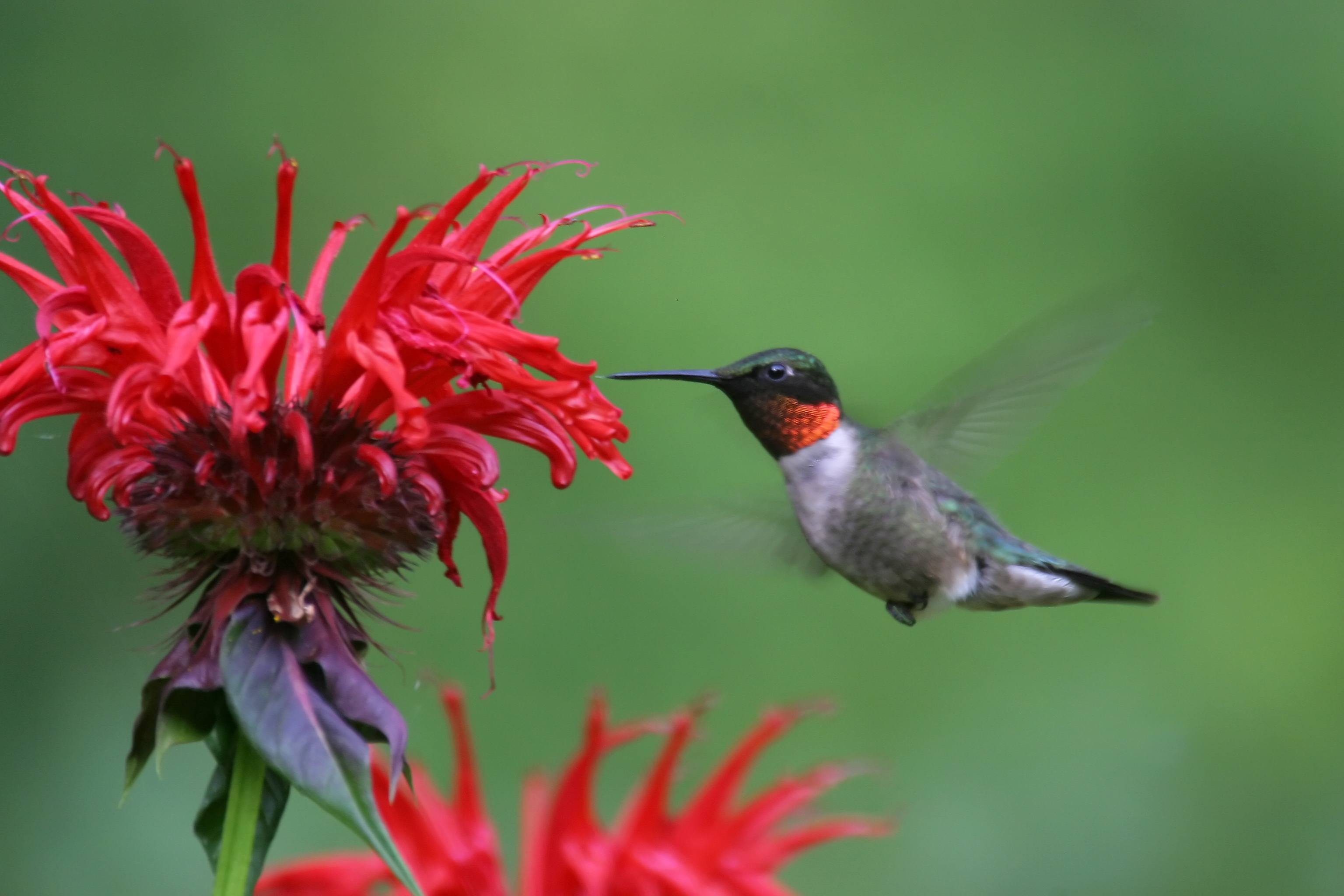
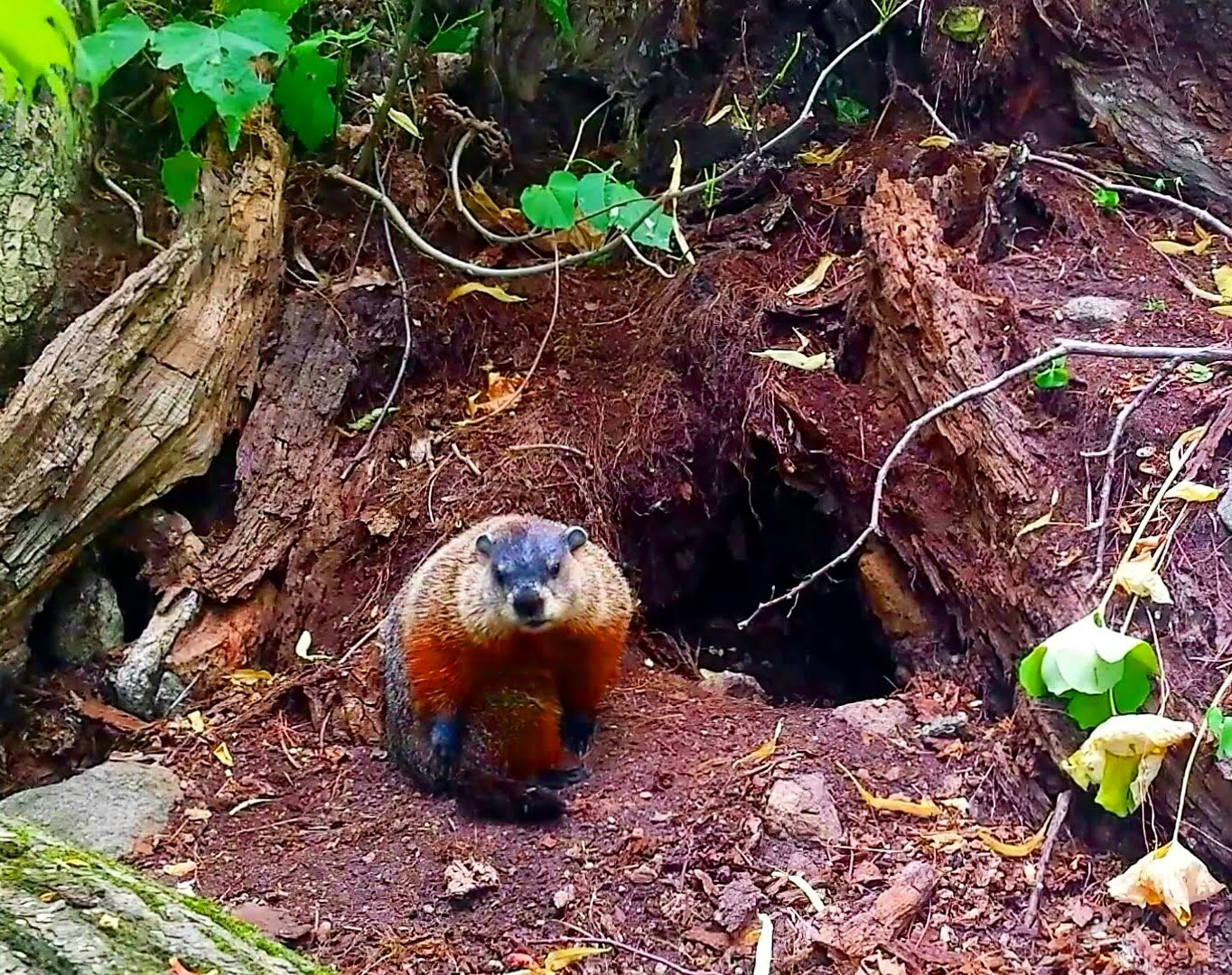
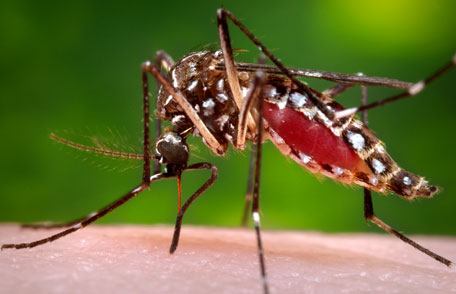

Mockingbirds will push the eggs out of a blue bird's nest and use the nest for it's own babies illustrating...
commensalism
parasitism
mutualism
predation

Clown fish live among anemones, acting as a lure for the sea anemone's prey. The clown fish get protection and shelter from the anemone. This is an example of which type of symbiosis?
Commensalism
Mutualism
Parasitism

A bee and a flower work together to benefit each other. This is an example of a ______. The bee helps the flower by pollinating it and the flower helps the bee by providing it with nectar.
commensalistic relationship
parasitic relationship
mutualistic relationship


In this energy pyramid, which organism has the least amount of energy available?
Producers
Herbivores
Carnivores
Top Predator

Using the diagram provided, which of the following energy pyramids best represents the data?


What converts nitrogen gas into a usable form for plants and animals?
bacteria
rain
fungi
car exhaust
The biological transformation of ammonia or ammonium to nitrites and nitrates.
ammonification
denitrification
nitrification
nitrogen fixation
Match the following steps of the nitrogen cycle to how they move bacteria.
Atmosphere to Geosphere
Nitrogen Fixation
Geosphere to Biosphere
Assimilation
Biosphere to Geosphere
Ammonification
Geosphere to Atmosphere
Denitrification
What are the negative effects of higher atmospheric CO2 levels?
Global Warming/higher sea levels/acidic oceans
No more snow days
Raised Ocean pH
Carbon Dioxide
The good bacteria
helps with digestion
provides essential vitamins
protects you against bad bacteria
All of the above

