
 Worksheets
SCIE9 MT REVIEW
Total questions: 60
Worksheet time: 30mins
Which of the following structures is NOT part of the respiratory system?
Bronchi
Trachea
Heart
Which organ is responsible for the exchange of oxygen and carbon dioxide in the body?
heart
stomach
liver
lungs
What is the function of the bronchioles in the respiratory system?
To regulate airflow to the alveoli
To warm and humidify the air
To exchange gases with the blood
To transport oxygen to the body's cells
What substance do we need to breathe in?
Water
Carbon dioxide
Oxygen
Carbon monoxide
What are the tiny air sacs on the surface of the lungs?
Capillaries
A-Levels
Alveoli
Cellular Respiration takes place in ________________ cell organelles
Mitochondria
Nucleus
Cytoplasm
What substance do we need to breathe out?
Water
Carbon dioxide
Oxygen
Carbon monoxide
Exchange of gases takes place in the ___________ part of the lungs
Bronchi
Bronchiole
Alveoli


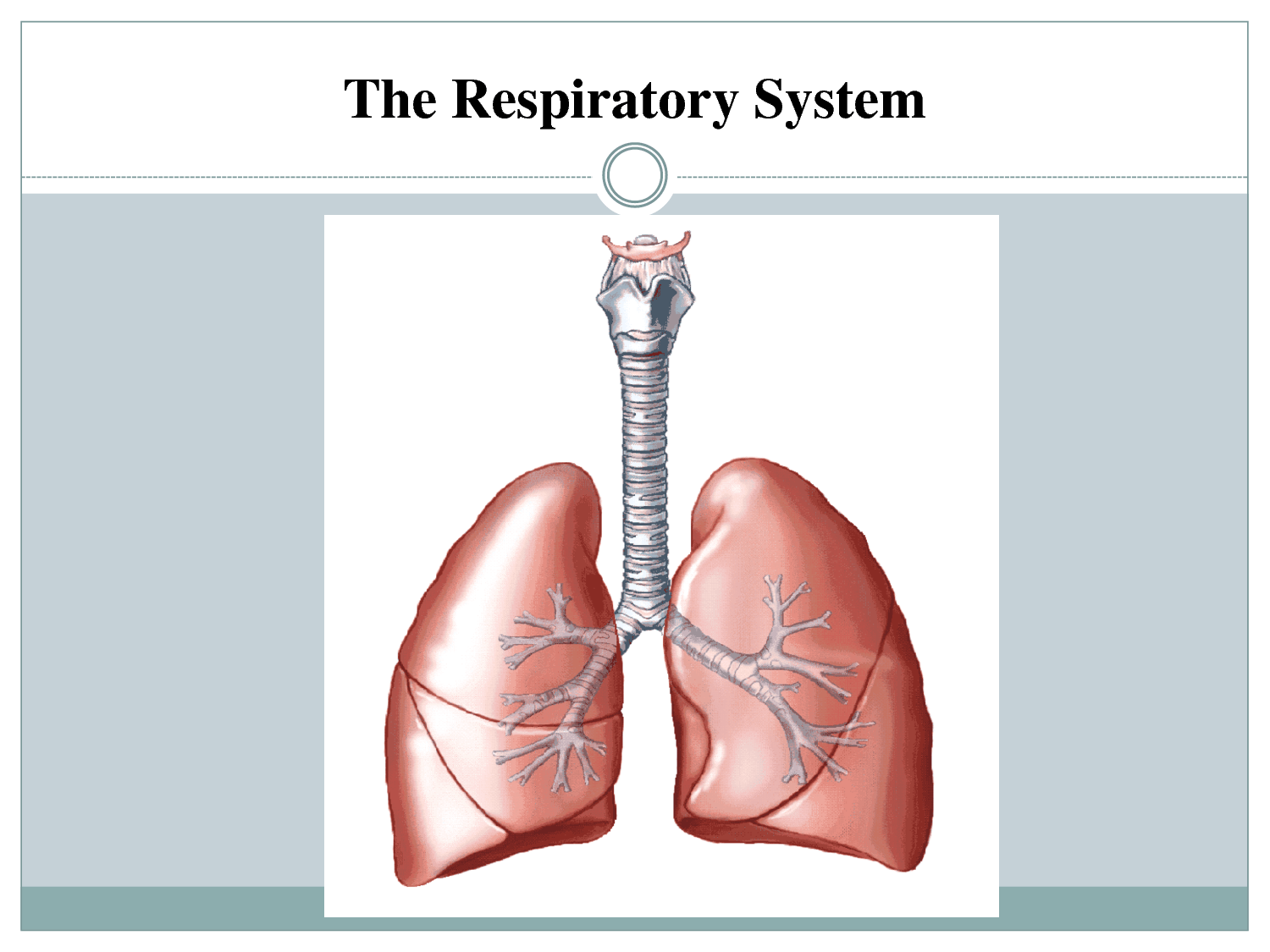

What is the anatomically correct name of the windpipe?
Pharynx
Larynx
Trachea
Please choose the correct pathway air travels though into the lungs
Nasal passage, pharynx, larynx, trachea, bronchiole, bronchi, alveoli
Nasal passage, pharynx, larynx, trachea, bronchi, bronchiole, alveoli
Nasal passage, pharynx, larynx, trachea, bronchi, alveoli, bronchiole
Nasal passage, trachea, pharynx, larynx, bronchi, bronchiole, alveoli
Taking air into the body through the respiratory tract.
Inhaling
Exhaling
Mouth
Nose
The beginning of the respiratory system that warms and moistens the air is:
trachea
nose
bronchi
larynx

Which chamber of the heart is represented in the image?
Right Atrium
Right Ventricle
Left Atrium
Left Ventricle

Prevent backflow of blood
valves
pulse
septum
heart disease
What do we call the sudden rise in blood pressure common to adults?
Hypertension
Anemia
Stroke
Heart Attack
Which type of circuit/ circulation is responsible for the movement of blood from the heart to the lungs and back to the heart?
Pulmonary Circulation
Coronary Circulation
Systemic Circulation
All of the above
A baby swallows her food and accidentally, it does not enter the esophagus. What structure does not function properly and diverted the food into the respiratory tract instead of the esophagus?
trachea
epiglottis
larynx
bronchus
The lungs bring ______ into the body, and eliminates _____ from the body.
carbon monoxide, oxygen
oxygen, carbon dioxide
carbon monoxide , carbon dioxide
oxygen , carbon monoxide
What is the basic structural and functional unit of all living organisms?
molecule
cell
tissue
organ
In which organelle does photosynthesis occur?
endoplasmic reticulum
mitochondria
nucleus
chloroplasts
What is a Punnett square used for in genetics?
Predicting possible genotypes and phenotypes of offspring
Creating pedigrees for family trees
Determining the gender of an individual
Identifying the dominant traits in a population
What is the function of the mitochondria in a cell?
Regulates cell division
Produces energy (ATP) through cellular respiration
Synthesizes proteins
Stores genetic material
10. Which organisms below that can make their own food?
autotrophs
Calvin cycle
photosynthesis
heterotrophs
5. Which pertains to the number of times the heart beats per minute?
pulse rate
bradycardia
tachycardia
heart attack
2. What is the power house of the cell?
chloroplast
guard cell
mitochondrion
cell membrane
1. Which branch of Biology that deals with the study of heredity and variation among organisms?
Anatomy
Genetics
Ecology
Evolution
Genotype or Phenotype: Freckles
Genotype
Phenotype
Genotype or Phenotype: Black hair
Phenotype
Genotype
In a Punnett square, a lower case letter stands for a ____________ allele.
dominant
recessive
homozygous
heterozygous
Which of the following are raw materials for photosynthesis?
oxygen and water
oxygen and carbon dioxide
carbon dioxide and water
carbohydrates and water
Where does the energy come from to drive photosynthesis?
Chloroplast
The sun
ATP
Glucose
Which of the following refers to the small opening of the leaves where carbon dioxide enters?
Stoma
Stroma
Mesophyll
Thylakoid
What do you call the process that converts the energy from the sun to the energy stored in plants in the form of glucose?
Metabolism
Photosynthesis
Cellular Respiration
Redox process
Producers sustain themselves without eating anything derived from other organisms.
True
False
Which of the following words mean "light"?
auto
hetero
photo
trophos
Heterotrophs are the producers of the biosphere.
True
False
In plants, what part is the major location of photosynthesis?
stems
leaves
roots
fruits
Organisms, such as plants, that make their own food are called..
heterotrophs
autotrophs
thylakoids
pigments
Photosynthesis uses sunlight to convert water and carbon dioxide into..
oxygen and carbon.
high-energy sugars and proteins
ATP and oxygen
oxygen and high-energy sugars
Plants get the energy they need for photosynthesis by absorbing
high-energy sugars
chlorophyll a
energy from the sun.
chlorophyll b
The main purpose for the process cellular respiration is ATP.
true
false
What are the products of cellular respiration? Choose 3.
water
ATP
Oxygen
Sunlight
Carbon Dioxide
The process in which a cell harvests energy from glucose and makes it into usable energy for the body is called-----
cellular fermentation
anaerobic respiration
aerobic fermentaion
cellular respiration
Most energy that is released during respiration is produced in the ____
sky
mitochondria
stoma
chloroplast

