
 Worksheets
Heartland A&P Integumentary system
Total questions: 25
Worksheet time: 15mins

What kind of tissue makes up epidermis?
simple squamous epithelium
stratified squamous epithelium
loose connective tissue proper
adipose
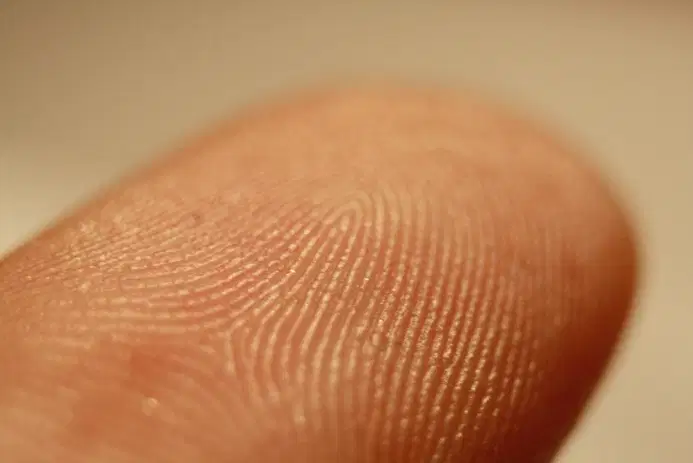
What is the name of layer that contributes to your finger prints?
hypodermis
dermal papillary
epidermis
stratum corneum
arrector pili
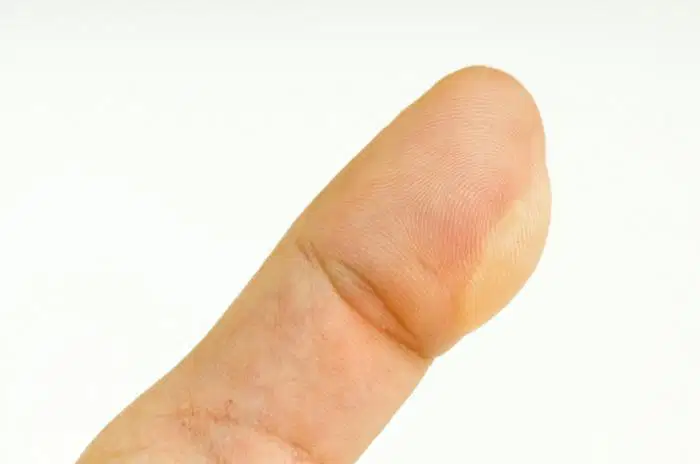
The patient presents blisters on her finger after the burn.
What degree of burn could it be?
first degree
second degree
third degree
I don't know
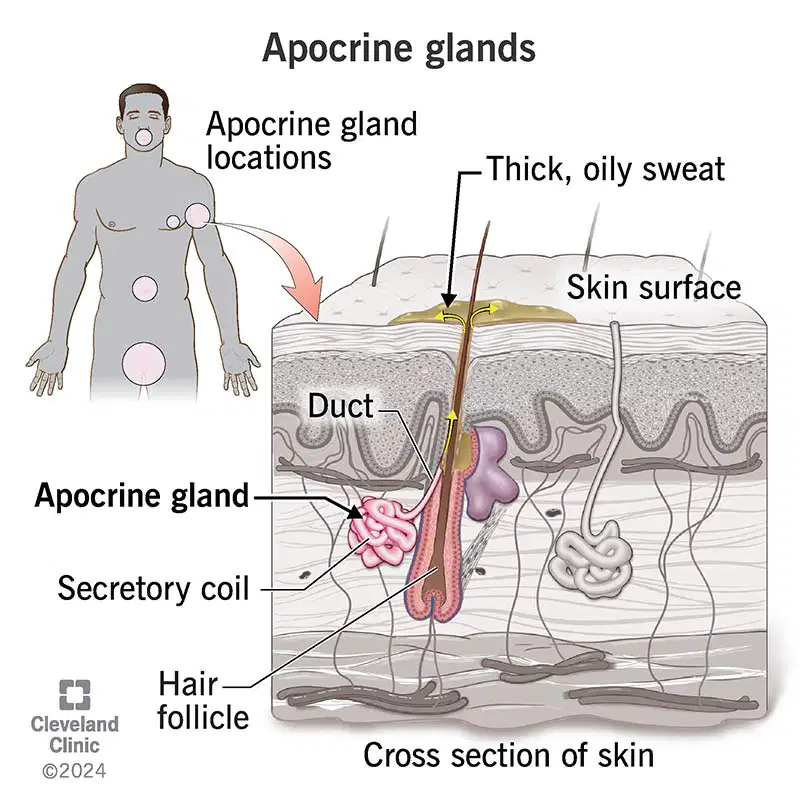
What type of glands are found in your axillary (armpit)
but NOT on your plantar (soles)?
Select ALL that apply.
sebaceous (oil) glands
merocrine (sweat) glands
lacrimal (tear) glands
apocrine (sweat) glands
Which of the following is NOT the function of hair?
Select all that apply.
Vit D synthesis
personal identity
Excretion of wastes
Thermoregulation
Mineral storage
Which of the following cells is correctly matched with the substance that it produces?
fibroblasts-collagen
keratinocytes-melanin
melanocytes-sebum
oil gland cells-keratin
osteoblasts-cartilage
What is the specialized cell found only in the deepest layer of the epidermis?
Chondrocytes
Erythrocytes
Osteocytes
Melanocytes
How do you develop darker skin pigments?
have more number of melanocytes
have more number of keratinocytes
have more amount of melanin pigment
have fewer amount of melanin pigment

The most superficial layer of epidermis
with 15-30 dead keratinized cells, is called
stratum basale
stratum spinosum
stratum corneum
stratum granulosum
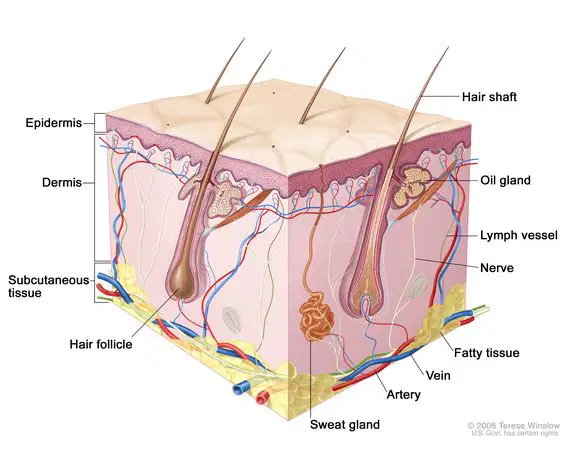
What type of tissue is NOT found in the dermal layer?
Smooth muscle
(arrector pili)
stratified squamous epithelium
loose areolar connective
dense irregular connective

What should happen first when you had skin damage with bleeding?
angiogenesis
vasoconstriction
(vasospasm)
granulation
scar formation
vasodilation
Why do you sweat when you have a fever?
to fight off pathogens
to lower your body temperature to prevent protein denaturation
to transport nutrients
to circulate chemicals
Name the structure that connects the epidermis to connective tissue underneath.
fascia
tendon
basement membrane
ligament

What kind of cell makes up the epidermis mostly?
Melanocytes
Dendritic cells
Tactile cells
Keratinocytes
Langerhans cells

The Meissner corpuscle is
A mechanoreceptor in the skin that detects light touch.
A thermoreceptor that senses temperature changes.
A pain receptor in the skin that detects sharp pain.
A receptor in the muscles that detects stretch.
The dermis has all four tissue types.
True or False?
True
The dermis contains only connective tissue
Only three tissue types are present
False
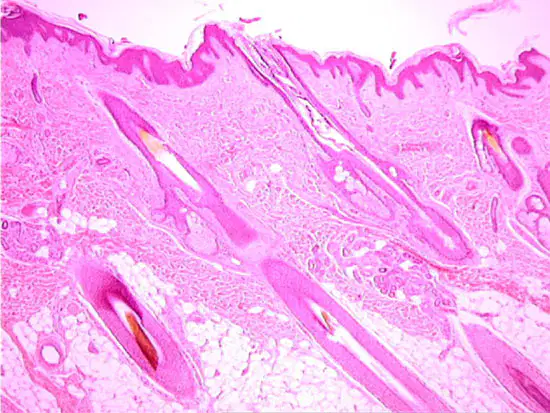
This is ________.
Thick skin in my soles.
Thin skin in my scalp.
Thick skin in my arm.
Thin skin in my palms.
The only epidermal layer in thick skin is called
stratum (a) .

Which is NOT a function of the skin?
Insulation
Movement
Sensation
Vitamin D Production
The stem cells in the epidermal basale
receive oxygen and nutrient from the dermal layer
via simple (a) .

Which of the following is NOT part of the integumentary system?
Skin
Cartilage
Nails
Hair

Where is the thickest skin found on the body?
Soles of the feet
Palms of the hands
Scalp
Elbows

The Integumentary/exocrine system contains which parts?
Skin
Hair
Sweat glands
all of the above

The function of sebum is:
Keeps skin soft and moist
Help to regulate body temperature
Produce vitamin D
Protect skin from mechanical damage

Which number indicates the hair shaft?
(a)

