
 Worksheets
Unit 1+2 Matter Exam Review (Intro)
Total questions: 97
Worksheet time: 1hrs 11mins


A pure substance that cannot be broken down into any other substance.
Elements
Compounds
Mixtures
Fe is the ___________________ for iron
Letters
Chemical Symbol
Equation
A(n) ______________ is formed when two or more elements chemically combine.
Compound
Element
Mixture
A ___________ is a combination of many different elements not chemically combined.
Element
Compound
Mixture
Brass is a metal that is bright red and gold. It is formed by combining, not chemically, two elements, zinc and copper. Based on the information, how would brass be classified?
an element
compound
mixture
suspension
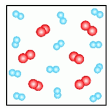
A student placed a small chip of limestone into a hydrochloric acid solution, and carbon dioxide gas was released. The carbon dioxide provided evidence that
only a physical change occurred.
a chemical change occurred.
only a loss of mass occurred.
the formation of an element occurred.
Humans absorb oxygen from the air they breathe in and exhale carbon dioxide gas, CO2. Carbon dioxide gas is
an element made of carbon and oxygen atoms.
a solution made of carbon and oxygen atoms.
a compound of carbon and oxygen atoms.
a mixture of carbon and oxygen atoms.

What type of change is this?
Chemical
Melting
Evaporation
Condensation
Sublimation
What makes elements and compounds different from mixtures? Elements & compounds-
have a constant composition (pure substances)
are made of gases
Will not change when heated
conduct electric current
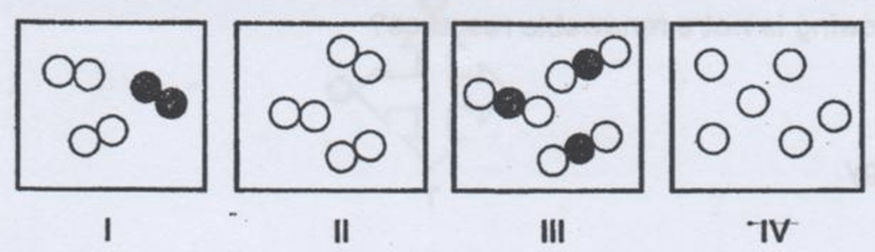
In the diagrams provided, the circles of different colors represent the atoms of different elements. Which diagram represents a mixture?
I
II
III
IV
Mixtures are different than pure substances because mixtures-
have lower boiling points
can be separated physically
are less dense than pure substances
contain only one type of atom


Monatomic Element
Diatomic Element

Diagram C is an example of a(n)
element
compound
mixture
Diagram B is an example of a(n)
Diatomic element
compound
mixture
Monatomic Element
Air is a(n) _________.
Which of the following is made up of two or more types of atoms chemically combined together?
Which of the following is made up of only one type of atom?
Neon is colorless, a poor conductor of heat and is not able to be stretched. How would it be classified?
Nonmetal
Metalloid
Metal
None of the above
Manganese is shiny, conducts heat and electricity, and can be hammered into thin sheets. What is is?
Nonmetal
Metal
Metalloid
None of the above
What properites do nonmetals have in common?
Poor conductor of electricity
Good conductor of thermal energy
Soft and Malleable
Shiny, lustrous surface
This word is used to describe a substance that breaks apart easily and is weak and fragile
Conductivity
Ductile
Malleable
Brittle
Metals are...
dull, brittle, insulators.
shiny or dull, brittle, semiconductor.
shiny, malleable, conductors.
shiny, dull, insulator.
Silicon has a dull, metallic luster, conducts heat well, and is brittle. What is it?
Nonmetal
Metal
Metalloid
None of the above

Where are the nonmetals located on the Periodic Table?
On the right
On the left
On the stairstep

Where are the metalloids located on the Periodic Table?
On the right
On the left
On the stairsteps
Gold is an element that is often used to make necklaces, rings, and other types of jewelry. What property of gold makes it useful in this way?
Gold is a conductor
Gold is an insulator
Gold is malleable
Gold has a high melting point
Use your Periodic Table to help you. Boron would be classified as a...
Metal
Nonmetal
Metalloid

Metal
Nonmetal
Metalloid

Metal
Nonmetal
Metalloid

Metal
Nonmetal
Metalloid

Metal
Nonmetal
Metalloid

Metal
Nonmetal
Metalloid

Metal
Nonmetal
Metalloid
Copper is a common metal. Which of the following properties does this metal most likely have?
High conductivity, high malleability, and low luster
Low conductivity, low malleability, and low luster
High conductivity, high malleability, and high luster
Low conductivity, high malleability, and high luster

one or two letters that represent the name of an element
element name
element symbol
atomic number
atomic mass

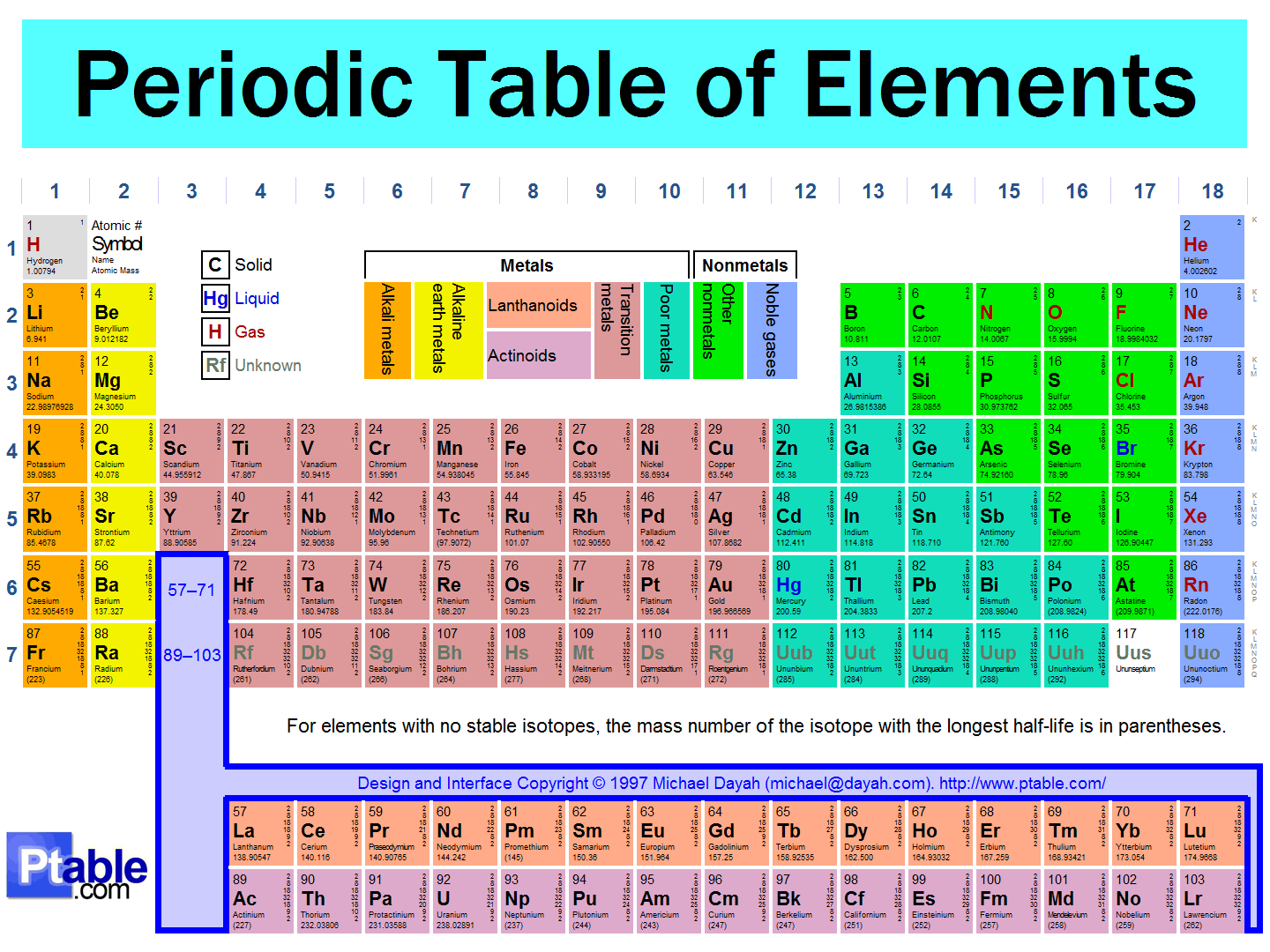


How many periods are on the periodic table?
5
6
7
8
Elements in the same group have : (2 correct answers)
Similar chemical properties
Similar names
Same number of outer (valence) electrons)
The same number of protons

What two elements are in the same Period?
K - Potassium and Na - Sodium
Li - Lithium and Mg - Magnesium
B - Boron and C - Carbon
Zn - Zinc and N - Nitrogen

What element is in period 4, group 1?
K - Potassium
V - Vandium
C - Carbon
Ti - Titanium

Which two elements would have similar properties?
Ar - Argon and Xe - Xenon
Og - Oganesson and Lu - Lutetium
He - Helium and Lu - Lutetium
Ar - Argon and Se - Selenium

What element is in group 2, period 6?
Sr - Strontium
Ba - Barium
S - Sulfur
O - Oxygen

Which element is more reactive?
Cs - Cesium
Ca - Calcium
C - Carbon
He - Helium

What period does the element I - Iodine belong to?
17
6
3
5
Which group of the periodic table is composed of inert (not reactive) gases?
answer choices
alkali metals
alkaline earth metals
halogens
noble gases
Name this group: These metals are the most reactive.


Name this group: These metals are the second most reactive.
Locate Lanthanides and Actinides.


This group of elements sit along a stair step line on the periodic table and have properties of both metals and nonmetals. _________________________
luster
metals
nonmetals
metalloids
Matter can be classified in:
Mixtures and Compounds
Substances and Elements
Mixtures and Substances
Elements and compounds
NH3 is a:
Mixture
Element
Compound
Particle
Water and sugar dissolved is an example of:
Compound
Homogeneous mixture
Substance
Heterogeneous mixture
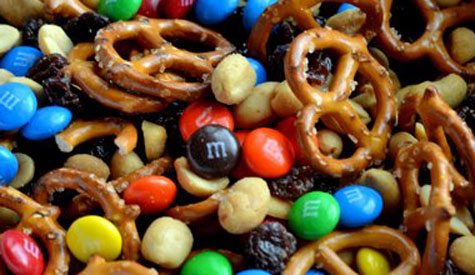
A chocolate chip cookie is an example of:
Substance
Compound
Homogeneous mixture
Heterogeneous mixture
What mixture is an heterogeneous mixture?
Soluble coffee in water
Sand and water
Perfume
Apple juice
The mixtures where the components can be distinguished at simple sight
Homogeneous
Heterogeneous
Homogeneous and heterogeneous
None
The mixtures where components CAN NOT be distinguished at simple sight:
Homogeneous
Heterogeneous
Homogeneous and heterogeneous
None
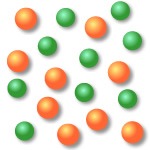
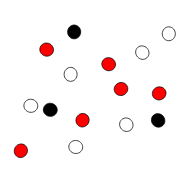
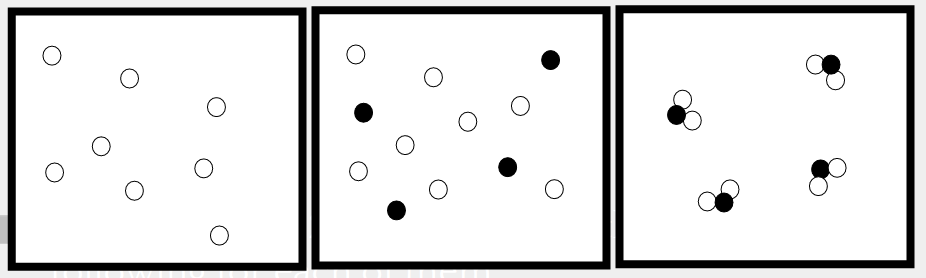

Which diagram represents an element?
Diagram (a)
Diagram (b)
Diagram (c)
None of the diagrams represent the parts of an element.

Which of the following represents a compound?
Diagram (a)
Diagram (b)
Diagram (c)
All of the diagrams represent the parts of a compound.
The symbol "H" represents
Element
Compound
Heterogeneous mixture
Homogeneous mixture

Which beaker contains only one type of element?
A
B
C
D
Is glass breaking a chemical or physical change?
changes affecting the form of a chemical substance, but not its chemical identity.
What is a chemical change?
How two chemicals react with one another when combined
A property that we can measure or observe with our 5 senses or other tools
When two chemicals react with one another to form a new substance
When a change occurs but it does not result in the formation of a new substance
Which of the following examples provides evidence of a PHYSICAL change?
Wood is burned and releases ash and smoke
Iron rusts over time
When mixed, baking soda and vinegar form gas bubbles
Boiling water bubbles when heated
Which of the following options provides evidence of a CHEMICAL change?
Wood is burned releasing ash and smoke
Rocks separate when soil is sifted
Boiling water bubbles when heated
Salt dissolves in water
Which observations prove a chemical change occurred ?
Dissolving and expected color change
Mixing and dissolving
State of matter change and boiling water bubbles
Unexpected color change and temperature change

