
 Worksheets
Depletion of Earth's Resources
Total questions: 101
Worksheet time: 55mins
The Greenhouse Effect __________________________.
Traps all of the heat from the Sun
Repels sunlight away from the atmosphere
Traps some heat and releases some heat back to space
only works in the summer months
Human activities are __________________ the levels of the greenhouse gases in the atmosphere.
Increasing
Decreasing
maintaining
fluctuating
Melting glaciers are causing ___________ to rise around the world.
Carbon Dioxide
Greenhouse Effect
greenhouse gases
sea levels
The atmosphere is a system, where a change in one part of the atmosphere will cause affects in other parts of the atmosphere.
True
False
n/a
n/a
Natural causes of climate change include all of the following except:
movement of the continents
major volcanic eruptions
the Sun's energy output
human activity
Throughout Earth's history, the planet has cycled through times of being covered by frozen glacial sheets during ___________________.
snow days
ice ages
school vacation
the Covid-19 pandemic
Scientists classify climates according to two main factors: ______________- and _____________________-.
temperature and pressure
temperature and precipitation
pressure and precipitation
location and animals
Which bear is larger?
Polar bear
Grizzly bear
The Polar bear lives in __________________.
North America
South America
Artic Circle
Africa
The Grizzly bear live in __________________.
South America
North America
Artic Circle
Africa
Freshwater is a renewable resource. Ellie claims that because it is renewable, we don't have to worry about overusing it. Which of these best explains why she is incorrect?
Renewable resources will run out in our lifetime
Renewable resources aren't plentiful
Renewable resources can run out if they are consumed faster than they are replenished.
Renewable resources are impossible to measure.
We ________ on resources for every aspect of life.
smile
need
depend
frown
Which of these correctly describes a resource's origin.
Wood comes from trees grown in the rock.
Plastic comes from petroleum, buried deep underground. It must be dug out by machines made of minerals.
Glass comes from glass plants and sometimes even glass aunts.
Which of these are renewable resources?
grasslands
river systems
gold ore
oil deposits
Which of these are nonrenewable resources?
human beings
coal deposits
rare metals
chromebooks

Which of the following are Non-Renewable energy resources? (Check all that apply.)
coal
wind
solar
nuclear

One advantage of solar and wind power over fossil fuels is that
wind and solar are presently much less expensive than fossil fuels.
wind and solar come from natural processes and fossil fuels do not.
wind and solar are nonrenewable resources and fossil fuel are renewable.
wind and solar are continuously renewable and fossil fuels take millions of years to be formed.

Renewable or Nonrenewable: Natural Gas
nonrenewable
renewable

Renewable or Nonrenewable: Coal
Renewable
Nonrenewable

Renewable or Nonrenewable: Sunlight
Renewable
Nonrenewable

This energy is from moving air.
Wind Energy
Geothermal Energy
Fossil Fuel Energy
Biofuel

This is electrical energy that comes from the force of energy of moving water. It is the most widely used type of renewable energy.
Coal
Hydroelectric Power
Wind Energy
Geothermal Energy
If we keep using non renewable energy , we will not be able to
sustain life on earth
produce more mater
visit another planet
cook a meal
What is a natural resource?
Material from the Earth that people use for their needs.
A place hidden in the mountains.
An object made from natural things.
True or false?
Coal is a nonrenewable resource.
True
False


Why is water a renewable resource?
It can be frozen into ice.
It evaporates into air.
It is constantly replaced.
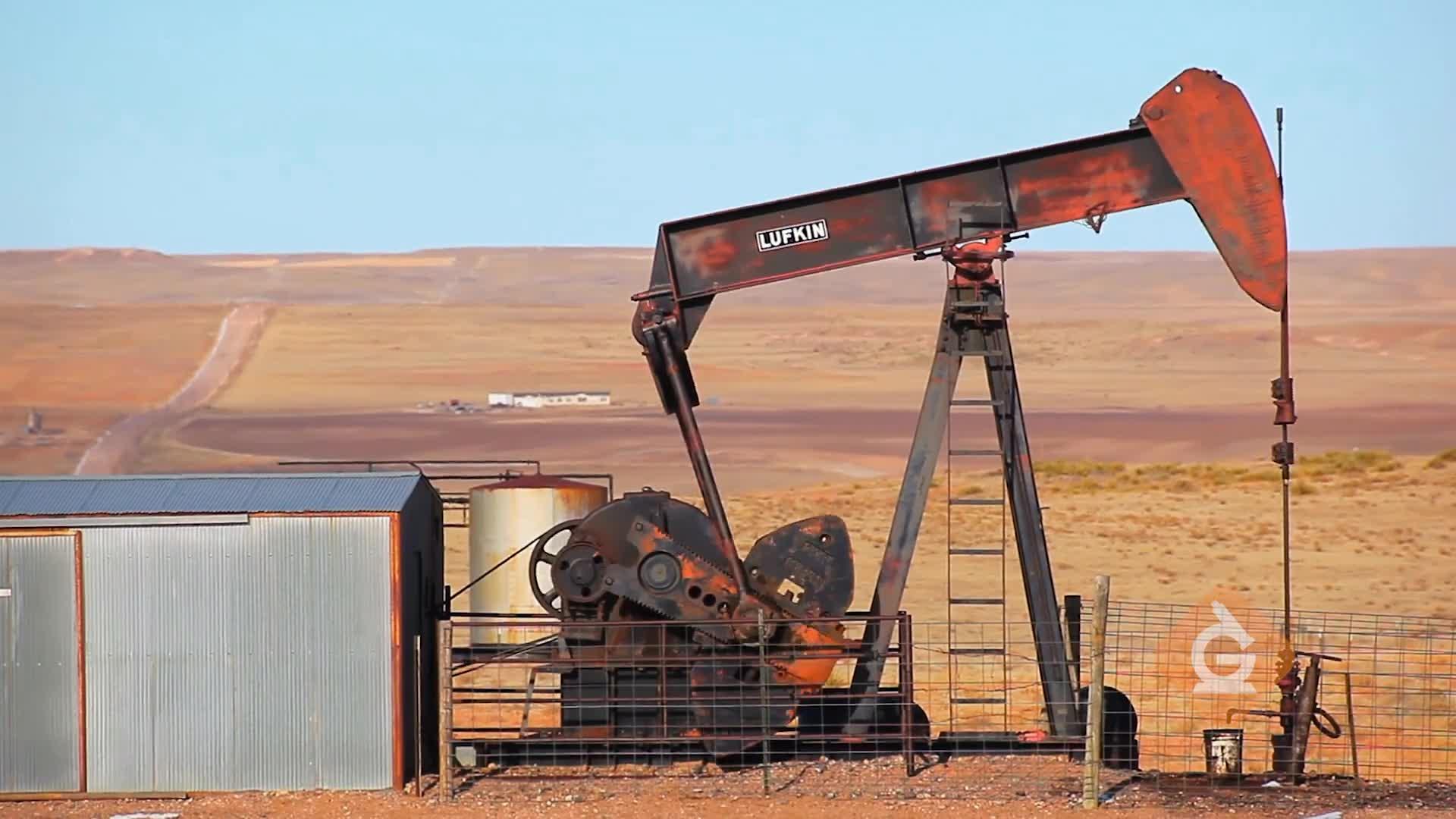
Which are ways we use fossil fuels?
eating and drinking
arts and crafts
paper and building
cars and heat
Geothermal energy uses heat from ____ to produce electricity.
the earth
coal
oil
natural gas
Uranium atoms are split to create a tremendous amount of energy in a _____ power plant.
biomass
geothermal
nuclear
hydroelectric
What type of power plant uses scraps from farming and waste products to generate electricity?
Hydroelectric Power Plant
Geothermal Power Plant
Biomass Power Plant
Nuclear Power Plant
Why do we tend to use non-renewable resources instead of renewable resources?
Less Expensive
More Energy
All of these
What is a disadvantage of using non-renewable resources?
They have a large carbon footprint.
They can all be used up over time.
They can lead to global warming.
All of these.
Which of the following can be a disadvantage of renewable resources?
They can be intermittent (only available at certain times or in certain places).
They release a lot of CO2 and have a large carbon footprint.
They are renewable and will always be available.
Renewable resources have no disadvantages.
Which of the following best describes one way a farmer might reduce soil erosion on his farmland?
Avoiding fertilizer
Crop Rotation
Clearing all vegetation
Planting crops randomly
Which of these is a renewable resource?
Silver
Gold
Sunlight
Petroleum

How does the data in this graph support the argument that the increase of CO2 in the atmosphere is contributing to global climate change?
The graph shows that CO2 has always been part of the atmosphere.
The graph shows that CO2 can be found in all layers of the atmosphere.
The graph provides evidence that increases in atmospheric CO2 have caused a rise in sea level, which damages and destroys habitats.
The graph provides evidence that there is more CO2 in the atmosphere than ever before and therefore more heat is trapped.
What do climate models predict will happen to CO2 in the atmosphere?
The CO2 levels in the atmosphere will continue to decrease.
The CO2 levels in the atmosphere will continue to increase.
The CO2 levels in the atmosphere will remain steady.
The CO2 levels in the atmosphere will increase, then decrease.
What greenhouse gas is the main pollutant that is warming Earth?
Argon
Nitrogen
Carbon Dioxide
Oxygen
What does the term greenhouse effect describe?
The trapping of heat energy by molecules in the atmosphere.
The effect the Coriolis effect has on the environment.
The effect climate change has on the economy.
Mutations in DNA from UV radiation.
Which human action could help keep Earth's ecosystems healthy?
Increasing the human population.
Throwing garbage into a tributary.
Using nonrenewable resources.
Recycling bottles and cans.
Which is an example of reusing?
Using a coffee mug rather Styrofoam cup.
Turning the water off while brushing teeth.
Using energy efficient lighting.
Using passive heating and cooling in your house.
Which of the following is a way to reduce energy consumption?
Driving older less efficient vehicles over newer models that are more efficient.
Turning the air colder during the summer and warmer in the winter.
Using LED lighting over incandescent lighting.
Leaving the water one while you brush your teeth.
Which of the following practices can be used on a step hill to prevent soil erosion?
Pesticide implementation
Terracing
Contour plowing
Crop rotation
Which of the following words means to save?
Coalition
Construct
Conserve
Congruent
Which of the following is an agricultural soil conservation practice?
Contour plowing
Flood irrigation
Deforestation
strip mining
What is one of the biggest concerns farmers face in planting the same crop year after year?
Drought
Overabundance of water
Invasive weeds
Mineral depletion
Which of the following best describes one way a farmer might reduce soil erosion on his farmland?
Avoiding fertilizer
Crop Rotation
Clearing all vegetation
Planting crops randomly
What is the ultimate source of energy for most sources of energy on Earth?
Gravity
Sun
Water
Uranium
Fossil fuels are formed by which of the following?
Remains of plants and animals
Eroded minerals from long ago
Ancient uranium deposits
Recent glacial deposits
The Sun's energy that is stored in a material like wood, grain, sugar, or manure is called
Fossil fuels
Biomass
Geothermal
Hydroelectric
Windmills are used to harness wind energy and change it into electricity. The wind is an example of which type of energy?
Irreversible Energy
Nuclear Energy
Nonrenewable Energy
Renewable Energy
Why are fossil fuels non-renewable?
They exist in very small amounts.
They take millions of years to form.
They are found at the bottom of the ocean.
They are dangerous to mine and drill for.
Which of the following is a correct comparison between renewable and nonrenewable energy?
Nonrenewable energy is in abundant supply whereas renewable energy is not.
Nonrenewable energy produces only a fraction of the energy compared to renewable energy.
Nonrenewable energy is normally bad for the environment compared to renewable energy.
Nonrenewable energy is free whereas renewable energy is not.
Most energy resources used by humans are nonrenewable. Which of the following is NOT a nonrenewable energy resource?
Solar
Coal
Natural Gas
Petroleum
In which form is petroleum available from the earth?
Petrol
Plastic
Crude form
Refined form
The demand of natural resources is rising due to the increasing ……………….. .
Resources
Petroleum
Population
Trees
Rosa's neighborhood is only allowed to water their lawns on Tuesdays and Thursdays. What is the most likely explanation for why Rosa's neighborhood can only water their lawns two days a week?
Water is a renewable resource that needs to be conserved.
Water is a nonrenewable resource that needs to be conserved.
Water erodes the soil, and soil is a renewable resource that needs to be conserved.
Water corrodes the soil, and soil is a nonrenewable resource that needs to be conserved
What is a natural resource?
Resources that we get from nature
Resources we get from people
Non renewable natural resources
Fossil fuels
Fossil fuels are non renewable because …………………..
They are used to produce heat
They take a long time to form
They can be found underground
They are very less in amount
Renewable resources…
Can be replanished
Cannot be replanished
Are limited
Are fossil fuels
Purpose of recycling
To decrease resources
To produce trees
To conserve resources
To change resources
We need ———————— and ———————— to run our machines gadgets and vehicles.
(a)
What is the picture below? Explain

Wind is used to produce with the help of ——————— and ——————— .
(a)
Fossil fuels are non renewable because…
They are used to produce heat.
They take a long time to form.
They can be found underground.
They are expensive.
Something that is useful to people is called a
Skill
Short cut
Resource
Stick
If the thing that is useful to people is a material found in nature (such as trees, water, minerals) and has some economic value, it is called a (a) resource.
A resource that can be replaced fairly quickly, such as forests and animals, is called a
Non-Renewable Resource
Oil
Uranium
Renewable Resource
A resource that cannot be replenished once it is used up, such as fossil fuels, is called a
Renewable
Wind
Solar
Non-renewable
These resources can be used and replenished (replaced at the same time) such as a river current or solar energy. It must be used when and where it occurs in nature. Examples include:
Wind
Moving Water
Oil
Solar
The use of a resource until there is none left is called resource (a)
To solve some challenges, humans can use (a) This involves the use of scientific knowledge and skills for useful, practical purposes to meet the needs and goals of people

This picture shows a balanced network of connected parts. These plants, water systems and animals all live in a
Continental Shelf
City
Desert
Natural System
Solar energy, flowing water and wind are all examples of
Non-renewable Resources
Technology
Flow Resources
Resource Depletion

Which type of Natural Resource is this picture most related to?
Flow Resources
Non-renewable resource
Renewable Resource
Mining
The _____________ the human population, the ______________ the amount of resources being used.
greater, greater
greater, least
least, greater
Which of the following is a benefit of recycling aluminum soda cans?
The world's aluminum resources can last longer.
The world's aluminum is used up more rapidly.
More aluminum ends up in landfills.
More soda cans need to be produced.
The main human activity that releases greenhouse gases is
using bottled water
burning fossil fuels
growing plants
dumping waste

The pie chart shows percentages of carbon dioxide (CO2 ) emissions by sector. The greatest reduction in carbon dioxide emissions could be achieved if it were possible to reduce, by half, which source of emissions?
Agriculture
Electricity
Commercial & Residential
Industry
True/False: Overpopulation in humans is the cause of most environmental issues.
True
False
Releasing harmful substances into land, water and/or atmosphere is known as what?
natural gas
trash
pollution
global warming
How much of deforestation comes from agriculture and cattle ranching?
90%
50%
65%
80%
Global warming is an increase in Earth's global temperature caused by carbon dioxide emissions and deforestation. What are some possible solutions?
Use renewable energy
Use fossil fuels
Practice the 3R's: reuse, reduce, recycle
Carpool
Cut more trees
Invasive species is an organism that is transferred to a non-native habitat. How does this human impact effect the environment? Choose all that applies.
Habitat destruction
Helpful to the environment
Economic cost
Introduces new species to unpopulated habitats
Which of these greenhouse gases is most strongly associated with cattle (cow) production?
Water vapor
Carbon dioxide
Methane
Chlorofluorocarbons
Rising CO2 levels has lead to a rise in average global temperatures. Based on this information, how is CO2 impacting the sea levels?
Sea levels rise as arctic ice melts
Sea levels lower as ice forms at the poles
Sea levels move in a cycle due to CO2 levels
Sea levels are not impacted by CO2
It is estimated that half of the 10 million species of organisms on the planet live in the tropical rain forests. Deforestation of the rain forest causes the extinction of as many as 50,000 species per year. Clearing tropical rain forests causes the extinction of many species because
plants and animals are exposed to high levels of carbon dioxide.
pollution caused by humans increases the greenhouse effect.
many unique habitats and ecosystems are being completely destroyed.
destruction of the rainforest contributes to the depletion of the ozone.

When will the human population become too large to be supported by Earth?
When the number of people exceeds the planet's carrying capacity.
When people have used up all the fossil fuels that provide energy.
When the number of people reaches ten billion.
When people can no longer buy luxury items.

Natural resources are divided into two groups. Which choice best names these groups?
renewable and nonrenewable
fossil fuels and solar
hydroelectric and geothermal
wind and nuclear

