
Font size
 Worksheets
Periodic Table Review for Quiz
Total questions: 78
Worksheet time: 42mins
Table
Table


The blue elements are called
The green elements are called
The red elements are called

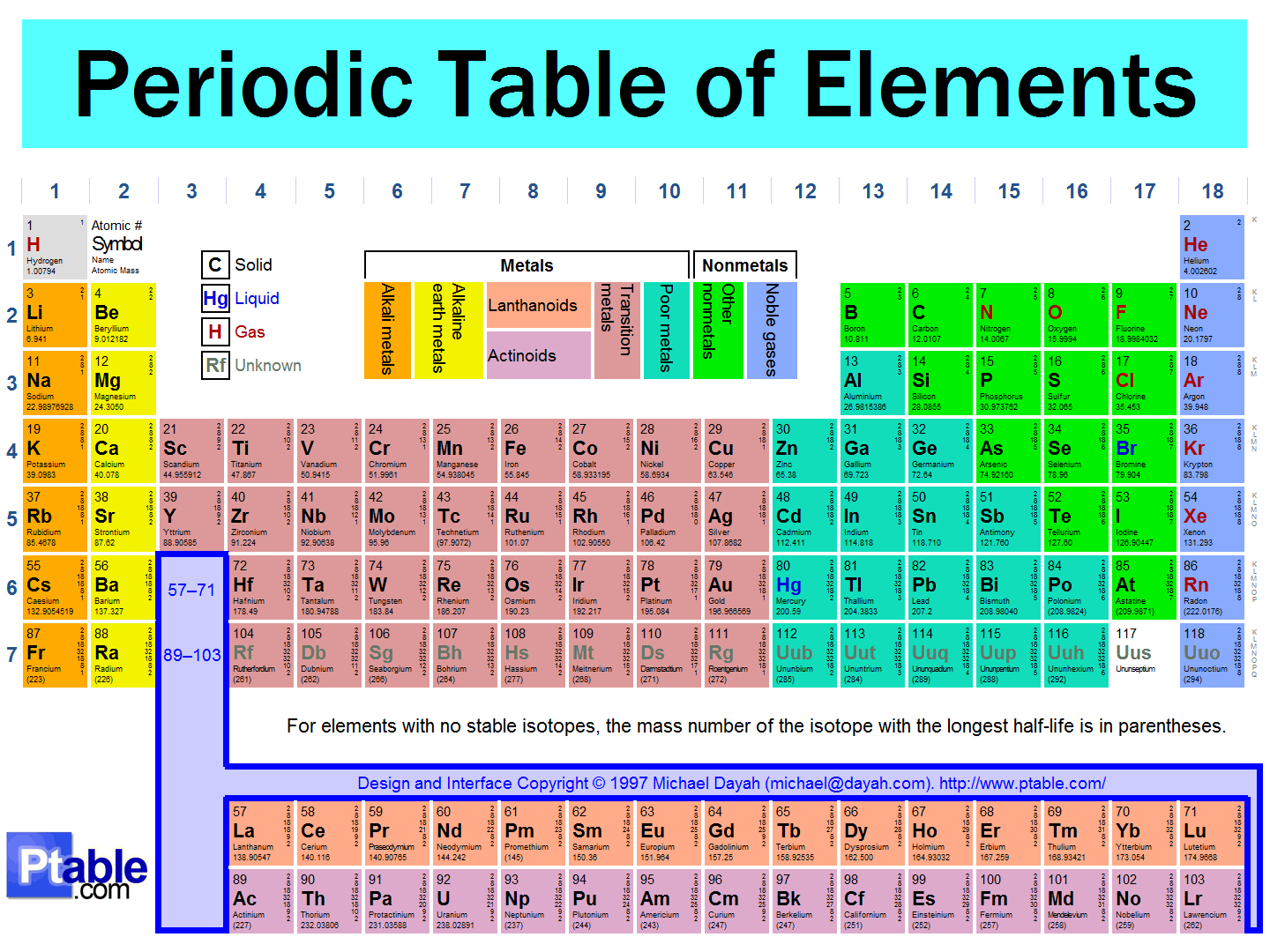
Metals are found on the ______________ side of the periodic table.
nonmetals
left
right
metals
This group of elements have properties that are opposite those of metals. ______________________
luster
nonmetals
metalloids
metals
This group of elements sit along a stair step line on the periodic table and have properties of both metals and nonmetals. _________________________
luster
metals
nonmetals
metalloids
Copper is a common metal. Which of the following properties does this metal most likely have?
High conductivity, high malleability, and low luster
Low conductivity, low malleability, and low luster
High conductivity, high malleability, and high luster
Low conductivity, high malleability, and high luster
Which group of the periodic table is composed of inert (not reactive) gases?
answer choices
alkali metals
alkaline earth metals
halogens
noble gases
Name this group: These metals are the most reactive.


What properites do nonmetals have in common?
Poor conductor of electricity
Good conductor of thermal energy
Soft and Malleable
Shiny, lustrous surface
Metals are...
dull, brittle, insulators.
shiny or dull, brittle, semiconductor.
shiny, malleable, conductors.
shiny, dull, insulator.

Where are the nonmetals located on the Periodic Table?
On the right
On the left
On the stairstep

Metal
Nonmetal
Metalloid
This group of elements have properties that are opposite those of metals. ______________________
luster
nonmetals
metalloids
metals


The Atomic number is known as the _______
Number of electrons in an atom
Number of Protons in an atom
Number of neutrons in an atom
Number of Protons and electrons in an atom
Which of these is a metalloid?
Na (#11)
As (#33)
O (#8)

Where are Valence electrons located?
The innermost shell
The nucleus
The outmost shell
Where are Valence electrons located?
The innermost shell
The nucleus
The outmost shell
A __________ goes up and down on the periodic table.
Group
Period
A _________ goes side to side on the periodic table.
Group
Period

What element is in period 4, group 1?
K - Potassium
V - Vandium
C - Carbon
Ti - Titanium

What two elements are in the same Period?
K - Potassium and Na - Sodium
Li - Lithium and Mg - Magnesium
B - Boron and C - Carbon
Zn - Zinc and N - Nitrogen

Which two elements would have similar properties (same group)?
Ar - Argon and Xe - Xenon
Og - Oganesson and Lu - Lutetium
He - Helium and Lu - Lutetium
Ar - Argon and Se - Selenium

What element is in group 2, period 6?
Sr - Strontium
Ba - Barium
S - Sulfur
O - Oxygen

What two elements have the same number of energy shells?
He - Helium and Ne - Neon
Na - Sodium and K - Potassium
Be - Berylium and Mg - Magnesium
Na - Sodium and Mg - Magnesium

Which element is more reactive?
Cs - Cesium
Ca - Calcium
C - Carbon
He - Helium

How many Valence electrons does Ba-Barium have?
3
2
6
56
The _______ tells us how many energy shells an element has.
group
period
atomic number
element symbol
The _________ tells us how many valence electrons an element has.
Group
Period
Atomic Number
Element

What period does the element I - Iodine belong to?
17
6
3
5

What group does the element Zn - Zinc belong to?
12
10
4
5

There are_______ periods and _________ groups in the periodic table.
8, 7
18, 7
15, 10
7, 18

How many valence electrons does this atom have?
4
2
6


The Atomic number is known as the _______
Number of electrons in an atom
Number of Protons in an atom
Number of neutrons in an atom
Number of Protons and electrons in an atom
What charge do protons have?
Positive
Negative
Neutral
What is Atomic Mass Number ?
Number of Protons
Number of Neutrons
Number of Protons and Neutrons
Number of Protons and Electrons
The number of electrons in an atom is equal to the...
Atomic number
Protons
Atomic Mass
Neutrons
The formula used to calculate the number of neutrons is:
Mass Number - Atomic Number
Protons + Electrons
Atomic Number - Mass Number
Protons x2
How many periods are on the periodic table?
5
6
7
8
Elements in the same group have : (2 correct answers)
Similar chemical properties
Similar names
Same number of outer (valence) electrons)
The same number of protons

According to the data in the table, which sample of matter is most likely a metal?
1
2
3
4

In this atomic model, point A represents -
a proton
a nucleus
a neutron
an electron
In this atomic model, point B represents -
a proton
a nucleus
a neutron
an electron
In this atomic model, point C represents -
a proton
a nucleus
a neutron
an electron
In this atomic model, point D represents -
a proton
a nucleus
a neutron
an electron

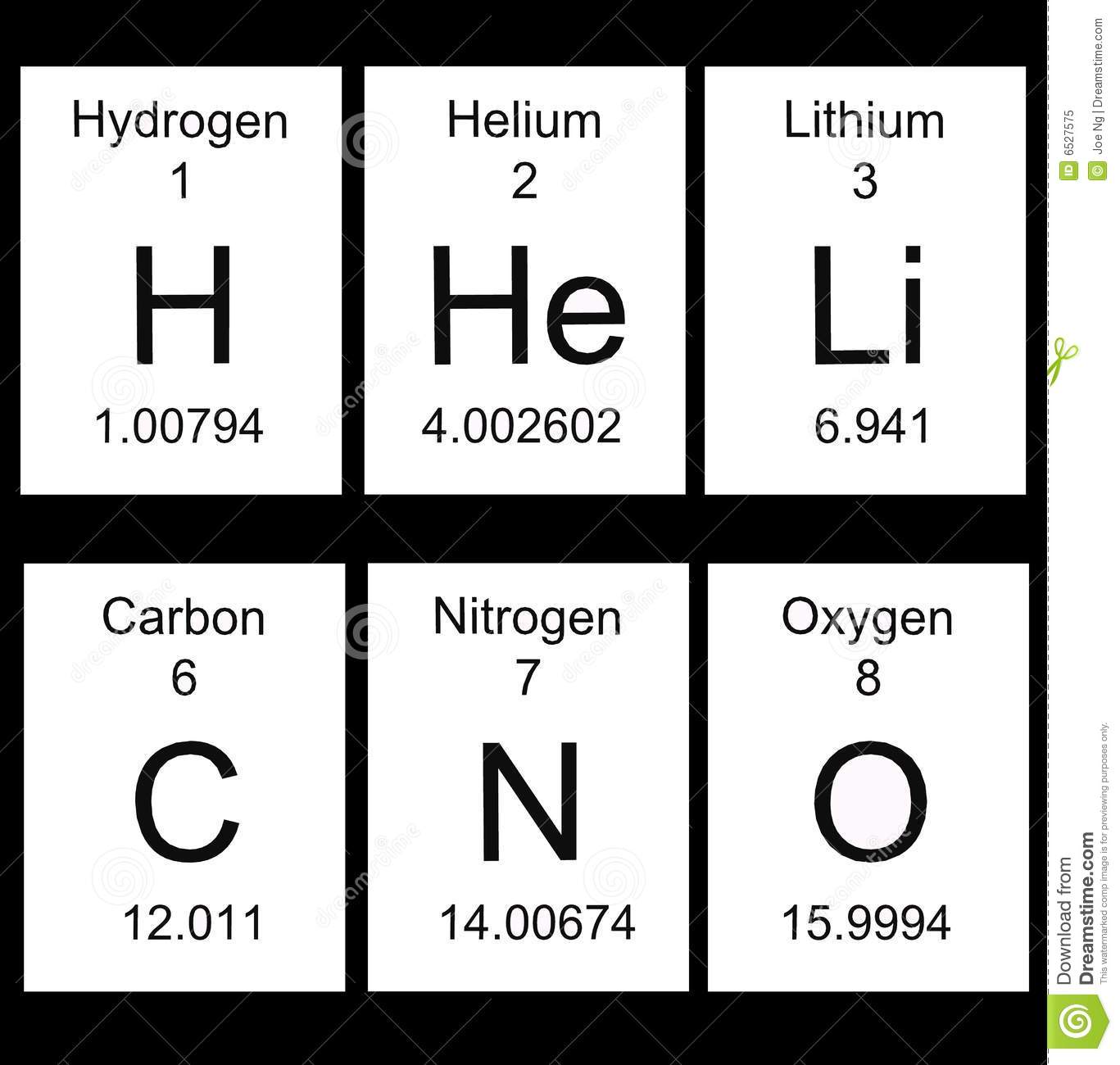
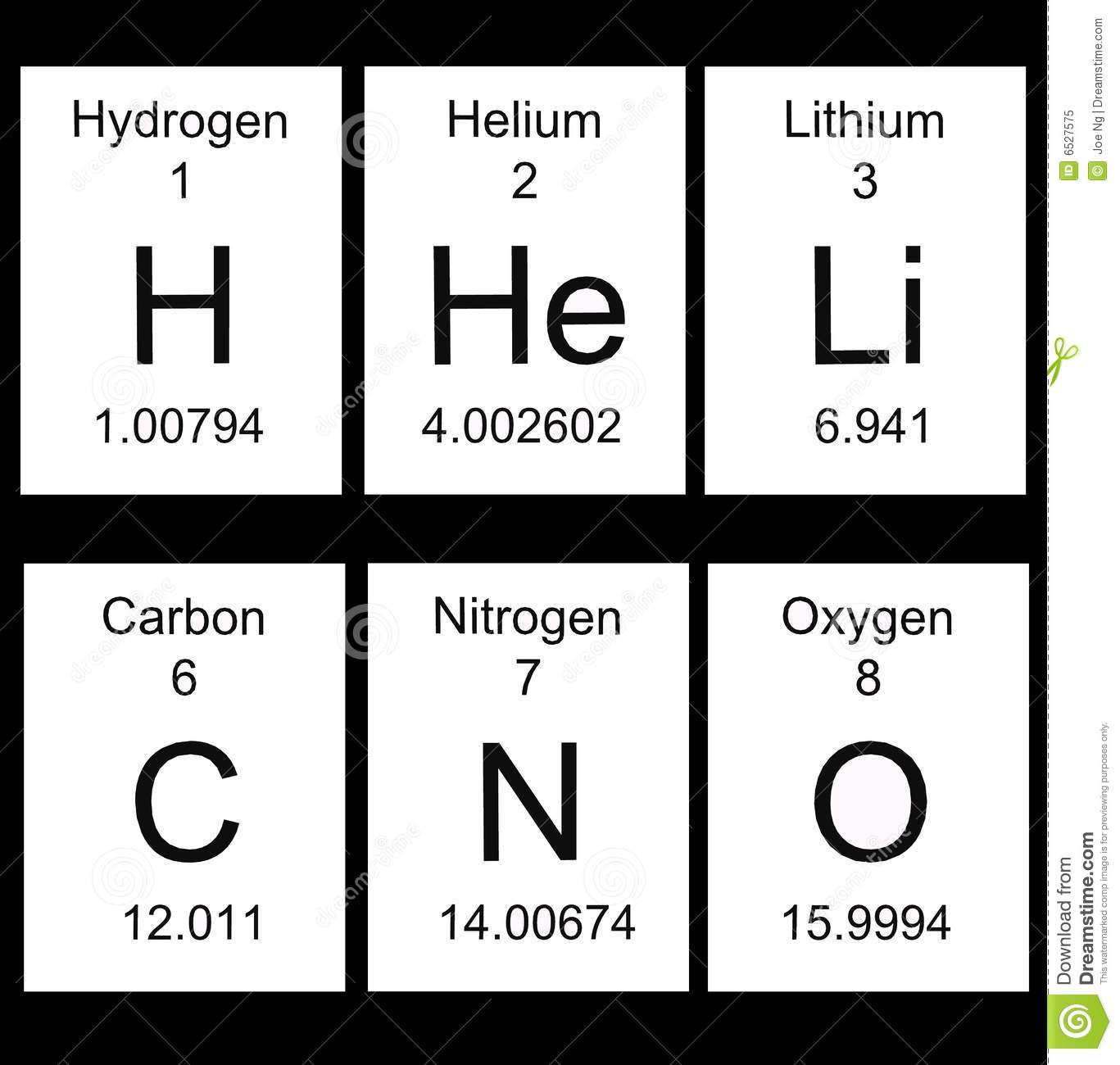
What does the 8 represent in the image attached?
Atomic mass
Element symbol
Atomic number
Element name

What does the decimal number at the bottom of the attached image represent?
Atomic mass
Element symbol
Atomic number
Element name
How many groups are on the periodic table, and are they vertically or horizontally arranged?
18; vertically
7; horizontally
18; horizontally
10; vertically
Which category of elements are found on the far right column of the periodic table (group 18)?
Metalloids
Noble Gases
Alkali Metals
Transition Metals
Which of the following is the category of elements that forms a barrier between the metals and the nonmetals on the periodic table? (looks like a staircase)
Noble Gases
Lanthanoids
Metalloids
Halogens
What determines an element’s atomic number?
The element's mass
The number of neutrons it has
The size of the element
The number of protons it has

