
Font size
 Worksheets
Sexual reproduction, development and growth in humans and animal
Total questions: 66
Worksheet time: 44mins
Which of the following differentiates between the terms growth and development?
Development and growth are the same.
Growth is an increase in size and development is an increase in complexity.
Development does not involve growth.
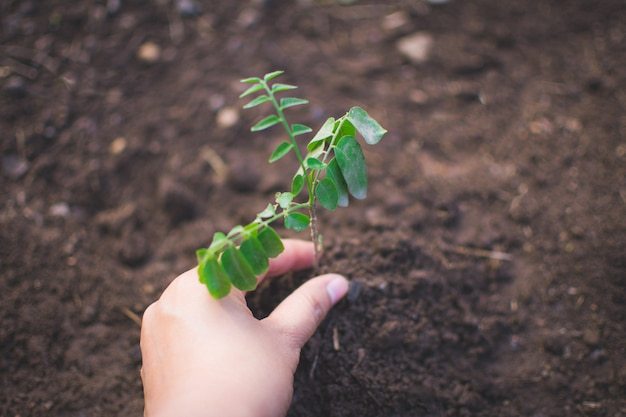
When you plant seeds and you need it to grow, what do you do?
Water your plant.
Scatter your plant.
Pour sand on your seeds
1.) Which of the following is an indication of development?
Molting.
Metamorphosis.
Thickness of stem increases.
Plants grow taller.
1.) Which of the following is the least appropriate way to measure growth?
Increase in length.
Area of parts of the organism.
Weight.
Body volume.


The diagram shows the male reproductive system.
Where is testosterone produced?
A
B
C
D
What name is given to mature sperm?
Spermatocyte
Spermatozoa
Spermatogonium
Spermatogonia
What name is given to the cells that attach to Sertoli cells?
Secondary spermatocytes
Spermatogonia
Primary spermatocytes
Spermatids
What cells secrete testosterone?
Sertoli cells
Spermatocytes
Spermatids
Leydig cells
Spermatogenesis involves...
Mitosis only
Meiosis only
Mitosis followed by meiosis
Are spermatogonia Diploid or haploid?
Diploid
Haploid
During spermatogenesis, which of the following cells is the first to become haploid?
A)primary spermatocyte
B)secondary spermatocyte
C)sperm cells
D)spermatid
E)spermatogonium
Meiosis II of spermatogenesis results in the formation of secondary spermatocytes.
TRUE
FALSE
A primary spermatocytes.....
A)divide by mitosis to produce two secondary spermatocytes
B)divide by meiosis to produce two secondary spermatocytes.
C)divides by meiosis to produce four spermatids
D)divides by meiosis to produce two spermatids.
E)divides by mitosis to produce two spermatids.
The spermatids and the secondary spermatocytes each contain 23 chromosomes.
True
False
Which of the following is a correct sequence of cells in spermatogenesis?
spermatogonium -> secondary spermatocyte -> primary spermatocyte
primary spermatocyte -> spermatogonium -> secondary spermatocyte
spermatogonium -> primary spermatocyte -> secondary spermatocyte
none of the above
Which of the following is a correct sequence of cells in spermatogenesis?
spermatogonium -> secondary spermatocyte -> primary spermatocyte
primary spermatocyte -> spermatogonium -> secondary spermatocyte
spermatogonium -> primary spermatocyte -> secondary spermatocyte
none of the above
When does completion of meiosis occur?
Stage 1
Stage 2
Fertilisation
Ovulation
In what structure does the secondary oocyte start Meoisis II?
Primary follicle
Primordial follicle
Eiffel Tower
Graafian follicle
If fertilisation doesn't happen in what stage of meiosis II does the secondary oocyte reach?
Telophase
Prophase
Metaphase
Anaphase
When does oogenesis begin?
at birth
before birth
at the onset of adulthood
at the onset of puberty
What do you call the process in which the ovary releases a mature egg cell?
menstruation
oogenesis
ovulation
fertilisation

The diagram shows oogenesis process. Primary oocyte is repesented by number...
1
2
3
4
5
Which hormone is responsible for causing ovulation?
Estrogen
Progesterone
LH
FSH
The scientific term for the shedding of the endometrium is:
implantation
fertilisation
menstruation
ovulation
copulation
Fertilization of human ovum takes place in the:
The follicle/ovum develops in the
vagina
ovary
oviduct
uterus
What hormone(s) is responsible for thickening the lining of the uterus?
Estrogen
progesterone
FSH & LH
LH and estrogen
Ovulation typically occurs on what day of the cycle?
1
14
20
7
What hormone(s) are responsible for the growth and maturation of the follicle/ovum?
estrogen
progesterone & estrogen
FSH & LH
FSH only
Identify the hormone that causes an egg to mature.
FSH
Oestrogen
LH
Insulin
How long is the typical menstrual cycle?
28 minute
28 hours
28 days
28 weeks
Which gland releases FSH?
Pancreas
Thyroid gland
Adrenal glands
Pituitary gland
On which day in the cycle does ovulation usually occur?
Day 1
Day 7
Day 14
Day 21
Identify the hormone that causes ovulation to occur.
FSH
Oestrogen
LH
Progesterone
Identify the hormone that stimulates the repair of the lining of the uterus
FSH
Oestrogen
LH
Insulin
The lining of which structure breaks down when a female has a period?
Ovary
Small intestine
Uterus
Stomach
State the hormone that inhibits the production of FSH
(a)
Identify the hormone that maintains the lining of the uterus
Insulin
Amylase
Progesterone
FSH
During what phase of the menstrual cycle can conception take place?
menstruation
post menstruation
ovulation
premenstruation
In what phase does FSH & LH stimulate the maturation of a new ovum ?
menstruation
post menstruation
ovulation
premenstruation
In what phase of the menstrual cycle does the uterine lining become fully prepared to receive a fertilized egg?
menstruation
post menstruation
ovulation
premenstruation
What two hormones does the pituitary gland produce?
estrogen & progesterone
FSH & LH
What two hormones does the pituitary gland produce?
estrogen & progesterone
FSH & LH
What hormone(s) are responsible for the growth and maturation of the ova?
estrogen
progesterone
FSH & LH
FSH only
What hormone(s) is responsible for thickening the lining of the uterus (endometrium)?
estrogen
progesterone
FSH & LH
LH only
If a fertilized egg is received, what phase of the cycle will the body remain in?
Menstruation
Post Menstruation
Ovulation
Premenstruation
The hormone that causes maturation of an egg in the
ovary.
Luteinising hormone
Oestrogen
Progesterone
Follicle stimulating hormone
The hormones that are involved in maintaining the uterus
lining.
Luteinising hormone
Oestrogen
Progesterone
Follicle stimulating hormone
Which hormone signals ovulation?
FSH
LH
Inhibin
Estrogen
Which hormone causes the re-growth of the endometrial lining of the uterus?
Testesterone
GnRH
Estrogen
Progesterone
Which hormone causes FSH and LH to be released?
Testesterone
Estrogen
GnRH
Progesterone
Which of the following statements about the menstrual cycle is false?
Progesterone levels rise during the luteal phase of the ovarian cycle and the secretory phase of the uterine cycle
Menstruation occurs just after LH and FSH levels peak
Menstruation occurs after progesterone levels drop
Estrogen levels rise before ovulation, while progesterone levels rise after
Which of the following statements about hormone regulation of the female reproductive cycle is false?
LH and FSH are produced in the pituitary, and estradiol and progesterone are produced in the ovaries
Estradiol and progesterone secreted from the corpus luteum cause the endometrium to thicken
Both progesterone and estradiol are produced by the follicles
Secretion of GnRH by the hypothalamus is inhibited by low levels of estradiol but stimulated by high levels of estradiol
What is the role of LH during the menstrual cycle ?
inhibits the development of another follicle by inhibiting FSH
causes ovulation and the ruptured follicle to develop into corpus luteum
stimulates the growth of endometrium lining
stimulates the development of follicles, which in turn leads to estrogen secretion, which in turn inhibits FSH

