
 Worksheets
Renewable and Non Renewable resources
Total questions: 100
Worksheet time: 1hrs 3mins
Is Oil renewable or non renewable?
Renewable
Non-renewable
Is wind renewable or non-renewable?
Renewable
Non-renewable
Is hydroelectric energy renewable or non-renewable?
Renewable
Non-renewable
Is Sun energy renewable or non-renewable?
Renewable
Non-renewable
Is Geothermal energy renewable or non-renewable?
Renewable
Non-renewable
Is Biomass energy renewable or non-renewable?
Renewable
Non-renewable
Is Coal non-renewable or renewable?
Renewable
Non-renewable
Is nuclear energy renewable or non-renewable?
Renewable
Non-renewable
Is gas renewable or non-renewable?
Renewable
Non-renewable
What resource is used mostly to power our homes?
Coal
Oil
Water
Resources that are not able to be reproduced as quickly as they are used are called _____.
renewable resources
replaceable resources
non renewable resources
non replaceable resources
Geothermal energy uses heat from ____ to produce electricity.
the earth
coal
oil
natural gas
Coal is burned to heat water so that the _______ can turn turbines.
fire
steam
water
heat
Renewable resources ...
are not replaceable
are used more frequently than non renewables
are never going to run out
going to run out
What are fossil fuels?
coal, oil, uranium
oil, natural gas, uranium
coal, oil, natural gas
geothemals, coal, natural gas
Which of these are renewable resources?
coal
wind
geothermal
water in a dam
biomass
Which of these is non renewable
natural gas
water in a dam
solar power
wind energy
Which of the following is a renewable resource?
Oil
Solar
Coal
Natural Gas
Which of the following is a non-renewable resource?
Water
Sun
Coal
Win
Hyrdo Power is a __________ energy resource.
Renewable
Non-renewable
Oil is a __________ energy resource.
Renewable
Non-renewable
Wind is a __________ energy resource.
Renewable
Non-renewable
Which of the following is a non-renewable resource?
Water
Wood
Oil
Fossil Fuel are?
A group of energy resources that were formed from ancient plants and organisms
A group of dinosaur fossils
A type of gas used for planes


A natural resource is....
a resource that forms much more slowly than it is consumed
a natural resource that can be replaced at the same rate at which it is consumed
any natural material that is used by humans

a renewable resource is ....
a resource that forms much more slowly than it is consumed
a natural resource that can be replaced at the same rate at which it is consumed
any natural material that is used by humans
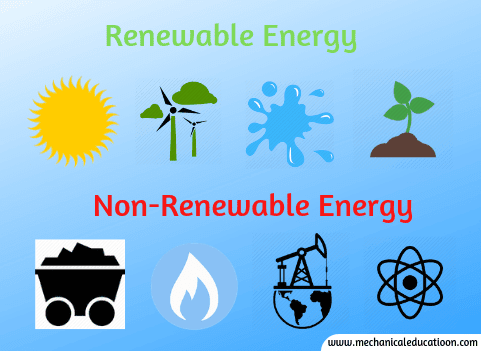
a nonrenewable resources is...
any natural material that is used by humans
a natural resource that can be replaced at the same rate at which it is consumed
a resource that forms much more slowly than it is consumed

Choose ALL the ways that using natural resources can be harmful...
mining and oil spills can damage ecosystems
they make our lives easier
burning coal or other fossil fuels can cause air and water pollution
used products can fill landfills or litter beaches and other natural areas

Hydroelectric energy can be found throughout earth? Is this a pro or con?
Pro
Con

Hydroelectric dams and their technology are expensive to build. Is this a pro or con?
Pro
Con

Wind Energy is available as long as the sun warms the earth. Is this a Pro or Con?
Pro
Con

Wind energy equipment to collect and convert wind energy is expensive to produce and maintain. Is this a pro or con?
Pro
Con

Choose ALL of the renewable resources
sun
coal
wind
fossil fuels
Earth (geothermal)

Fossil Fuels are inexpensive to obtain and use. Is this a pro or con?
Pro
Con

Fossil Fuels can cause acid rain and smog. Is this a pro or con
Pro
Con

Nuclear fuel produces a large amount of energy and does not cause air pollution
Pro
Con

Nuclear Fuel produce dangerous wastes that remain radioactive for thousands of years
Pro
Con

Choose ALL of the nonrenewable energy resources
sun
fossil fuels
nuclear fuel
wind
natural gas

Choose ALL the advantages of using a hybrid car
produces fewer emissions than a gas car
costs more than a gas car
made with recycled parts
gets higher gas mileage than a gas car

When we ______ products, we avoid using resources to make new products.
Using a water bottle, instead of buying bottled water, conserves water and oil.
Reduce
Reuse
Recycle

_________ of renewable resources involves a variety of _____________ practices.
Stewardship and conservation
Profits and money-making
Burning and helpful
It is an electrical apparatus designed to convert alternating current from one voltage to another
generator
capacitor
transformer
circuit breaker
What energy transformation takes place in a generator?
heat to mechanical
electrical to mechanical
mechanical to electrical
chemical to mechanical
Transformers are used to raise the voltage along with substations and lower it for residential consumption. What kind of transformers are used to raise the voltage?
step-up
step-down
both step-up and step-down
autobots
In which of the following units is electrical consumption measured by electric companies for our household consumption in our homes?
Volt
Kilowatt
Megawatt
Kilowatt per hour
All of the following are non-renewable energy sources, EXCEPT
oil
coal
wind
natural gas
Which of the following is the correct sequence of processes in the flow of electrical power?
transmission > generation > distribution
generation > transmission > distribution
distribution > generation > transmission
generation > distribution > transmission
Where in the power generation, transmission, and distribution system is a step-up transformer placed?
consumer lines
transmission lines
distribution substations
generation stations
To reduce your electric bill, you should _____________________.
connect appliances in series
make use of limited appliances
turn off appliances when not in use
turn off the main switch during the day
All of the following are the reasons why power in transmission lines is at high voltage EXCEPT ______________.
to increase power losses
to reduce power transmission cost
to deliver electricity over a long distance
to improve the efficiency of power transmission
What kind of energy transformation is present from the turbine to the generator of a power plant?
kinetic energy to potential energy
chemical energy to thermal energy
thermal energy to mechanical energy
mechanical energy to electrical energy
Are located in hilly areas where dams can be built and large water reservoir can be obtained.
Thermal Power plant
Hydropower plant
Resources that are not able to be reproduced as quickly as they are used are called _____.
Renewable
Non-Renewable
Energy transfer when fuel is burnt in a thermal power station.
Kinetic energy to heat
chemical energy to heat
Name the type of power station,
chemical-->heat-->kinetic-->electrical
Nuclear power plant
Thermal power plant

Name the type of power station.
Thermal power plant
Hydro power plant
Uses Uranium in _______ power station.
hydro power plant
nuclear power plant
What happens when water flows through a dam?
falling water turns a turbine
electricity is generated
Hydropower is a renewable resource.
true
false
What do you call the area where water is stored behind a dam?
reservoir
water bodies
What allows water to flow through a dam?
The water is released from a higher elevation to a lower elevation.
The water is released from a river to a reservoir.
According to the Law of Conservation of Energy, energy cannot be _________ or ____________.
transformed, destroyed
created, saved
created, destroyed
lost, found
Energy transformations occur when...
energy is created through conduction
energy changes from one form to another
two forces slide together that are touching
a chemical reaction takes place


An industrial facility that makes electricity by converting other energy using (a) generator(s)
power plant
world wonder
resource generator
electricity converter
Must be obtained through conversion from a primary energy source
magma
minerals
secondary energy source
renewable resources
Example of secondary energy source
coal
wind
natural gas
electricity

electricity is
renewable
nonrenewable
not renewable or non renewable

conventional energy resources include
fossil fuels, nuclear, hydroelectricity (flowing water)
wind, solar, geothermal
fossil fuels, wind, solar

There are some power plants that have no disadvantages or negative impacts
true
false
A flow of electrons
radiant
heat
electricity
motion

Does electromagnetic conversion using a coil of wire and magnet
boiler
turbine
power grid
generator
Provides motion energy to turn a generator
magnet
turbine
copper wire coil
boiler
electricity from "solid state conversion"
coal
solar panel (photovoltaic cell)
natural gas
wind
measurement unit of electricity use or generation
flow of electrons
ton
primary energy source
watt

electricity is ECONOMICALLY VIABLE to store in large amounts to use later
true
false
Electricity from power plants must be used as it is made
true
false
Most convenient primary source to make electricity
solar
wind
fossil fuels
geothermal
Primary energy sources that are non renewable
fossil fuels
solar
wind
hydroelectric
1. Hydroelectric power plants are built
a) on rivers.
b) on waterfalls.
Energy that is made from the power of moving water
Hydroelectric
Coal
Biomass
Wind
Energy that is made by moving air
Wind
Solar
Oil
Coal
Energy that cannot be replaced in our lifetime
Nonrenewable Energy
Renewable Energy
Geothermal
Alternative Energy
Energy that is made from the power of moving water
Hydroelectric
Coal
Biomass
Wind
Fuels such as coal, oil, and natural gas that were formed over millions of years from decayed plants and animals. This process requires time, pressure, and heat.
Fossil Fuels
Renewable Resources
Replenish
Geothermal
Fossil fuel that comes from energy stored by plants that lived hundreds of millions of years ago.
Biomass
Efficient
Coal
Oil
Plant materials or animal waste used as fuel
Coal
Geothermal
Wind
Biomass
Resources that provide energy as an alternative to fossil fuels
Solar
Alternative Energy
Nonrenewable Energy
Renewable Energy
To make full or complete again
Conservation
Efficient
Biomass
Replenish
Where does the heat come from for geothermal energy?
water
sun
atoms
earth
Which of these is a biomass energy source?
corn
wind
petroleum
water
Carbon dioxide levels relate to the Earth's temperature. Why do you believe scientists want our global society to invest in alternate energy technologies?

