
Font size
 Worksheets
NONRENEWABLE vs. RENEWABLE FORMAL ASSESMENT
Total questions: 49
Worksheet time: 52mins
Coal is a
Renewable Resource
Nonrenewable resource
Petroleum (oil) is a
Renewable Resource
Nonrenewable Resource
Natural Gas is a
Renewable Resource
Nonrenewable Resource
Sunlight is a
Renewable Resource
Nonrenewable Resource
Water
Renewable Resource
Nonrenewable Resource
Corn
Renewable Resource
Nonrenewable Resource
Geothermal
Renewable Resource
Nonrenewable Resource
Wind
Renewable Resource
Nonrenewable Resource
Nuclear energy
Renewable Resource
Nonrenewable Resource
Uranium
Renewable Resource
Nonrenewable Resource
Trees
Renewable Resource
Nonrenewable Resource
Living things are renewable because of
they can reproduce
they can be recycled
Ozone is gas found in the atmosphere and protects us from the dangerous rays from the sun.
True
False
Fossile fuels are
gasoline
oil
natural gas
coal
Natural gas, propane and oil are all ______ sources.
renewable
nonrenewable
synthetic
ozone

renewable
advantage
disadvantage

biomass energy
Renewable
Nonrenewable

CAN be replaced in a short time
Renewable
Nonrenewable

This is electrical energy that comes from the force of energy of moving water. It is the most widely used type of renewable energy.
Coal
Hydroelectric Power
Wind Energy
Geothermal Energy
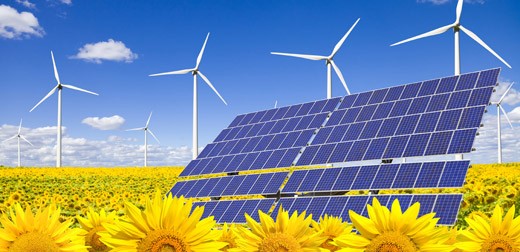
__________ is an energy resource that WILL NOT run out in the next several hundred years.
Renewable Energy Resource
Nonrenewable Energy Resource
Fossil fuels
biodegradable
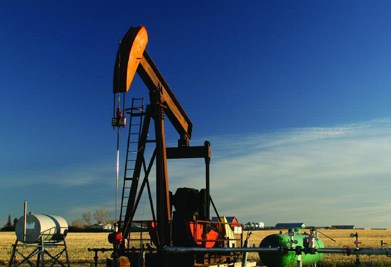
__________ is an energy resource that WILL run out in the next several hundred years.
Renewable Energy Resource
Nonrenewable Energy Resource
natural resources
pollution


Natural resources form in nature. Which of the following is NOT a natural resource?
oil
coal
plastic
water

Which of the following resources WILL eventually run out?
natural resources
renewable resources
nonrenewable resources
Fossil fuels are renewable because the Earth provides humans with an unlimited amount.
True
False
Fossil fuels are classified as nonrenewable because they...
require expensive equipment
can be found all over
take millions of years to replace
provide all the energy we use


a renewable resource is ....
a resource that forms much more slowly than it is consumed
a natural resource that can be replaced at the same rate at which it is consumed
any natural material that is used by humans

Energy created by burning organic waste material.
Geothermal
Wind
Biomass
Water

The plates move using three types of movements: convergent, divergent and transform.
True
False

The divergent movement happens when...
...plates move apart.
...plates move towards each other.
...2 plates move sideways with respect to each other.

______ boundaries in which tectonic plates slide pass each other.
divergent
convergent
transform

New oceanic crust (sea floor) is created at this boundary.
Divergent Oceanic
Divergent Continental
Convergent Oceanic
Transform

The process where oceanic crust slides under another plate and is melted is called ___________.
seafloor spreading
subduction
continental drift
recycling

What two geologic features occur near every subduction zone?
Volcanoes and Trenches
Rift Valleys and Mid Ocean Ridges
Volcanoes and Rift Valleys
Mid Ocean Ridges and Trenches

