
Font size
 Worksheets
ACE Bio test 1 review
Total questions: 116
Worksheet time: 1hrs 20mins
What is cohesion?
The ability of a molecule to "stick" to itself
The ability of a molecule to "stick" to other molecules
Large amounts of energy are required to change the temperature of a substance
A well-organized and efficient team

What do the green bonds represent?
Covalent Bond
Hydrogen Bond
Ionic Bond
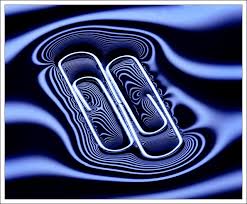
The hydrogen atom and oxygen atom do not share the electrons equally, resulting in partial charges at the ends of water molecules
Polarity
Cohesion
Adhesion
Heat Capacity
Hydrogen bonds form a tight film on the surface of the water
Polarity
Surface Tension
Cohesion
Capillary Action
Water can be pulled upward against gravity in small narrow tubes.
Adhesion
Cohesion
Capillary Action
Polarity
Water can dissolve many substances, like ions, gases, and sugars. Water is considered the "-------"
Universal Solvent
Surface Tension
Polarity
Cohesion
Water molecules are attracted to other water molecules. They are held together by hydrogen bonds.
Adhesion
Polarity
Cohesion
Solvent
Water can absorb large amounts of heat energy without fluctuating in temperature. This helps in maintaining homeostasis.
Capillary Action
Heat Capacity
Cohesion
Adhesion
Water molecules are attracted to different substances that have a charge. An example would be water sticking to a leaf.
Adhesion
Cohesion
Polarity
Heat Capacity
Where is the most energy stored in a molecule?
(a)
Which molecule is used for short termed energy storage?
Carbohydrate
Protein
Lipid
Nucleic Acid
Which molecule stores genetic information?
Carbohydrates
Protein
Lipid
Nucleic Acid
Which organic molecule creates the phospholipids found in the cell membrane?
carbohydrates
protein
lipids
nucleic acid
Used to cushion vital organs
CARBOHYDRATES
PROTEINS
LIPIDS
NUCLEIC ACIDS
Sugars, starches, and cellulose are part of this group.
CARBS
LIPIDS
PROTEINS
NUCLEIC ACIDS
Composed of sugar, phosphate group, and nitrogenous bases.
CARBS
PROTEINS
LIPIDS
NUCLEIC ACIDS
Monomers are glycerol and fatty acids.
CARBS
PROTEINS
LIPIDS
NUCLEIC ACIDS
Composed of C, H, O, N, and sometimes S
CARBOHYDRATES
PROTEINS
LIPIDS
NUCLEIC ACIDS
DNA and RNA are polymers for which macromolecule?
CARBOHYDRATES
LIPIDS
PROTEINS
NUCLEIC ACIDS
Cellulose helps strengthen plants.
CARBOHYDRATES
LIPIDS
PROTEINS
NUCLEIC ACIDS
Held together by peptide bonds.
CARBS
PROTEINS
LIPIDS
NUCLEIC ACIDS
Main source of energy for living things
CARBS
PROTEINS
LIPIDS
NUCLEIC ACIDS
Stores and transmits genetic material.
CARBS
PROTEINS
LIPIDS
NUCLEIC ACIDS
Adenine, Thymine, Guanine, Cytosine & Uracil are a component of this molecule's monomer. (A, T, G, C, U)
CARBS
LIPIDS
PROTEINS
NUCLEIC ACIDS

Which of the 4 organic macromolecules does this image represent?
CARBOHYDRATE
PROTEIN
LIPID
NUCLEIC ACID
Which building blocks are correctly matched to the macromolecule they form?
Amino acids make proteins.
Glucose molecules make lipids.
Nucleotides make carbohydrates.
Fatty acid chains make nucleic acids.
Which of the following statements illustrates why carbon atoms are so important in living organisms?
Carbon atoms contain large stores of energy.
Carbon is found in most inorganic compounds.
Carbon atoms are polar which allows them to dissolve many compounds.
Carbon is able to bond to many other atoms to form large and complex molecules.
Which of the following groups of macromolecules are composed of three fatty acid chains bonded to a glycerol?
lipids
proteins
nucleic acids
carbohydrates

Which of the following structures is represented by the figure?
amino acid
nucleotide
triglyceride
monosaccharide
Which of the following correctly matches the elements present in macromolelcule?
CHO-Lipids
CHO-Proteins
CHON-Nucleic Acids
CHONP- Carbohydrates
dehydration synthesis
joining monomers
breaking down polymers
water loving
water fearing
hydrolysis
joining monomers
breaking down polymers
water loving
water fearing
Where you find lipids?
Oils, fats, waxes.
Candy, bread, pasta.
All living things.

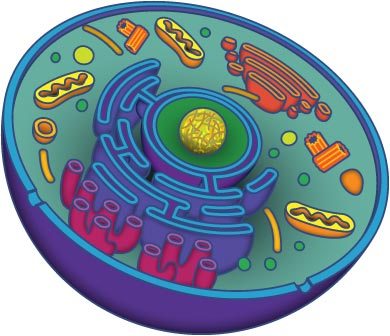
Unicellular organism that lacks a nucleus
Prokaryotic Cell
Eukaryotic Cell
Organism whose cells contain a nucleus
Prokaryotic Cell
Eukaryotic Cell
Specialized structure that performs important cellular functions within a eukaryotic cells
Nucleus
Organelle
Cells
Contains DNA
nucleus
mitochondria
chloroplast
endoplasmic reticulum
Assembles proteins and lipids
Two types: Rough and Smooth
nucleus
mitochondria
chloroplast
endoplasmic reticulum
Converts solar energy to chemical energy stored in food
nucleus
mitochondria
chloroplast
endoplasmic reticulum
Powerhouse of the cell
nucleus
mitochondria
chloroplast
endoplasmic reticulum

This organelle helps organize cell division and creates microtubules.
Mitochondria
Centriole
Lysosome
Vacuole

Gel-like fluid inside the cell that suspends the organelles
cytokines
vacuole
cytoplasm
boba

This regulates what goes in and out of the cell.
Cell membrane
Nucleus
Ribosome
Mitochondria

Cellular respiration takes place here and produces energy called ATP.
Lysosome
Golgi apparatus
Nucleus
Mitochondria

Breakdown lipids, carbs, proteins, old organelles. Clean up crew. Also fight against bacteria, viruses, and other antigens
Lysosome
Vacuole
Centriole
Mitochondria

Store materials like water, salts, proteins, and carbs. And also store wastes to prevent cell contamination. Plants have a large one.
Nucleus
Vacuoles
Mitochondria
Ribosomes

Transport important things (like proteins) throughout the cell
Lysosomes
Vacuoles
Nucleus
Vesicles

Makes and stores lipids (fats). Also breaks down toxins.
Rough ER
Smooth ER
Golgi Apparatus
Vacuoles

Transports material throughout the cell. Looks rough because of the ribosomes.
Rough ER
Golgi Apparatus
Smooth ER
Ribosomes

Makes proteins (protein synthesis)
Ribosomes
Rough ER
Nucleus
Cytoplasm

Main function is to produce and assemble ribosomes.
Nucleus
Vacuole
Nucleolus
Mitochondria

Usually found in the center. This is the “Control Center.” It coordinates activities like metabolism and growth. It also houses genetic information (DNA).
Nucleolus
Nucleus
Mitochindria
Ribosomes

Modify, sort, and package proteins and other materials from the ER for storage in the cell or secretion outside the cell
Golgi Apparatus
Rough ER
Smooth ER
Nucleus

Protein filaments that help maintain structure
Mitochondria
Cytoplasm
Cytoskeleton
Lysosomes

Short hairlike appendages. Helps in locomotion, circulation and aeration.
Flagellum
Cilia
Follicles
Hair fans

Long thread like appendage that helps in locomotion
Cilia
Flagellum
Propeller
Leg

Traps sunlight and converts it into energy for plants.
Chloroplasts
Cell wall
Cell membrane
Vacuole

It provides plant and some bacterial cells with protection and structural support.
Nucleus
Cell Wall
Cytoplasm
Mitochondria
Enzymes are an example of
Lipids
Carbohydrate
Protein
Nucleic Acid
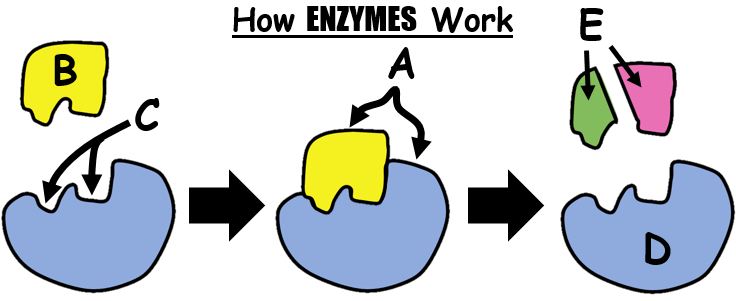
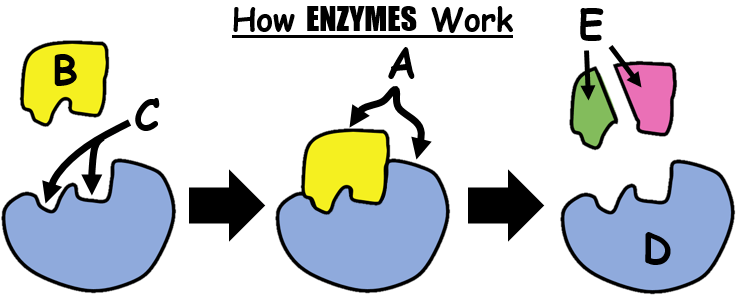
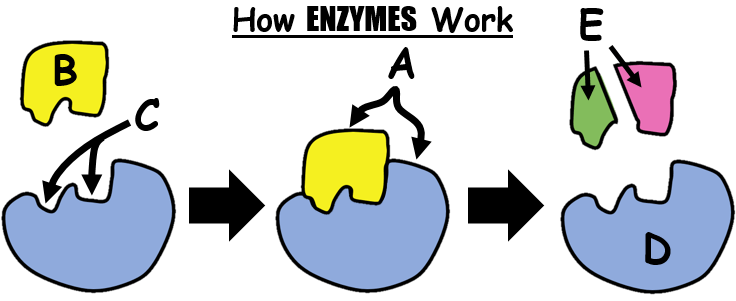
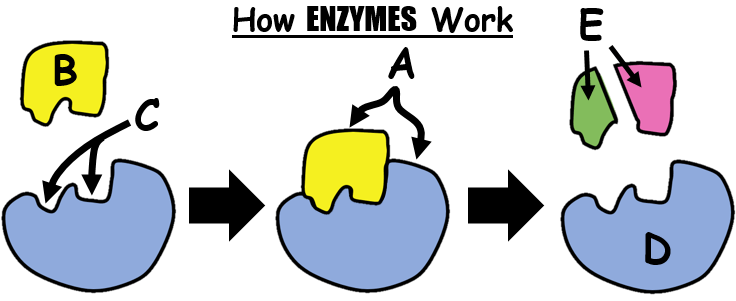
Enzymes are an example of
Lipids
Carbohydrate
Protein
Nucleic Acid
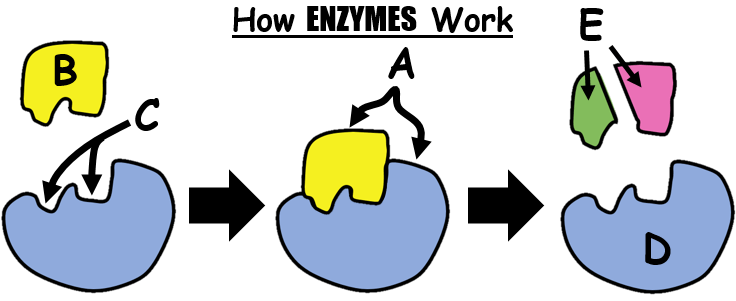
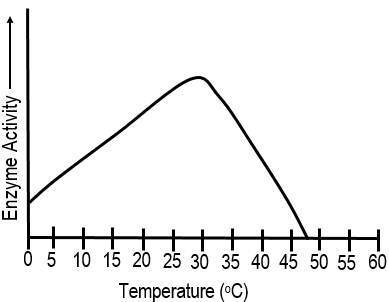
What happens when enzymes are heated to a high temperature?
The enzymes die.
The shape of the enzyme are changed and it denatures
The enzymes' amino acid sequence changes.
The enzymes remain the same

What is the name of the high energy molecule of the cell?
ATP
ADP
What is the name of the low energy molecule of the cell?
ATP
ADP
What is the name of the nitrogenous base that helps make up ATP?
Adenine
Guanine
Thymine
Cytosine
Where is the energy held in ATP?
Ribose
Adenine
Bond holding last phosphate group
How is ADP converted back to ATP?
Phosphate group is removed.
Phosphate group is added.
energy is required for exergonic reactions to occur
true
false
energy is required for endergonic reactions to occur
true
false
endergonic reactions are spontaneous
true
false
exergonic reactions are spontaneous
true
false
in endergonic reactions the reactants have more energy than the products
true
false
in exergonic reactions the reactants have more energy than the products
true
false
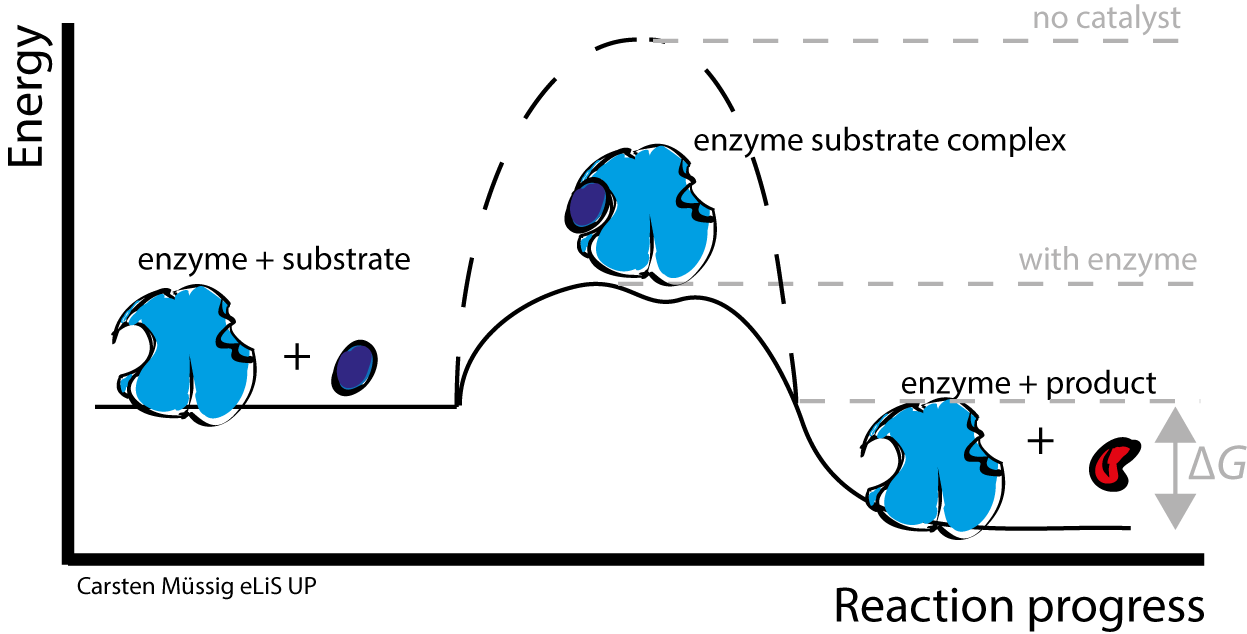
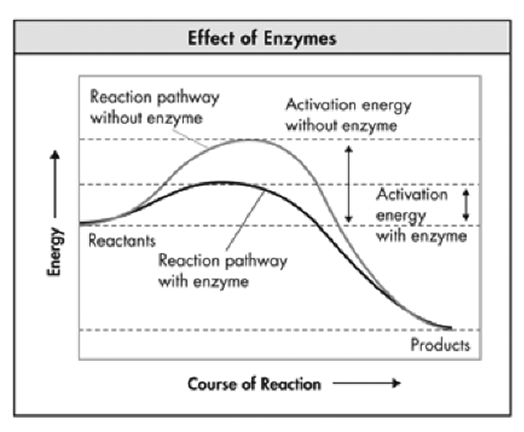
energy needed for a reaction to occur
thermal energy
light energy
activation energy
enzymes are used up during a reaction
true
false
enzyme gets recycled after the reaction occurs
true
false
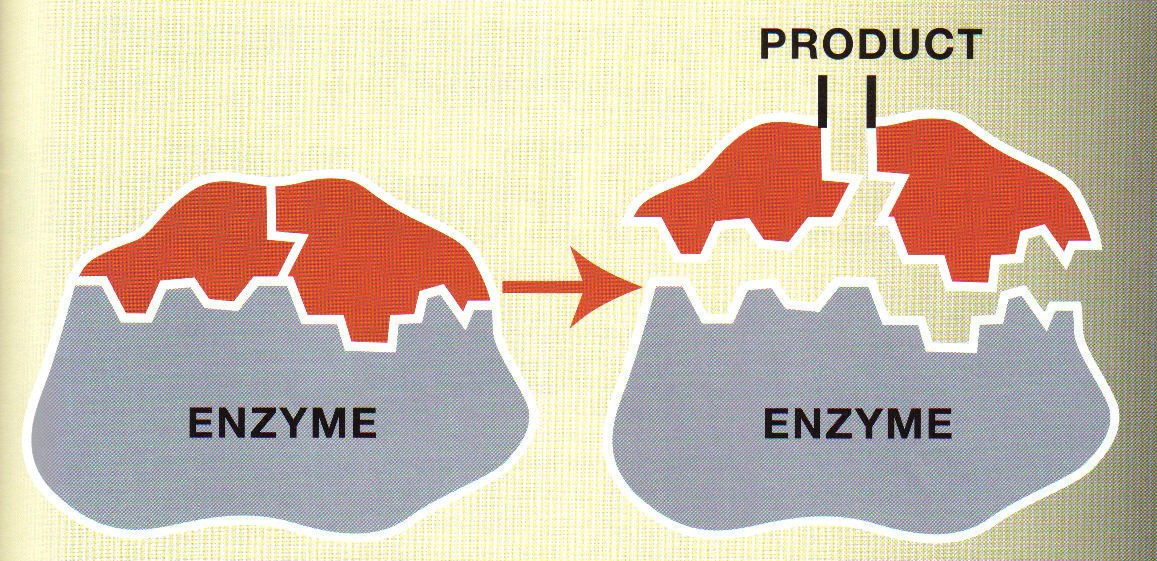
occurs when an inhibitor binds to the active site of an enzyme and prevents the substrate from binding and stops the reaction from occurring
competitive inhibition
non competitive inhibition
occurs when an inhibitor binds to somewhere other than the active site and changes the shape of the enzyme, stops the reaction
non competitive inhibition
competitive inhibition
metabolic reactions that build large molecules from many small molecules
enzymes
catabolic
anabolic
inhibitors
in anabolic reactions energy is made
true
false
type of metabolic reaction in which large molecules are broken down in to many smaller molecules
enzymes
catabolic
anabolic
competitive
in catabolic reactions energy is made
true
false

