
 Worksheets
Year 7 Science Exam Revision
Total questions: 60
Worksheet time: 40mins
How many independent variables should you have in an experiment?
two
as many as possible
four
one
What is an dependent variable?
What a scientist changes in an experiment to test their hypothesis
What scientist measure to see if it responded to a change
What happens when you do an experiment
What you keep the same throughout all experimental groups

At what temperature did bread mold the slowest?
20
40
60
80

How many people have two or less books in their desk?
4
5
6
7

Phase change from liquid to gas is called:
Freezing
Condensation
Vaporization
Sublimation
Phase change from liquid to solid is called:
Melting
Freezing
Deposition
Condensation
Phase change from gas to liquid is called:
Melting
Freezing
Deposition
Condensation

When changing a substance from gas to liquid, the energy has to...
INCREASE
DECREASE

Which of the following statements is NOT true about gases?
Gases do not have fixed shape or volume
Gas particles do not move much, but vibrate
Gas particles have a lot of free space
Unlike solids, gases can be compressed

Which of the following statements is true about phase changes?
Solid turning into liquid is called freezing
When ice melts, the kinetic energy is decreased
Liquid turning into gas is called condensing
When water boils, the kinetic energy is increased

Look at the picture. Which state of matter is in beaker C?
Solid
Liquid
Gas
Blue thingys
You are heating a substance in a test tube. Always point the open end of the test tube ________.
Toward yourself.
Toward your lab partner.
Toward another classmate.
Away from all people.
Personal eyeglasses provide as much protection as ________.
A face shield.
Safety goggles/glasses.
Splash proof chemical goggles.
None of these.
What is mass?
The amount of matter in an object.
The effect of gravity on an object
The amount of space an object takes up
A force of attraction that holds atoms together
The curved upper surface of a liquid in a column of liquid is called the
mass
meniscus
cylinder
bubble
What is the SI unit for weight?
ml
N
g/cm3
m

What is the name of this scientific tool?
stop watch
digital scale
graduated cylinder
triple beam balance
What is Control VARIABLE?
Variables that remain constant
A variable that is changed in an investigation.
A variable that is observed in an investigation.
What is force in physics?
A power in star wars
A push or pull on an object
A stop on an object
The start of an object
What can force do to an object?
Accelerate an object
Slow down an object
Have the object remain in place
Have the object change shape
All of the above
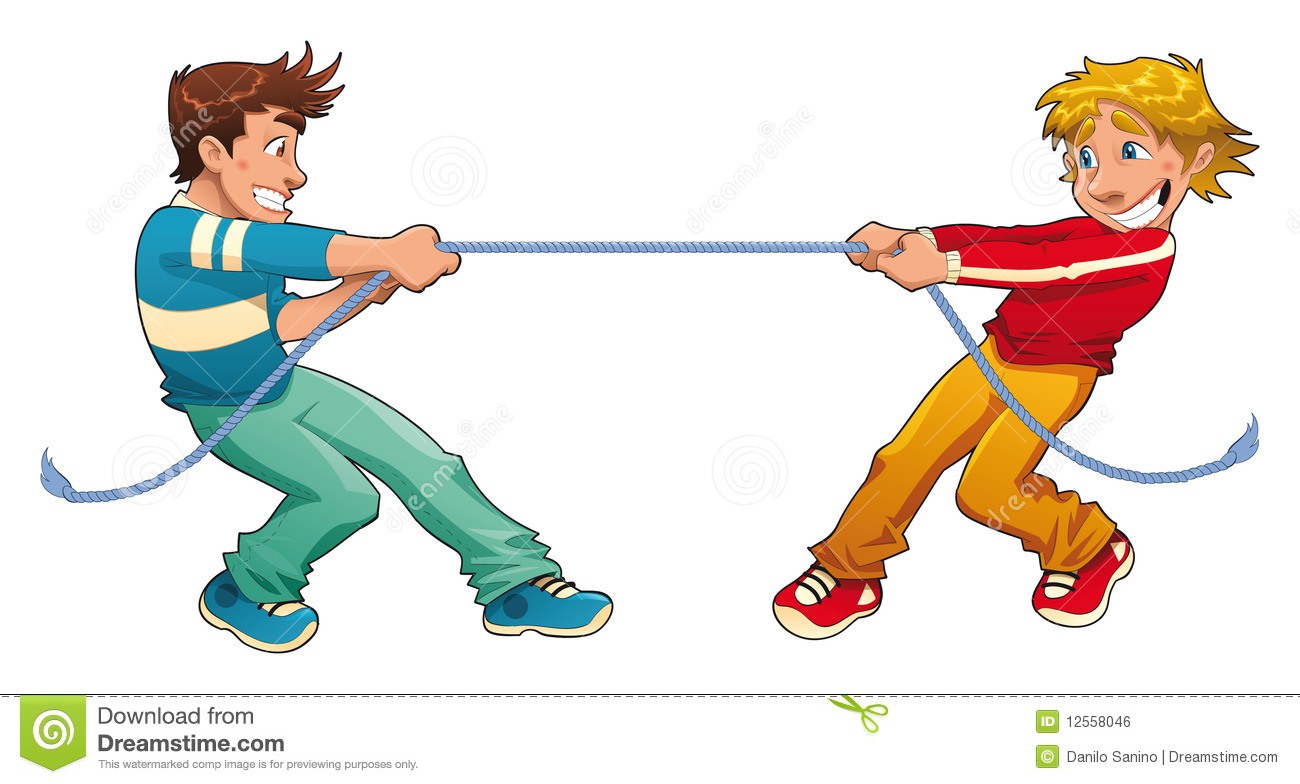

What type of force was at work in the parachute?
elastic spring force
frictional force (air resistance)
magnetic force
gravitational force


When an object is moving, friction acts in the _______ direction as the motion.
perpendicular
same
opposite
precise

The force between the phone and the mount is a
contact force
non-contact force

The gravitational attraction between two objects would increase if both masses are –
increased, and the distance between them is increased.
increased, and the distance between them is decreased.
decreased, and the distance between them is decreased.
decreased, and the distance between them is increased.
When is having less friction useful?
walking
driving
ice skating
climbing
What is the formula for density?
m/v
mv
v/m
m+v
A measure of the gravitational force exerted on an object.
mass
volume
density
weight
The ability of a fluid to exert an upward force on an object placed in it.
Density
Weight
Buoyancy
Gravity
As a substance is COOLED its DENSITY...
increase
decreases
remains equal
As a substance is COOLED its MASS...
increase
decreases
remains equal

What type of lever
First Class Lever
Second Class Lever
Third Class Lever

This object is a lever class number ...
1
2
3
No. It is not a lever.

What is the work required to move this object to the top of the ramp?
3430 J
34.3 J
245 J
30.6 J
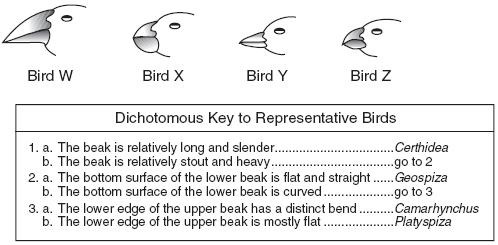
What usually starts food chains?
1. Green plants
2. Worms
3. Sunlight
4. Animals that eat plants only

What we call the animals that eat plants only?
1. Herbivores
2. Carnivores
3. Omnivores
4. Decomposer

Which of the following can be inferred about the decomposers?
1. If there were no decomposers, wastes and the remains of dead animals would pile up.
2. They break down the alive animals which then return to soil, so plants can use them again.
3. They are one type of animals that eat both plant and animals called omnivores.
4. They simply use sunlight and water to produce the energy.
Which of the following refers to the producers in the ecosystem?
Autotrophs
Carnivores
Heterotrophs
Omnivores
If there is a 50 kcal of energy in the third trophic level, how much energy in kcal was available at the first trophic level?
5 kcal
50 kcal
500 kcal
5,000 kcal
Which food chain correctly describes the flow of energy in an ecosystem?
Grass-->cow-->human
Caterpillar-->leaf-->human
Cow-->grass-->human
Leaf-->bird-->caterpillar
What is the difference between the biotic and abiotic factors?
Biotic factors are nonliving things and abiotic factors are living things.
Biotic factors are living things and abiotic factors are nonliving things.
Which of the following is a biotic factor in an ocean ecosystem?
the oxygen in the water
the temperature of the water
the fish in the water
the salt content of the water
Which is an example of an abiotic factor in a pond environment?
A frog
A SNAKE
A grasshopper
WATER
Organism that eats other things for food
consumer
producer
decomposer
prey
a producer always
eats other producers
gets energy from the sun
is a herbivore
is a plant
select one way humans negatively impact their environment
using solar energy
reduce, reuse, and recycle
deforestation
water conservation
select one way humans positively impact their environment
using solar energy
mining for oil
pollution
taking really long showers

