
 Worksheets
Cell Membrane Structure & Function CP
Total questions: 65
Worksheet time: 2hrs 56mins
Which of the following is a function of the cell membrane?
breaks down lipids, carbohydrates, and proteins from foods
stores water, salt, proteins, and carbohydrates
synthesizes proteins and other macromolecules
regulates the movement of materials into and out of the cell
Which of the following is the function of the cell membrane? Select all that apply.
Provides instructions to the cell and other organelles.
Regulates compounds in and out fo the cell.
Allows cells to communicate and interact with other cells.
Breaks down wastes and other compounds.
Protects the cell from its environment.
Which of the following are embedded in the phospholipid bilayer and help substances pass through?
lipids
proteins
cholesterol
carbohydrates
Molecules diffuse
toward areas of lower concentration
only into cells from outside
only out of cells from inside
toward areas of higher concentration
A rigid structure that surrounds the cell membrane for support and protection of the cell.
Chloroplasts
Cell Wall
Cell Membrane
Cytoplasm
A gel like fluid that takes up most of the space inside the cell. The organelles are found scattered throughout it.
Chloroplasts
Cell Wall
Cell Membrane
Cytoplasm
A cell organelle that is responsible for waste removal in the cell.
Golgi Body
Endoplasmic reticulum
Large central vacuole
Lysosomes
Saclike structures that store materials such as water, salts, proteins, and carbohydrates.
Nucleus
Ribosomes
Organelles
Vacuoles
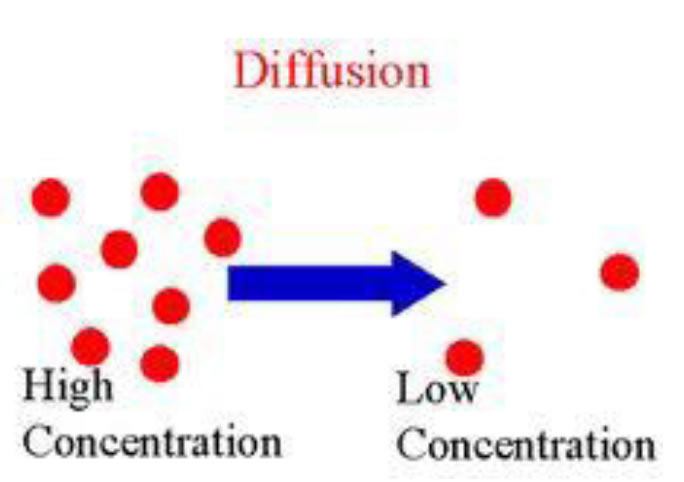

The process which water travels from high concentration to low concentration through a membrane:
active transport
facilitated diffusion
exocytosis
osmosis

The picture shown is how red blood cells can shrink or swell due to its environment. The process responsible for this change is:
osmosis
diffusion
active transport
mitosis
Robert Hooke named the small compartments that made up the cork __________after the rooms monks lived in.
organelles
membranes
microscopes
cells
Cell theory states that...
cells are the basic building block of life
cells are cool
cells are microscopic
cells cannot be destroyed
What type of organisms does the cell theory apply to
bacteria
multicellular organisms
plants and animals
all of the above
Contains the lens you look through.
Low-power Objective
High-power Objective
Eyepiece
Diaphragm
Moves slightly and is used to sharpen the image of the object you are viewing.
Coarse Adjustment Knob
Stage
Fine Adjustment Knob
Revolving Nosepiece
Both prokaryotic and eukaryotic cells have all of the following EXCEPT:
Cytoplasm
Ribosomes
DNA
Cell Wall
If the lysosome were a part of the city it would be the:
Mayor - controls the cell
Waste management - digests cell waste and cleans up
Farms- synthesizes proteins
Water tower - stores water
Prokaryotic cells have all of the following parts EXCEPT:
Cell membrane
Ribosomes
Cytoplasm
Nuclear membrane


Diffusion & Facilitated Diffusion are both __________ transport.
Passive
Active
Easy
Free
Passive Transport is the movement of particles across the membrane from an area of [ ___ ] to an area of [ ___ ]
high to low
low to high
low to low
high to high
_____________ is the free movement of particles across the membrane with the concentration gradient
diffusion
facilitated diffusion
active transport
fusion


What is the name of this part?
base
leg
arm
eyepiece

What is the name of this part?
stageclips
leg
body tube
coarse adjustment knob

What is the name of this part?
objective lens
eyepiece/ocular lens
diaphragm
slide

What is the name of this part?
fine adjustment knob
eyepiece/ocular lens
stage
body tube

What is the name of this part?
lamp
eyepiece/ocular lens
leg
objective lens

What is the name of this part?
stageclips
stage
nosepiece
slide

What is the name of this part?
stageclips
stage
nosepiece
slide

What is the name of this part?
stageclips
stage
objective lens
slide
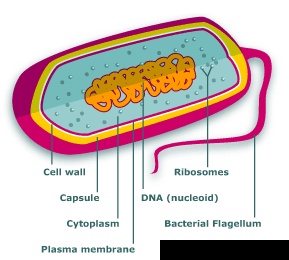

Bacteria is what kind of cell?
Eukaryotic
Prokaryotic

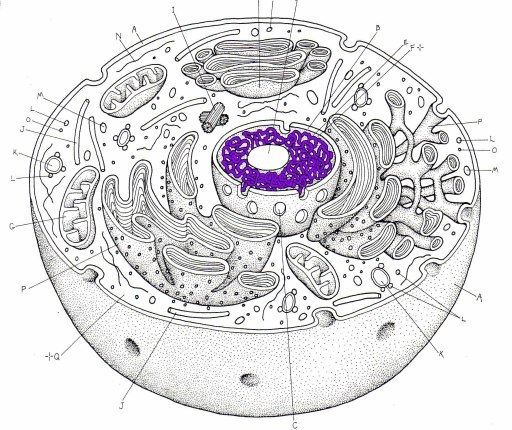
What kind of cells are these?
Eukaryotic
Prokaryotic
In multicellular organisms, specialized cells that work together toward the same function are called
organs
organ systems
tissues
species
TRUE/FALSE: There are over 20 trillion cells in our bodies & they ALL work together to help us function!
True
False
TRUE/FALSE: A cell's structure refers to the features of the cell!
True
False
Which organisms would *not* have specialized cells?
a plant
an animal
a bacteria
a mushroom
All of the cells in a human body look the same.
True
False

